
What Buyers Want in 2025: From Dog Parks to Downsizing, Amenities and Affordability Are Key
Share News:


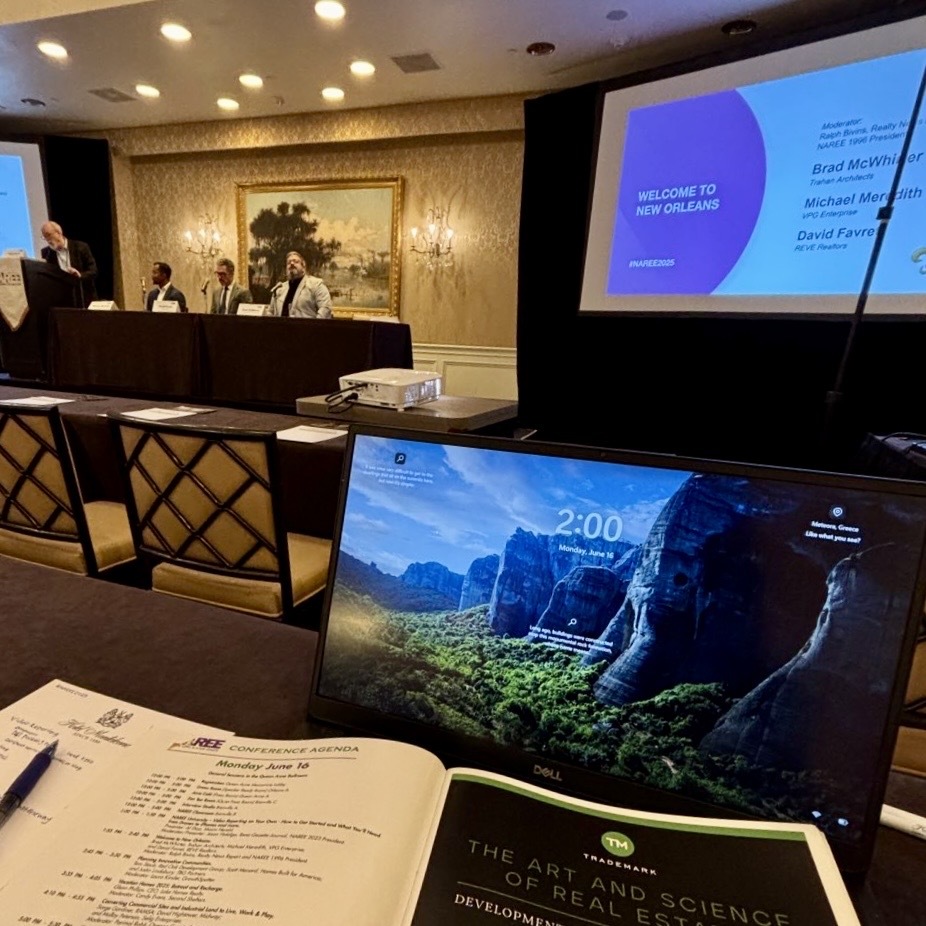
Today’s homebuyers — the few who can actually afford to buy — are less concerned with the biggest house on the block and more focused on what happens outside the front door. That was the message from housing insiders on what buyers want in 2025 at the National Association of Real Estate Editors (NAREE) annual conference in New Orleans this week.
Master-Planned Communities: It’s All About the Amenities

Dog parks have officially overtaken golf courses and greenbelts in the hierarchy of must-have amenities in master-planned communities.
“It’s all about the pets,” said Scott Menard of Homes Built for America.
Millennials and Gen Z buyers aren’t looking for homes that define them — they want communities that support how they live. That means skate parks, observation decks, surf parks, and even on-site daycare integrated into mixed-use village centers.
But not everything new is universally loved. Pickleball remains a hot amenity. But while it’s wildly popular, the noise has led developers to site courts away from homes. Homeowners love to play it—but no one wants to live next to the sounds of outdoor volleys, one developer noted.
The trend toward varied housing types continues. At Veramendi in New Braunfels and Hillwood’s Wolf Ranch in Georgetown, developers are leaning into diverse products and authentic placemaking, from basalt rock outcroppings to Texas park-inspired trail systems. Some newer models are ditching garages altogether, offering shared tool storage and compact, functional layouts instead.

“We don’t put up a pool and clubhouse and call it a day,” said Tom Staub of Red Oak Development, a master-planned community developer in the Texas triangle of Austin, San Antonio, and Houston areas.
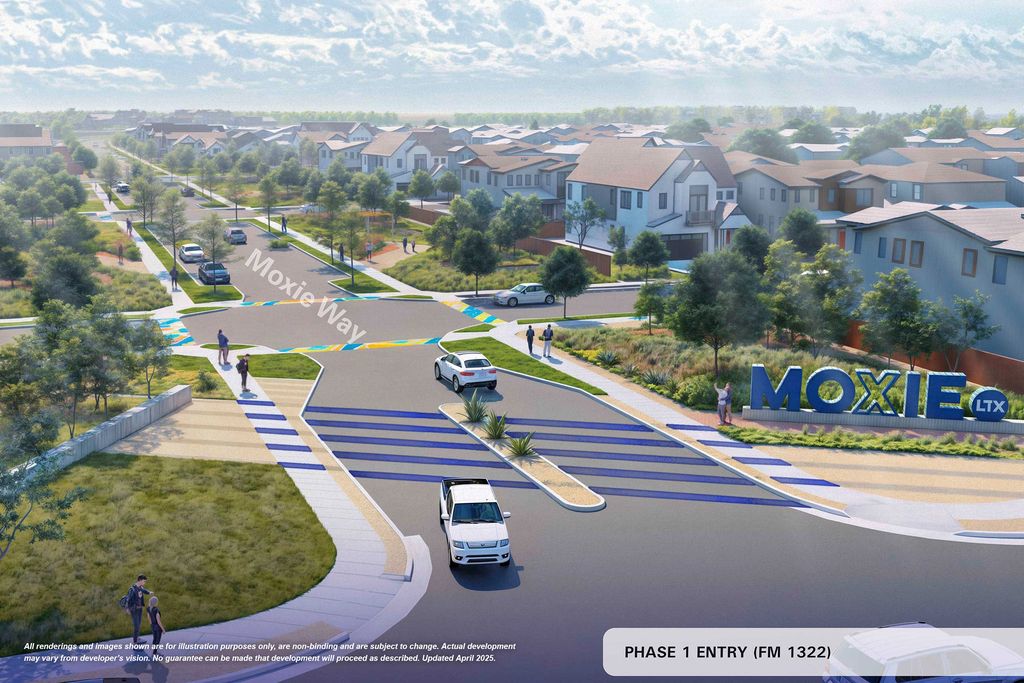
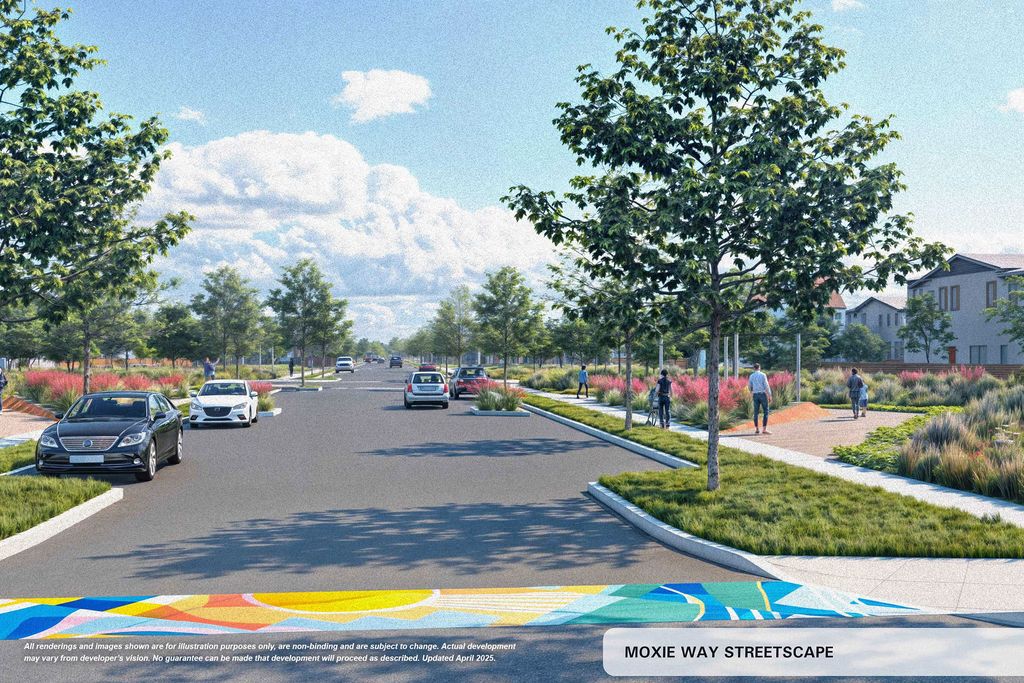
His firm is investing millions in colorful, connective pathways and active public spaces at Moxie, a new small-town themed master-planned community in Lockhart, Texas. CandysDirt.com got an advance look at Moxie after Staub teased the new development at the conference before its official announcement later in the week.
Second Homes Are Lifestyle Buys, Not Investments

Despite market shifts, second-home buyers remain focused on quality of life over ROI. Glenn Phillips, CEO of Lake Homes Realty said the buying process for a lake home averages two years — far longer than traditional residential timelines. “They’re not buying it because they think it’ll make them money,” he said. “It’s a lifestyle choice.”
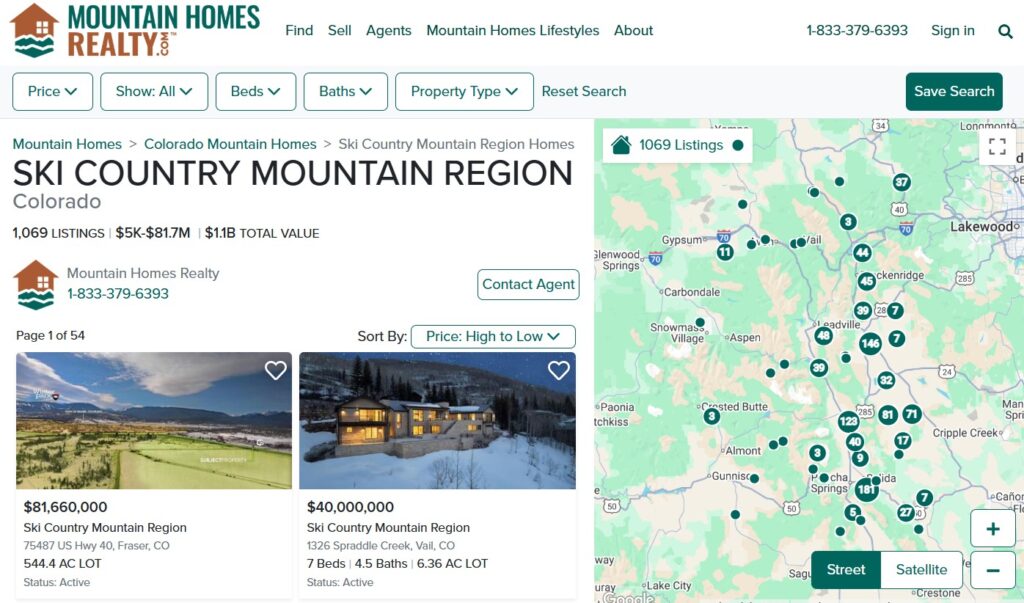
The real estate brokerage that focused on lake home properties expanded to beach homes a few years ago and this year, announced a new arm devoted to mountain homes, MountainHomesRealty.com.
Teardowns are increasingly common as prime shoreline land grows scarce. While affordability and climate change are concerns, Phillips said most buyers are still choosing what they want now, rather than planning around future risk.
Affordability Is the Anchor
Housing affordability remains the challenge. Orphe Divounguy, senior economist at Zillow, painted a sobering picture: “It used to be $400 cheaper to buy than rent. Now it’s $100 more expensive.”
As a result, renters are staying renters longer. The median age of a renter in 2000 was 36; by 2024, it had increased to 42. That means renters are starting their families as renters, the Zillow analyst said.
“That is a symptom of housing affordability,” he said.
The old logic was: “If you gave up your $10 frappuccino,” you could afford a down payment, Divounguy said. Now, “it would take you about 240 years to save up for a down payment in San Francisco.” His point? The problem isn’t disposable spending — it’s institutional.

The national average down payment is $70,000. In markets like Dallas, buyers would need a $135,000 down payment to afford a median-priced home. Specifically, $135K down to afford a home where the mortgage payment doesn’t exceed 30% of a buyer’s household income — the standard measure of a home’s affordability for a buyer.
While sellers are slowly returning to the market, buyers are holding back, and listings are accumulating. In May, U.S. home prices declined slightly — down 0.4% nationally, and down 2.8% in Dallas.
Divounguy doesn’t expect rates to drop significantly. “If mortgage rates go below 4%, we’re in big trouble,” he said, pointing to previous dips tied to the Dot-Com crash, COVID, and other major recessions.
What Buyers Want in 2025: Shrinking Floor Plans
As commercial real estate remains sluggish, some firms are looking to adaptive reuse and mixed-use redevelopment as a path forward. In Houston, Midway’s East River project is transforming industrial land into a connected, trail-oriented district. In Atlanta, Selig Enterprises is using retail as the foundation for residential and hospitality layers.
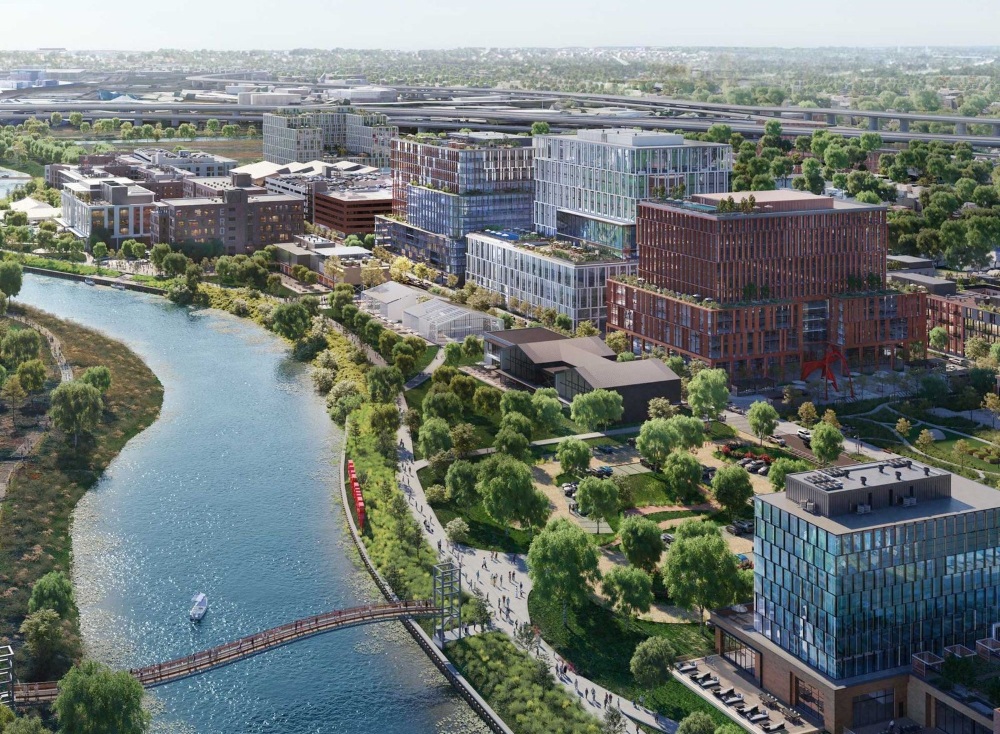
And as buyers prioritize kitchens over media rooms and right-sized living over grand square footage, the new median home size in 2024 is 2,146 square feet — down from the 2015 peak of 2,467 square feet, according to the National Association of Home Builders.
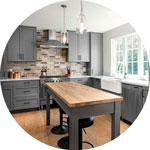
“Gen X and boomers are really coming down in the size of the homes they want,” said NAHB’s Rose Quint. But while homes may be shrinking, the kitchen is growing — becoming the de facto heart of the house. “It’s taking over the first floor,” said Bill Darcy of the National Kitchen and Bath Association.
Preservation and Resilience in New Orleans
With the conference set in New Orleans, local developers highlighted the city’s approach to historic preservation and redevelopment in a changing climate.
“As our buildings get older, the burden falls to designers and contractors to build and renovate responsibility,” said Brad McWhirter of Trahan Architects, who led the post-Katrina transformation of the New Orleans Superdome. His firm focuses on stripping buildings back to their architectural intent, rather than forcing new layers on top.
That approach to historic preservation was evident during a NAREE-led walking home tour of four properties in the French Quarter. While one property, a 3,285-square-foot Creole Cottage at 810 Bourbon St. took a decidedly modern approach to renovation, the other properties on Dumaine, Royal, and Chartres streets displayed a historically sensitive approach to renovation.
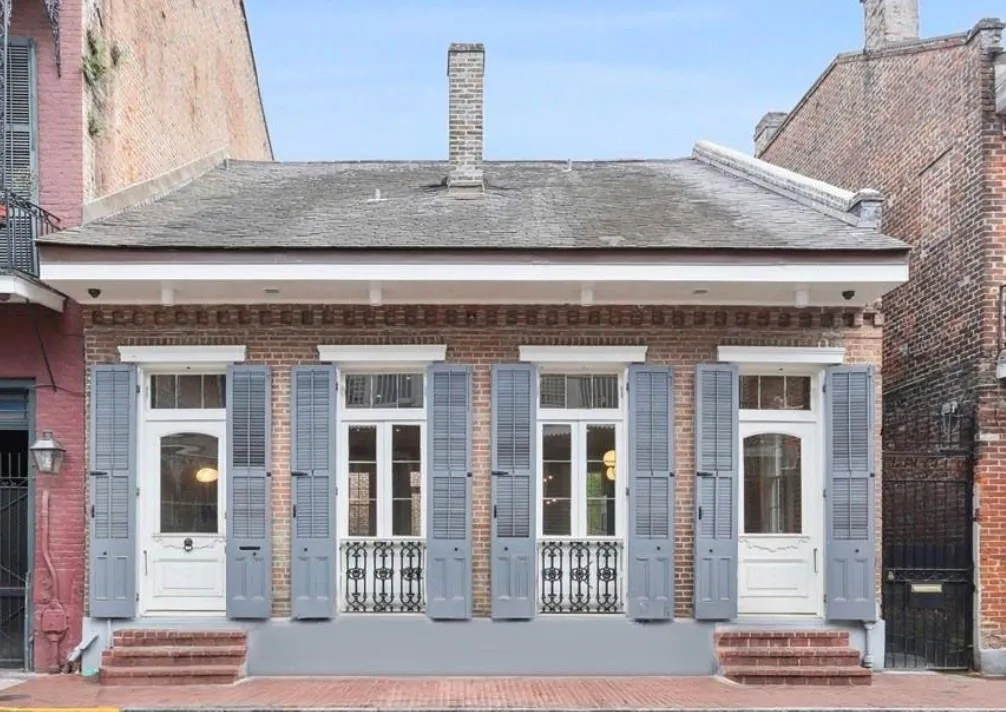
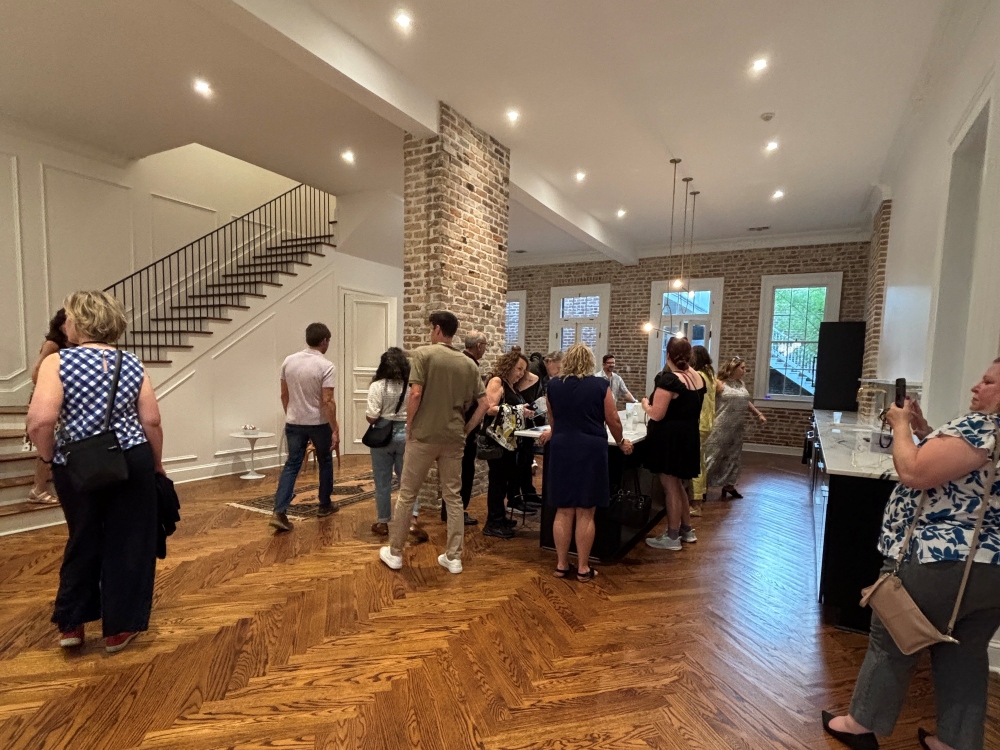


The city’s resilience lies in its people, said Michael Meredith of VPG Enterprise. “It’s a culture of people who don’t quit.”
David Favret of REVE Realtors represented many New Orleans citizens who bought or sold their homes after Katrina. “Restoration is part of our culture,” he said.
With historic districts that protect old construction homes in place, Favret said, “It’s more unusual that a building can be demolished than not.”
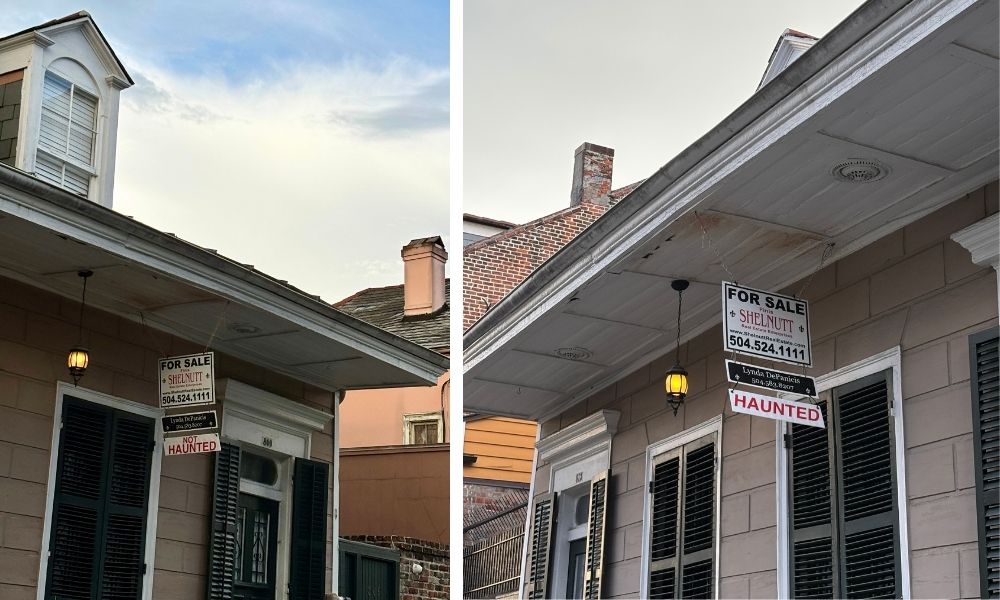
See more photos from the NAREE conference in New Orleans on the CandysDirt.com Instagram page.





Shelby what a fabulous report! I am so sorry I could not attend this year! Dying to hear where next year’s NAREE will be, and we will BE THERE!