
Dal-Tex Building Conversion in Downtown’s West End Gets $16M Boost
Share News:

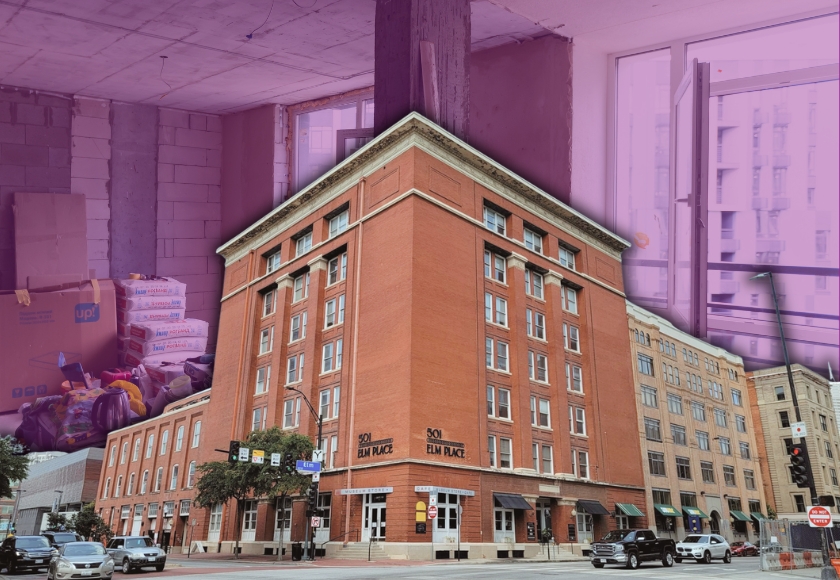
Downtown Dallas’ transformation from a strictly business-oriented concentration of towers into an actual neighborhood of historic character is proceeding apace, with adaptive reuse projects in the West End revving up to counter the dour narratives haunting the city center.
One conversion just got a significant boost in the form of property assessed clean energy financing through the city and the nonprofit Texas PACE Authority, which backs “economically sound and environmentally friendly improvements” in communities around the state.
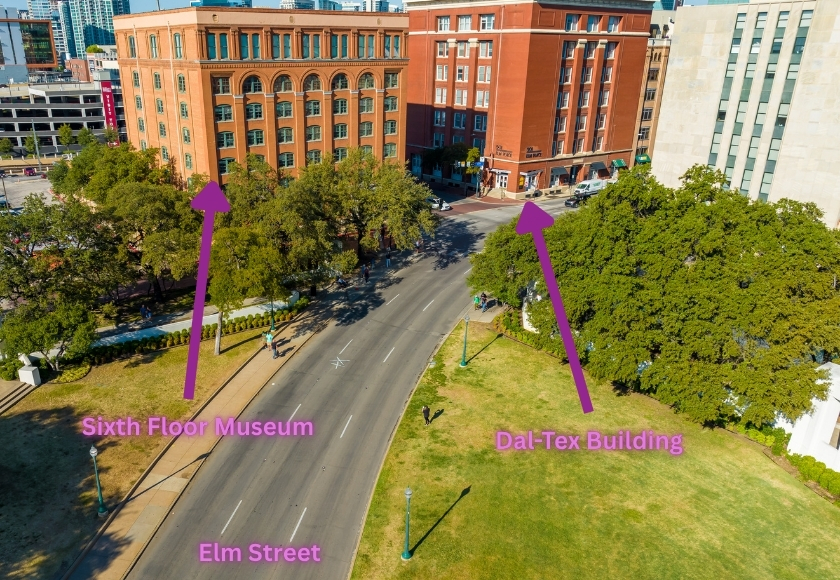
The development firm 3L Real Estate bought the historic Dal-Tex building at 501 Elm St. and the adjacent 509 Elm St. back in 2021. The 125-year-old properties, located across from the Sixth Floor Museum at Dealey Plaza, are listed on the National Register of Historic Places. 3L Real Estate wants to preserve the seven-story buildings’ historic character while converting the underutilized office space into 120-140 units of multifamily and over 29,000 square feet of renovated ground-floor retail.
“Being a part of reactivating historic properties has always been 3LRE’s focus. Especially when the opportunity is at a premier location in the heart of major downtowns,” said 3L Real Estate CEO Joseph Slezak.
3L Real Estate specializes in adaptive reuse. Most of its projects are in the Midwest, but in addition to Elm Street, the firm is working on converting the old Oncor headquarters in downtown Fort Worth into more than 300 units of multifamily.
The Dal-Tex building was completed in 1902 as the John Deere Plow Co.’s regional headquarters and warehouse, while the adjacent 509 Elm St. building was constructed around the same time for the Tenison Brothers Saddlery Company. Over the decades, both properties housed a variety of commercial and office tenants as downtown Dallas evolved.
Some of the redevelopment capital is coming from federal and state Historic Tax Credits alongside roughly $16 million in PACE financing. Unlike traditional financing, PACE allows qualifying property owners to finance energy and water efficiency improvements through a long-term assessment on the property.
“Projects like 501 Elm demonstrate how innovative financing can create new housing, retail opportunities, and long-term economic impact for our downtown,” said City Manager Kimberly Tolbert. “The City of Dallas, through our Office of Economic Development, is proud to facilitate investments that strengthen the future of the West End and the city’s urban core.”
Adaptive reuse has become one of the defining trends in downtown Dallas as developers look to repurpose underused office buildings into housing. Dallas ranked among the nation’s leaders in office-to-apartment conversions, with nearly 3,000 residential units in the pipeline last fall. The trend is helping grow the downtown residential population while giving office buildings a second life amid high office vacancy rates.
Work on the Elm Street project is already producing visible results. Twenty apartment units have been completed, while the once-vacant retail space on the ground level has been leased to the new Museum of Money, which opened to the public in February. The museum occupies two floors and features family-friendly interactive exhibits focused on financial literacy and the history of money.

There are photos showing bustling sidewalk populations along both the Main Street of downtown Dallas and Jefferson Boulevard of Oak Cliff. This phenomena happened because central Dallas back during that time was an early to rise family oriented neighborhood populated by large Protestant Churches. Since that time, the neighborhood has been replaced with the political agenda that is a single’s nightclub lifestyle.
In the Dallas – Metro area, it is the West Plano / Frisco / Collins County area that best mirrors a family oriented neighborhood with the kinds of great schools that once existed in the city of Dallas.
If history repeats itself, financial corporations, as they once did during the mid eighties, will start skipping over central Dallas to relocate instead out to Collins County.
What exists outside of the Iron Curtain that is the freeway loop surrounding downtown Dallas?
I’m relieved it’s not being turned into a data center. And it looks like they plan on doing it right!