
New Capital Campaign To Enhance Historic Green Heart of Turtle Creek
Share News:

By Adam Murphy
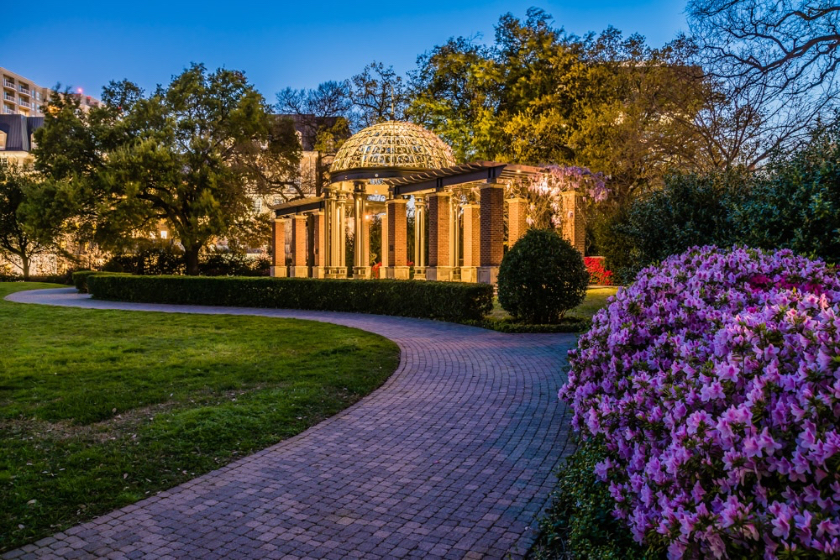
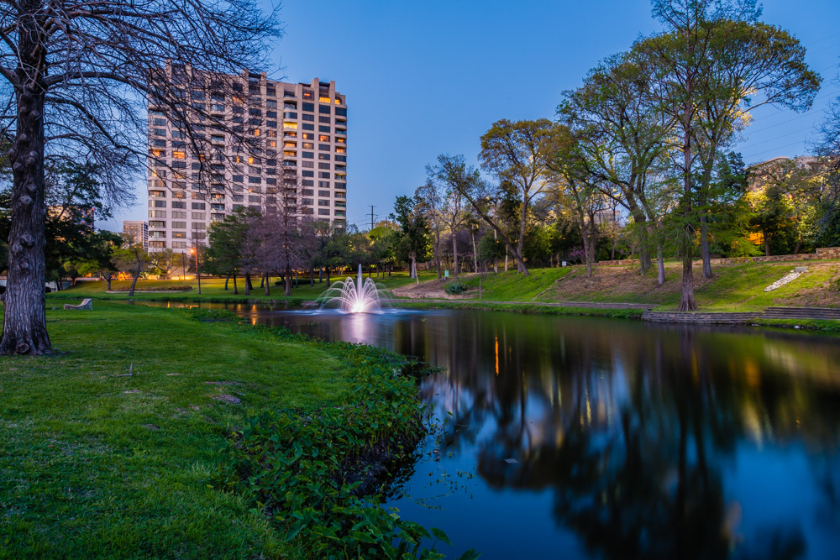
Few places have shaped the identity of a Dallas neighborhood quite like Turtle Creek Park. Before the surrounding high-rises and residences became part of the Turtle Creek skyline, the winding creek and its tree-filled landscape were already drawing people to the area. More than a century later, the park remains one of Dallas’ defining public spaces.
Today, more than 44,000 people live and work within a one-mile radius of Turtle Creek Park, underscoring its importance as both a neighborhood destination and a treasured public green space.
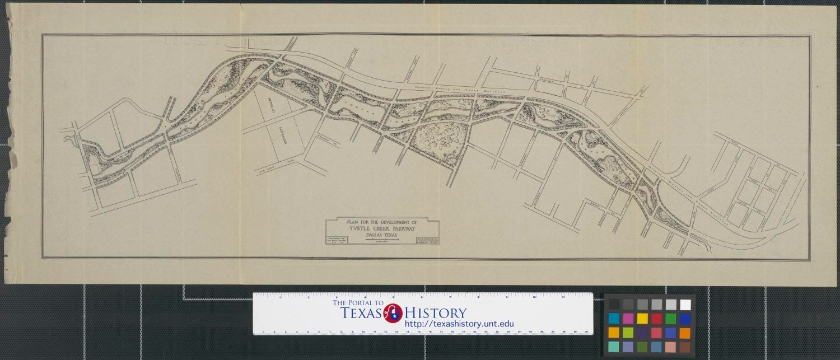
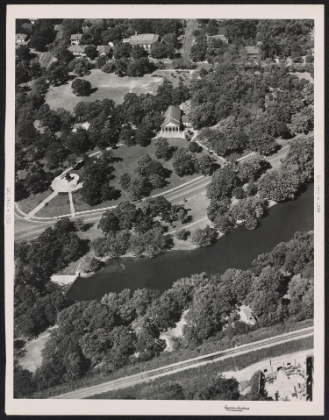
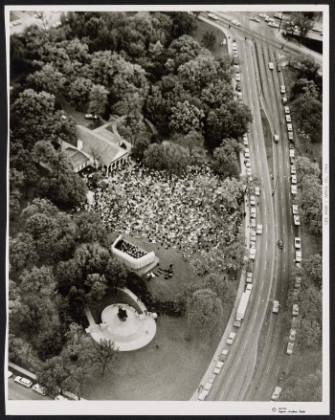
The land has served as a park since 1892, initially as a privately operated gathering place. In 1903, the Dallas Consolidated Electric Street Railway Company purchased the property and helped establish Oak Lawn Park, which visitors could reach from downtown by streetcar. The City of Dallas purchased the park in 1909, securing the land as a public space during a period of rapid growth.
During the early 1900s, city planner George E. Kessler incorporated Turtle Creek into Dallas’ developing park and boulevard system. His vision recognized that the creek, roadways, and surrounding landscape had the potential to complement one another, creating a corridor that balanced nature with thoughtful urban planning. More than a century later, that vision continues to influence the character of the Turtle Creek neighborhood.
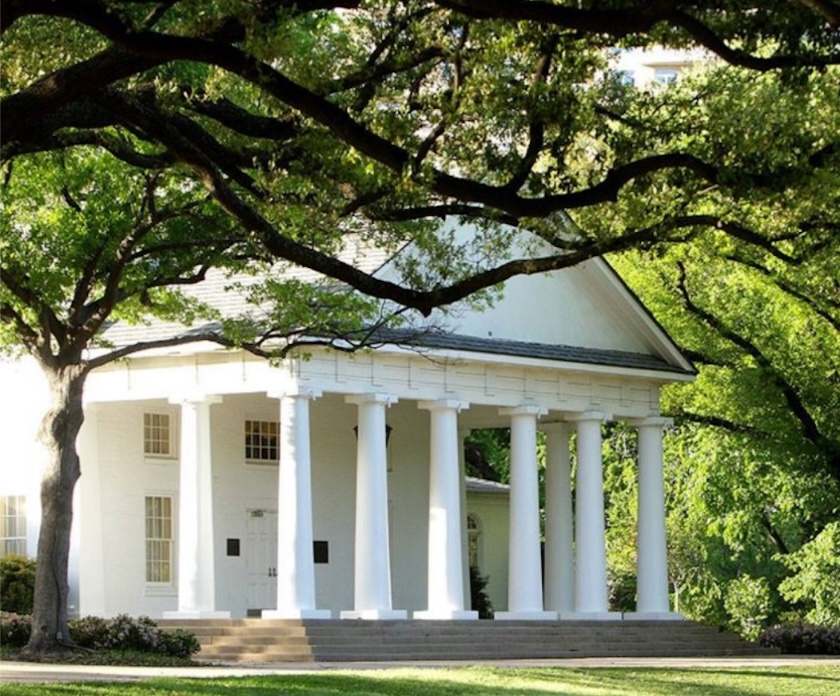
Arlington Hall was constructed in 1939 as a field house for park visitors. Designed by Dallas architect Mark Lemmon, the building is a three-quarter-scale replica of the Arlington House at Arlington National Cemetery. Designed in the Greek Revival style and inspired by the architecture of Mount Vernon, it was a gathering place for the community, hosting USO dances and Red Cross blood drives during World War II. Over time, it developed into one of the area’s most recognizable landmarks and remains closely connected to the park’s civic and social history.
The neighborhood has changed considerably since those early years, but Turtle Creek Park continues to provide something increasingly valuable in a growing city. These three-city blocks connect the Turtle Creek corridor, Uptown, and Oak Lawn, offering room for walking, gathering, recreation, and time outdoors.
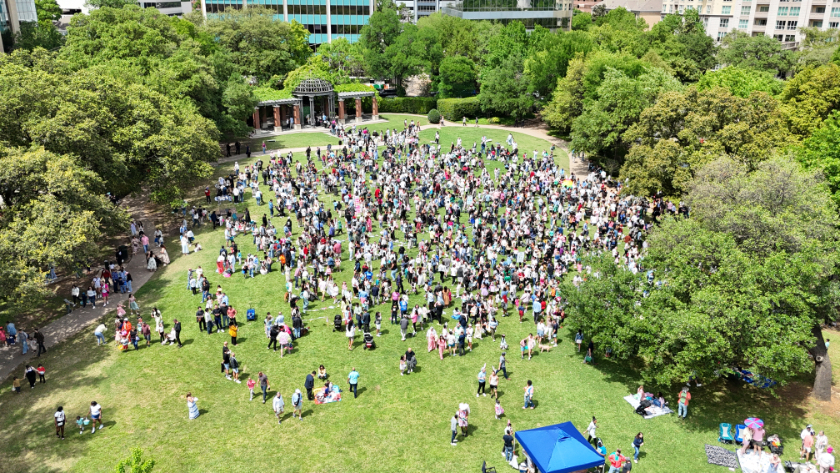
Turtle Creek Park has also remained a community gathering place. Easter welcomes thousands of families to the park each spring, while volunteer projects, educational programs, and seasonal events bring residents and visitors together throughout the year. On any given day, people can be found walking beneath the canopy of mature trees, visiting the gardens, enjoying the Cedar Springs Cascade Waterfall, or relaxing at the award-winning Allie Beth and Pierce Allman Family Pavilion, the first permanent structure added to Turtle Creek Park since Arlington Hall was completed in 1939.
Today, The Conservancy at Turtle Creek Park partners with the City of Dallas through a unique public-private stewardship agreement to preserve and enhance Turtle Creek Park and Arlington Hall. Modeled after the successful Central Park Conservancy in New York City, this partnership demonstrates how nonprofit stewardship and municipal support can work together to care for one of Dallas’ most iconic public spaces. Supported by members, donors, volunteers, foundations, and community partners, the Conservancy invests in ongoing landscape restoration, tree maintenance, infrastructure improvements, bridge beautification, security, trash remediation, and the preservation of the park’s historic features.
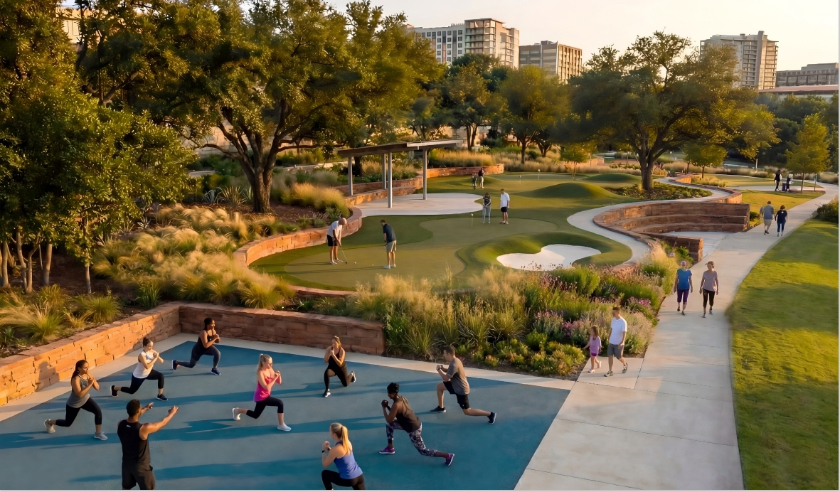
The next chapter in Turtle Creek Park’s history will begin on the East Parcel with the planned National Fitness Court Studio®, developed in partnership with Blue Cross and Blue Shield of Texas. Once completed, it will be the first publicly accessible National Fitness Court Studio® in a Dallas public park. It will serve as the catalyst project for “Turtle Creek for Good,” The Conservancy at Turtle Creek Park’s upcoming capital campaign. Future improvements to the East Parcel also include a planned Infinity Golf course, creating an additional recreational amenity designed to welcome visitors of all ages and abilities while expanding opportunities for outdoor activity and community engagement.
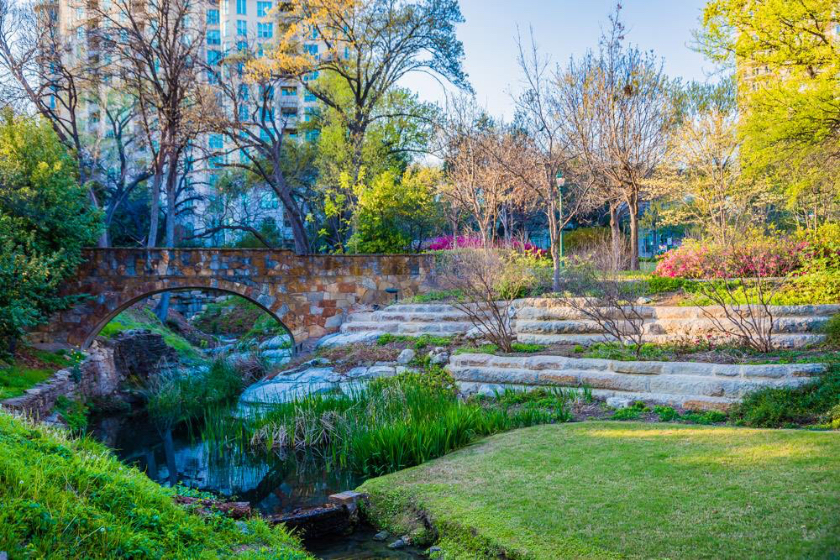
Turtle Creek for Good is an investment in the future of Turtle Creek Park. The campaign will activate the park’s South Parcel while establishing a permanent endowment to provide long-term care for the park’s 20-acre green space. By preserving the park’s historic character, enhancing its landscapes, and investing in its long-term stewardship, the campaign will help ensure that Turtle Creek Park continues to define one of Dallas’ most beloved neighborhoods for generations to come.
Adam Murphy is a Dallas Realtor with Dave Perry-Miller Real Estate. He specializes in urban neighborhoods, luxury properties, and strategic representation for buyers and sellers. He also serves on the executive board of the Turtle Creek Conservancy and is the president of the Oak Lawn Committee, where he advocates for thoughtful development, strong neighborhoods, and Dallas’ continued growth.


Excellent article! There’s no other place quite like Turtle Creek. Keep up the good work Adam and everyone at the TCC!
Fabulous article Adam! Thank you.
Adam-
One word for you…AWESOME!!
Thank you for all you do to support the place we call home.
Tammy