
‘Traveling’ Housing Finance Corp. Projects Could Take $1 Billion Off Dallas Tax Rolls
Share News:

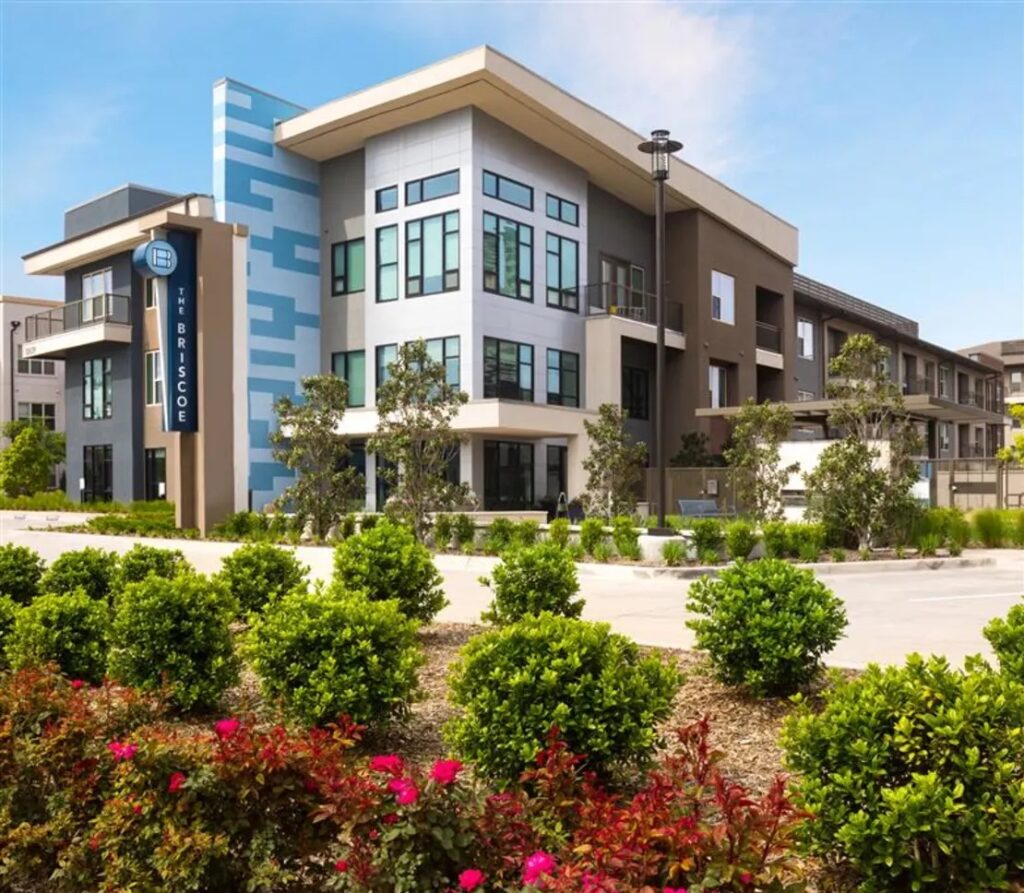
In between debates over school vouchers and immigration policies, the Texas Legislature could address this session a little-known but potentially dangerous initiative of “traveling Housing Finance Corporation projects” that experts say could erode the Dallas tax base while undermining the integrity of the HFC programs that have delivered thousands of affordable housing units locally.
The Dallas HFC provides tax-exempt mortgage revenue bonds and other support for the acquisition, construction, or substantial rehabilitation of multifamily housing. Developments facilitated by DHFC financing provide housing for individuals and families earning 60% or below the area median family income.
However, traveling HFCs — those operating outside their home jurisdictions — have been exploiting loopholes in the system to remove high-value properties from local tax rolls without ensuring meaningful affordability benefits. These deals bypass local review and often provide no public oversight, critics say.
HFCs versus PFCs
Though HFCs are occasionally conflated with Public Facility Corp. projects, they’re different, and HFCs are generally held in higher regard.
The Dallas PFC seeks to develop and preserve mixed-income workforce housing communities to serve residents earning at or below 80% of the area median income as well as provide non-income restricted units.
The projects are highly scrutinized because they are taken off the tax rolls, often for up to 75 years, in exchange for a percentage of affordable units. Some say that affordable housing couldn’t be built without the tax incentive; others argue that just a few “affordable” units are provided in some cases and they’re not hitting the “deeply affordable” bracket that PFCs were designed to target.
Since its inception in June 2020, the Dallas Public Facility Corp. has brought in $3.8 million and the Housing Finance Corp. has revenues totaling $23.6 million. Those dollars will ultimately be funneled toward affordable housing needs in Dallas.
Back to traveling HFCs.
A multifamily developer who has successfully used the PFC structure in three counties including Dallas brought the matter of “traveling HFCs” to our attention and also shared it with Dallas city administrators and council members. The developer asked not to be quoted in this story.
“Over the next six months, more than $1 billion worth of properties could be removed from Dallas County’s tax rolls — without any notification, input, or consent from local leadership,” the developer wrote in an email to council members. “This alarming trend is driven by traveling Housing Finance Corporations (HFCs), which exploit legal loopholes to erode our tax base while undermining the integrity of the HFC/PFC programs you’ve long championed.”
The Houston Chronicle reported that the traveling HFC tax loophole helps local governments profit. Late last year, The Promote broke the story that Freddie Mac halted new deals under the HFC structure and has taken a statewide lead in reporting on this topic. According to research provided to CandysDirt.com, traveling HFCs have removed approximately $360 million in property value from Dallas County’s tax rolls over the past two years, impacting schools, infrastructure, and public services.
“The pace of these deals is accelerating, with Pecos HFC, Pleasanton HFC, and others aggressively marketing to brokers and developers in Dallas County,” the research shows. “Projections indicate that over $1 billion in deals could close in the next five months alone, compounding the impact on local revenues.”
Legislation Governing HFCs
Texas House Bill 21, authored by Republican Gary Gates, and Senate Bill 867, authored by Republican Paul Bettencourt, propose to rewrite the rules governing HFCs.
“While this is a welcome development, it has also created urgency for these bad actors to cram through as many deals as possible before the new rules take effect,” critics have said.

The proposed legislation is on the radar at the Dallas City Council level.
“As you know the state legislature addressed this issue last session for PFCs, but it has not yet been addressed in the HFC legislation,” Interim Assistant City Manager Robin Bentley said in a Jan. 7 email to council members. “Our understanding is that a bill is anticipated to fix this issue for HFCs in the upcoming session. The House Committee on Urban Affairs is also seeking an attorney general opinion regarding the ability of HFCs to work outside their incorporating area, which may make the issue moot.”
The Council’s Housing and Homelessness Solutions Committee held a special meeting Tuesday to discuss rewriting the bylaws that govern the PFC and HFC boards.
Councilmember Chad West, who has championed the majority of Dallas’ PFC and HFC projects, shared suggestions from stakeholders including the following:
- Halting Dallas Central Appraisal District pre-determination letters: Preventing these letters would increase scrutiny on pending deals and signal that these transactions will not go unchecked.
- Seeking an injunction: Temporarily halting all traveling HFC transactions until the new legislation is in place would mitigate further damage.
- Raising public awareness: Transparency and coverage of this issue can help drive accountability and encourage legislative action.
- Forming a coalition of the City of Dallas, Dallas County, and the Real Estate Council (TREC) to work with Texas legislators to ensure HFC reform passes in the 2025 session.
PFC and HFC Bylaws
Dallas council members agreed in October that the bylaws governing the two housing finance corporations must be revisited. A majority of council members agreed that the projects should not be halted while the bylaws are being reworked.
City staff responded by introducing 24 policy recommendations on Tuesday’s HHS Committee agenda. The item was originally scheduled for a vote, but HHS Chair Jesse Moreno changed the agenda item from “action” to “discussion.”

“I wanted to make sure that we had plenty of time for our partners and our developers to be able to really grasp the recommendations,” Moreno said. “I am going to ask council members [and] stakeholders to send me any thoughts, questions, and suggestions. We will then compile that and forward it to staff to allow them to respond and at a future meeting we will propose a time for a potential vote. At that meeting, if we are not where I think we need to be, we will potentially open it up for a public comment segment.”
West said in his Sunday newsletter that the council needs more time to get the input of the HFC and PFC boards and other stakeholders “before I can provide any thoughtful suggestions or propose amendments.”
Carl Anderson of Larkspur Capital, which has developed PFC projects throughout Dallas, expressed concerns about the staff proposal, saying, “At first glance, the recommendations will effectively kill these programs.”

Housing Director Cynthia Rogers-Ellickson said Tuesday the policy governing PFCs and HFCs is challenging because her team is responsible for providing affordable housing. The recommendations are a “first draft,” she explained, and committee members agreed they could offer feedback and tighten up some of the recommendations without getting in the weeds at the committee level.
“Trying to put parameters around opportunities to create affordable housing is very counteractive to what we do in our world every day,” Rogers-Ellickson said. “It has been very difficult to come up with some of these policies because it does limit what we can possibly do in the future.”
Assistant Housing Director Darwin Wade said he’s planning a gathering with developers and stakeholders “in the next few weeks” to get their input.
Watch Tuesday’s Housing and Homelessness Solutions Committee meeting here.







Very well written and informative.
Thanks April, we will be following this closely.
The Rowlett City Council modified the Rowlett HFC Bylaws to restrict multifamily development without Council approval in July of 2023. Unfortunately, these “traveling HFCs” have invaded and have already made deals to remove about 2.5% or our property tax revenue from taxable status.