
Dallas Built City Hall After a Dark Chapter — Don’t Erase That History
Share News:

By John Clutts
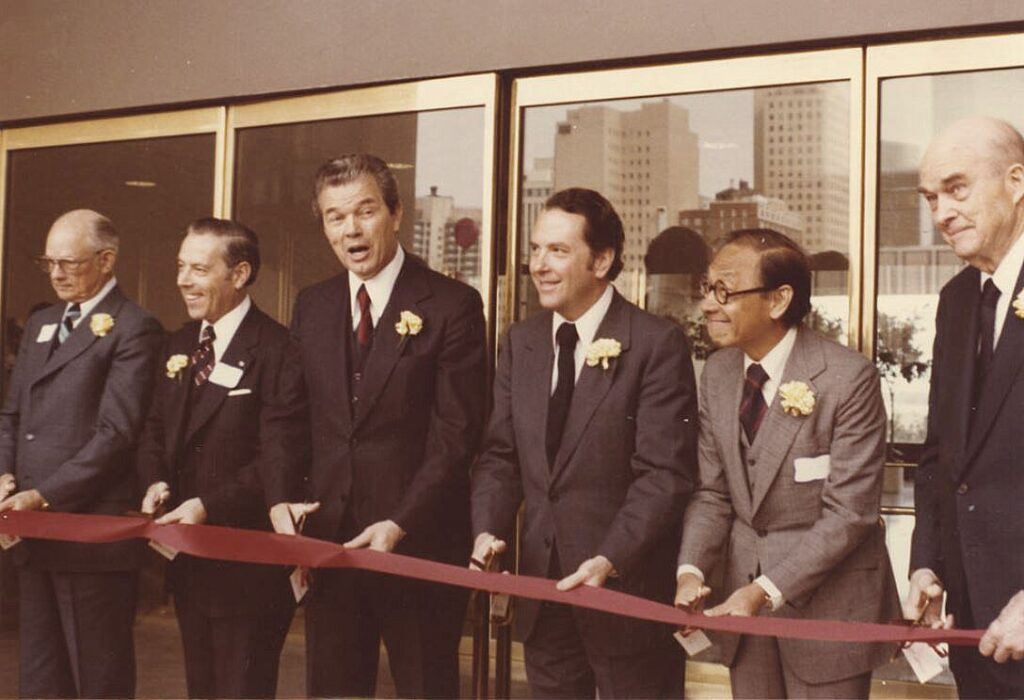
When I tell you that simply going into the parking garage at Dallas City Hall was the most thrilling thing I had ever experienced, I’m not kidding. It was March 1978, just after my 14th birthday. I put on a coat and tie and accompanied my parents to the opening of City Hall.
The scale of the space, the light as we ascended into the hall, even the sound of the car door echoing in the underground. In Texas, we always build on top of things. But this — the ability to construct below the Earth — I was gobsmacked. It was simply thrilling.
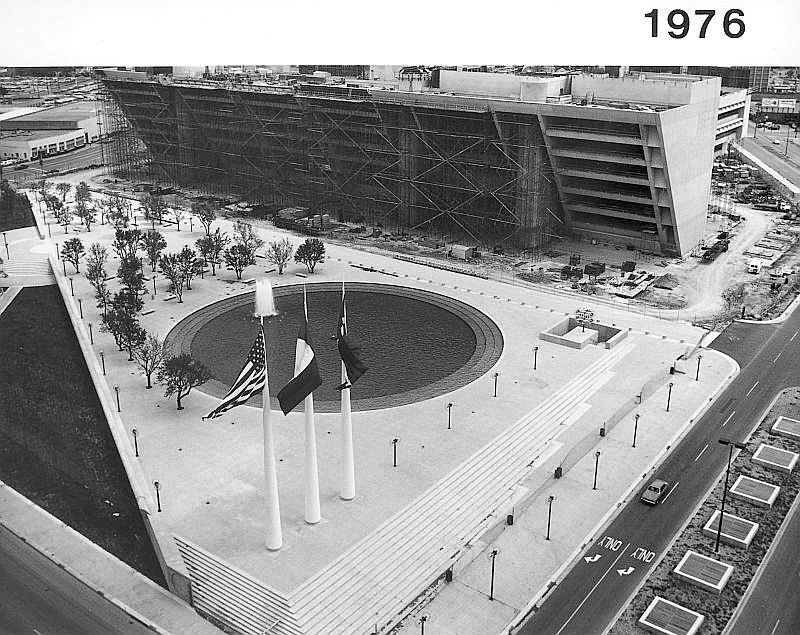
Then we stepped out onto the plaza and the whole vision unfolded: a public gathering space for “we the people.”
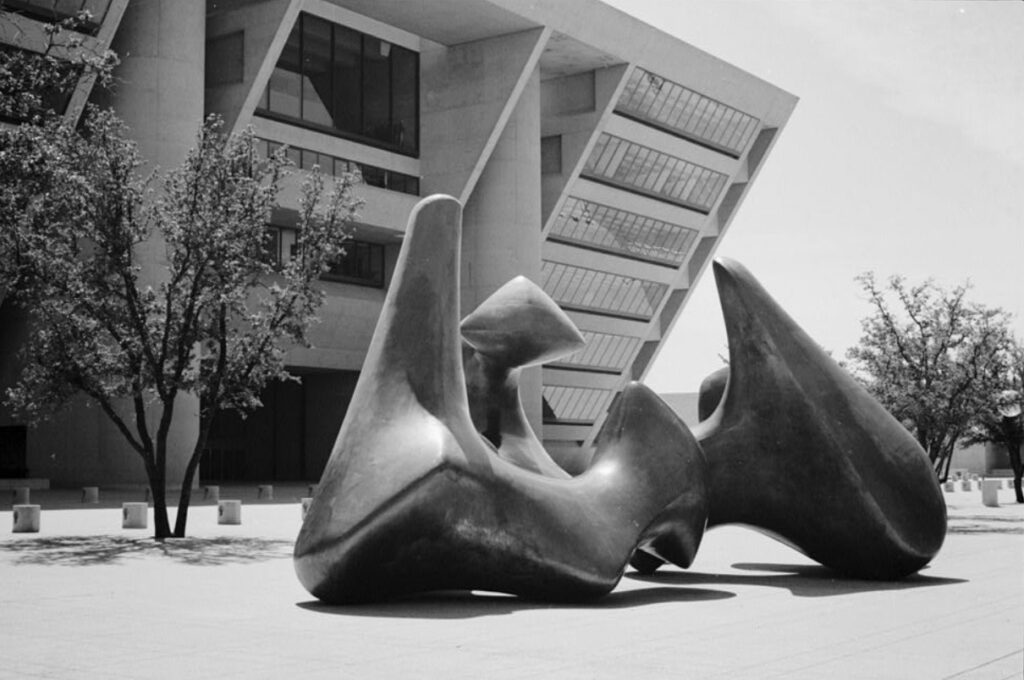
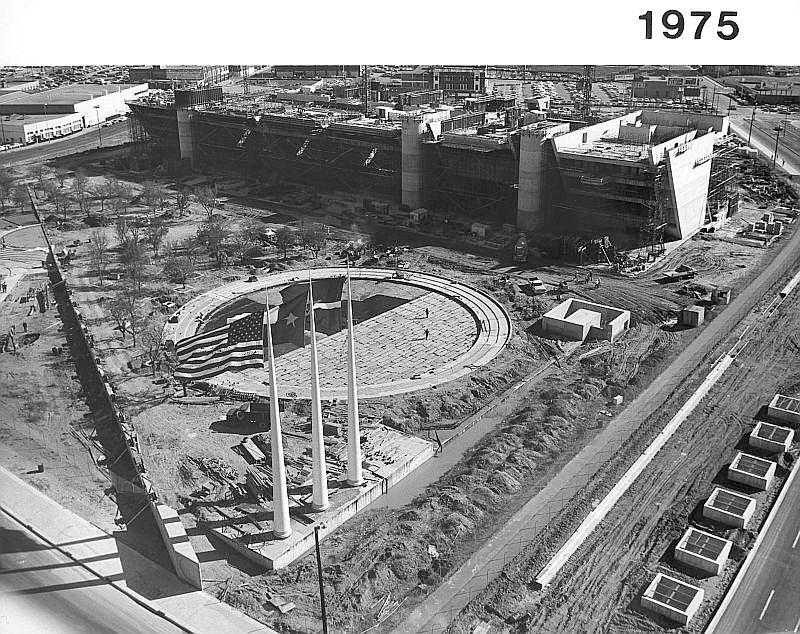
I stood at the foundation of City Hall, the concrete building blocks that reached overhead and out to the citizens, creating a covered front porch with windows that reflected the citizenry. On the expansive plaza, there was a reflecting pool, floating sculpture on the water, and Henry Moore’s Three Forms Vertebrae sculpture, which stood like the skeletal backbone of the city. And though, to a 14-year-old boy awed on opening day, I thought the forms were Henry Moore’s bones, the massive sculpture gave me a visceral attachment to my city on a monumental scale.
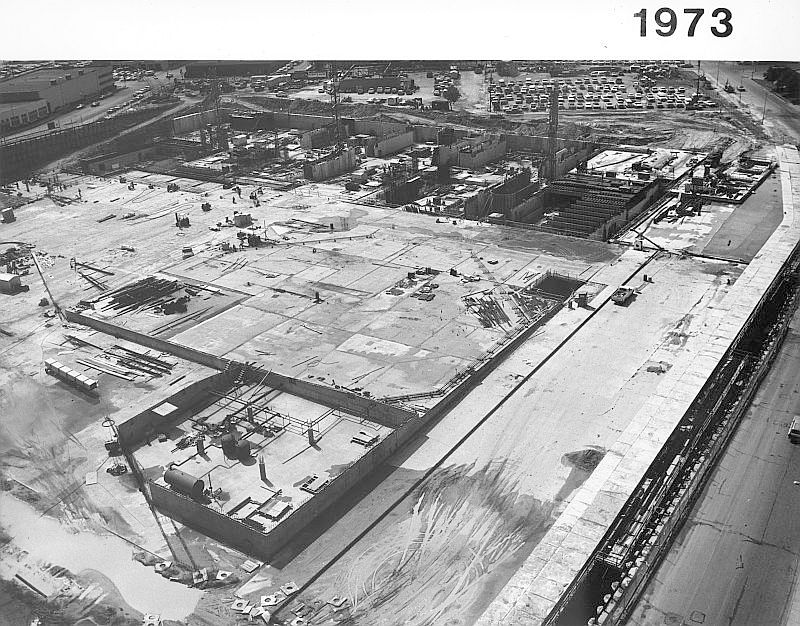
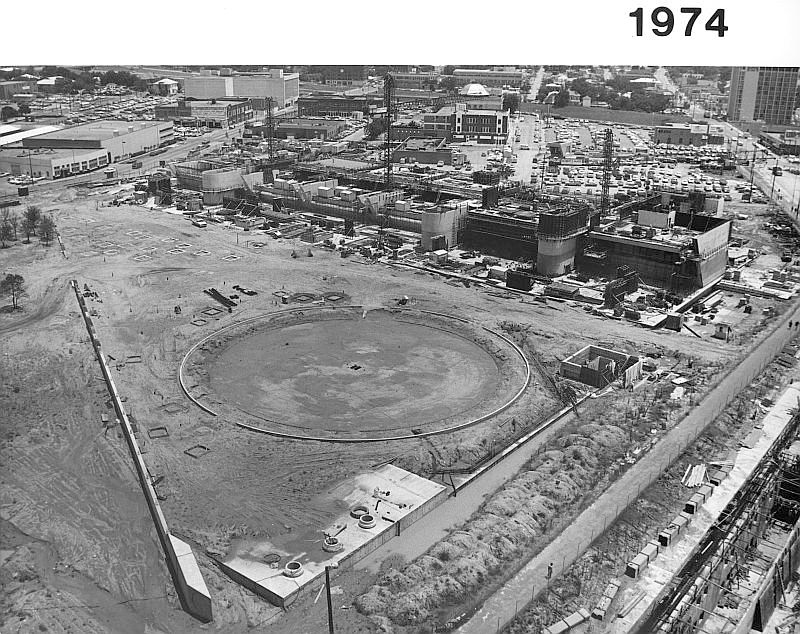
After more than a decade of conversation about civic architecture and design — some of which I heard around our dining table as my own familial civics lesson — Dallas City Hall was born.
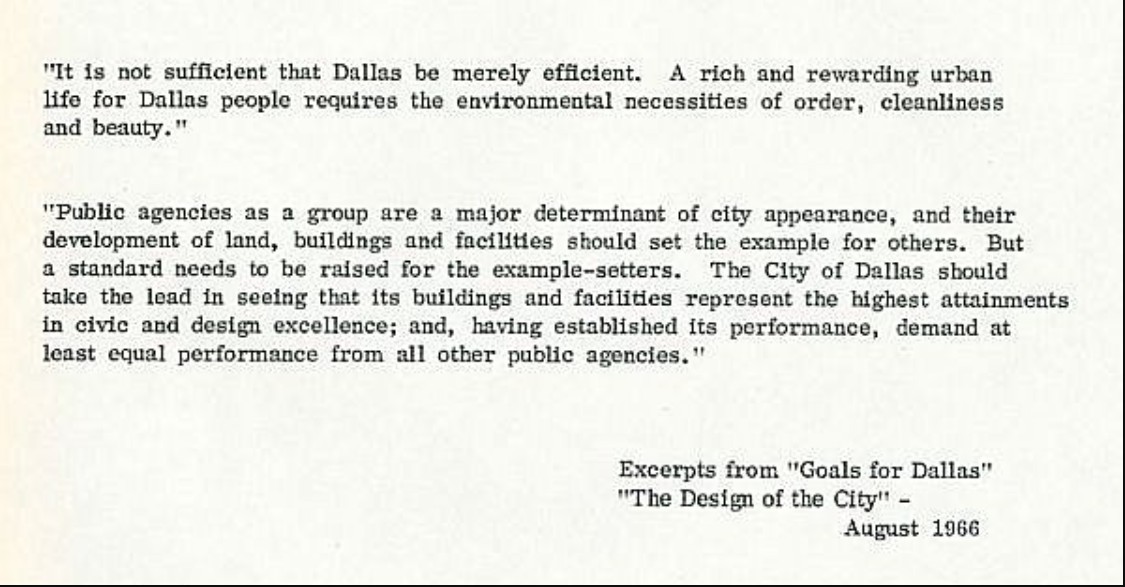
But it was born as a civic response to the grief of our origin story, the city that killed the president. After the assassination of President John F. Kennedy in 1963, Dallas was grappling with a new reality and needed a modern genesis. Under the leadership of Mayor J. Erik Jonsson, the city came together for “Goals for Dallas,” a civic roadmap for getting Dallas back on track as a truly modern city.
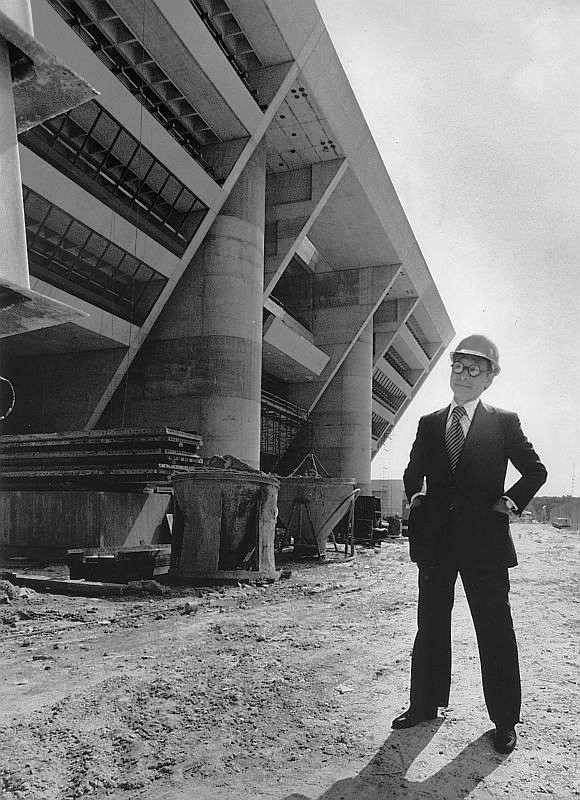
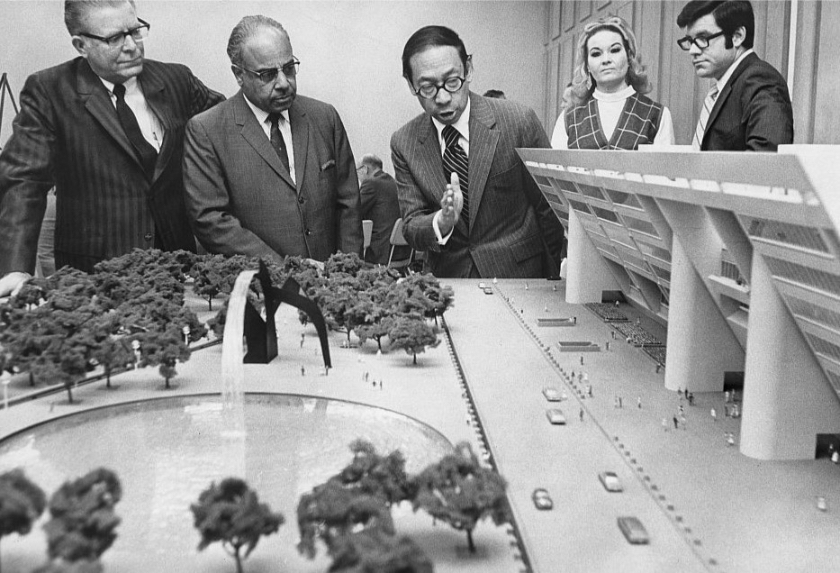
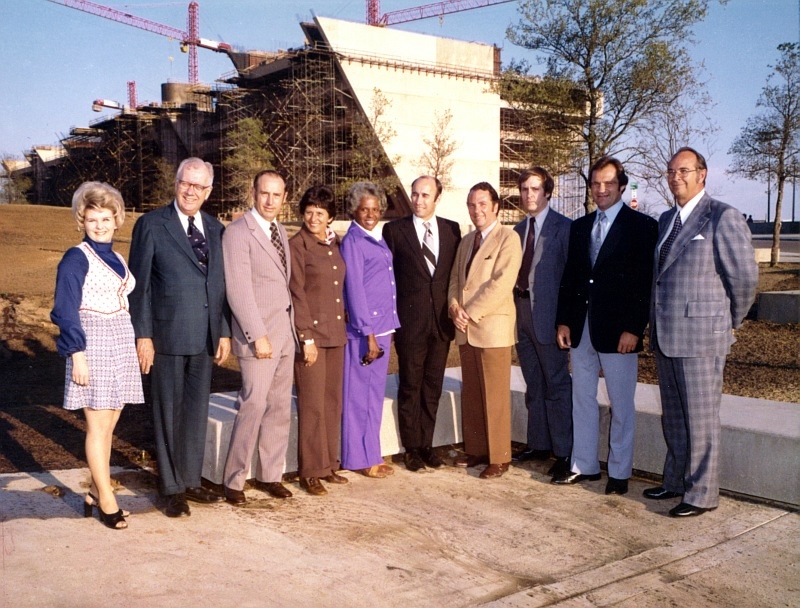
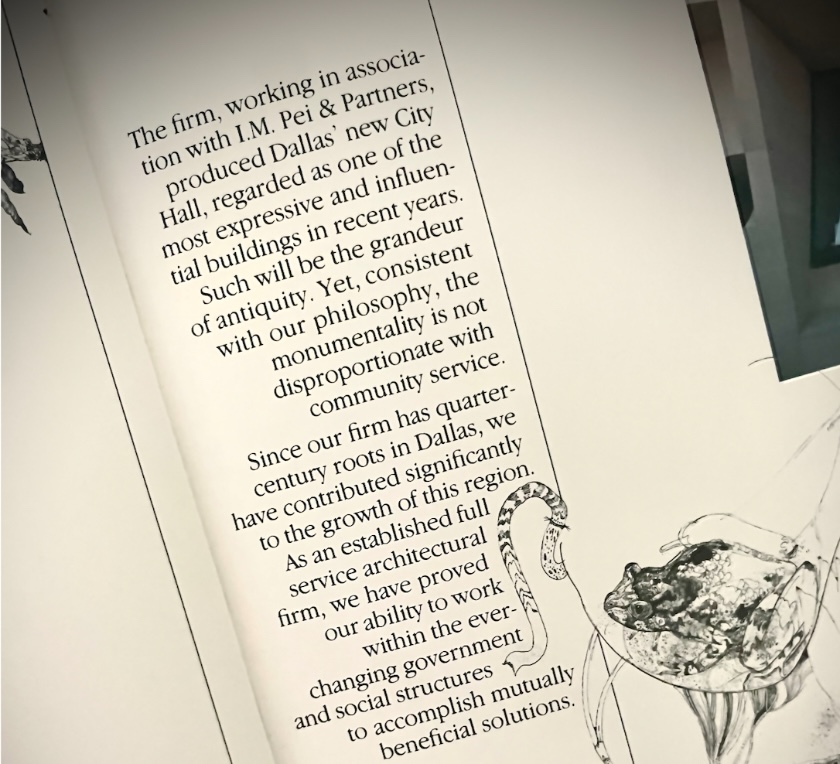
The city made an intentional decision to select an internationally renowned architect for the project: I.M. Pei. His firm worked in association with local architects, including my father James Clutts; Harris Kemp, a tall, suit-and-fedora kind of fellow with George Dahl roots; and Terrell Harper, a kind elder statesman who, to my young eyes, resembled a dapper Colonel Sanders.
Their collaboration represented the Dallas way — a push and pull between civic needs, duties, and aspirations, shaped by a city that believed business thinking could coexist with civic responsibility. That partnership and business-like approach continues to inform our approach today.

This is one battle I never foresaw. So here I sit, the “old man of the theater” with my stories — and a strong desire to yell, what the hell are we doing?
I see now how our “business-like — business-first” mentality has developed a stranglehold on the culture of our city. Rather than informing, guiding, and partnering, our obsession with business threatens the physical manifestation of who we are as a city. Are we a truly modern city or a disposable one?
My heart breaks for all the blood, sweat, and tears — from families, city leaders, citizens, community builders, Republicans and Democrats alike — who appealed to our better angels and created a platform for one of the first Chinese American architects to work in concert with local architects like my dad to create “the grandeur of antiquity.”
And for what? To let it all just slip through our fingers in 48 years — with a wrecking ball (good luck with that, by the way; it’s solid). It’s a kick in the teeth to architects and devotees of architecture who understand how desperately wrongheaded this potentially catastrophic and unredeemable decision would be.
If we need more or different space, the damn thing was designed with a flat back and adjacent land to accommodate expansion. I know, because it was explained to me at our dinner table by my mom and dad when I was a kid.
John Clutts is the president of The Clutts Agency and a longtime Dallas arts advocate.







What a wonderful article explaining the creation and development of the I.M. Pei Dallas City Hall architectural masterpiece
Hopefully the citizens of Dallas will now realize how woefully the many City councils and government entities have failed in managing the cities assets.
Citizen owned buildings need to be maintained and or endowed with maintenance funding to prevent the occurrence of City Councils to have to even consider a vote that occurred yesterday
Amen SAVE CITY HALL MAKE IT NEW AGAIN RIGHT WHERE IT IS
MARILYN SCHAFFER
[email protected] 214.207.5757
Mr. Clutts, thank you so much. I loved this article.
What a great article written with heart felt love for the city of Dallas!! Awesome perspective!! Sad the other 9 council members have no clue or could care less about the significance of city hall!!!! My heart is broken! However, we still need to fight! It isn’t too late!! We fight until the very end!!!!
I worked for D.C. corporate lawyers for years before moving to Texas. On Sundays after church, I would visit the East Building of the National Art Gallery — an I.M. Price architectural genius. Y’all don’t seem to have any clue as to the treasure here in Dallas called City Hall. ANYTHING designed by I.M. Pei is MORE than worth preserving.
The City of Dallas has a habit of not keeping up with proper maintenance and then let it become so costly for renovations, they see the olny solution as a tear down and start over. Yet it just restarts the clock.