
Dallas Architect Ron Wommack, R.I.P
Share News:

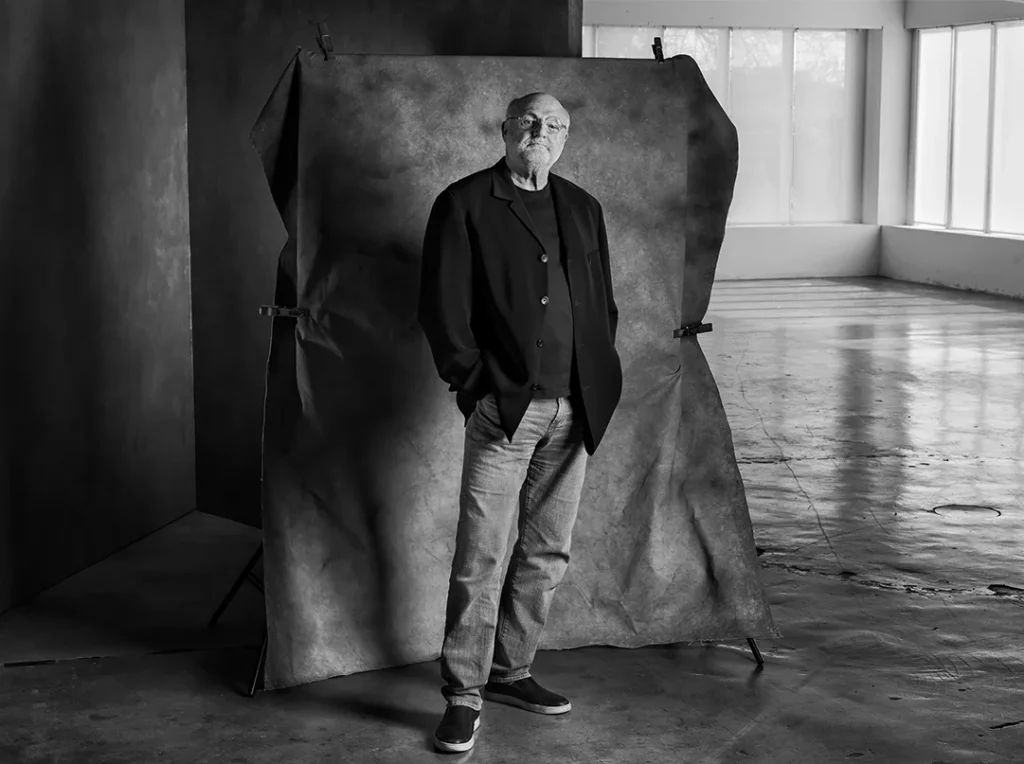
Dallas has lost another one of its most significant architects, Ron Wommack.
Tall and handsome, extremely approachable and down-to-earth, Wommack created an impressive portfolio of contemporary residential designs, including the Mitchell Lofts, Buena Vista Townhomes, and Commerce Street Townhomes. He also designed 4111 Cole Condos, near Fitzhugh and Central Expressway.
The Abilene-native architect died at his Farmers Branch home on June 30 at the age of 73. The cause of death is unknown.
His last words were about architecture, according to his wife, Joylyn Niebes Wommack.
Mark Lamster, Dallas Morning News

Former Dallas Morning News architecture critic David Dillon saw Wommack as one of a small cluster of highly-regarded city architects who helped develop a “genuine architectural culture” in a city that is often accused of having none. Wommack with Max Levy, Gary “Corky” Cunningham, Joe McCall, and Cliff Welch helped shape residential architecture in Dallas.
“This is a huge loss for the Dallas architecture community,” said Nate Eudaly, Dallas Architectural Forum executive director. “He was a brilliant man and a true philosopher.”
In 1990, Wommack established his own architectural firm, launching his dedication to designing softly modern structures with great sensitivity to light and nature. Wommack’s architectural firm was named firm of the year by the Dallas chapter of the American Institute of Architects (AIA) in 2006. For three years prior, Wommack was president of the Dallas Architectural Forum.

Wommack was an Abilene native, though he was born in Fort Worth in 1950. He studied architecture at Texas Tech and later worked/trained under Bud Oglesby and Frank Welch, often called “Texas minimalism masters.” They practiced what Lamster calls “a form of gentle modernism attuned to the traditions and landscape of Texas.” These masters coined a Texas regional architecture style sourcing as many local materials as possible, including native Texas stone.
In his own home Wommack built in 2006 on Douglas Avenue in Oak Lawn, he used glass and concrete blocks to create dual concrete boxes forming a two-car garage on the right, and, on the left, a glass-walled main structure. The structure, only 1,675 square feet, was topped with “a steeply slanting roof of steel pipe columns and slatted beams that cantilevered out on one side, dappling everything underneath in shadows.” Almost every material was sourced in Texas, or at least served a Texas purpose.
Even the German Rheinzink metal used for the home’s exposed skeleton arrived by way of the Granbury, Texas, courthouse, which had just enough of the material left after a renovation.
Mark Lamster, DMN
In 2008, the personal residence won an award from the Dallas chapter of the AIA.
He was most prolific during this decade, working with developer Alan McDonald, a co-founder of GroundFloor and Senior Managing Director at INCAP Fund. McDonald, who successfully developed real estate across the DFW Metroplex, is noted for City Homes company which gentrified Knox Park, upper Uptown, and Oak Lawn.
Working with McDonald, Wommack replaced Class C garden-style apartments in Oak Lawn with rows of crisp modern townhouses. In 1999, the AIA credited Wommack’s projects with spurring a “neighborhood renaissance” in the area.
Wommack was a man who designed homes for people, about people.
“They have a very bright, cheerful countenance,” architect Max Levy, a longtime friend and colleague, told. DMN of those projects. “He didn’t just give them a look. He would bring in light, he would adjust proportions. … They were about people.”





Mr. Wommack will be remembered as a gifted architect known for his timeless Texas Modernist designs and as a genuinely kind man.
Ron inspired many of the greats who design great spaces today. Ron was an inspiration to me when I first moved to Dallas in 2000. He will always be remembered.