
City Hall Roundup: Police Academy Pickle, DOGE, Feeding the Homeless
Share News:

There was plenty to consider at Dallas City Hall this past week. From another problematic real estate project to deciding how to put a check on nonprofits feeding the homeless in public, a number of issues were taken up at the horseshoe that warrant a rehash.
New Police Training Facility Faces Fresh Financial Hurdles
The city is once again struggling with an important real estate matter. Staff informed council members on Wednesday that more than $200 million is needed to fund new police training facilities.
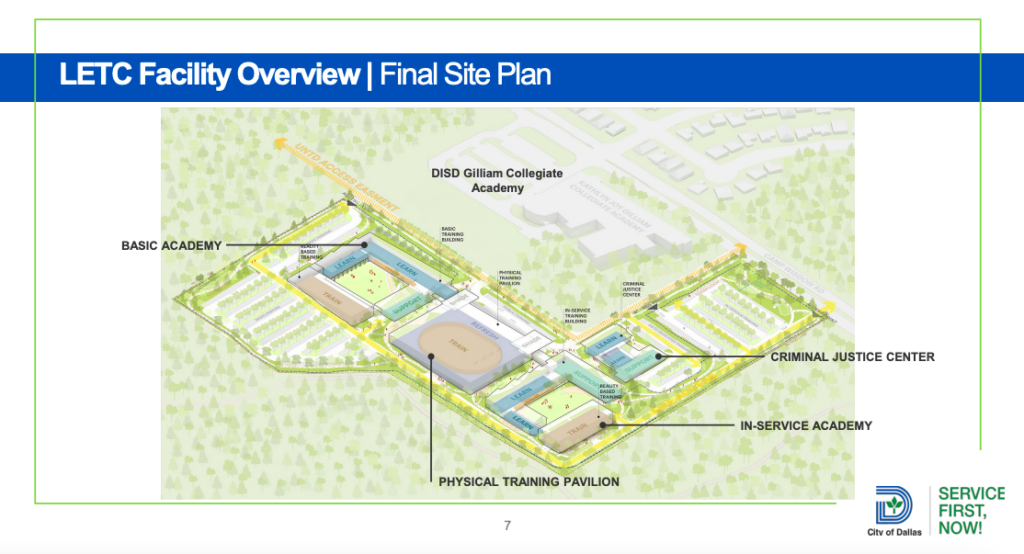
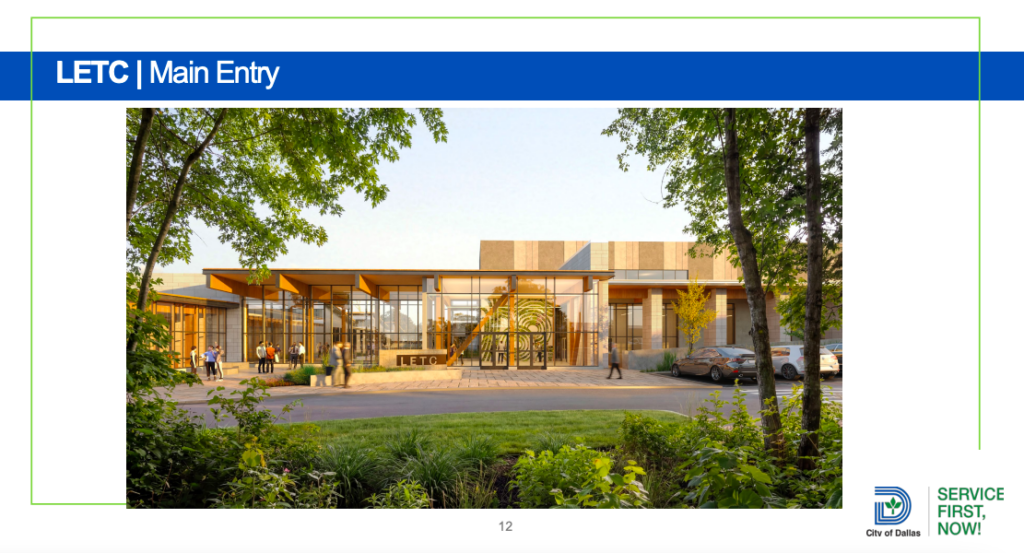
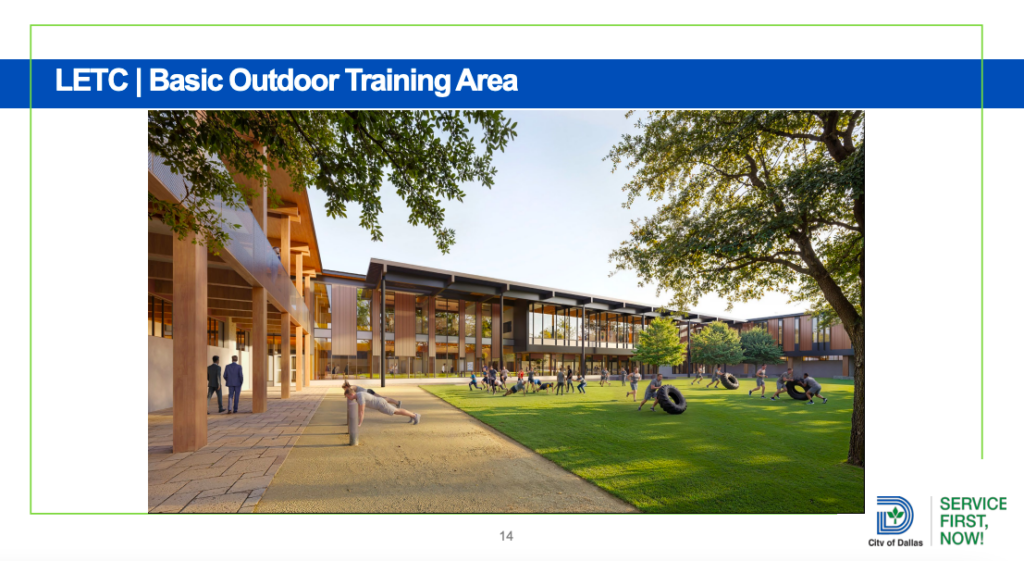
As previously reported by CandysDirt.com, the project was originally estimated to cost $140 million. Voters approved $50 million for it in a bond election in 2024, with grants and fundraising expected to cover the remainder. Last year, the estimate almost doubled to $275 million, and an updated plan called for two buildings: a Law Enforcement Training Center (LETC) at UNT Dallas and a Public Safety Training Complex (PSTC) elsewhere with a shooting range and vehicle pursuit course. Now, projected costs sit at nearly $400 million.
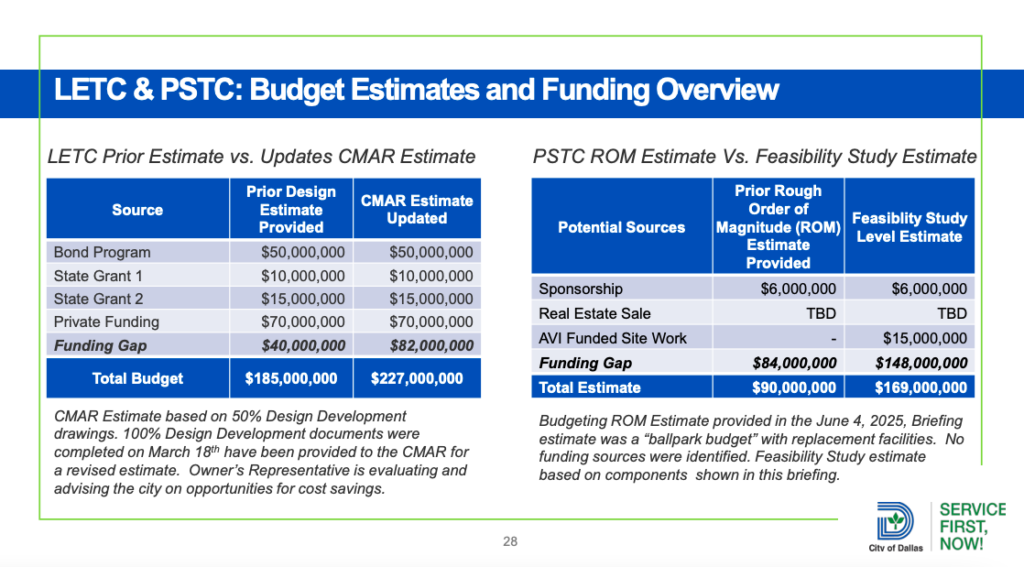
Fundraising efforts and state grants have so far yielded around $96 million, so there’s enough to build something along the lines of what was initially proposed. Fundraising is going to continue, but staff floated a new bond election — potentially this November — to cover some of the gap.
While council members appear to agree on the urgency of delivering a new police academy and training infrastructure, there’s no consensus on the way forward. Some like Council Member Adam Bazaldua (District 7) threw shade at the prospect of going back to voters for more money, others suggested moving forward with the funds on hand, even if it means the facilities don’t come with all the programming and features fleshed out by staff and consultants.
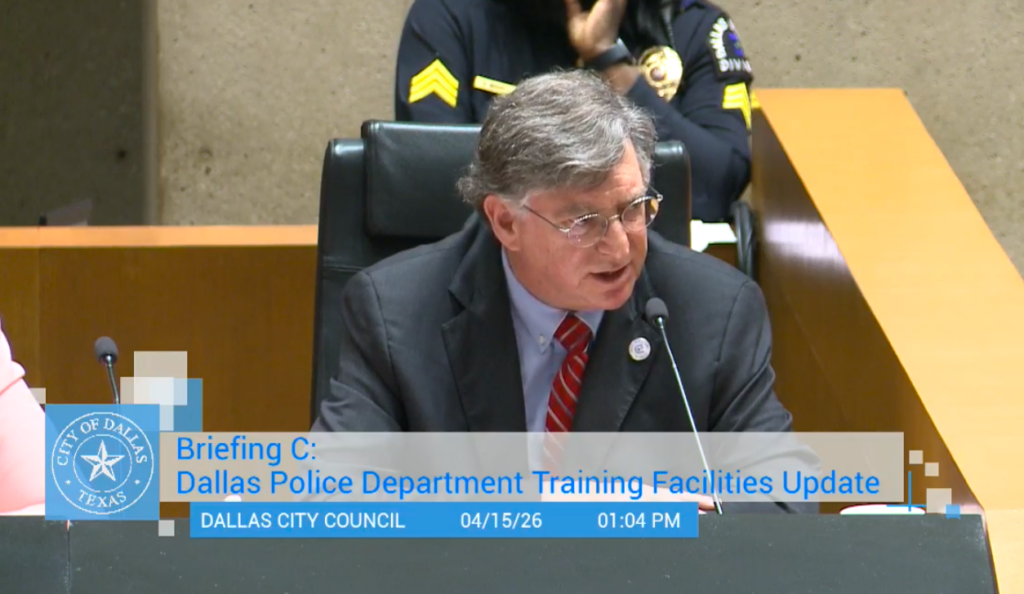
“Our position here needs to be to validate this project, get it started, do what we can do with the funds we have, make a commitment to try to raise the balance, and then focus on trying to figure out a plan for the PSTC,” said Council Member Bill Roth (District 11).
Council Member Cara Mendelsohn (District 12) said she had previously argued that $50 million wasn’t enough in the initial bond discussions, throwing her support behind staff’s proposal for a new bond election.
“Now is the time to correct that. We need that money, and we need it to complete this project,” she said. “The project was originally imagined to be one site with one cost. We all sat through the presentation where it was being divided into two. I wasn’t for that. But here’s where we’re at, and we have to have the things that are in the second location.”
Staff revealed a proposed site for the PSTC, which had caught Council Member Zarin Gracey (District 3) off guard since it’s in his district. He was not pleased, having only been briefed the Friday before. The northeast corner of Dallas Executive Airport was determined to be the only viable site.
“If I’m planning something, I try to loop you all in early because if you all are working on something and it conflicts, I want us to be able to work through that,” Gracey said. “I’m asking and demanding that same level of respect, professional courtesy. Y’all didn’t do that.”
Staff apologized for the lack of communication.
City Manager Kimberly Tolbert said another briefing on the project will be scheduled for June but that decisions will need to be made so things can move forward. The city wants to break ground on the LETC in September so it could be finished in 2028.
“There is strong momentum moving this project forward, and once it is finished, our City will realize enormous benefits, such as improved police recruiting and a police force trained in state-of-the-art operations,” Tolbert said in a news release following the briefing. “The new training curriculum, developed in partnership with UNT Dallas, will ensure that our officers are skilled in community policing, as well as effective crime reduction methods.”
Share Your Thoughts on the Future of Dallas City Hall
Council Members Paula Blackmon (District 9) and Paul Ridley (District 14) will be hosting a listening session on the fate of 1500 Marilla St. on Tuesday. The public town hall event will run 6-7 p.m. at the Latino Cultural Center at 2600 Live Oak St.
Both council members are firmly in the Save City Hall camp, which has decried the purportedly speedy and less than transparent process that has led to officials deciding whether City Hall is worth repairing or redeveloping.

The public town hall comes amid an open call for concepts and ideas for what to do with the site, despite widespread speculation that staff, consultants, and some council members are already in the bag for the Dallas Mavericks, who are scouting for a place to build a new arena. Sure enough, one of the concepts and ideas being submitted will be the franchise’s vision for a 50-acre entertainment district anchored by a sports arena.
“No decisions have been made at this time,” the city insists on its solicitation website. “We are inviting the public to hear their ideas and see creative concepts from residents and community members to help guide upcoming decisions so that City Hall and nearby City-owned property can best serve Dallas now and in the years ahead. The feedback will help ensure a broad and representative range of ideas are brought forward and considered for future discussions.”
The deadline for submissions is May 3.
Dallas DOGE Sets Its Sights on Stipends, Partnerships
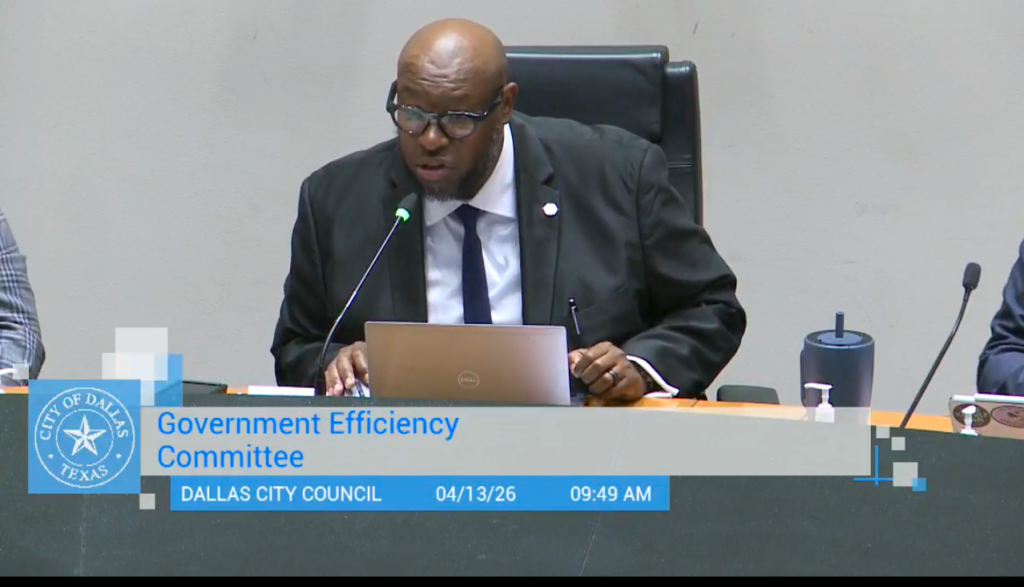
With hard budget decisions on the horizon, officials on the Government Efficiency Committee met on Monday to get a sense of what the city is spending on outside partnerships and stipends.
All this spending is supposed to advance a public purpose, with many stipends going to nonprofits and businesses that provide certain services on the city’s behalf. Concerns have been raised, however, about some of this taxpayer money going out without some kind of contractual agreement.
Staff outlined some $67 million worth of examples of stipends, in-kind support, facility use arrangements, management agreements, and service contracts across city departments. In many cases, such partnerships bring specialized expertise or capacity that the city doesn’t maintain. Still, budgeting priorities are prompting officials to take a closer look at where taxpayer dollars are going.
“When we start cutting, there’s going to be some pushback,” said Council Member Maxie Johnson (District 4), chair of the committee. “That normally happens, but we need to be transparent at the same time if we’re what I call ‘being more conservative,’ knowing what’s going on with our budget and the dilemma that we may be in.”
Examples provided by staff included forensic lab services, childcare support for low-income working parents, day shelter services, zoo maintenance, project-based funding for artists, and youth development programming, among others.
Council members on the committee asked staff to get together a more comprehensive list of such expenditures for review.
Churches, Nonprofits Might Need a Permit To Feed the Hungry
Council members are in the middle of a debate over how the city should go about trying to mitigate the unintended consequences of groups and individuals distributing free food in public places to people experiencing homelessness.
Staff has proposed requiring a special permit to engage in such activity since the city code doesn’t currently contain safety standards for street vendors distributing food. The measure would essentially treat churches and nonprofits feeding the homeless like regulated food vendors by imposing requirements around food safety, sanitation, and event oversight.
Efforts to feed the homeless outdoors, particularly downtown, have resulted in the production of quite a bit of litter, with sometimes hundreds of people accepting food from charitable groups in a single area.
There are concerns, however, over whether the proposed ordinance is overly broad. Feeding the hungry is a core religious practice for some faiths, and requiring permits could expose the city to legal challenges under state and federal protections. Some council members also question whether there’s any real evidence of a public health problem related to the food distribution, noting the city hasn’t documented outbreaks tied to such efforts.
Council members are expected to revisit the issue on Wednesday and potentially revise it before a final vote.