
EXCLUSIVE: Paul Ridley Says City Is Ignoring Opponents’ Digital Kiosk Input
Share News:

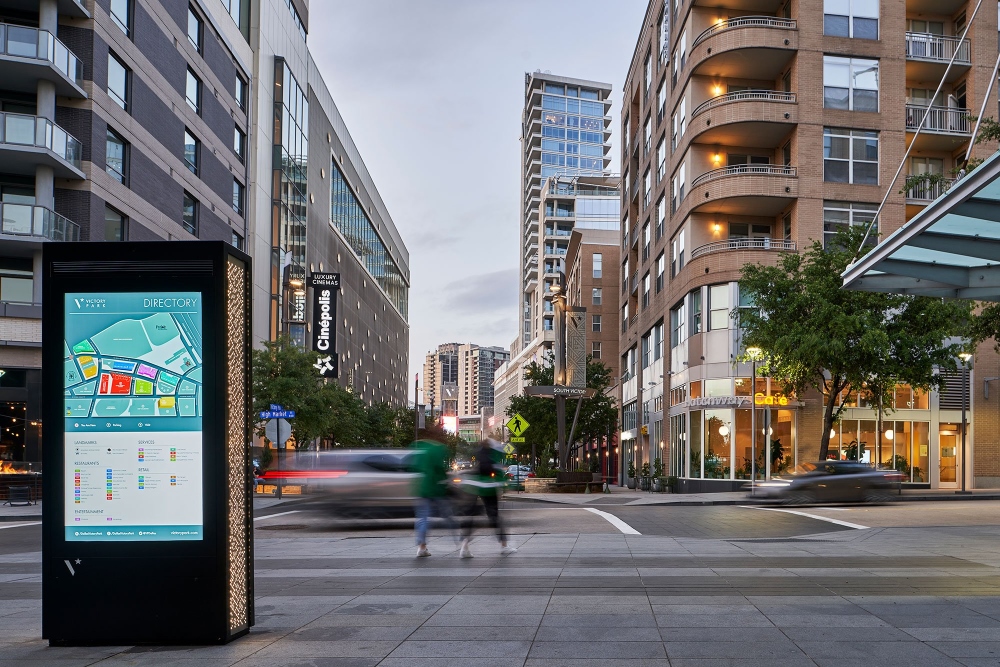
It was clear that Downtown Dallas Councilmember Paul Ridley wasn’t happy during last week’s public hearing on digital kiosks.
At a Dec. 4 City Council meeting, elected officials heard from several business owners adamantly opposed to adding more than 100 electronic kiosks to already obstructed sidewalks for just an estimated few million dollars in revenue.
A majority of the council wanted to proceed, citing the potential revenue source, with just Ridley and Far North Dallas Councilmember Cara Mendelsohn saying no way.

CandysDirt.com spoke exclusively to Ridley on Monday about staff’s proposal — which Interim City Manager Kimberly Bizor Tolbert said was driven by Council support — and said it appeared there was an effort to push the matter through without hearing from the opposition or acknowledging their concerns.
During last week’s council meeting, Ridley moved to hear from the public before the matter was briefed, and his colleagues shot him down. More than 20 neighborhood associations and businesses oppose digital kiosks, including the Oak Lawn Committee, Lower Greenville Neighborhood Assoc., Downtown Dallas Inc., The Real Estate Council, Klyde Warren Park, Uptown Dallas Inc., Better Block, and the McKinney Avenue Transit Authority.
“It reads like a Who’s Who of downtown business people who have invested millions of dollars in downtown, and their input wasn’t considered or respected,” Ridley said of a letter submitted by many of those community leaders.
Voters narrowly approved in November a charter amendment that waives governmental immunity and would allow any resident to sue the city if they think it is not complying with the charter, ordinances, and state law.
In theory, that means a City of Dallas sanitation worker can be sued for not picking up a resident’s trash on time.
“I think [the election results] sent a strong message that citizens are concerned about the accountability of their elected leaders on the City Council and want to subject them to lawsuits to make them more accountable,” Ridley said. “We didn’t learn a lesson from that here.”
Dallas already has a contract for 137 “static,” non-electronic kiosks, and it would cost about $1 million to get rid of them before the contract expires in 2028. Most of those static structures are in Ridley’s District 14 and many are not in compliance with the American Disabilities Act, he said.
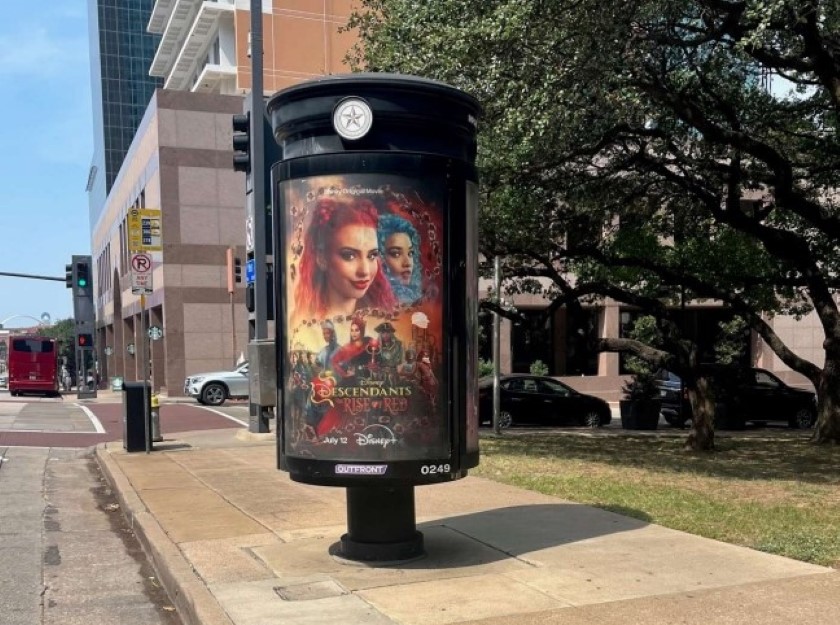
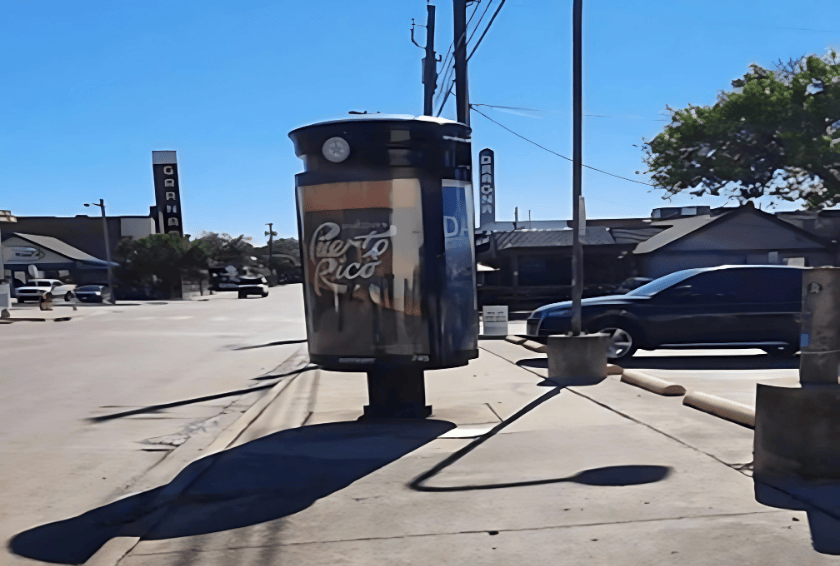
“We haven’t done anything to bring them into compliance,” Ridley said. “If we’re going to leave them in place — and it would be very expensive to buy out of our contract — then it’s going to be worsening the situation that we already have if we put in these new digital kiosks.”
City staff is expected to bring the matter back before Council in June at the earliest before issuing a request for proposals. The digital kiosks could net about $3 million annually, but depending on the terms and conditions of the proposal, the revenue could significantly lower, Ridley said. Discussion around the horseshoe last week revolved around using the revenue for sidewalk improvements, which Ridley said is counterproductive.
“It’s a bad choice for our most densely populated areas,” he said. “First of all, they obstruct sidewalks. We have very narrow sidewalks in much of downtown and Uptown, which are the areas with the highest pedestrian counts on our sidewalks.”
Council Feedback on Digital Kiosks
Councilmember Jaynie Schultz suggested that she’d support adding kiosks in neighborhoods where they are wanted and in areas where they might be useful such as the Kay Bailey Hutchison Convention Center Dallas.
The digital devices could offer free WiFi but Ridley said cell phones do the same and that’s not a reason to put an obtrusive structure in the middle of a sidewalk.
“We talk so much about wanting our city and yet this is just taking a step backward,” he said.
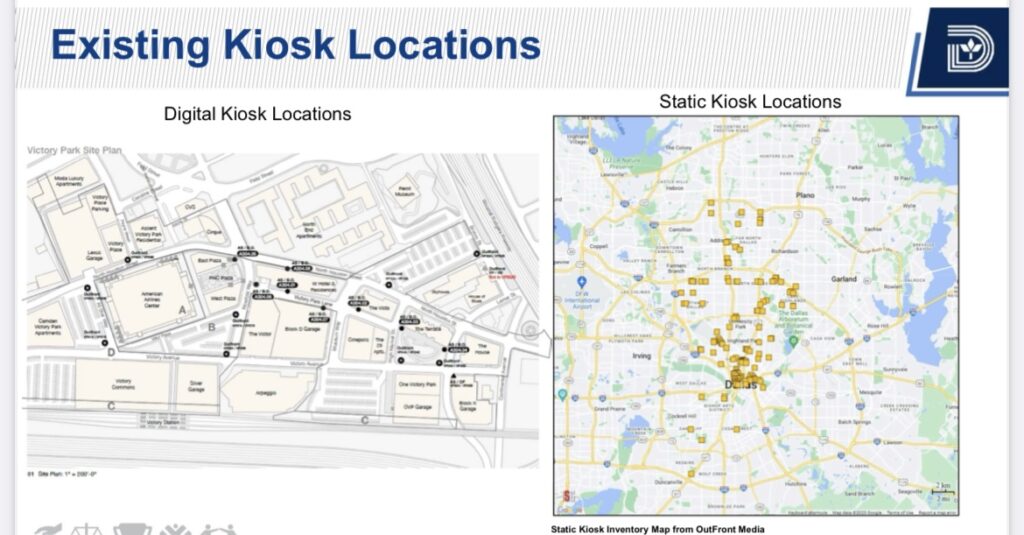
The council member said if the digital kiosk program has to move forward, he’d prefer the locations be selected strategically, allowing property owners to opt-out.
“That’s something that I really think the city staff should consider including in the RFP, that we reserve the right for neighborhood groups, for public improvement districts in particular, to opt out of the digital kiosk program,” Ridley said.
As for extending WiFi capability, the City’s new downtown traffic signals offer that coverage.
“Most of us have cell phone plans that aren’t dependent on WiFi,” Ridley said. “These things have no greater functionality than our cell phones do now. Cell phones have the advantage of not blocking our sidewalks and they’re portable. If you want directions to someplace and you look for them on this big digital kiosk, you can’t carry them with you to ensure that you’re going the right direction like you can on a cell phone.”
Councilmember Chad West raised concerns last week that the kiosks could capture and mine data from users and breach their privacy.
“I feel like there’s a privacy issue, just on its face,” West said. “I understand there’s a public safety benefit to it as well. For me, I’d want to dig into that a little bit more, or a lot more, because that’s a real concern of mine moving forward.”
Ridley echoed his fellow councilman’s concern.
“I understand informally that this is the primary reason the vendors want these digital kiosks,” Ridley said. “It’s not for the advertising revenue. It’s so they can mine people’s private data from their cell phones. That concerns me in a world in which we already have great susceptibility to our private digital information.”
Business Leaders on Digital Kiosks
The Dallas Morning News reported on Dec. 5 that some business leaders support digital kiosks.
“The Dallas Regional Chamber, Fair Park First, the Oak Cliff Chamber of Commerce, and VisitDallas are among groups that have sent letters to city officials this year expressing support for the program,” according to the article. “Howard Perez, a general manager at Angry Dog in Deep Ellum, said in a July letter that the devices could lead to more exposure for local businesses like his, fostering more economic growth and community engagement.”
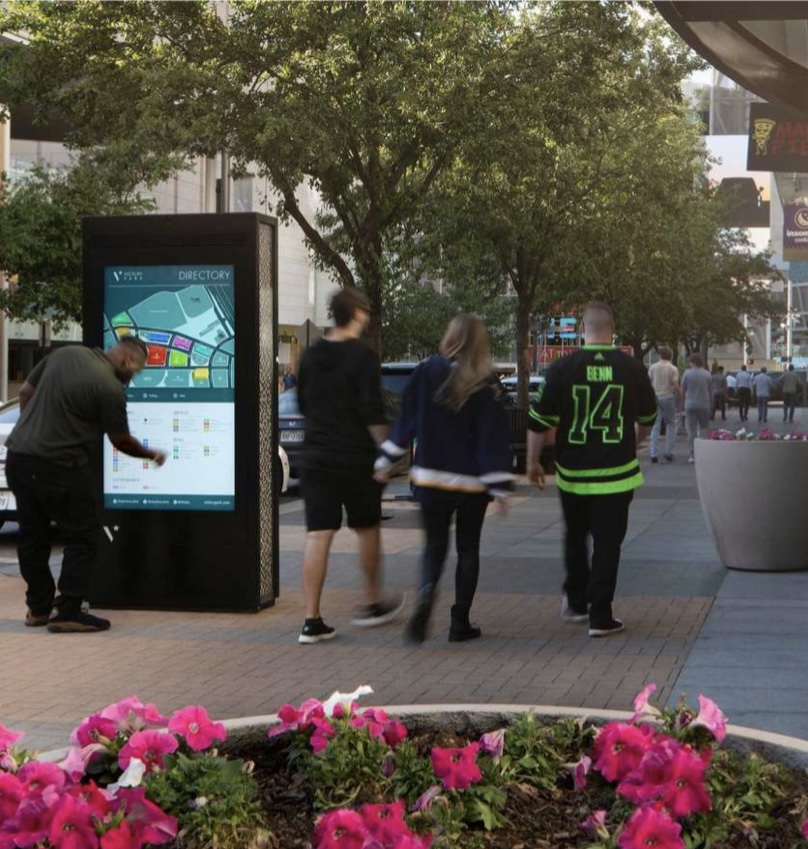
Those in opposition, however, have expressed concern about vandalism and the free WiFi attracting unhoused individuals, Ridley said. Additionally, some business owners have said they don’t want an advertisement for a competing venture outside their establishment.
As for why other council members are so dead-set on pushing this through, Ridley said he doesn’t know. An editorial in the Dallas Morning News appeared the day of the council discussion condemning kiosks and didn’t appear to have any effect on his colleagues, Ridley said. He also acknowledged a D Magazine report that two council members accepted $1,000 campaign donations from individuals with ties to potential kiosk vendors.
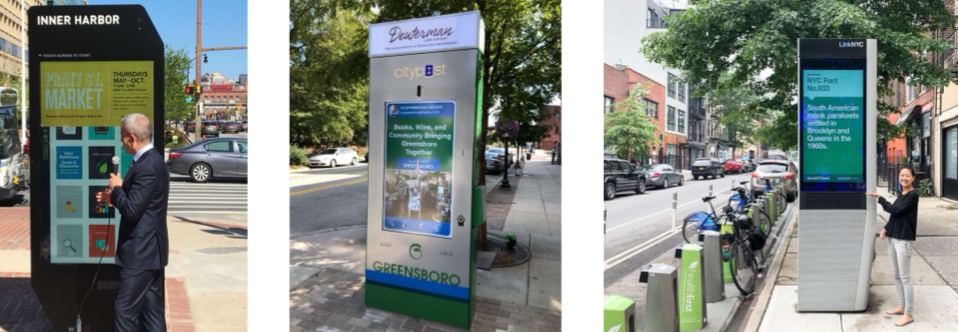
Vendors such as IKE, Smart City Media, and Link have placed digital kiosks in San Antonio, Houston, Kansas City, Berkeley, Seattle, and New York.