
City Hall Roundup: Majestic Theatre, Budget Town Halls, Code Compliance
Share News:

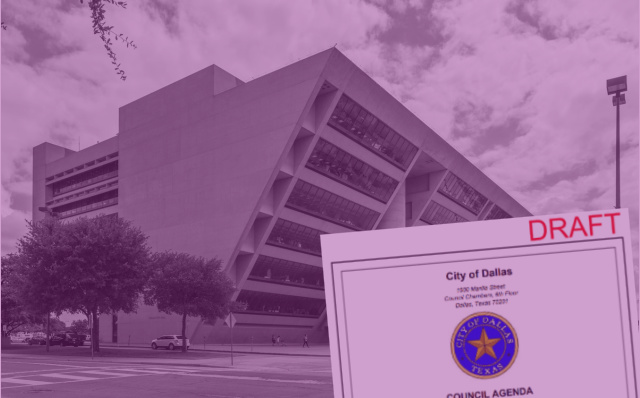
Even the routine can feel like a balancing act between preservation, priorities, and public pressure at Dallas City Hall.
A city-owned historic theater might see some new management, residents are weighing in on how billions should be spent, and officials are quietly reshaping the rules that govern quality of life. Meanwhile, a wave of departures is set to shift the city’s leadership bench.
Majestic Theatre Plan in the Works
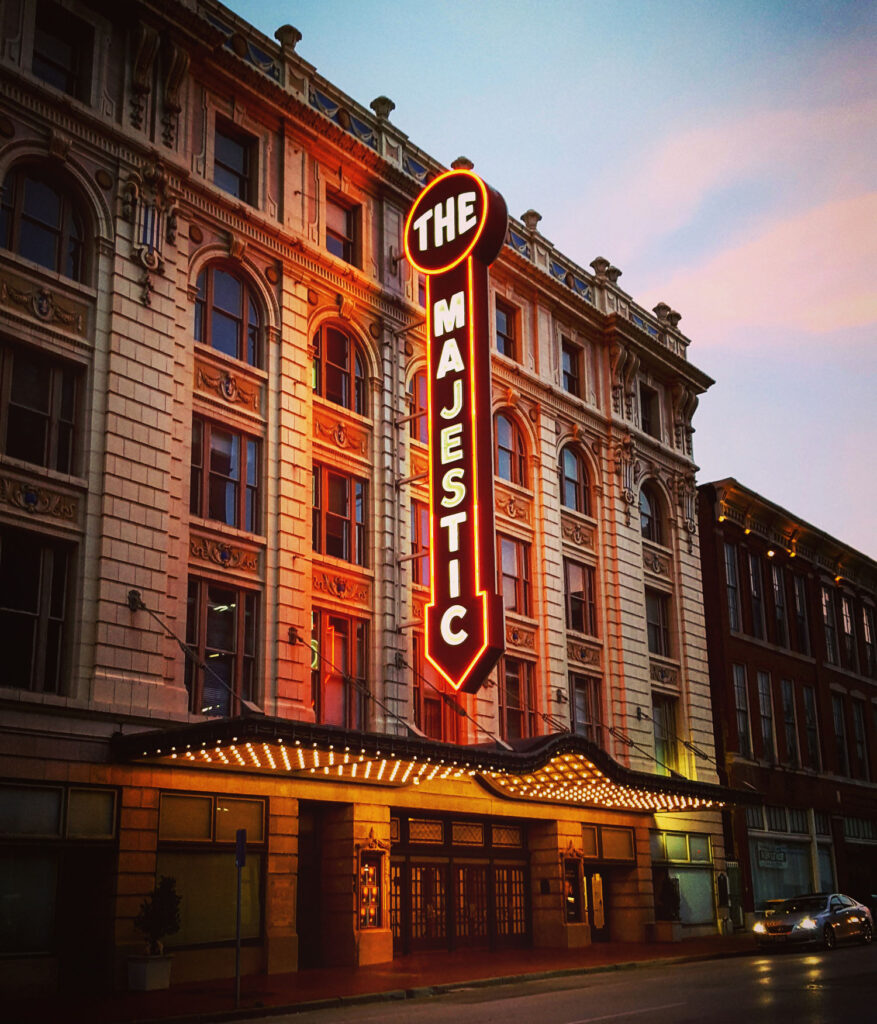
Staff is exploring a new operating model for the city-owned Majestic Theatre, the last remaining historic downtown theater in Dallas.
In a Friday memo, City Manager Kimberly Tolbert said they are seeking to stabilize the venue’s finances and improve programming by pursuing a public-private partnership, with a triple net lease emerging as the preferred option. Under that structure, a private operator would take on responsibility for day-to-day operations, maintenance, and capital costs. The city would retain ownership of the building.
“The goal is to further the promotion of performing arts and other musical and cultural events in the City, reducing the City’s current financial burden and supporting sustainable stewardship of this important historical performing arts theater and facility,” Tolbert said.
Opened in April of 1921, the Renaissance-style Majestic Theatre was designed by John Eberson. Karl Hoblitzelle built the five-story property, which was the crown jewel of his Interstate Amusement Company Theater chain. Originally a vaudeville theater, Hoblitzelle moved into showing films at the end of that era. The building underwent a substantial restoration and reopened in 1983 as a performing arts venue. It was named to the National Register of Historic Places and is currently maintained by the City of Dallas Office of Arts & Culture.
“Alternative types of real estate structures are not ruled out should lease terms fail to advance the City’s arts eco-system and stewardship of the Majestic, leverage the venue and increase production, while reducing the operation and maintenance costs to the City budget,” Tolbert said.
The plan will come before the Arts & Culture Advisory Commission and then the Quality of Life, Arts & Culture Committee next month. If there’s a desire to move forward, it’ll go to the full city council for consideration in June.
Budget Town Halls
Officials have been hosting budget town hall meetings across the city to engage with the public as they work to devise a balanced budget for city council consideration later this year. Input from the meetings, as well as the city’s annual community survey, is meant to inform how officials prioritize spending.
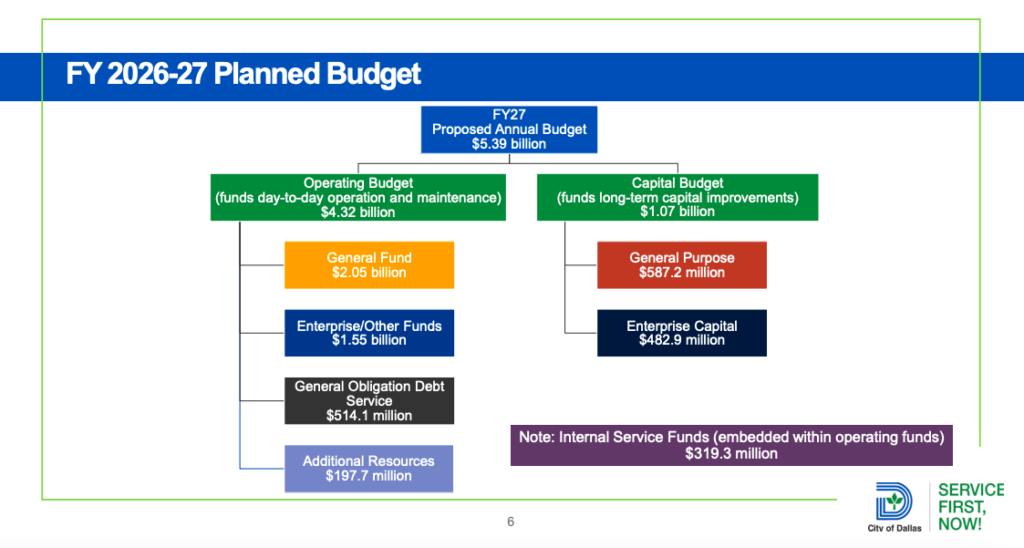
As a starting point, staff is crafting a $5.39 billion budget proposal. If adopted, it would be another record-breaking spending plan, split between a $4.32 billion operating budget (which includes $514 million for debt service) and a $1.07 billion capital budget for long-term projects.
With public safety spending poised to eat up more than half of the operating budget’s general fund of $2.05 billion and sales and property tax revenues projected to come up short, there is reportedly concern about potential cuts to arts funding, library services, and climate initiatives. Residents have also been pressing for more investment in street repairs, code compliance, and basic infrastructure improvements.
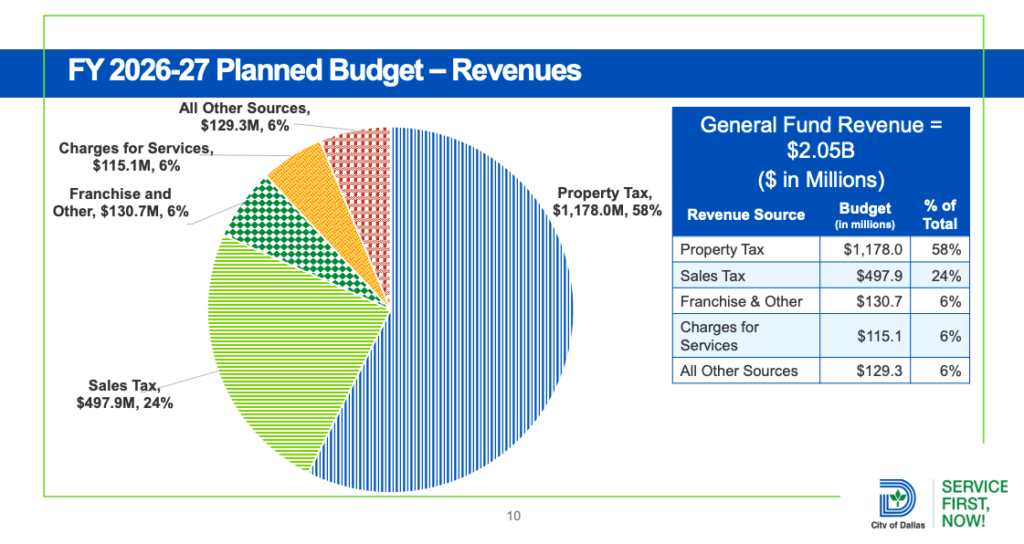
Sales tax revenue for FY 2025-2026 is currently several million dollars in the red, despite upticks in recent months.
The question of whether to repair or relocate City Hall also loomed large, with financing plans for both scenarios expected in the coming months.
In a Friday memo, staff responded to unanswered questions that surfaced during the more than a dozen town halls held late last month. They kind of run the gamut from police overtime budgeting to potential lost revenues due to the Kay Bailey Hutchison Convention Center redevelopment.
Some Quality of Life Initiatives Floating Out There
A couple of items within the purview of the Quality of Life, Arts & Culture Committee warrant catching up on.
Does everyone remember all the drama over the extravagant holiday light display at a certain Preston Hollow mansion? Well, some enforcement action could be in the works to inhibit certain public attractions in single-family neighborhoods.
It seems some council members want the full council to consider a new ordinance that would expand the city code definition of “special event” to include “a temporary outdoor display or exhibition with a special condition that requires an emergency traffic regulation in accordance with Section 28-10.”
Council Member Gay Donnell Willis (District 13), who represents the neighborhood where a homeowner erected Christmas light displays that drew thousands of onlookers and spurred the deployment of public safety resources, submitted the item for committee referral and full council voting. Council Members Chad West (District 1), Paula Blackmon (District 9), Kathy Stewart (District 10), and Paul Ridley (District 14) registered their support.
The proposed ordinance would ostensibly subject the homeowner in Preston Hollow to a $500 fine for a violation.
In related news, the Hospitality & Nightlife Task Force is continuing its work to overhaul the city’s code following a compliance crackdown on Revelers Hall, a beloved Bishop Arts District venue known for its live jazz music. The business was cited for violations related to noise and its cover fee.
The task force previewed their overhaul to the Quality of Life, Arts & Culture Committee, which includes the introduction of entertainment licensing for businesses hosting music and/or dancing and enforceable noise limits.
Officials say the changes aim to balance economic activity with quality-of-life concerns, while improving consistency in enforcement. The framework emphasizes education before penalties, with a stepped enforcement process and incentives for compliant operators. Still, questions remain about how the rules will interact with existing regulations, how quickly licenses can be approved, and whether additional updates will be needed after rollout. Committee members asked staff to refine the recommendations before the item comes back next month.
“I believe the initial recommendations make it easier for our small businesses to thrive while ensuring that neighborhoods and the city have stronger enforcement tools to crack down on bad operators,” Council Member West said in a newsletter.
Multiple City Officials Retiring This Month
A significant staff retirement was announced earlier this month, with Assistant City Manager Donzell Gipson planning to depart municipal service at the end of April after 28 years with the city.
“He has built a reputation for thoughtful leadership, innovation, and a strong commitment to public service,” City Manager Kimberly Tolbert said in a memo.
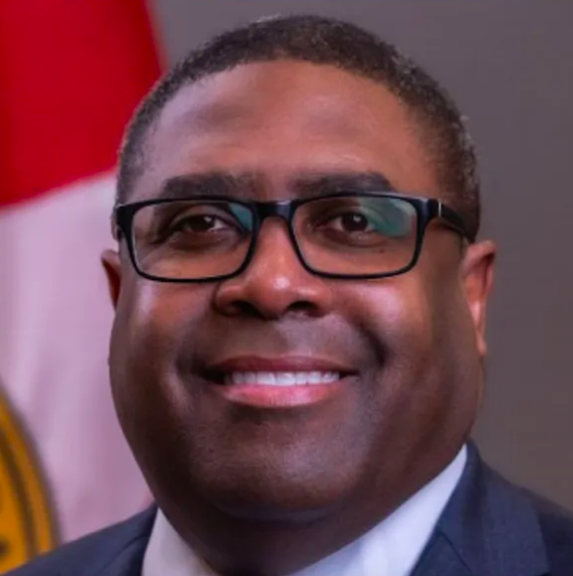
Gipson became interim assistant city manager in 2024 before being officially named to the post the following year. Prior to that, he served as director of Equipment & Fleet Management. Notable initiatives he was involved in include the Developing Regional & Inclusive Vendor Enterprises program, empowering city manager authority over procurement, preventative maintenance programming for public safety buildings, and expanding GPS technology in fleet deployment.
Operations within Gipson’s purview as assistant city manager include Facilities & Real Estate Management, Equipment & Fleet Management, Procurement Services, Information & Technology Services, and the Civil Service Department.
Gipson isn’t the only high-ranking official to be leaving city service at the end of the month. City Attorney Tammy Palomino previously announced her last day would be April 30 after 23 years working for the City of Dallas.
Jake Anderson, the interim director of the Office of Government Affairs, has also announced his departure, with an official resignation date of April 24. His role saw him serving as the primary liaison between the city and other governmental entities. Anderson has been with the city for roughly four years.