
Fort Worth Adds More Park Land to Boost Conservation Efforts
Share News:

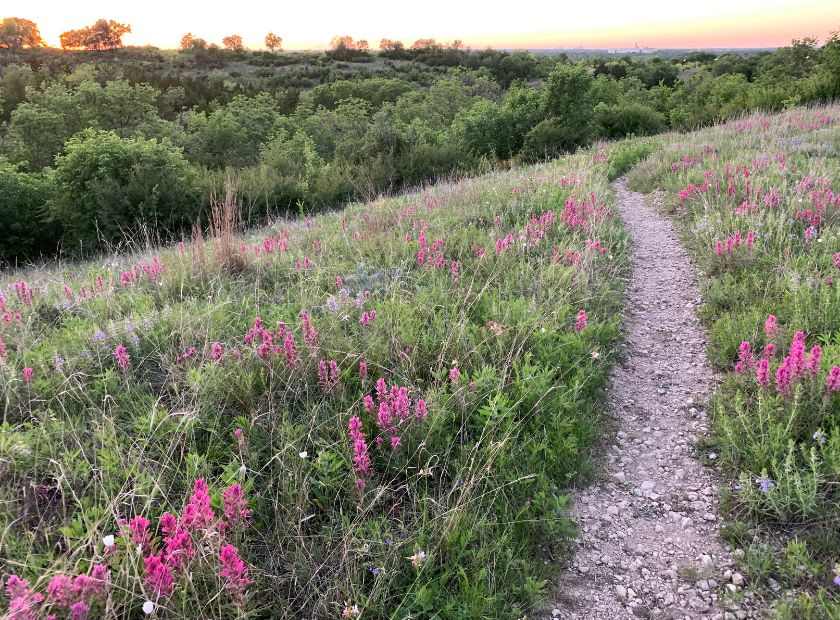
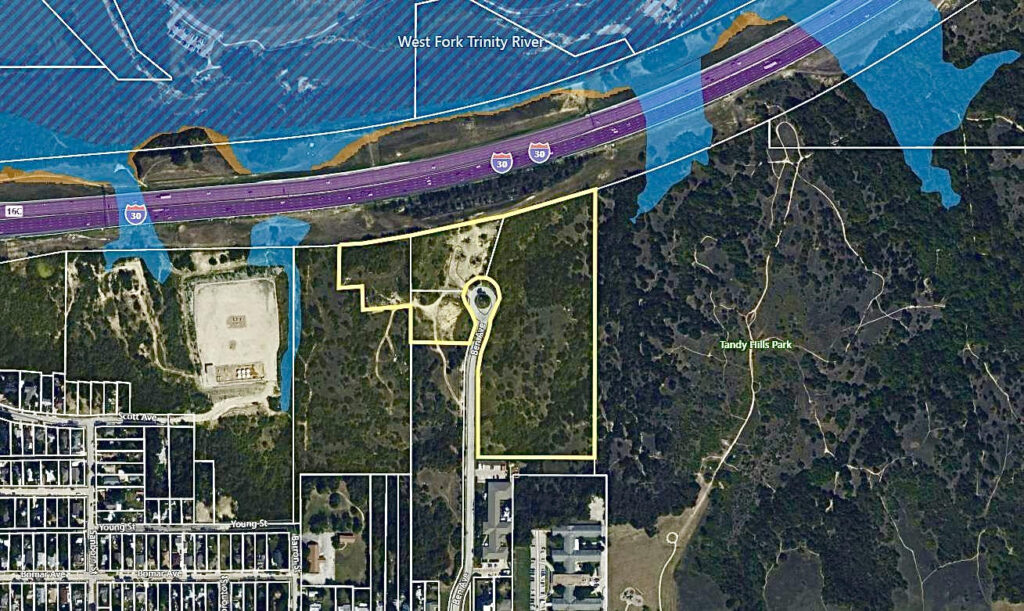
Fort Worth officials have been making investments in the city’s protected green space, securing 16 acres of adjacent land to expand the Tandy Hills Natural Area between I-30 and Lancaster Avenue.
Comprising some 160 acres a few miles east of the central business district, Tandy Hills is known for its rolling hills and views of Cowtown’s downtown skyline. It’s one of the largest remaining tracts of protected prairie land in the city limits, featuring miles of hiking trails, diverse wildlife, and native wildflowers.
“The property was originally purchased with plans for high-density residential development and potential assemblage with adjacent parcels,” said David Hinson, senior vice president at Younger Partners, who brokered the deal between the city and the entity New World Trade Center I LTD.
“However, after evaluating access and density constraints, it became clear the City of Fort Worth was best positioned to maximize the site’s unique topography and preserve it as an extension of the neighboring natural area for the community to experience,” he added.
The stretch of property along Ben Avenue cost the city $2.65 million.
Roughly 11 acres of the property will be incorporated into the Fort Worth Park & Recreation system. The remainder will fall under the city’s Open Space Conservation Program, which seeks to develop eco-friendly solutions to the impacts of urbanization on natural areas.
Back in 2022, the nonprofit Trust for Public Land clocked a loss of approximately 50 acres of natural space per week to development in Fort Worth. Two years later, the city surpassed the 1-million-resident mark.
While Fort Worth’s growth has propelled it up the rankings of U.S. cities by population (it’s now the 11th largest city, nipping at the heels of Jacksonville, Florida), the city’s park system has struggled to keep up. Trust for Public Land ranked it No. 72 last year out of the country’s 100 biggest cities.
Park land comprises about 6.3% of the city’s acreage, and about 69% of residents live within a 10-minute walk of a park. The city’s park system, however, ranked particularly low for investment and amenities. For comparison, Dallas ranked No. 34 overall, inching up the rankings in recent years under a renewed commitment by city leaders to improve the park system.
Still, Fort Worth has something special with what’s left of its prairie land, which is treasured by researchers and those who love the outdoors.
“For generations, people have been attracted to the natural features of Fort Worth — from the Eastern Cross Timbers forests and the rolling grasslands of the Fort Worth Prairie, to the banks of the Trinity River and the creeks that feed it,” a report by the group reads. “However, the city is growing and developing at a rapid pace, putting these unique landscapes in jeopardy.”
Through the Open Space Conservation Program, Fort Worth has secured more than 600 acres of land within its city limits and its growing extraterritorial jurisdiction through joint land acquisitions, grant projects, and fundraising efforts.
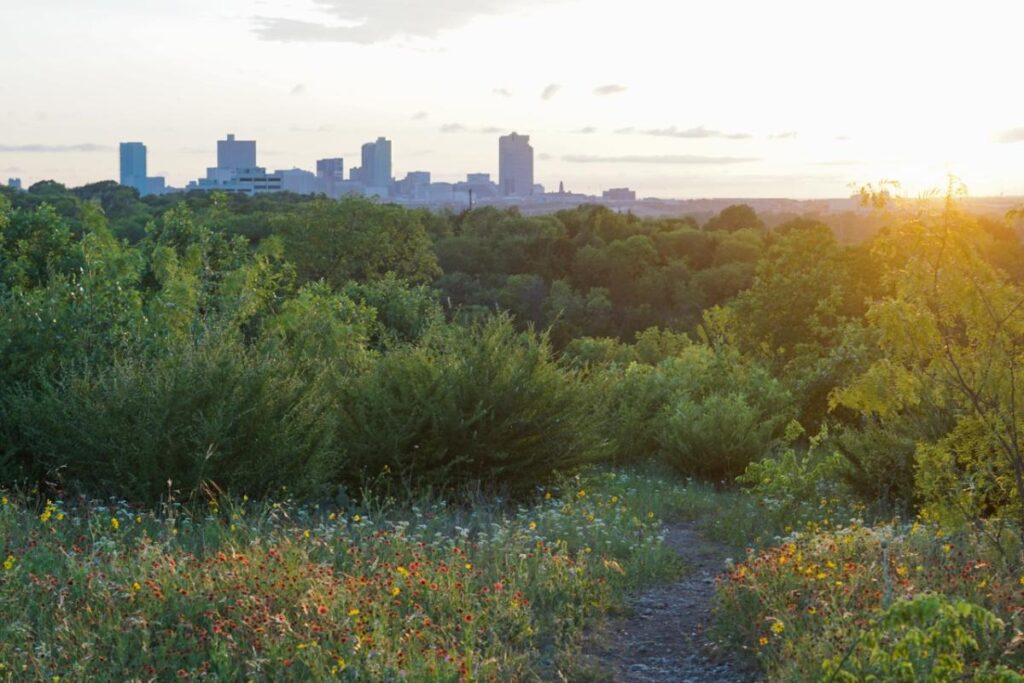
“As our city continues to grow, protecting spaces like Tandy Hills ensures residents can connect with nature while preserving a rare piece of the Fort Worth Prairie,” said Fort Worth Park & Recreation Director David Lewis.
In partnership with Friends of Tandy Hills Natural Area, city officials have been working on a master plan to manage the conservation area. Efforts have also been made to protect it through litter collections and brush clearings, with staff and volunteers pitching in to guard against invasive species and blight.