
Why Class A Office Space Is Becoming an Employee Retention Tool
Share News:


There’s a bit of a dual trend going on in the office market these days. The flight-to-quality is going strong, with firms seeking premium space and location to incentivize coming into the office. At the same time, some businesses are taking a more egalitarian approach to space design, at least when it comes to professional services.
In both cases, employee retention is the name of the game as hybrid and remote work schedules have become a factor in recruitment.
“Retaining employees is a big aspect of having high-quality space,” said Wiley Green, an associate advisor at the CRE services outfit Citadel Partners. “Employee satisfaction is high when you’re in a high-quality space rather than maybe trying to save for a budget reason.”
Class A properties are in demand in D-FW, with asking rents jumping 7.1% year-over-year in Q4 2025, according to a market report by Savills.
“Rent performance continues to diverge sharply by asset quality and location, with trophy and best-in-class buildings capturing the bulk of pricing power,” the report reads.
Nationally, you see a similar dynamic in transactions. Properties rated Class A and above clocked a 7.5% increase in price last year. Class B properties logged a 6.2% increase, enjoying less of the office rebound.
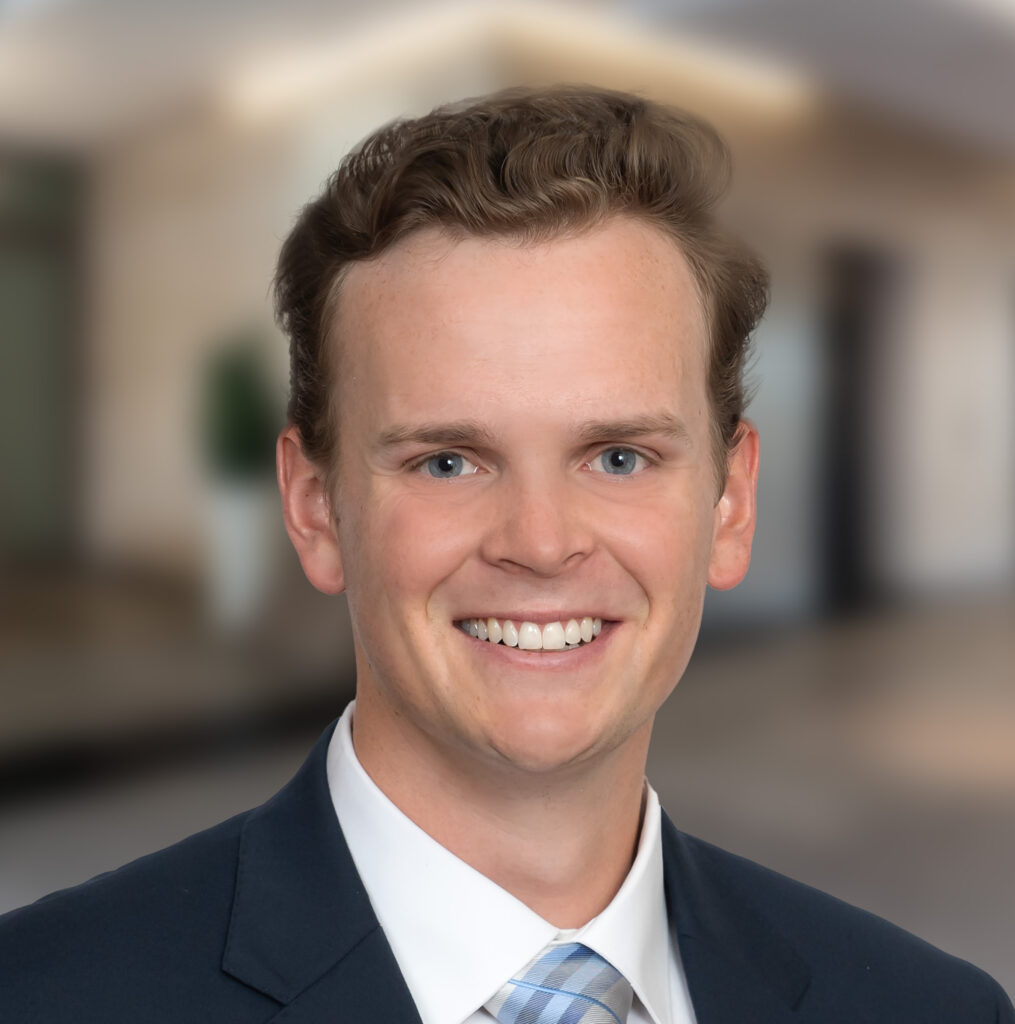
“I think it’s especially important now that people are in the office more after COVID-19,” Green said. “We need to make sure people have a place they can enjoy, play, and work in the same areas. Walkability is a very high priority, especially for our law firms like Melone Hatley, where they want to have their clients and their employees be able to walk to lunch and be able to get around, whatever it may be.”
Green and Citadel Partners senior advisor Katherine Pool is heading up the leasing strategy for family law firm Melone Hatley’s national expansion, recently sealing the deal on offices in Tampa, Florida; Columbia, South Carolina; and Laredo, Texas. Those were only the latest, though. The duo also put Melone Hatley in digs in Fort Worth, San Antonio, Newport News, and Reston in Virginia.
Pool said that while hybrid and remote work have significantly changed how firms operate, it hasn’t dramatically reduced the need for office space in certain professional services. Virtual meetings are commonplace now, but a lot of companies still rely on the kind of collaboration only in-person settings can facilitate. It’s that in-person setting, though, that’s changing some.

“One of the other trends along with flight-to-quality is a kind of flattening of the workplace for professional services,” Pool said. “There’s not as much hierarchy. It’s very unusual nowadays to have the CEO of a company with an office that’s three times as large as anyone else’s.”
That kind of camaraderie might go a long way in terms of retention. Design professionals and leadership coaches have cautioned that senior executives who physically separate themselves (in distance and allocation) from their teams on the office space front can make it harder to foster approachability and collaboration.
“If you have a CEO or anybody in the C-suite who says ‘hey, I have an open door,’ and tend to have more visibility with people, they walk around a lot, check in, they can still have the office in the corner, but their behaviors are giving a very different message. They’re being inclusive, showing connection with people,” Marly Franke, founder of Leadership Leverage Group, previously told WorkLife.
While Citadel Partners offers traditional brokerage services, its offerings extend into business strategy. That’s what Green and Pool have been up to with Melone Hatley. There’s more to it than just leasing office space. Consulting at this level means digging into local talent pools, industry competition, and real estate trends, among other factors.
“Our goal in this situation is to tie the business strategy with the real estate strategy to make sure that one doesn’t outwork or put pressure on the other,” Green said.
The firm’s client roster spans law firms, accounting groups, HVAC operators, and more, with companies seeking assistance with real estate strategy in both the office and industrial sectors. While a lot of the company’s business is in Texas, sometimes Citadel takes the show on the road to spearhead national expansions for firms like Melone Hatley and the accounting and tax advisory outfit Weaver.
“We have several national clients that we represent, so we’ve been everywhere from New York City to Pasadena, California, this last year for firms that are on that growth trajectory,” Pool said.