
Fiscal Folly: Why Another Sports Arena Won’t Fix Downtown Dallas
Share News:

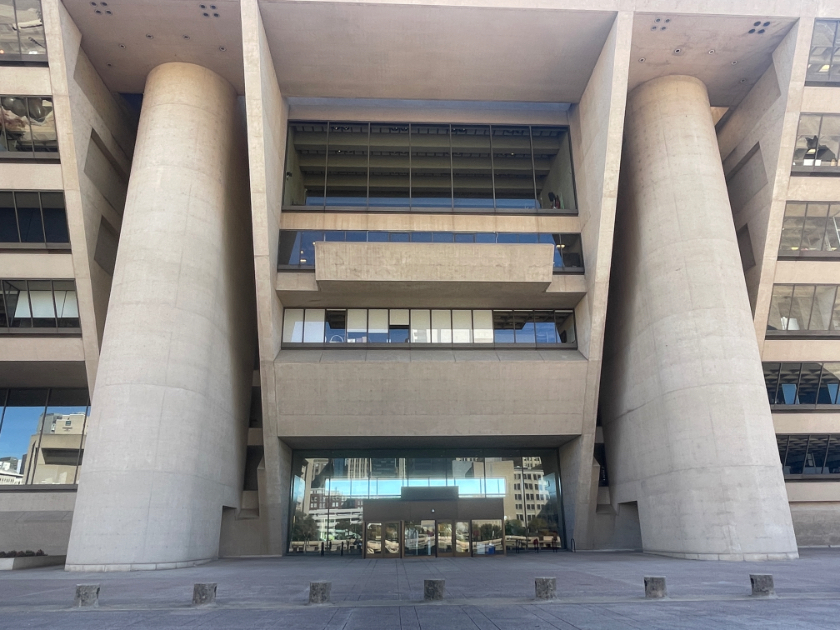
Dallas, It’s Time to Stop Chasing Arenas and Start Building a City
By Norman Alston FAIA, Principal Norman Alston Architects
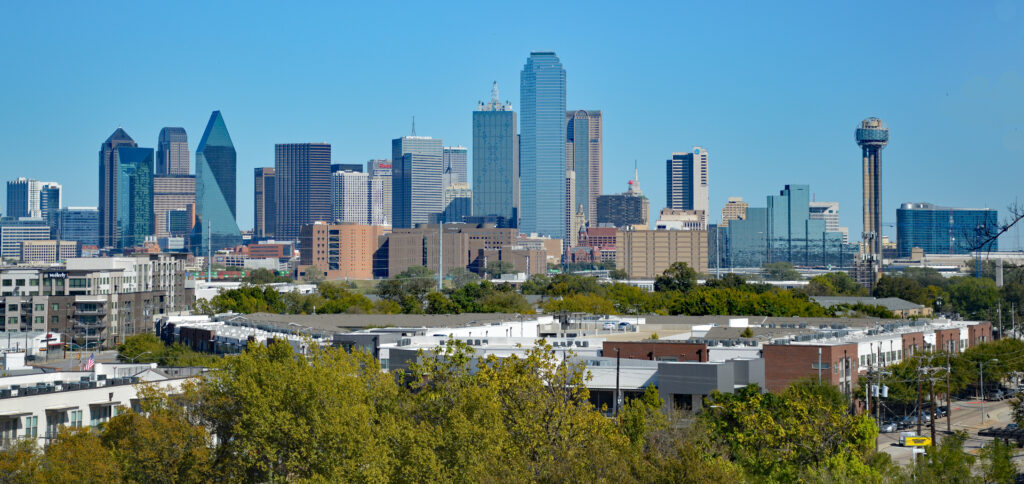
Downtown Dallas shines at night — the dazzling skyline, the pulsing street life, the promise of a city constantly reinventing itself. For decades, local leaders have sought ways to make that promise real, to bring businesses, residents, and tourists to the urban core. In this pursuit, one recurring idea has resurfaced in redevelopment discussions: the construction of a new sports arena as the catalyst needed for a new vision and brighter future downtown.

It’s an understandable impulse. Big games and bright lights make for powerful imagery, and major sports franchises bring instant name recognition to any city. But for Dallas, as for most cities in America, doubling down on professional sports venues as an anchor for revitalization is a fiscal and economic folly. These structures are expensive and rarely deliver the local prosperity their champions promise.
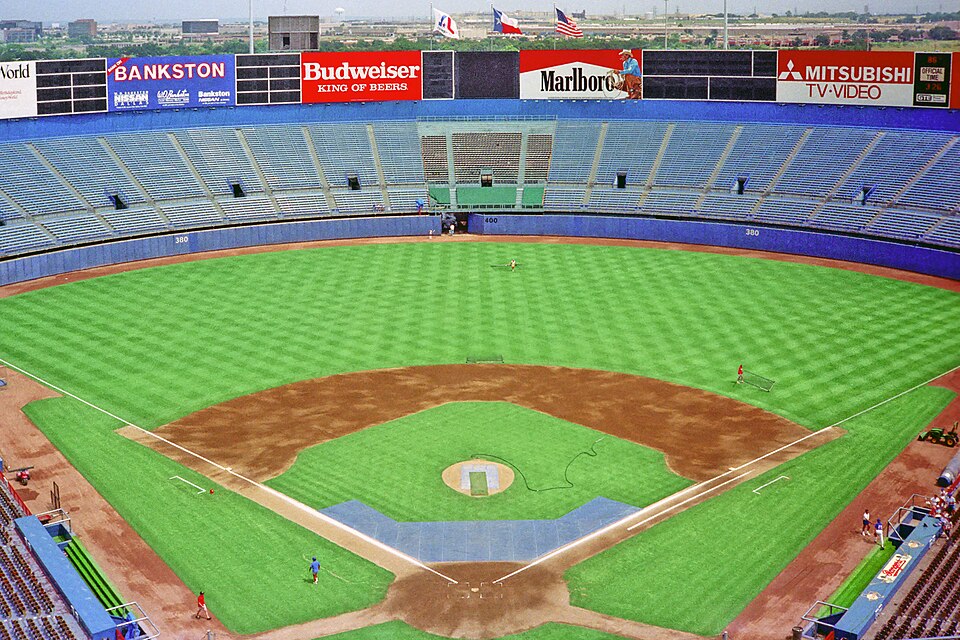
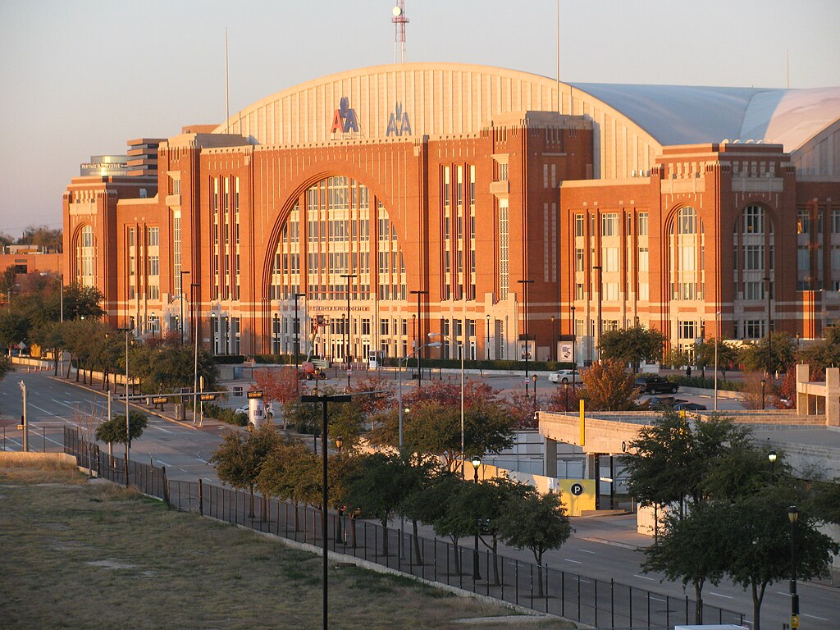
Remember the AAC… and Reunion Arena, Texas Stadium, Arlington Stadium, and Globe Life Park?
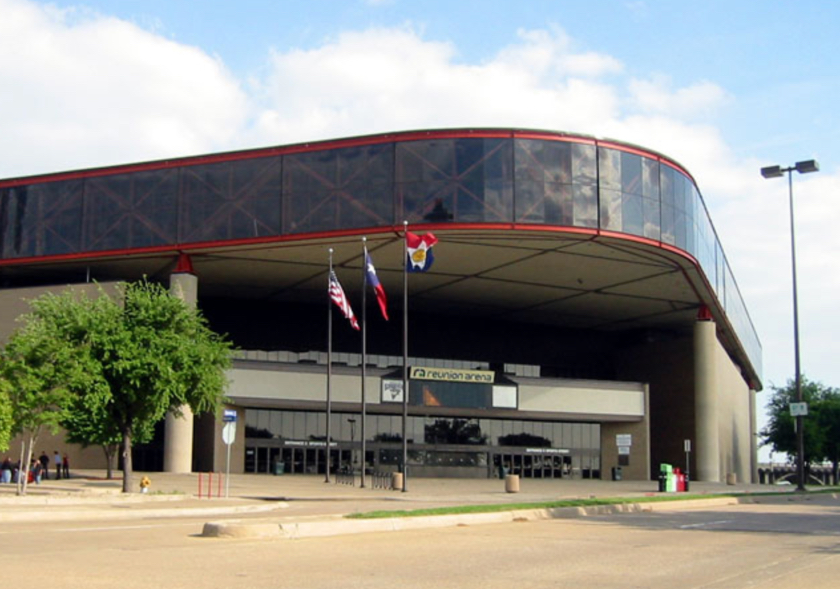
Most troublesome in the current discussions is that these expensive facilities are short-lived. The current call is for the city to sacrifice its existing, iconic City Hall in exchange for this new “opportunity.” However, during my adult life, I have seen both Reunion Arena and Texas Stadium built as state-of-the-art sports facilities, only to be demolished in favor of newer, larger, glitzier facilities. Likewise, the Rangers have abandoned both Arlington Stadium and Globe Life Park in favor of the new Globe Life Field. American Airlines Center, which replaced Reunion Arena, is now staring down the loss of both of its tenants. It will be replaced, and its future is unknown. Lest we forget the Cowboys, recall that they left the historic Cotton Bowl (the birthplace of not one, but three current NFL franchises) for Texas Stadium in Irving, then again changed cities with AT&T Stadium in Arlington, and took the Cotton Bowl game from the Cotton Bowl in the process.
These stories of turnover and local communities competing with one another for a sports arena are not unique to North Texas and are not the stuff that vibrant downtowns are made of. City council should take this tradeoff off the table, permanently, and as soon as possible. It’s hard to argue that money doesn’t make the world go ‘round, but a successful downtown also requires a vision that includes all of the qualities that make a vibrant, 21st-century city.
A Costly Habit in North Texas
The North Texas region already boasts an eye-popping lineup of professional sports facilities. The American Airlines Center opened in 2001 as a symbol of downtown renewal. AT&T Stadium in Arlington followed in 2009, with a price tag near $1.3 billion, while Globe Life Field opened right down the street in 2020. Each project promised boosts for nearby development. Yet Arlington — home to the last two — remains primarily a suburban entertainment corridor, not a dense, walkable urban hub.
Dallas itself has seen that the benefits of the American Airlines Center faded quickly after developers built the adjacent Victory Park neighborhood. Initial plans for vibrant nightlife and a mixed-use community fizzled when restaurants and boutiques struggled against high rents and inconsistent traffic. Today, Victory Park has steadied somewhat — but it’s still a pocket of selective prosperity, not a transformative centerpiece for the broader downtown.
Each subsequent proposal to build or renovate a sports arena in the region carries the same risk: a repeating cycle of public funding for short-term glamour.
The Sports Arena: Short Lifespans, Long Debts
When cities finance million- or billion-dollar arenas, they often issue bonds that take decades to repay. Unfortunately, the lifespan of a modern stadium doesn’t match the schedule of those loans. Most professional sports venues are functionally obsolete after 20 to 25 years — sometimes less — as teams demand renovations or replacements to keep up with technological standards and “fan experience” trends.
Consider AT&T Stadium. At barely 17 years old by 2026, the Cowboys’ sports arena has already undergone major upgrades, and there’s talk of expanding digital infrastructure and hospitality spaces to “keep up” with league peers. The earlier Texas Stadium, built in 1971, was demolished after fewer than 40 years of use. Similarly, Globe Life Park — also in Arlington — closed after just 25 years before being repurposed for minor league baseball.
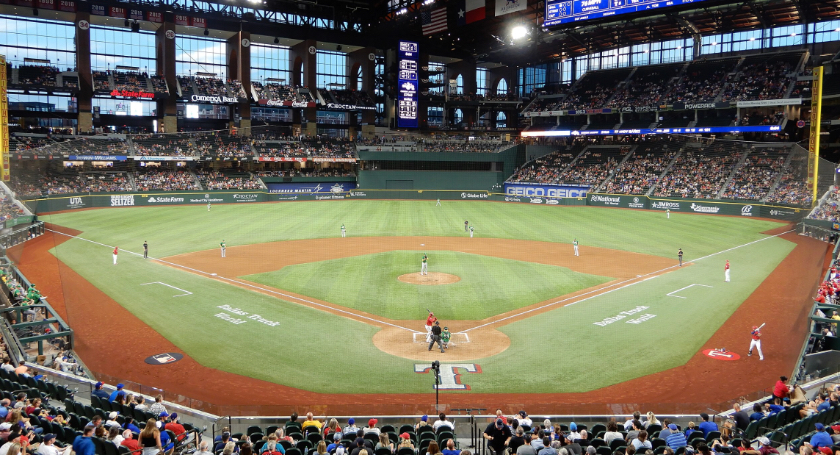
This pattern of rapid obsolescence is more than unsustainable; it’s reckless. Taxpayers end up paying for facilities that teams abandon long before the debt is retired, forcing local governments into a treadmill of subsidy and demolition.
The Mirage of a Sports Arena Boosting Economic Growth
Proponents of stadium projects often lean on optimistic forecasts, with thousands of new jobs, thriving bars and restaurants, and waves of visitors filling nearby hotels. But decades of economic research paint a grimly consistent picture: these promises almost never materialize.
A landmark study by economists Dennis Coates and Brad Humphreys, who have analyzed sports economics for over two decades, found “virtually no evidence” that new stadiums or arenas boost overall economic activity or income in their host cities. The money that fans spend on game days tends to replace, not add to, other forms of local spending. Residents who buy Mavericks tickets might simply skip a night out at a Deep Ellum concert. Tourists attending a Cowboys game might stay only long enough to leave before exploring the city.
In short, stadiums shuffle spending; they don’t increase it. And when you add the massive costs — often exceeding a billion dollars — the return on investment looks abysmal.
The ‘Public-Private Partnership’ Myth
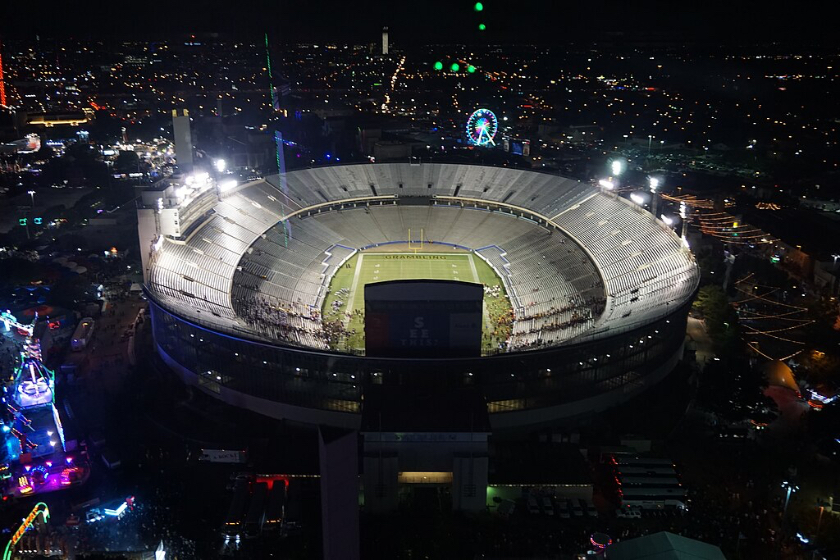
Defenders of new arenas often stress that they’re not entirely taxpayer-funded — that ownership groups and private investors “share” the bill. But these arrangements are rarely balanced.
For instance, public financing typically covers land acquisition, infrastructure improvements, and significant portions of construction through tax incentives or direct subsidies. The “private” contribution often includes naming rights, future revenue streams, or ownership advantages that generate long-term profits for the team rather than the city.
As of 2025, more than two-thirds of U.S. professional sports venues had relied on some form of public financing, adding up to hundreds of billions of dollars in subsidies. Very few of those dollars flowed to neighborhoods most in need of development.
When a city like Dallas invests the same money instead in mixed-use housing, transit connectivity, or small-business incubation, it not only creates permanent economic value but spreads it broadly — benefiting long-time residents rather than a single franchise.
Urban Development That Works
If Dallas truly wants a downtown renaissance, it should look beyond the empty spectacle of giant arenas. The success stories of cities like Pittsburgh, Denver, and Austin didn’t come from sports facilities — they came from mixed-use zoning, walkable districts, and residential rehabilitation.
In Dallas, the groundwork for similar progress already exists. The adaptive reuse of old buildings into lofts and coworking spaces, the revitalization of the Arts District, and the growing appeal of Deep Ellum all show what’s possible when development emphasizes livability instead of spectacle.
Imagine redirecting stadium-level funding — say, $1 billion — into real urban infrastructure: renovating historic properties, supporting local entrepreneurs, and greening public spaces. The payoff would be real and long-lasting. Residents would enjoy safer streets, affordable homes, and stronger community bonds. Downtown would feel alive even on non–game days.
Taking the Long View
Dallas has no shortage of civic pride. Its sports teams bring joy and identity to millions of fans, and their presence enriches the region’s culture. But civic pride should not blind leaders to economic reality. Building or subsidizing a new sports arena downtown is not an act of visionary investment; it’s a high-priced gamble with public money.


Instead of chasing sports-driven glamour, Dallas can lead by example by showing that sustainable urban revitalization means empowering residents, nurturing small-scale entrepreneurs, and celebrating culture and creativity year-round.
The city’s skyline will always gleam. The question is whether the streets below will bustle with lasting prosperity or echo with the empty promises of yet another billion-dollar arena.





Great article! Norm speaks the truth and reality of what sports arenas promise , but seldom deliver!
Great analysis, Norm. I’ve raged against the “20 year shelf life” of these sports arenas. I’ve never seen all of the benefits touted “before building “ as to the effects After they falter. Let the Billionaire sports owners pay for them, and leave our City Hall alone, damnit!!!
I agree that the economics surrounding sports arenas suck, but in contrast almost none of the surrounding development promised to cities on any number of big ideas presented materialize.
When Cityplace was first proposed there was going to be a twin tower across the highway with a bridge connecting the two. None of that ever happened. Projects big and small over promise and under deliver.
Finally, Dallas City Hall might be the ugliest building I M Pei ever designed. If it’s not demolished it needs a major face lift.
Well beauty is in the eye of the beholder and just because anyone may think brutalist design is “ugly” is zero reason to destroy an architecturally and historically significant building. It needs no “facelift”. It requires basic maintenance and not at the vastly inflated absurd numbers the city council folks keep tossing out. BTW Check out the Boston City Hall and the former Whitney Museum of American Art building at 945 Madison Avenue (the Breuer Building) both of which are now officially landmarked.When you have Brutalist buildings in Boston and in NYC both being landmarked, sort of makes us look like hicks not to appreciate what we have.
With Scotiabank locating to Victory Common One and Goldman Sachs also opening up close by, Victory Park should be able to do without the American Airlines Center. It is such a beautiful stadium though.
Exactly the point. It’s beautiful, functions well, so why leave?
New team ownership, new business goals.
Anyone who has ever driven through the neighborhood where a modern sports arena has been built on a non-game day knows that the promises are false.
Excellent analysis, Norm!!! So well said.
Check out the fiscal responsibility of Arlington. They recently paid off AT&T Stadium about 10 years early, the same with The Ballpark at Arlington. Tys.
I agree that City Hall is ugly. It is a prime example of brutalism which is why it should persevered so that future generations will know what not to build
Thank you, Norm, for writing this. Today our Mayor said, at a luncheon Q&A, that we have to balance these economic incentives with the costs to the city. Rich people always want a hand-out it seems, as they dangle the promise of “more revenue” or more something to the city. Hell, some of them can afford to just buy their own land and build their stadiums. You are absolutely right in that we should invst where we get the biggest return. I am old enough to have seen Dallas do the right thing by creating an Arts District, which birthed luxury residential condos all paying taxes. They covered a highway with a park and created one of the most beautiful, vibrant walking spaces in the country. There is smart investment, then there is being a tool with our money. There are many places to build this arena in Dallas — why is city staff only focused on this one?
So many great points. Even if City Hall has no historic or architectural significance, there’s many reason why building a new arena at that site isn’t a good investment for the City of Dallas. Even if the Mavs were to pay full price for the demolition of City Hall and the land it sits on, there are better located sites for a new arena. That said, I think we should reinvest in American Airlines Center.