
Icemageddon Takeaways and Tips for the Next Winter Blast
Share News:

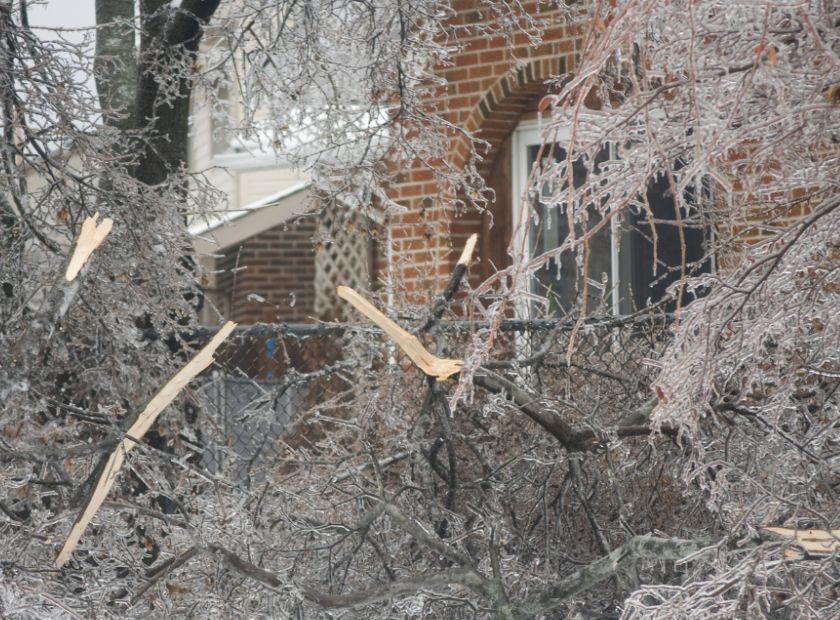
Now that the winter storm has passed and the kids are (finally) back to school … (seriously, I live in Allen, and my kids went back on FRIDAY) … temperatures are headed back to a range that Texans can live with, and all that funny white stuff is melting away, we can all take a collective sigh of relief and assess the damage. It could be a lot worse. It has been a lot worse.
If you’ve suffered burst pipes and other damage to your home, you’re probably cursing at me right now, but I’m speaking in generalities. 2021 was worse, for example. Since there’s always a chance it’ll happen again before we’re done with winter, it’s good to be prepared. These are our takeaways from this year and storms past:
Ruptured Pipes and Water Damage
Ruptured pipes and water damage are among the biggest issues people are dealing with this week, but not all of the damage will be obvious at this point. If you are concerned about hidden or slow water leaks, find your water meter (out front, in your yard, or in the back alley) and follow these steps.


Can you open your water meter lid? If so, turn off every fixture that uses water — but NOT your water heaters — then, open the plastic or metal lid on your meter, and watch the low flow indicator (see pictures) for at least a minute. If it moves, it means freshwater is moving toward your home. This is most likely an indication of a leak. Call a plumber and get on their calendar. You may have a bit of a wait right now as they try to get to all the repairs.
Carbon Monoxide
During a freeze that includes power outages, emergency rooms often report cases of carbon monoxide poisoning due to people improvising to keep warm by sitting inside the garage in a running car or gathering around an open gas stove.
Appliances powered by gas (stoves, cars, generators) emit carbon monoxide, which is odorless and extremely toxic. To avoid accidents, make sure you always have functioning battery-operated carbon monoxide detectors throughout your house, and even in an emergency, don’t use gas-powered appliances in an enclosed space.

Home inspectors use these handheld detectors to test gas appliances for leaks and unsafe levels of CO. These run from $40-$100 and would be a good addition to your emergency preparedness kits.
Pool Damage
Pools are another area where homes sustain significant damage during a freeze. You can see burst pipes, underground leaks, cracked pool decking and pool walls, and more.
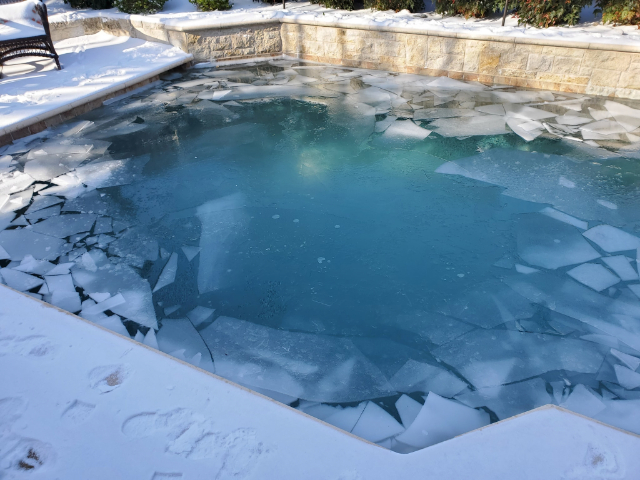
Leslie’s Pool Supplies put together this guide for pool owners to prepare and protect their pool in freezing weather. Print out this information and keep it on hand for the next winter storm so you can avoid this costly damage.







First time in 36 years we didn’t have to worry about the pool! Next year…