Get Used To High Mortgage Rates And High Rents
Share News:


Consumer perception of rising inflation has been growing since the beginning of the year. The tariff tantrums are inflicting far more damage to the US economy than any other country, and the full impact has yet to be felt by US consumers.
The new tax bill that just passed the House will raise the federal deficit by 4.5 trillion dollars, and Moody’s just downgraded the ratings for US credit for the first time since 2017, losing full AAA status. All of these factors will keep interest rates higher for longer, meaning mortgage rates will likely hover at or above 7% for the foreseeable future, pushing more consumers into the rental market.
The unforced error of the current administration’s alarmingly misguided tariff plan and proposed tax bill that raises US debt by trillions will drive rental prices higher as well.
New York City Rents Reach Records Again
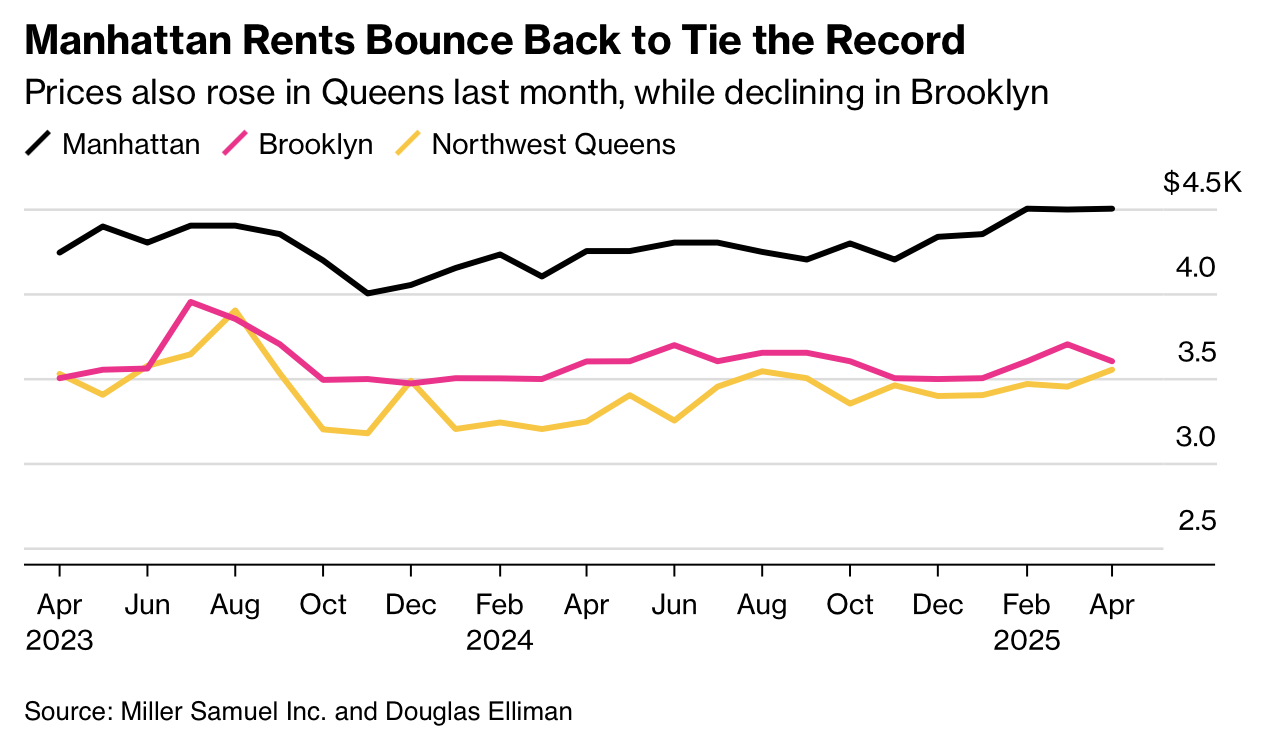
Bloomberg’s story on the rental market [gift link] was a good take on the upward pressure on rents.
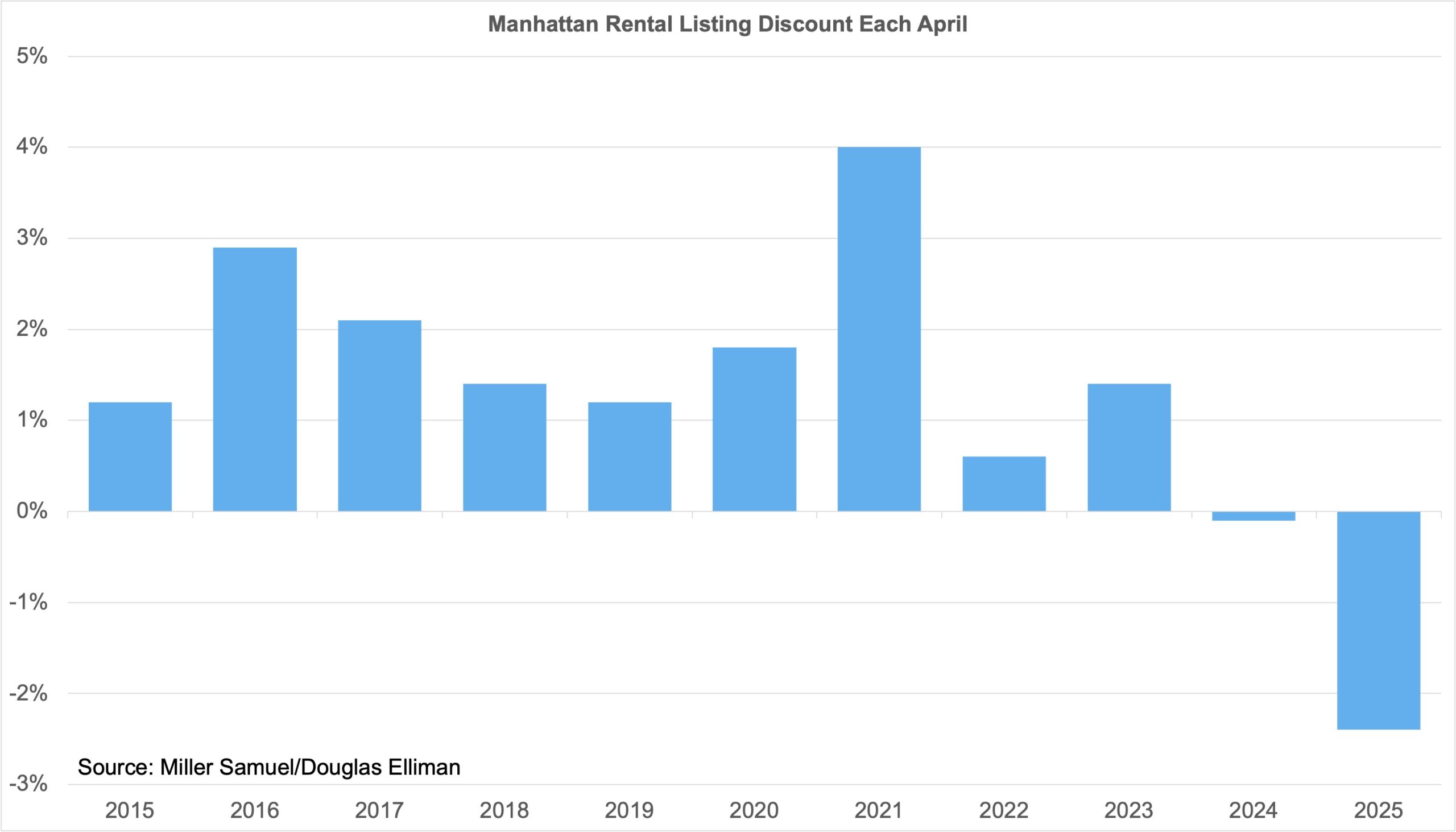
One of the stats I found interesting from our research on the NYC rental market last week involved listing discount, a metric that measures the percentage difference between the listing price and rental price during the period measured. For April, the Manhattan listing discount was -2.4%, or expressed another way, the listing discount was really a listing premium. The average listing price of all rentals in Manhattan was 2.4% below the average rental price across the market. We saw a little bit of that in 2024, but it is a significant amount in 2025 as elevated mortgage rates reallocate demand to the already tight rental market.
National Rents Continue To Rise
The number of markets where US renters need to make more than $100K has doubled since 2020. Rents are continuing to rise, up 30.4% from 2019, which is consistent with what I have tracked in our NYC research. According to Zillow, wages are up 20.2% over the same period, which has softened the impact of rent gains. But still, the inflationary theme lies over all consumers, which is why I continue to bring up economic policy coming out of Washington, DC, which has remained disconnected from the inflationary threat.
Final Thoughts
Consumers are reducing their stance of waiting for lower rates as perceptions of inflation clearly show they understand it’s not going away quickly. However, the problem with the current economic policy coming out of Washington is that it is largely inflationary and therefore disproportionately restraining housing demand.
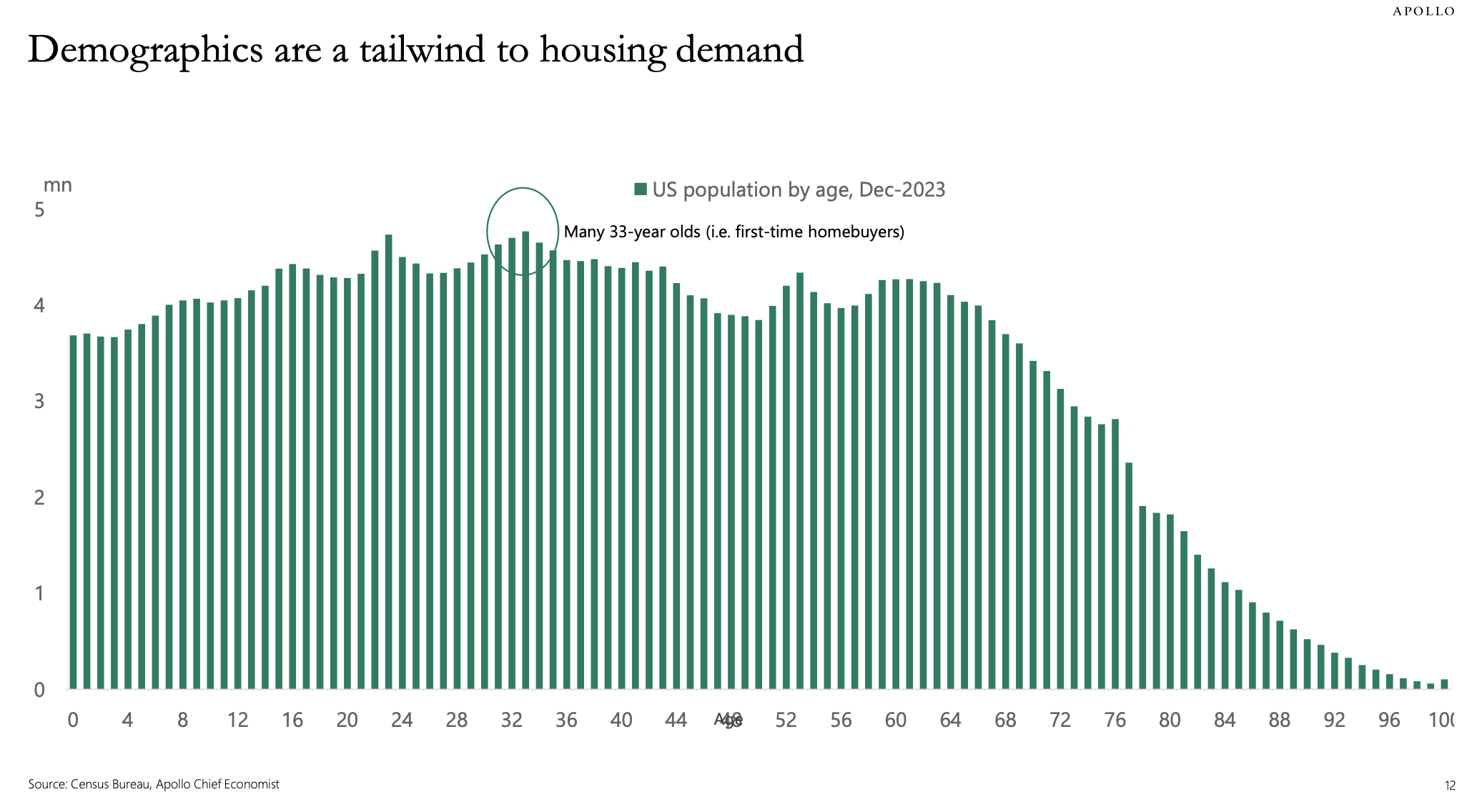
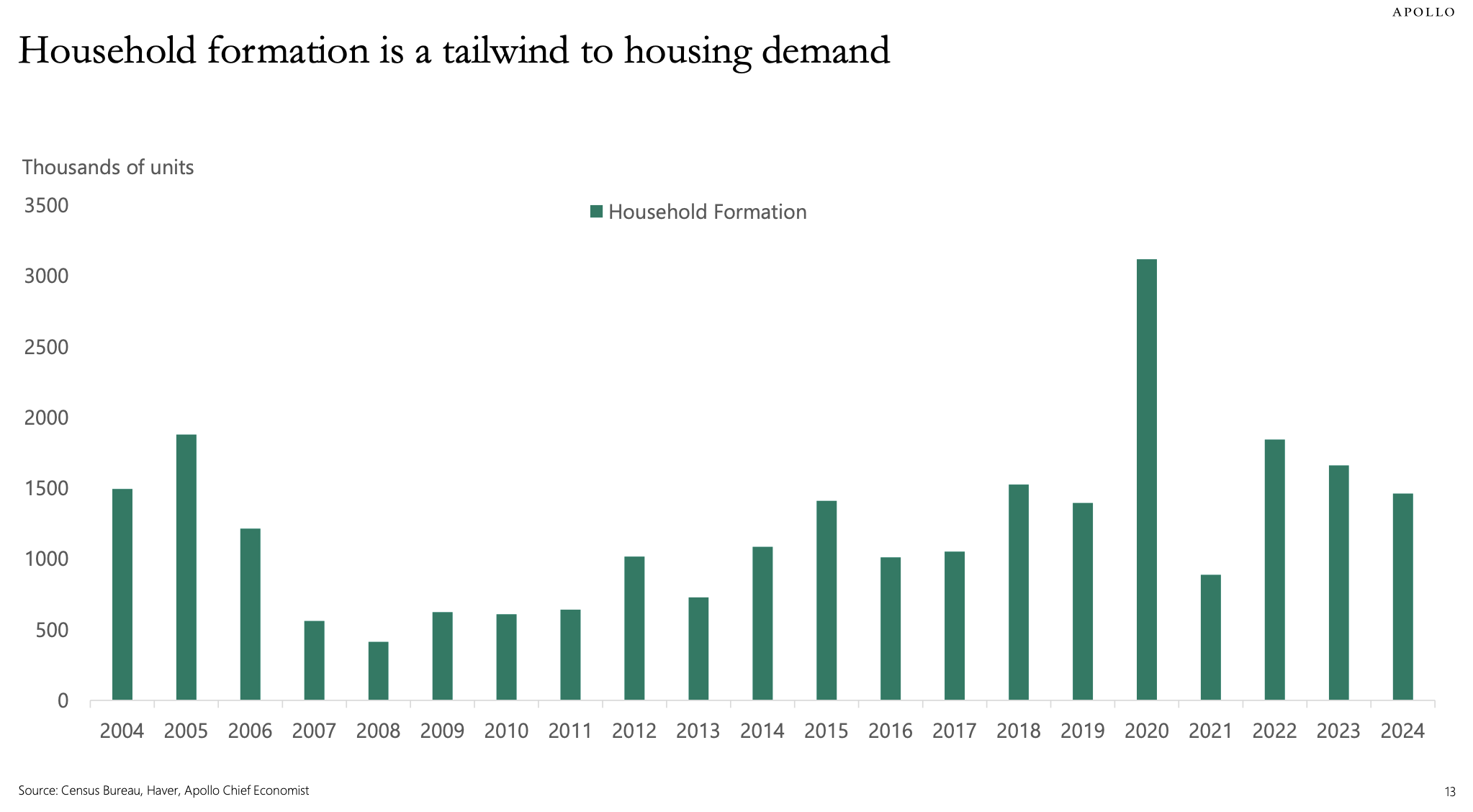
Pent-up housing demand is significant so the direction of interest rates can create a surge in actual demand in the flip of the switch looking at Apollo’s summary:

The Actual Final Thought – Phone books, when they were around, can tell the story although I can tell a story too without a cape.