Thermal Imaging Cameras Show Major Problems in Your Home the Eye Can’t See
Share News:

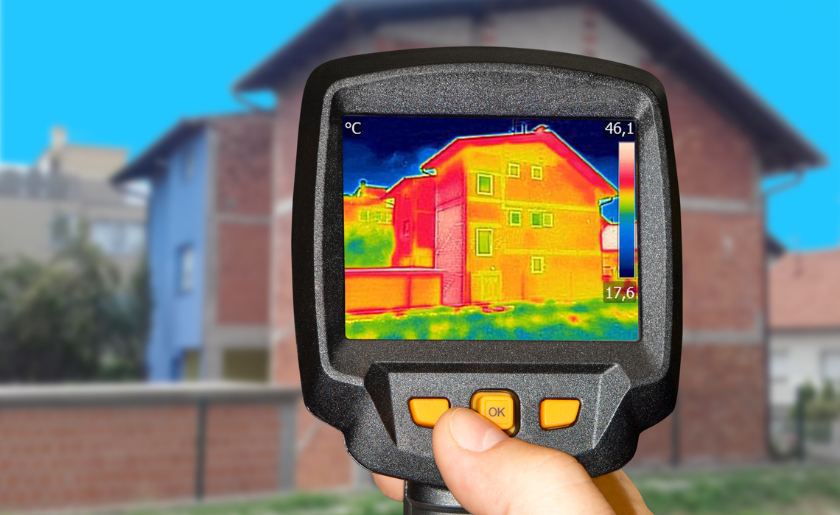
Many home inspectors use thermal imaging cameras, or infrared cameras, during a home inspection to reveal problems not visible to the naked eye. It’s an invaluable tool to homeowners to get an in depth look at a property — a glimpse behind the walls. Thermal imaging can detect things like water leaks, missing insulation, HVAC problems, malfunctioning electrical equipment, and inefficiencies in your home’s air seal. Pretty important stuff.
This week’s Upon Closer Inspection is devoted to those pretty rainbow images we get from thermal imaging. Here are some instances when they’ve been useful in the field:
A Demonstration
In this video, Green Scene Home Inspections’ owner Clayton Bailey shows some uses of a thermal imaging camera during an inspection. When you see the blue on the camera, it shows the cold air coming through. Right off the bat, you can see that there’s cold air leaking through the outlets, which is extremely common. All these little ways that cold air seeps into your home drives up your energy costs, so sealing your outlets that are on exterior walls with a foam gasket is one way to plug up some leaks.
Water Adventure
Is it water damage from a prior event or is the water leak still occurring? That’s pretty important to know, and you may not be able to rely on the seller’s disclosure to tell you. Here, using a thermal camera and a moisture detector, Inspector Alex, determined the water leak was active. The prospective buyers can now request a plumber to find out what’s going on during their option period, or simply add into their agreement that the repair be made before closing.
That’s Hot!
You don’t often see something go white on thermal imaging within a home. That’s hot! We’ve talked about Zinsco, and other outdated panel boxes before, but it bears repeating that if you have one of these in your home, this is why they need replacing. Zinsco boxes were taken off the market because of a design flaw that caused the panel to heat up with a power surge. The switches melt into the panel rather than tripping and cutting off power.
Using thermal imaging during a home inspection captures pricey energy loss throughout the home, possible water damage or leaks, and damage to other important equipment. Make sure you use a home inspector who utilizes this technology when you have a home inspection so you get as much information as possible about the home you intend to purchase.