
Foundation Nightmares Every North Texan Can Relate To
Share News:

If you own a home in North Texas, you’ve probably had stress dreams about the inevitability of foundation damage, maybe even an actual foundation nightmare or two. No? You don’t have that dream where your house is cracking in two and sinking into the ground? Huh. Either way, with our climate and soil, foundation problems are basically a given at some point in the life of your house, so it’s something every homeowner should keep an eye on, and certainly something to investigate when purchasing a home.
This week we’re looking at a few nightmarish foundation situations from our inspectors in the field:
Carrollton Crack
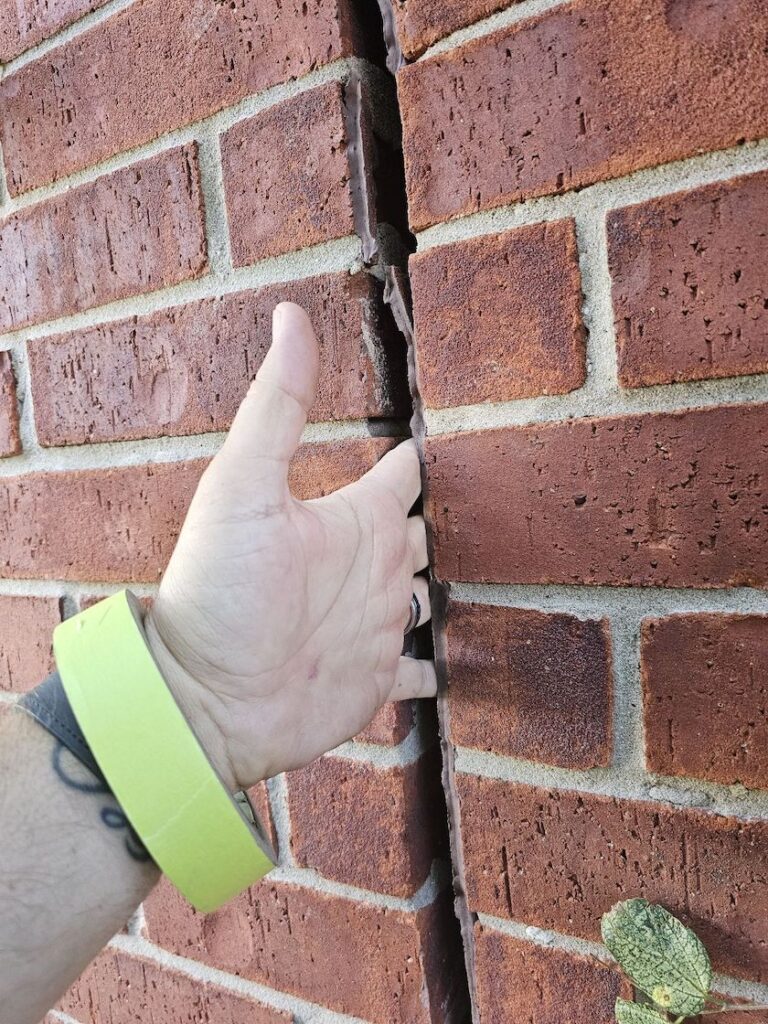
Whoa! This crack reminds me a little bit of that dream I was talking about. Not all cracks are serious but, if you can put your whole hand in a crack, you might want to call the foundation repair company out to have a look. The homes in the Carrollton area are notorious for having foundation shifting due to the amount of clay soil in the area.
Should Have Had a Phase Inspection
It’s difficult to go back in and fix a problem with the foundation after the concrete has been poured, and this is a great example. Here’s a picture of the tendons Inspector Brian is talking about so you can see how trying to re-lay the tendon could have knocked out the plumbing line.
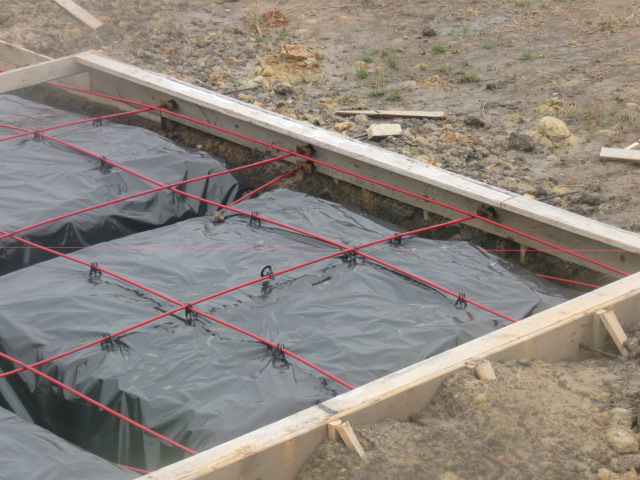
This is why we recommend phase inspections for new home construction. They would have had an inspector out before the foundation was poured, who would have caught the error then, and avoided this costly and frustrating issue.
Exploded Pier

The previous example was a slab foundation, and this is an example of a pier and beam foundation— the other major type of foundation we see in residential construction. This is a concrete pier that has … exploded, which is pretty unusual. The inspector explained it this way, “The piers are typically surrounded in cardboard when they’re poured/formed. The cardboard might have separated and made it look a little more ‘exploded’ than it really was. The concrete was probably poorly formed, and it may have crushed due to the weight applied.” In most newer pier and beam foundations, the piers are made from concrete or metal. The older ones are usually made from wood.
If you are suffering from foundation nightmares, we recommend contacting a structural engineer to have your property evaluated. They will charge you a fee, but you will get an unbiased, science-based report on the status of your home’s foundation.