Take Advantage of the Historic Preservation Tax Incentive Program for Big Savings
Share News:

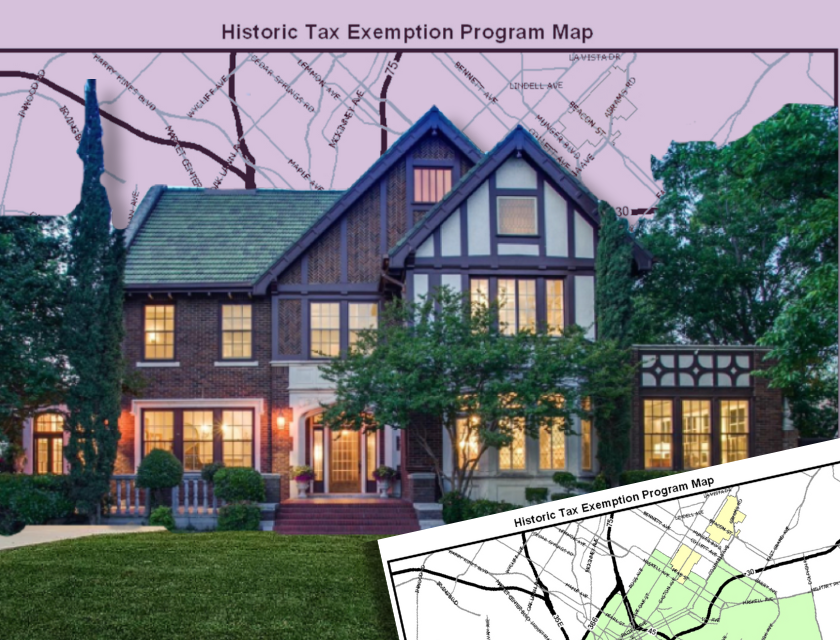
If you are considering a purchase in one of Dallas’s 21 historic residential districts, the City of Dallas is ready to lend you a hand with its Historic Preservation Tax Incentive Program. You can apply now for these city tax incentives that may encourage you to be bold and take that next step toward owning the historic home you always wanted.
The City of Dallas developed the Historic Preservation Tax Incentive Program to encourage the preservation of historic buildings and homes and revitalize neighborhoods.
“It’s a great incentive to promote preservation,” said Jim Anderson, former Historic Preservation Officer for the City of Dallas Landmark Commissioner. “Our program in Dallas has been a leader in preservation ordinances in historic preservation in America.”
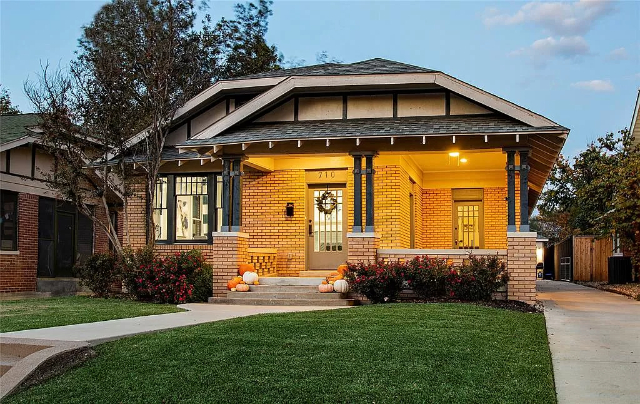
I regularly write about the loss of our residential architectural heritage. Every month, it seems we see a historic home demolished by owners, architects, or developers who set the tone and vision for our neighborhoods. Some of that is greed, or a “I want what I want where I want it” attitude, however, plenty of it is sheer ignorance. So, let’s take a quick crash course on how preserving your historic home can save you money.
How To Save Money With the Historic Preservation Tax Incentive
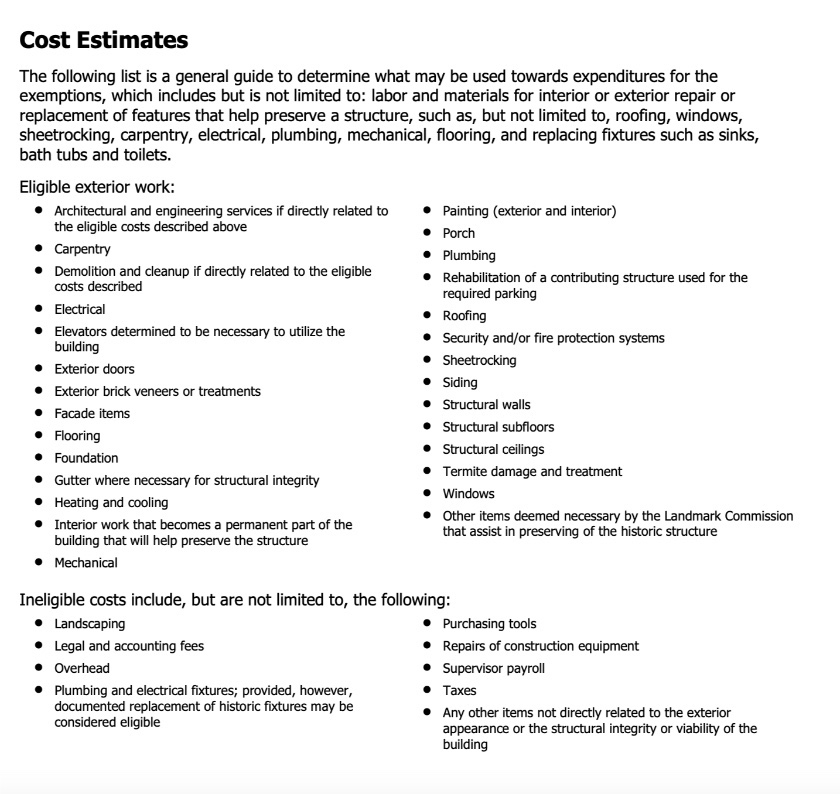
This city program provides a tax exemption for work you do to your property. That’s right! Think about what you do when you purchase a home: You might paint, remodel the bathrooms and the kitchen, or update plumbing and electrical. If you live in a nationally-designated historic district, you can get a tax credit for this. The Historic Preservation Tax Incentive is essentially a gift from the City of Dallas for doing work that needs to be done.

The first step is determining eligibility by the Landmark Commission, which will determine if a home is a “contributing building” that “upholds the character of the neighborhood,” or just a “compatible building.”
If you have a contributing home, you have the green light to start the process. If yours is only labeled compatible, you may be able to reverse that and have it labeled contributing. An example is if a front porch was enclosed and that took the home from contributing to compatible. Simply removing the enclosure could completely change the designation.
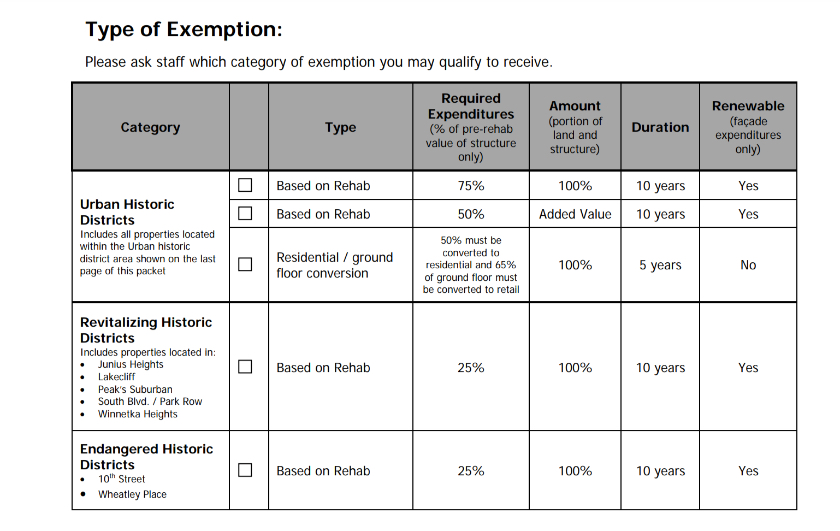
“Once it’s approved, it’s in place for 10 years,” said Realtor and District 1 Landmark Commissioner Diane Sherman. “It’s also a good marketing tool if you are selling your home because it transfers with the property.”
What If Your Historic Home Has Already Been Updated?
So what if you buy a historic home that has already been remodeled but no one has bothered to apply for the Historic Tax Incentive program? You are in luck!
When former Landmark Commissioner and Realtor Elizabeth Mast purchased her historic home, she was aware it had been remodeled. “I pulled the permits for all the work done and was able to find out the general contractor,” she said. “He gave me receipts, and I applied that way. You can go back three years or forward three years. It’s a great marketing tool for any Realtor.”
To clarify that three years forward and backward scenario, you can receive the tax incentive for work done up to three years prior. Or, when you purchase the home and do the renovations, you have three years to complete the work and receive the tax incentive.
General Contractors May Apply Too
This is also a tool used by smart general contractors like Steel Toe Stiletto’s owner, Tam Pham, who applies for the historic tax incentive on every home she brings back to life. “I do it for my clients and all the houses I’ve restored,” Pham said.
Pham is doing something very right as she and Anderson just won the prestigious Gail Thoma Patterson Award for their work on a 1915 Junius Heights Craftsman.
‘You become a steward of a piece of history’
When Wayne Noble and Barry Jones fell in love with the historic Stubbs House at 6243 La Vista at the head of Swiss Avenue, they knew nothing about the incentive. “Our Realtor Elizabeth Mast had applied for the historic tax incentive on the house,” Nobel said. “It’s a wonderful incentive that few areas have available. When you purchase a historic home, you become a steward of a piece of history. The tax incentive is a nice pat on the back from the city to say we appreciate you protecting the property. It makes you feel good about what you are doing.”

Let’s help get the word out. If your historic district neighborhood has a neighborhood newsletter, add the links to the incentive program, and feel free to link to this story. Plus, we’d love to hear your historic preservation wins here on CandysDirt.com, so share your story in the comments below.