
Dallas Growth

I had the chance to pick the brain of James Lee, 2016 chair of the Counselors of Real Estate, after he presented the Top 10 Issues Affecting Real Estate at the National Association of Real Estate Editors Spring Conference in hot-and-muggy New Orleans. While the full list (available after the jump) was far-reaching in scope,…
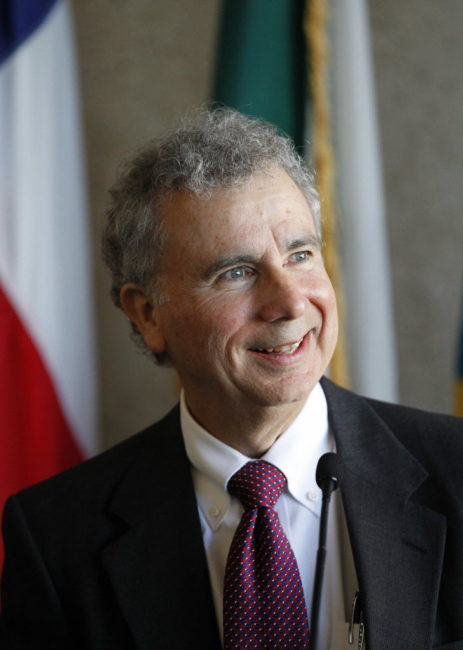
WFAA-TV reported on Monday that Dallas City Manager A.C. Gonzalez is retiring after two-and-a-half years as the manager of the city, the most powerful job at City Hall. Gonzalez is married to motivational psychologist Melinda Marcus. Arthur Charles Gonzalez is the city’s top CEO. He oversees a $3.1 billion budget and manages 13,000 employees. His salary…
Dallas is experiencing phenomenal inner city growth. Neighborhoods like Oak Cliff, the Trinity River Corridor, Deep Ellum, Ross Avenue, and the Design District are seeing urban infill like never before, showing up in all scales and types. These changes are remaking the city and opening up new opportunities for residents and businesses alike. But when we look…

The Productive Land Use Series will focus on annual property tax revenue at the neighborhood level. Since land is the city’s primary resource, this series will delve into how we are using our land and if we can use it more efficiently. For part 1, click here. In the previous post, we looked at various…
The city of Dallas is operating at a razor-thin margin, and cannot afford to waste its opportunities. Infrastructure alone will cost $900 million dollars to just bring our streets up to a satisfactory level. Meanwhile, the city is still responsible for public safety, code compliance, parks and recreation, among many other services that require money to operate. In…