
The Gorgeous Highland Park Tudor Anton Korn Built for His Own Family Is Finally Available
Share News:

Rarely does the opportunity come along to own a legacy home built by one of the most influential architects in Dallas. The home of Anton Korn has just hit the market, and it will take your breath away.
Anton Korn was one of the most important architects in the Park Cities before World War II. The home he built for his family in 1925 at 3635 Beverly Drive has been meticulously maintained for over 60 years by one family, and now it can finally be yours.
The Legacy of Anton Korn


Various accounts offer both Germany and the present-day Czech Republic as the birthplace of Anton Korn in 1886. He emigrated to America with his family at age 10.
Korn apprenticed in New York with the architectural firm of Crow Lewis & Wickenhoefer, known for their hospital architecture. The firm was instrumental in the remodel of Galveston’s John Sealy Hospital at the University of Texas Medical Branch, and Korn was sent there in 1914 as their on-site representative.
It was not long before word spread, and he was designing homes for the city’s second-generation German businessmen. By the time the hospital was finished in 1916, Korn had grown fond of Texas. He opened his practice in Dallas in 1917 and quickly began designing homes for the movers and shakers of the city, including the famous writer and minister Hugh Prather at 4700 Preston Road and 4215 Lakeside Dr., the original home of William P. Head, the chairman of the board of Texas Power and Light, and his wife, Lula Rose.
3635 Beverly Is Born
Because Korn was working in the Park Cities, it was easy to keep an eye out for the perfect location, and he found it at the corner of Beverly and Drexel, overlooking Hackberry Creek.
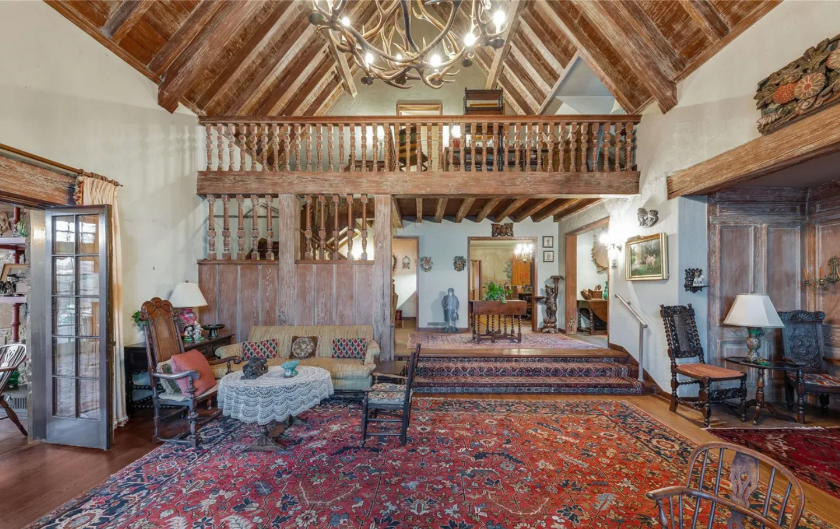
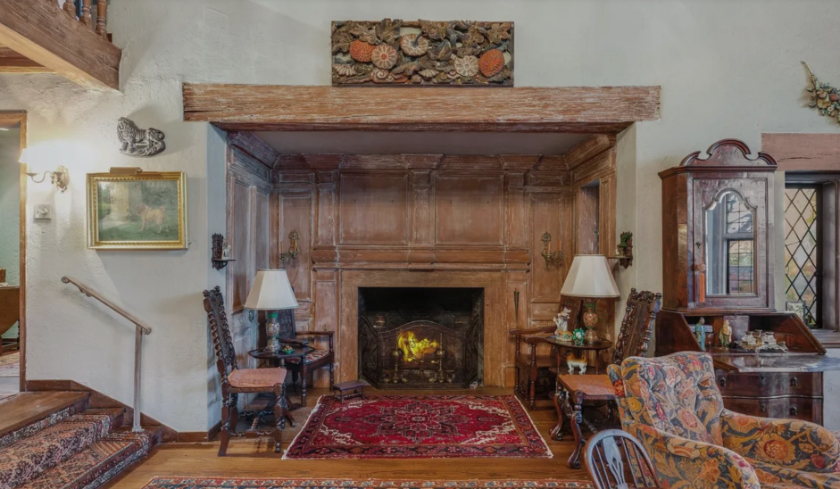
He built his family’s stately Tudor home to be the proverbial jaw-dropper from the moment you enter. The magnificent vaulted and beamed two-story great room created a template used by architects worldwide today. The great room timbers were salvaged from the Oriental Hotel when it was demolished in 1924. A 20-foot-tall staging glass window anchors the east end of the room, and a massive alcove fireplace framed in wood that matches the beamed ceiling is on the left side of the room.
That great room became a cultural salon. Marie Korn, an accomplished opera soprano who studied in New York and Italy, debuted as a soloist with the Dallas Symphony in 1927, prior to the founding of the Dallas Opera. Musical performances and artistic gatherings were common, including one attended by legendary Italian tenor Giovanni Martinelli of The Metropolitan Opera.
Source: Memories of Dallas
Art and music defined the home’s spirit. Marie’s sister, noted painter Edith Nagler, was part of the family’s creative circle, reinforcing the house’s role as a gathering place for Dallas’s cultural elite.
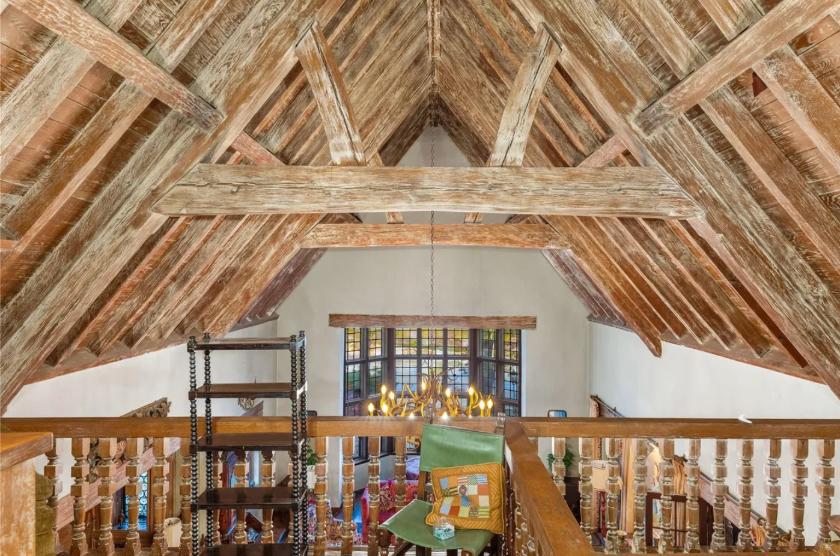
You can just imagine the kids sneaking out onto the second-floor interior balcony overlooking the first floor, with the most incredible view of the timbered ceiling, to watch the entertaining scene below.
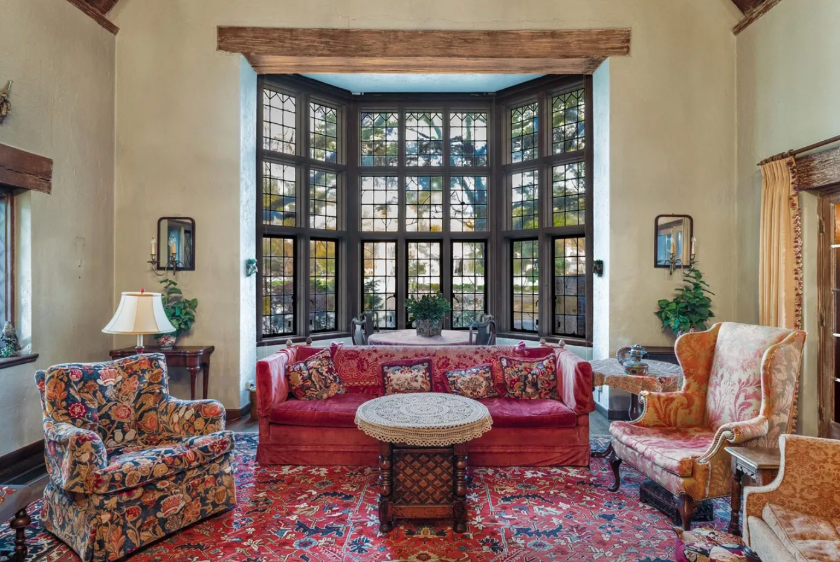
The home has 5,814 square feet, five bedrooms, and five and a half baths. The dining room, wrapped in a bucolic mural, features more large leaded glass windows that appeared in an advertisement for the International Casement Company.
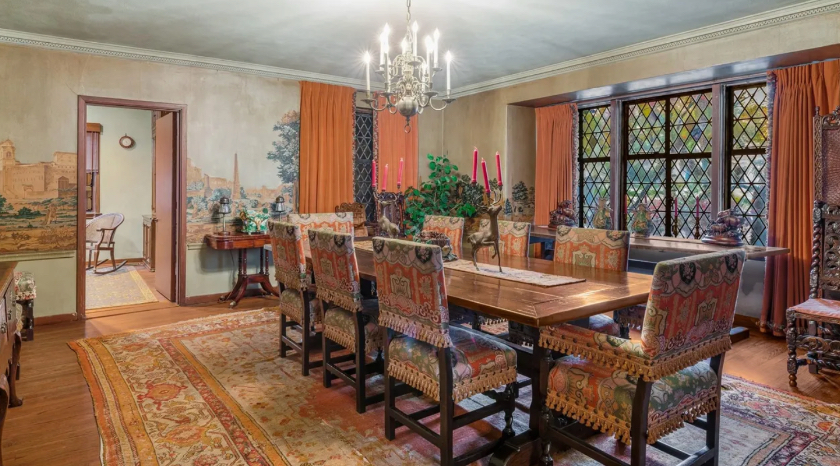
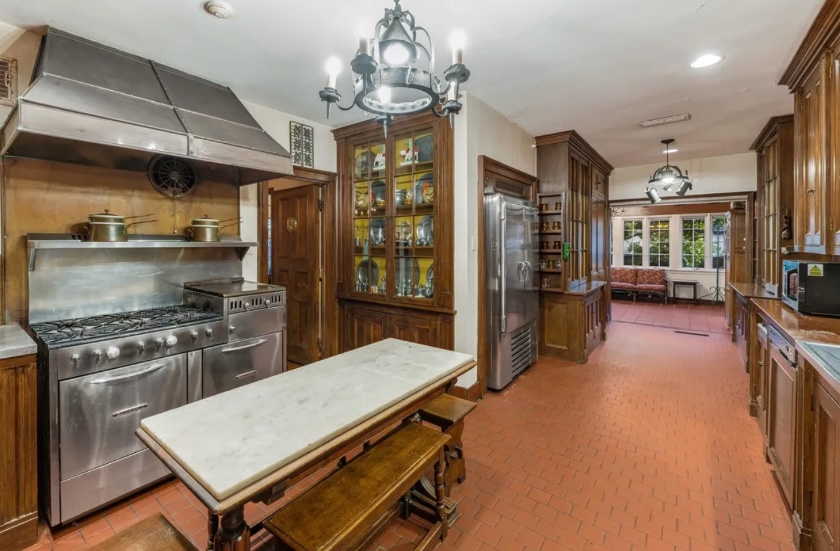
The Tudor-style house was featured in the March 1926 issue of “The Southern Architect and Building News” magazine. Anton purchased the lot in 1924 for $9,500 and subsequently built his timeless residence. The Korn family lived in the house until 1940, when they sold it for $25,000. Anton would later relocate to Waco, where he worked in the McLennan County area.
Source: Sidewalks of Dallas
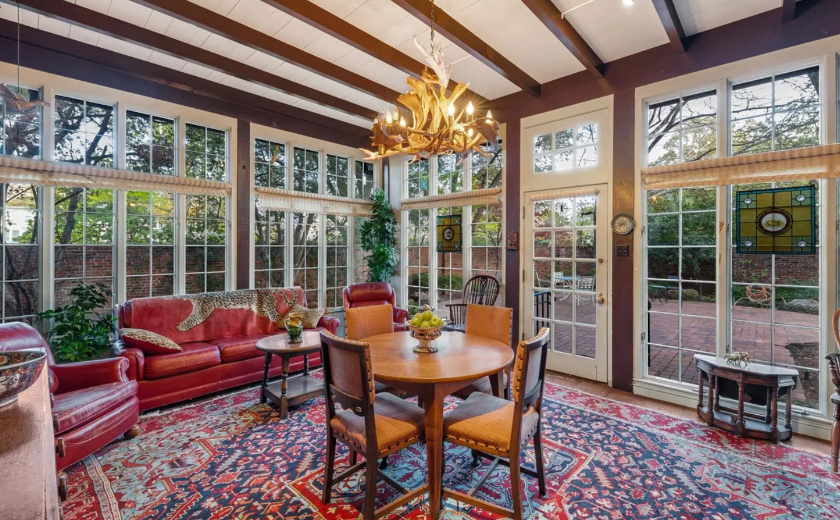
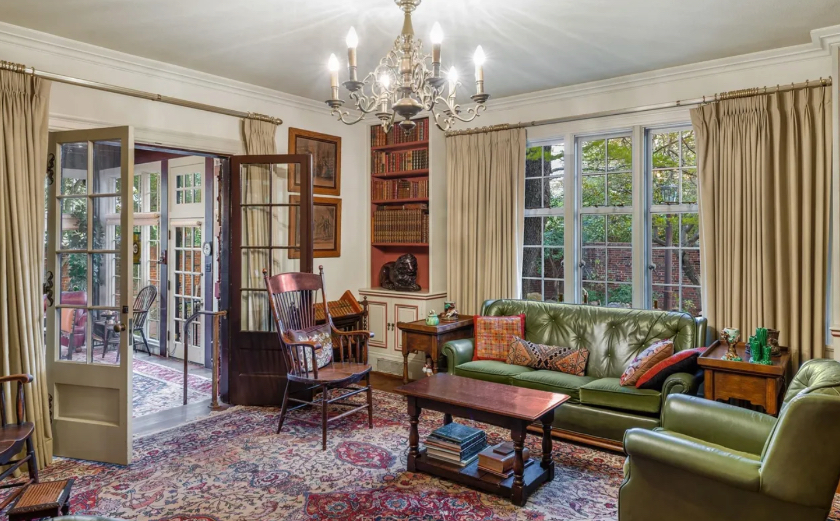
The current owners added an elevator, front garage, breakfast room, and enclosed sunroom, all in keeping with the original design. This home represents a rare opportunity to preserve a truly historic home in Highland Park.
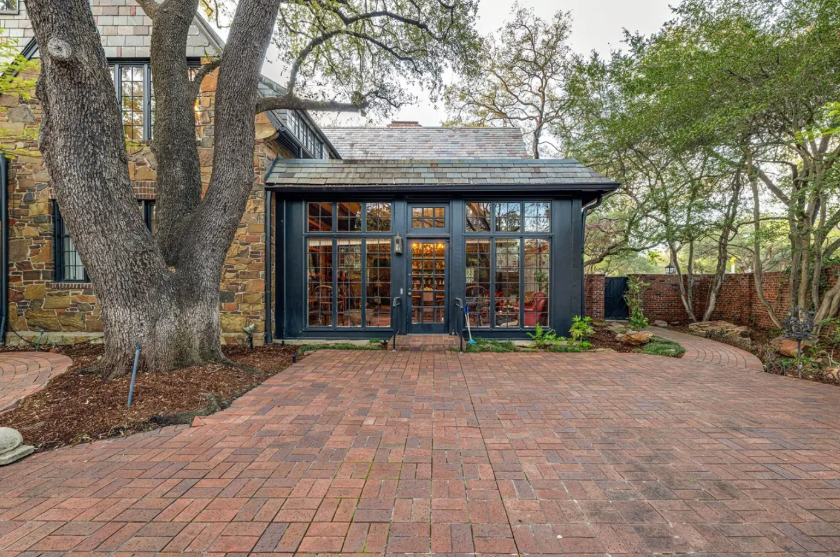
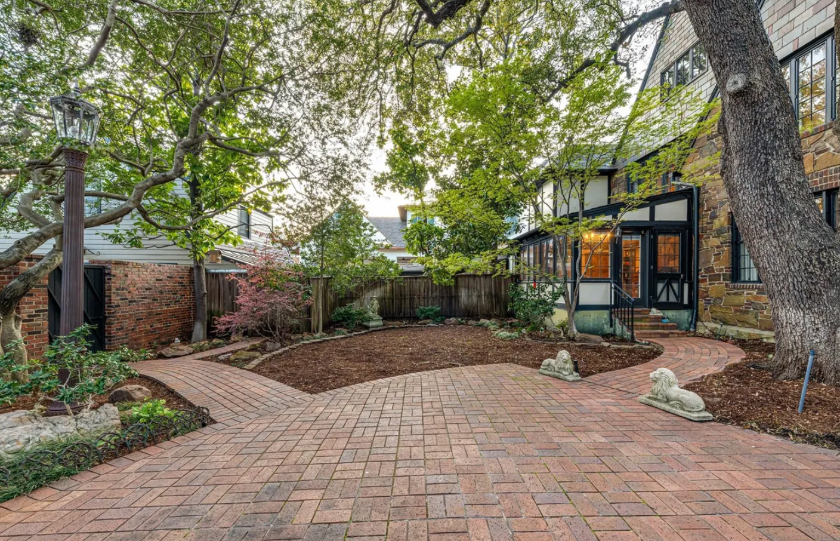
Bear in mind that an architect who started their career in commercial building generally has a deeper knowledge of structural systems and technical details. Add to that, any architect designing and overseeing the construction of a home for their family is going to ensure that the best materials are used and that nothing is overlooked.
Also, remember homes constructed in the 1920s were constructed with what we call old-growth wood and materials that cannot even be found today. That’s all to say when opportunity knocks, and an architect’s historic home becomes available, get your pen out and sign the contract immediately.
Ned Cammack of Coldwell Banker has listed 3635 Beverly Drive for $7.5 million.
Open House: 2 to 4 p.m. Saturday, April 4.
2 Comments
Leave a Comment



$25,000 in 1940 adjusts to $578,000 in 2026
Brian, This is the most coveted street in the Park Cities. No where in Dallas will you even find even a lot at that price. Real estate math is not actual math, it’s land value plus architectural and historic signifigance. Remember too the house was built in 1925 not 1940. The land value of a vacant lot in the Park cities is pushing 3 million today.