
Among Texas’ Wealthiest, Home Defense Dogs Are the Security System of Choice
Share News:

Home security is becoming more important for super wealthy households in Texas and throughout the United States, leading to increased spending on high-tech security features for luxury properties.
Christie’s International Real Estate’s latest annual luxury forecast survey found that around 66% of the real estate agents who responded said their clients were more concerned about home security than they had been previously.
While federal data suggests that crime has actually been going down on the whole since the 1990s, the perception of rising crime rates is pretty strong among the American public. On the luxury home front, that’s been translating into demand for features like AI-powered surveillance, safe rooms, acoustic sensors, and other advanced tech solutions to home defense.
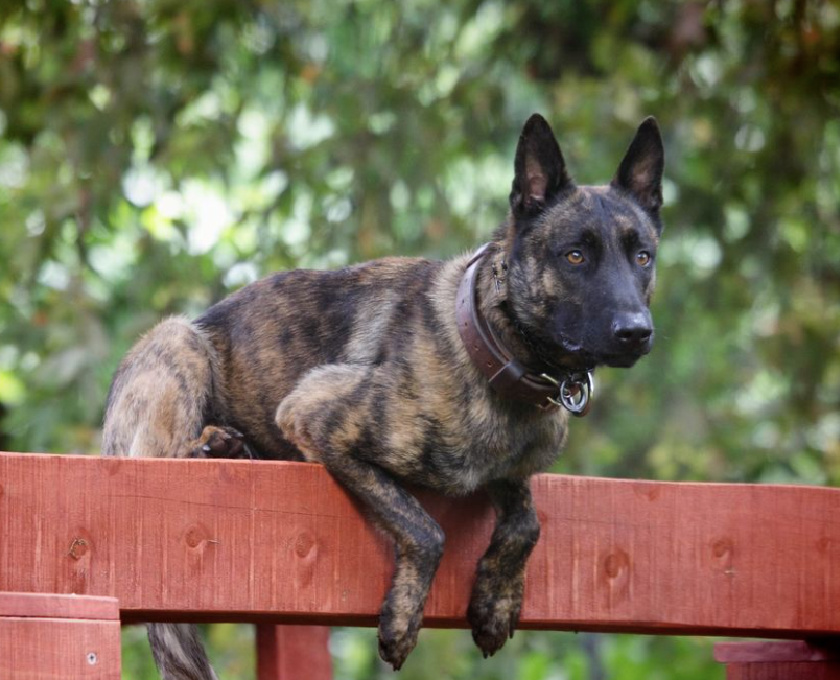
Even with all those options out there, some are going with a more traditional home defense system — a trusted canine.
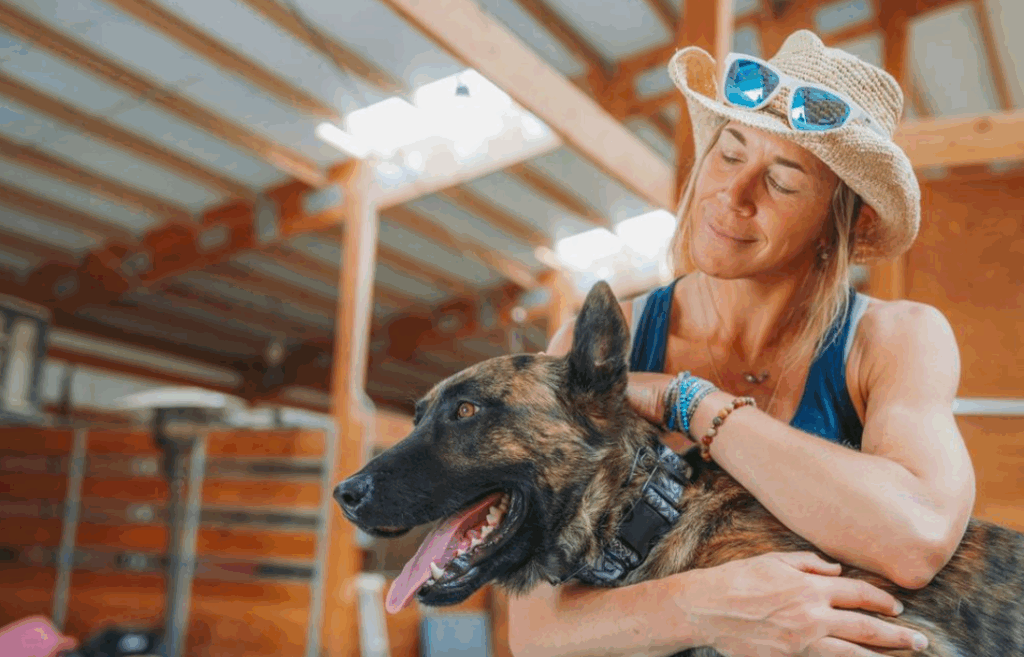
This year marks the 20th anniversary of Svalinn, a security dog breeding business based in Montana. Kim Greene, the founder of the company, recently spoke with CandysDirt.com about her operation and its high-dollar protective companions.
“We do not sell fear,” said Kim Greene, the founder and CEO of Svalinn. “But I will tell you the U.S. marketplace has changed significantly in the last 10-15 years, and people feel insecurity at different levels of their life — they just do. So the presence of one of these highly trained, thinking, discerning, stable, loving dogs by their side is a real grounding feeling for most of our canine owners.”
As it turns out, the Lone Star State is a top market for Svalinn, with wealthy clients in the Dallas and Houston metros paying top dollar for the company’s specially trained dogs.
“We’re based in the Bozeman area and happen to be near Big Sky. We do a lot of socialization of the dogs around this area, and it does happen that a lot of folks from Texas either come here during the winter to ski or spend time here in the summer months,” Greene said. “I think it’s just that exposure, having met our dogs, word of mouth, and there’s probably just a lot of disposable income among certain families in your neck of the woods.”
No doubt that’s true in Dallas. Last year, the metro was reportedly home to more than 60,000 millionaires, 125 centi-millionaires, and 15 billionaires.
Greene also opined that Texas shares a similar culture to Montana in some regards.
“They really prioritize peace of mind, well-being, and safety. They don’t live in fear, but they take on a preparedness mindset,” she said. “It’s not happenstance that a lot of our dogs end up in that area.”
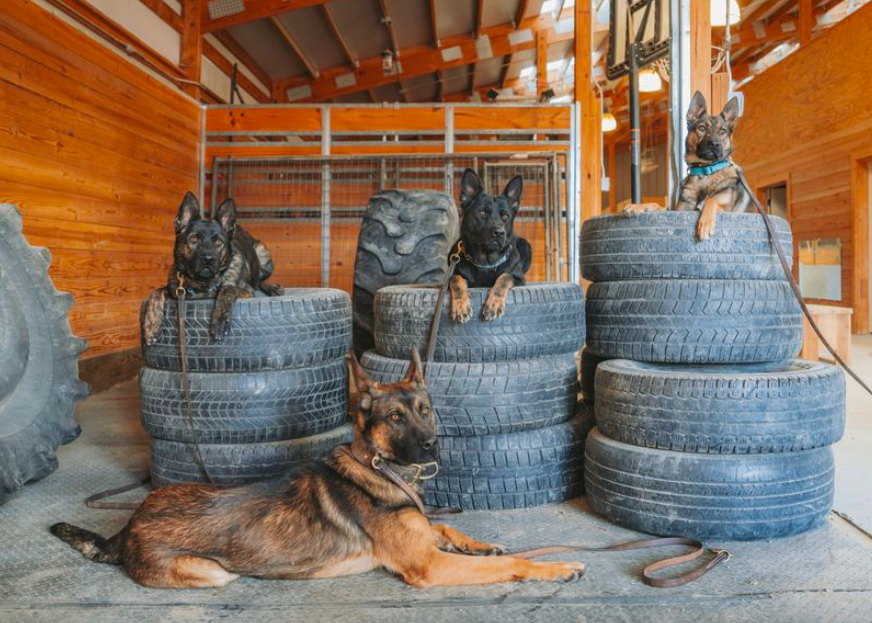
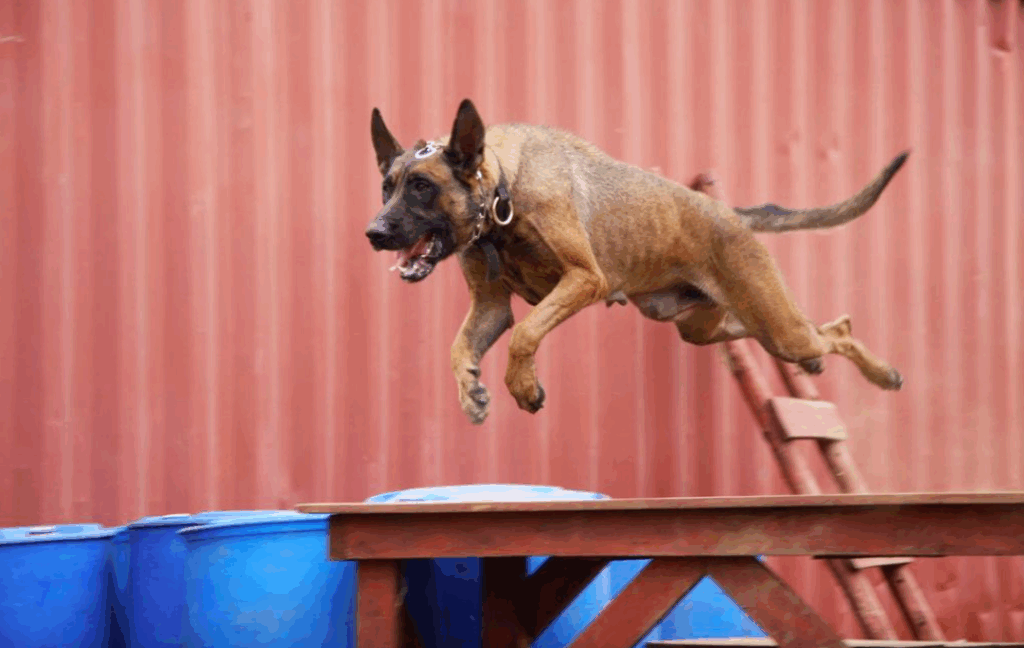
Svalinn’s dogs start training at around several weeks old, with an early emphasis on obedience and environmental conditioning.
“It’s the repetition of that system, layering in scent work, search work, protection work, etc. All of that is layered over roughly two years,” Greene said.
Once a dog has completed its training, Svalinn doesn’t simply deliver it to a client. Instead, trainers work with the new family for several days, teaching them how to give commands and integrate the new family member into daily routines.
“We’re transitioning our operating system, our obedience and all of this to you. The dog knows how to do it, but you don’t know it yet,” Greene said. “Then we come back between days 30 and 45 to run through all of the protection scenarios.”
Professionals demonstrate the dog’s training by penetrating the home in a “scenario-based manner.”

“We show you how your dog can protect you and create distance, space, and time for your family to move to safety, if God forbid that was ever necessary,” she said.
Svalinn trainers also return once a year to refresh the dog’s training for the rest of its life.
Greene launched Svalinn in Kenya in 2005 before relocating to the United States in 2013. She described the public safety situation in the East African nation as “challenging,” with many home invasions and carjackings. Being a new mother at the time, Greene wanted to feel more secure, and from that vantage point, the idea of a family protection dog sprang to mind.
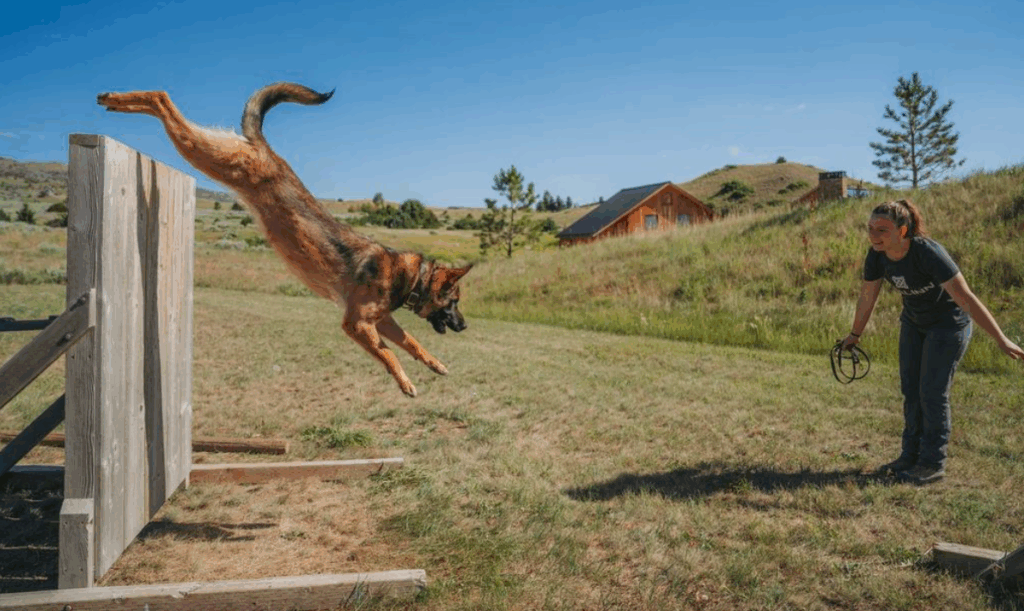
She began crossbreeding German Shepherds, Dutch Shepherds, and Belgian Malinois — dogs that, while respected for their intelligence and drive, can be more than a handful as purebreds. The goal was a calmer, more discerning animal: stable enough for family life but capable of offering serious protection when necessary.
Greene’s dogs start at $150,000 each, putting them on the relatively high end of the home security system market. Even at that price tag, Svalinn has been doing well. The company clocked around 20 sales in 2024.