Grapevine’s Nash Farm: An Example of Getting Historic Preservation Right
Share News:

Preservation architect Marcel Quimby called me up last week and said, “How would you like to go to Grapevine at 8:30 in the morning and hear a presentation on Nash Farm, a historic farmhouse I worked on years ago?” I am not an early riser. Grapevine is what I consider a hike. However, I have found over the years that whatever Marcel has been involved in is always deeply interesting to an ardent historic preservationist like me. So off we went, and boy, am I glad I did.
Grapevine is the best example I have seen of how to honor your heritage and do preservation right. There is no finer illustration of this than Nash Farm. When I rounded the corner from parking my car and saw it for the first time, I was not just impressed — I was awestruck. Then the sadness hit because Dallas seldom gets preservation right and certainly does not have leadership that gives a flip about it. You see, it’s not just the folks who live and breathe preservation that have protected Grapevine’s historic assets; it’s also their leadership. In fact, leadership has been integral in preserving the city’s built history.
Historic Preservation Officer David Klempin and local historian Sallie Andrews explained to us how a sleepy farming community evolved into a significant economic engine for North Texas and how preservation plays an essential part in continued growth.
It starts with Dallas-Fort Worth Airport. In 1962, the FAA announced it would no longer fund individual airports for each city. Local leaders were instructed to come up with a plan that consolidated operations into a single location. The logical choice was midway between the flagship cities, with Grapevine providing approximately half of the acreage necessary for the new airport. That means Grapevine receives the majority of local sales taxes from stores and restaurants at DFW Airport. They split the collection of property taxes on commercial land along with Euless, Coppell, and Irving.
Add to this rosy picture the fact that, like all cities, Grapevine collects hotel tax. When DFW Airport opened in 1974, there was one on-site hotel. The following decade saw a handful of hotels open to serve the airport, but it was not until Paul W. McCallum became head of the Grapevine Convention & Visitors Bureau in 1987 that things really began to change. Along with the help of visionary Mayor William D. Tate, Grapevine landed the Gaylord Texan Resort & Convention Center, the second-largest convention center hotel outside of Las Vegas. Mayor Tate told the press, “It has been a game-changer for us.”
Hotel tax generates approximately $26.8 million for Grapevine now. Among the things that income can finance is, you guessed it, historic preservation.
Now, let’s step back a bit. A lot of folks would have run for the hills upon learning they were giving up thousands of acres of their land for an airport. Grapevine leaders and residents did the opposite, and that boils down to a couple of very important things Grapevine has. One is an ingrained pioneer spirit that has endured. The other is ethical civic leadership, which has also endured. Mayor Tate has been in office for 50 years. Paul McCallum has led the CVB for 38 years. These men have the sort of vision that catches fire and invigorates those around them.
“Mayor Tate oversaw the transition of the community from agricultural use to international global use,” Klempin said.
This vision and true civic leadership are why Grapevine has phenomenal historic preservation, and Nash Farm is the example that truly stands out.
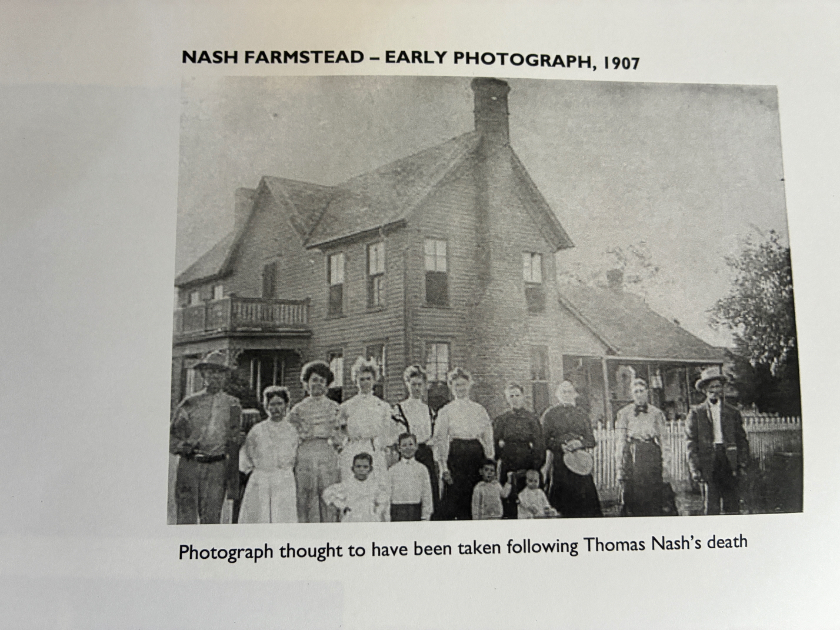
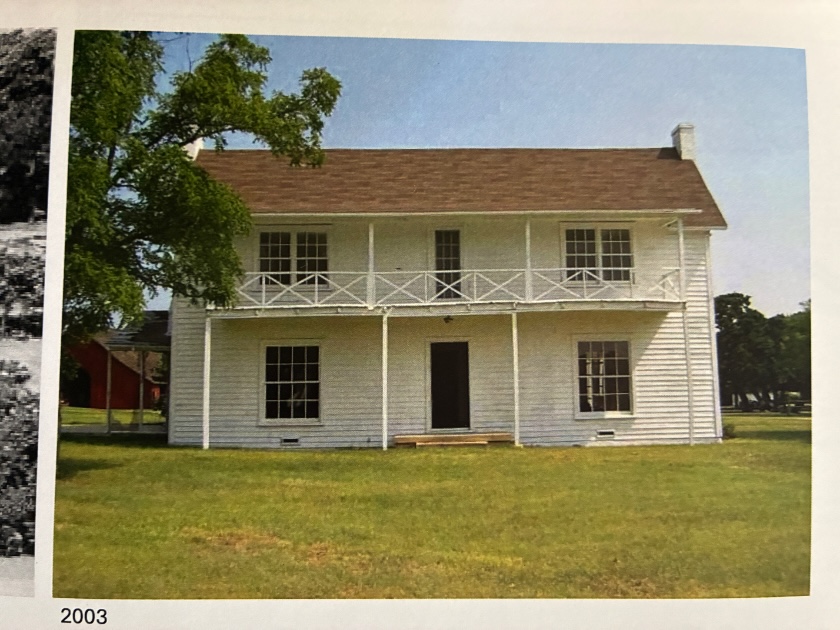
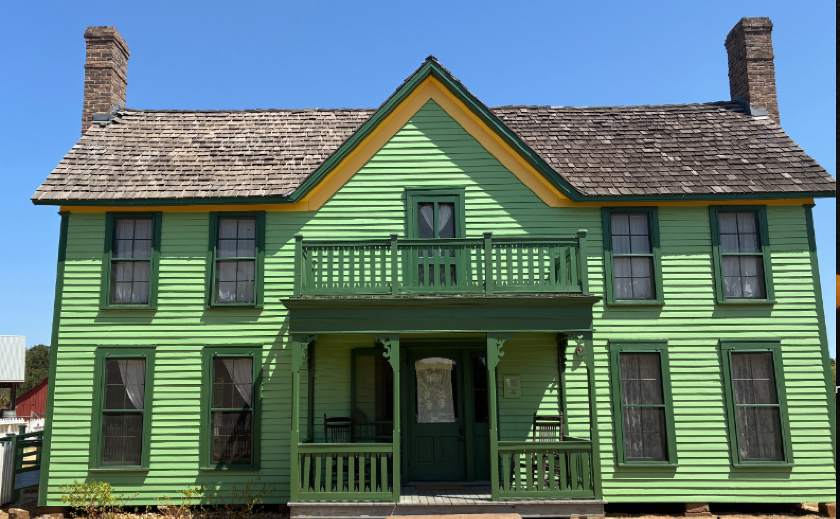
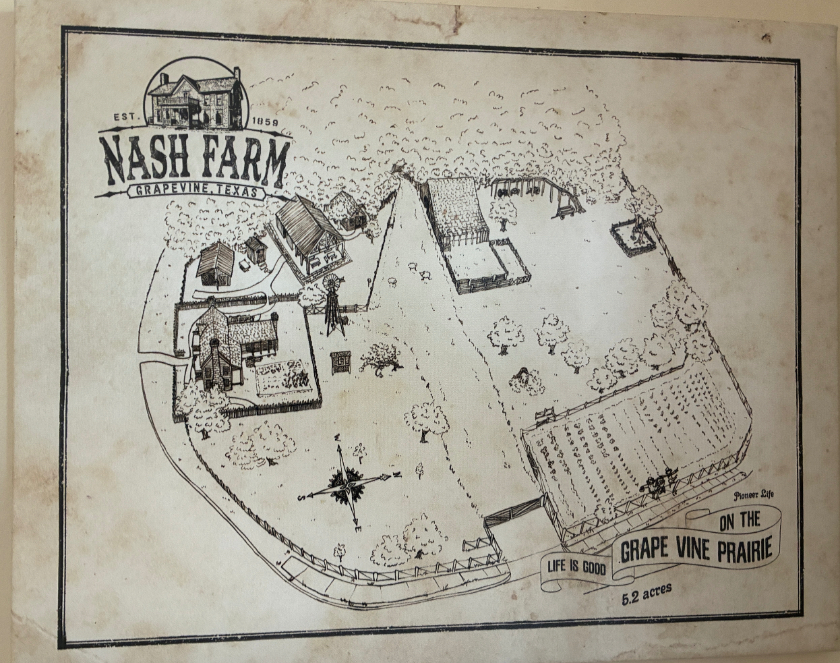
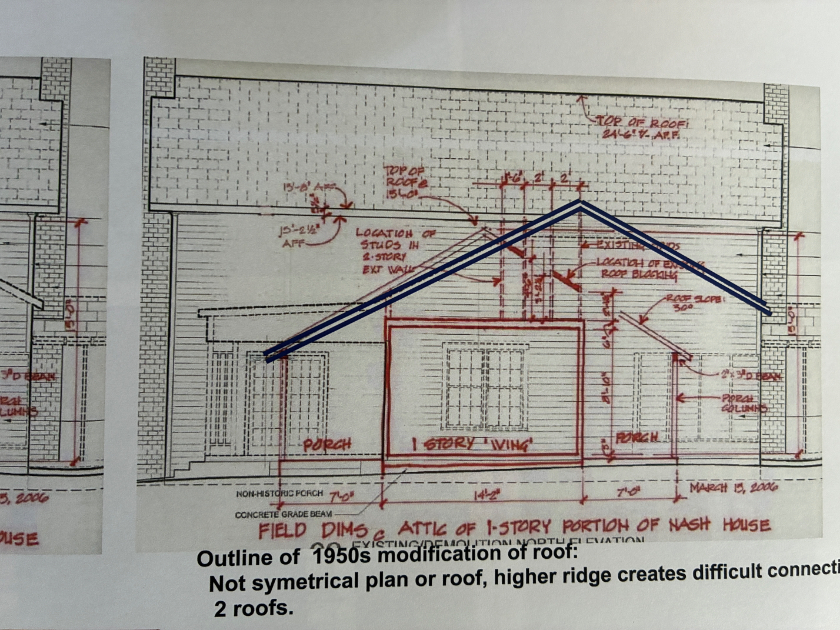
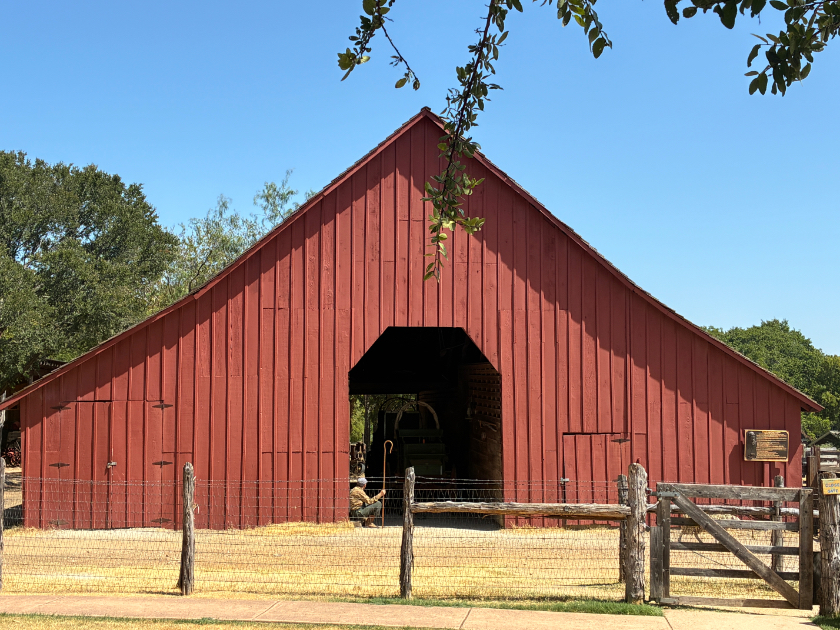
In 1859, Thomas Jefferson Nash, Elizabeth Mouser Nash, and their three children migrated from Kentucky to Texas and founded the farm, which eventually grew to 450 acres. Now a bit over five acres, it is one of the last remaining agrarian sites from the 19th century in North Texas. The farmhouse was a prime candidate for restoration after a large modification in the 1950s completely changed its appearance.
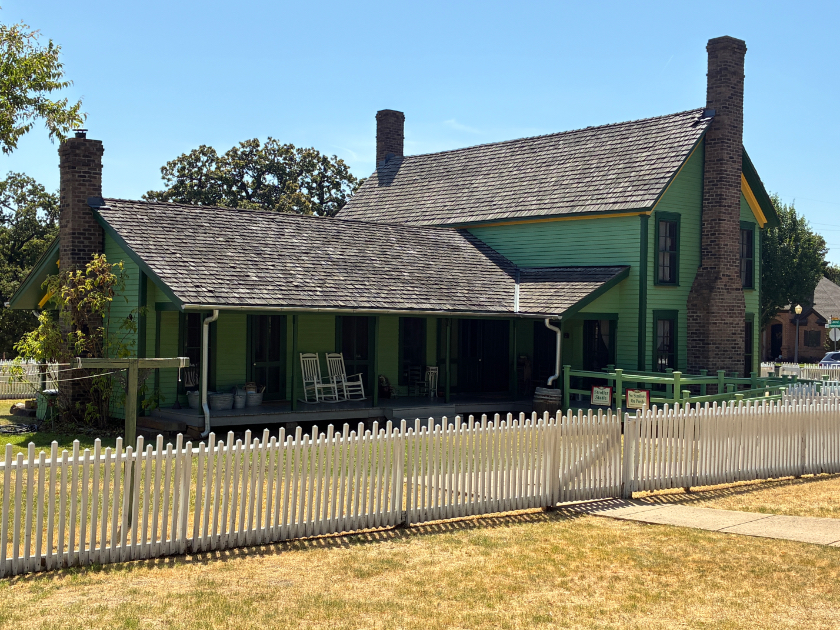
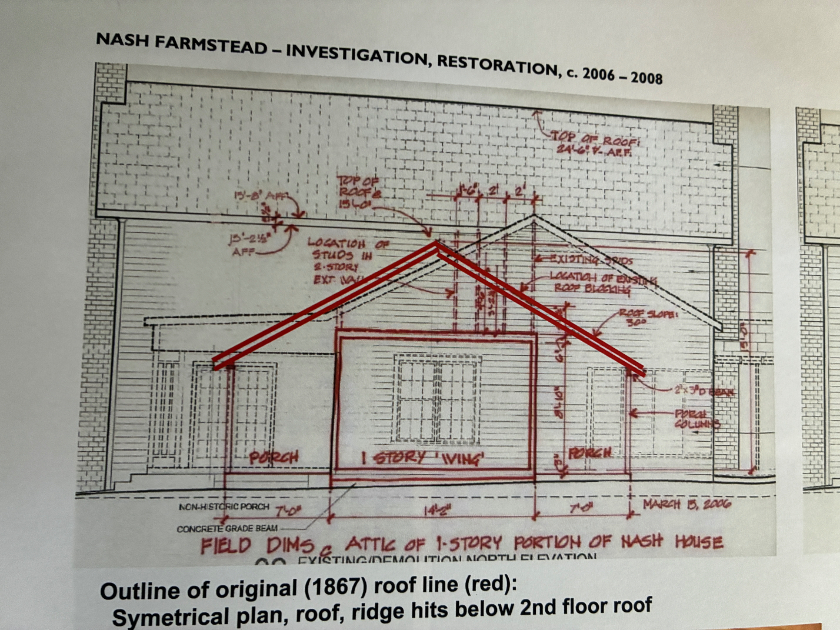
The farmhouse was built in 1869 along what is known as an I-Plan. “These folk houses were two rooms wide with a central hall, one room deep, and were commonly found in Indiana and Illinois,” Quimby said. “When I first saw it in 2003, it looked like the 1950s photo. It took about nine months to do the research and 12-15 months to reconstruct it.”
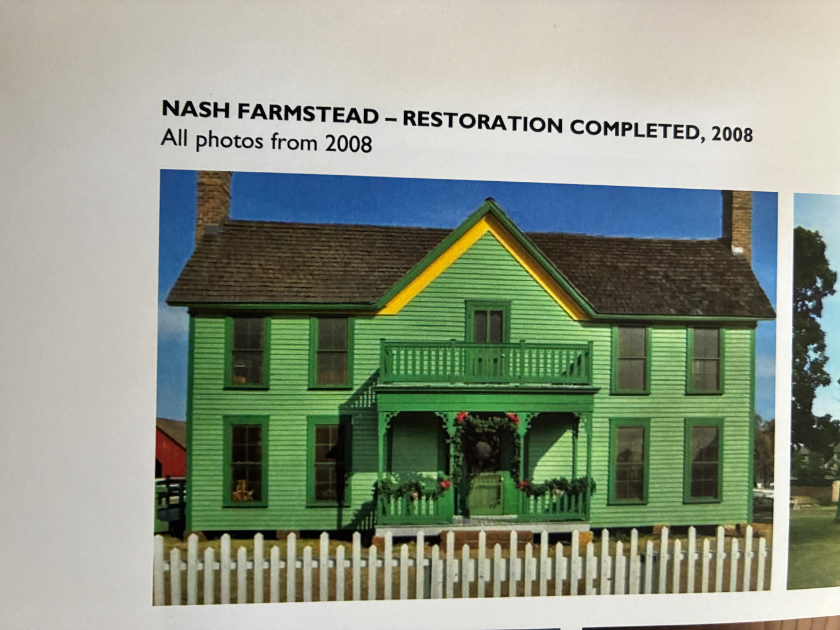
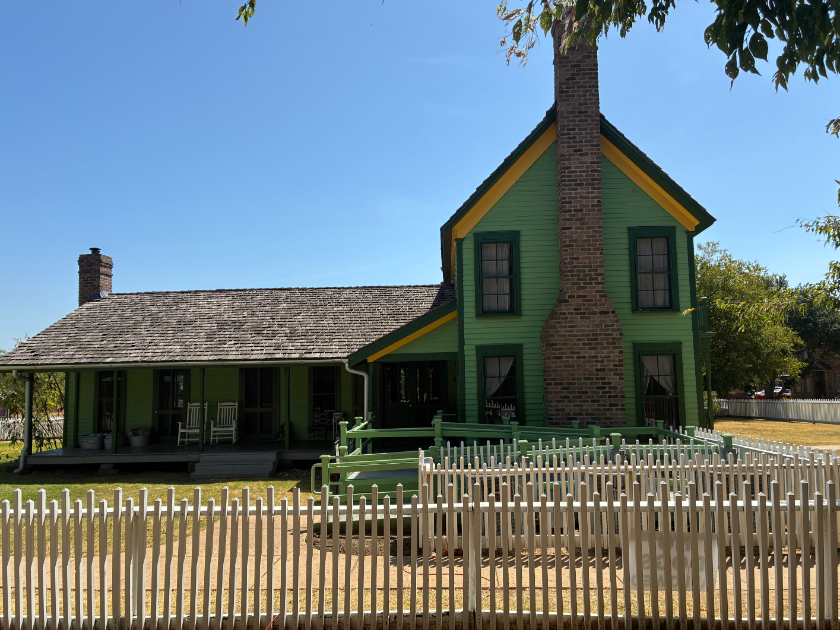
The color, of course, is the most arresting element of the restoration. What most people do not know about historic restoration is all of the analysis that takes place. Stashka Starr, who oversaw the restoration of Fair Park’s Art Deco frescos, was called upon to determine the original colors, and yes, it was originally dark green. The resulting shade is within the same green family as the original color. The bargeboard was also originally yellow, a happy color often used as trim.
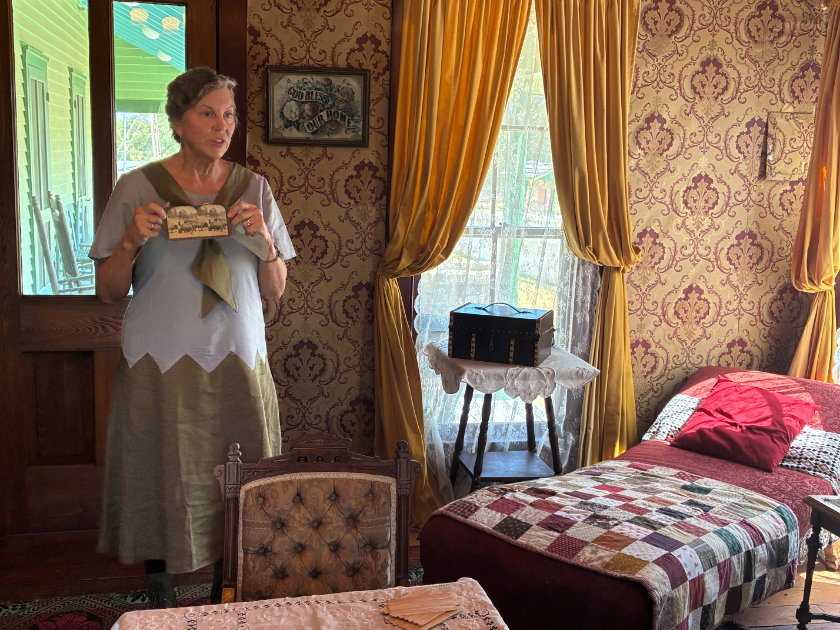
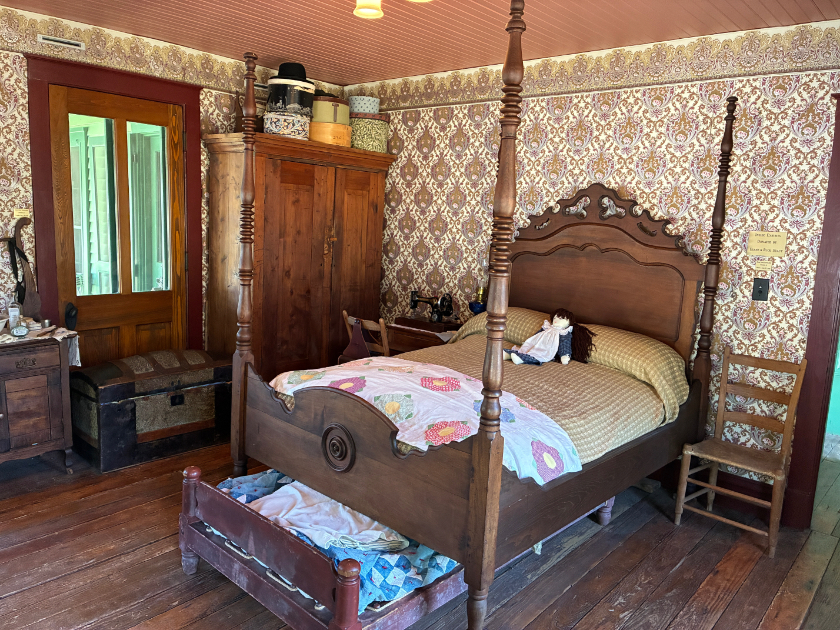
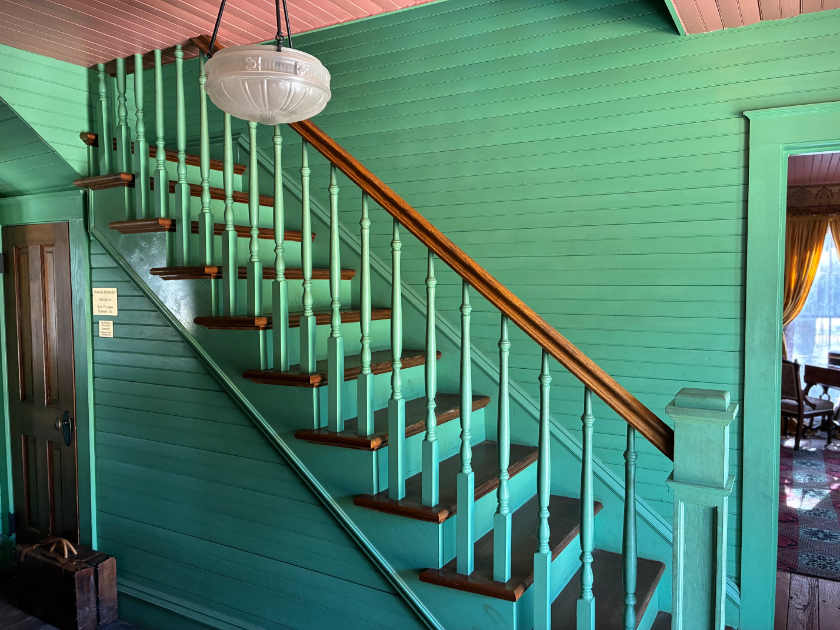
“The research included finding places that could make custom brick that matched the 1867 chimney brick, and finding wallpaper commensurate with the period,” Quimby said. “It was such a unique project. The contractor found the support posts for the side porches in the attic. For the City of Grapevine to take an older home that had been totally modified back to its historic original appearance, that’s important.”
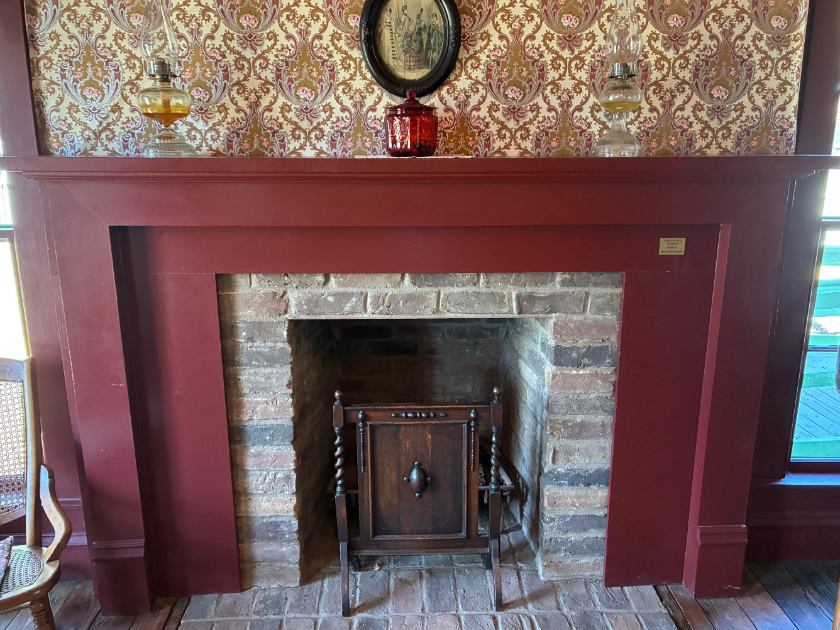
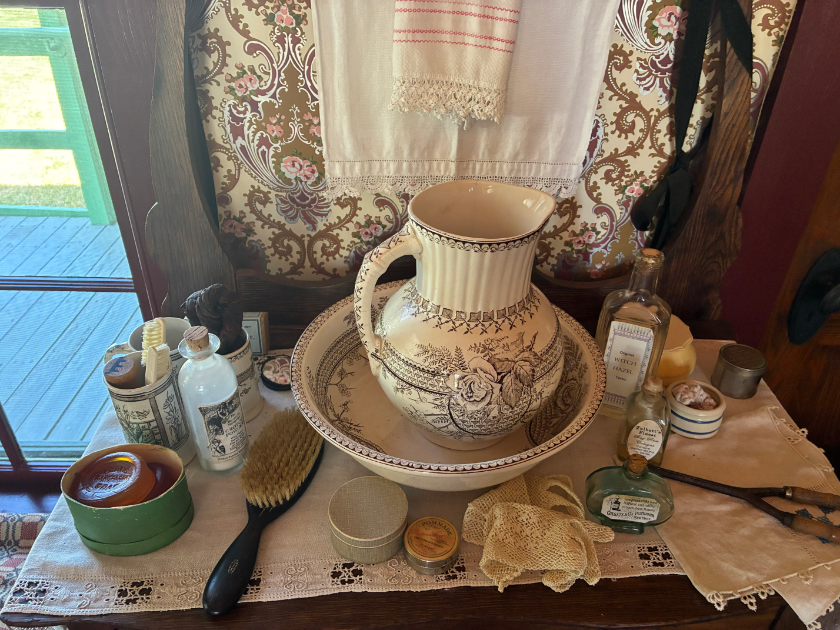
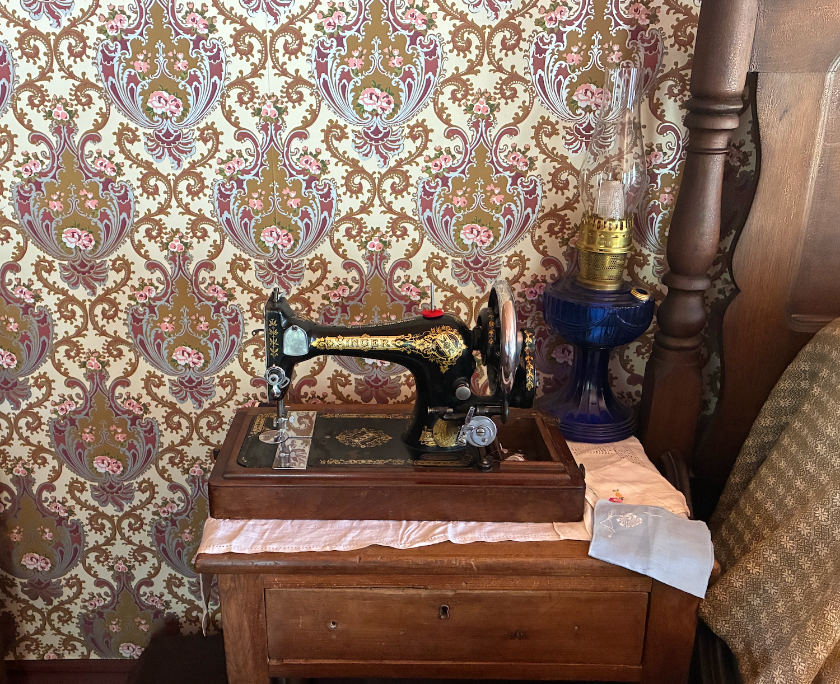
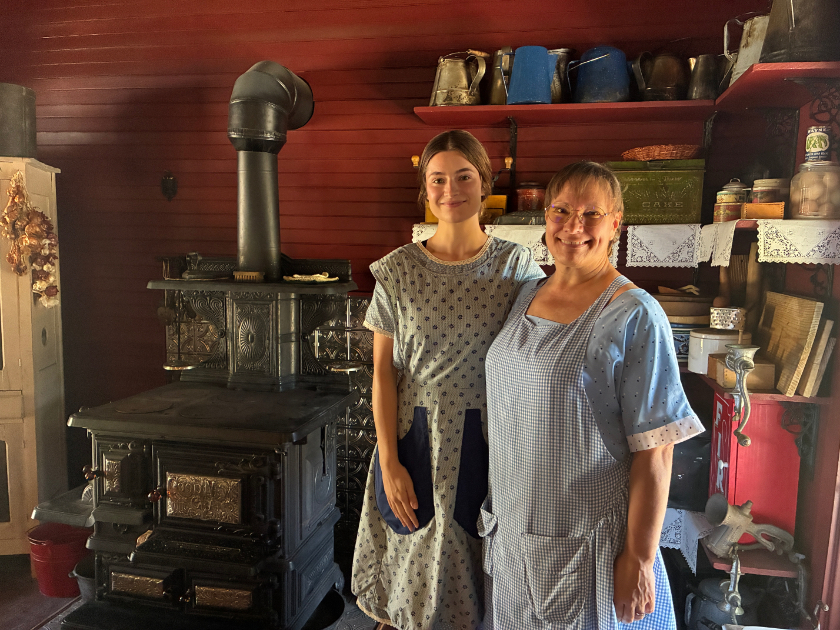
All the hard work paid off in multiple ways. Nash Farm was added to the National Register of Historic Places in 2010 and is now a living history farm open to the public. It’s a revolving door of events with tours, educational, corporate, and wedding events, and even barn dances. There is something exciting going on every week. Farm manager Shadelyn McOsker oversees the day-to-day running of the farm, and Kim Hodges Hale is the Nash Farm education coordinator. It is Hodges who actually cooks on the original 1892 stove that was donated to the farm. All of the staff wear period clothing, adding to the authenticity of your visit.
Grapevine has figured out that historic preservation can make a city an attractive destination and help drive tourism revenue, and that’s an important lesson for city leaders everywhere.
Nash Farm is open daily from 9 a.m. to 5 p.m. at 626 Ball St. in Grapevine. Free. grapevinetexasusa.com.