
What Dallas City Hall Means to the Asian-American Community
Share News:

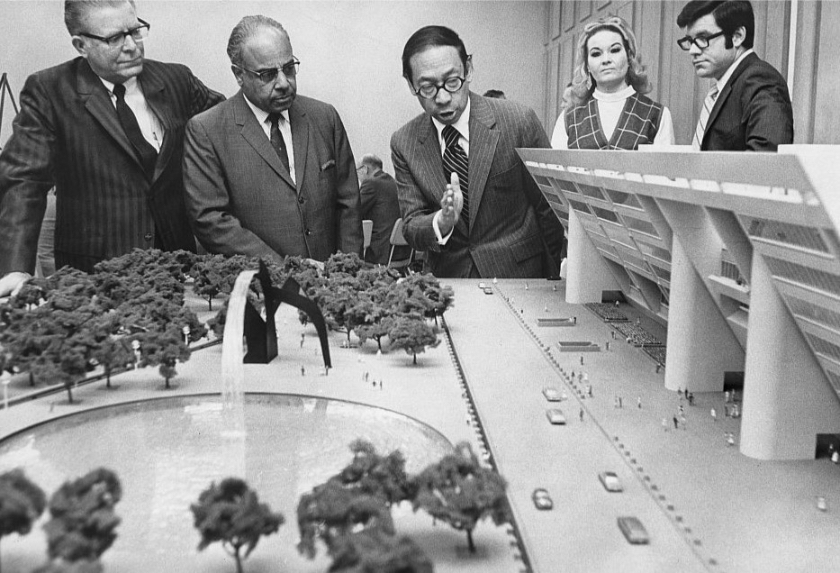
When Stephanie Drenka spoke yesterday morning at City Hall, I realized we have neglected to tell an extremely important part of the City Hall story. We’ve been focused on architecture, history, and economics, but we have not talked about the connection between Dallas’ Asian-American community and one of the city’s most iconic buildings.
Drenka is the co-founder and executive director of the Asian American Historical Society, whose mission is “to research, preserve, and amplify the legacy of Asian Americans in the Dallas area.”
Most of us don’t realize how deeply the Asian community in Dallas is embedded in our history. In 1872, the first Chinese immigrants were recorded in Dallas city directories. They opened businesses, laundromats, and restaurants. That early history has been erased. The Bank of America tower now sits on land where the first Chinese laundry was established. There is no marker, no recognition.
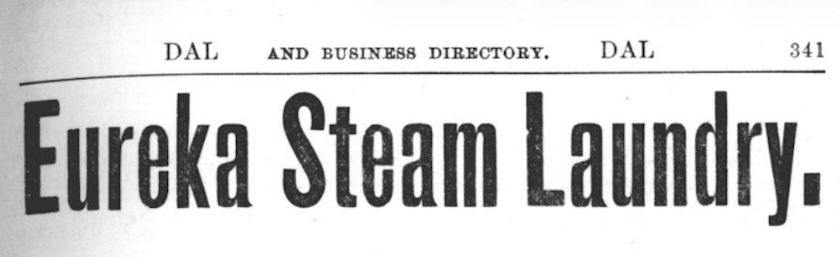
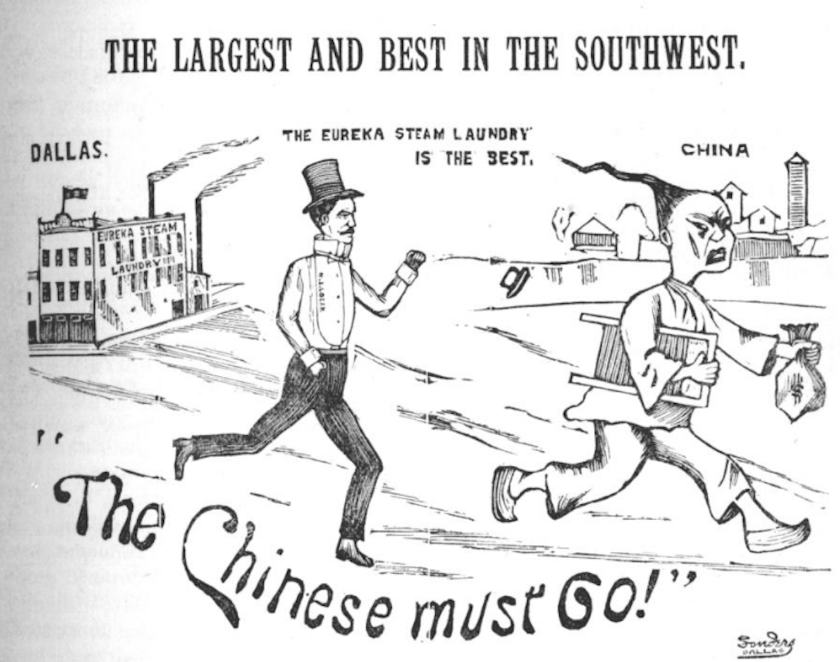
Anti-Asian sentiment, unfortunately, rears its ugly head on a regular basis. In 1935, I.M. Pei arrived in America to study architecture at a time of widespread anti-Asian sentiment. By the time his student visa expired, Japan had occupied China. He stayed, renounced his citizenship, and became an American citizen.
As we all know, now, he became one of the most influential architects of the 20th century with works like the Louvre Pyramid, the National Gallery of Art East Building, and, of course, our iconic Dallas City Hall.
Today, Dallas has 192,000 Asian residents, the second-largest Asian population of any Texas county, yet many are unaware that City Hall is an I.M. Pei work.
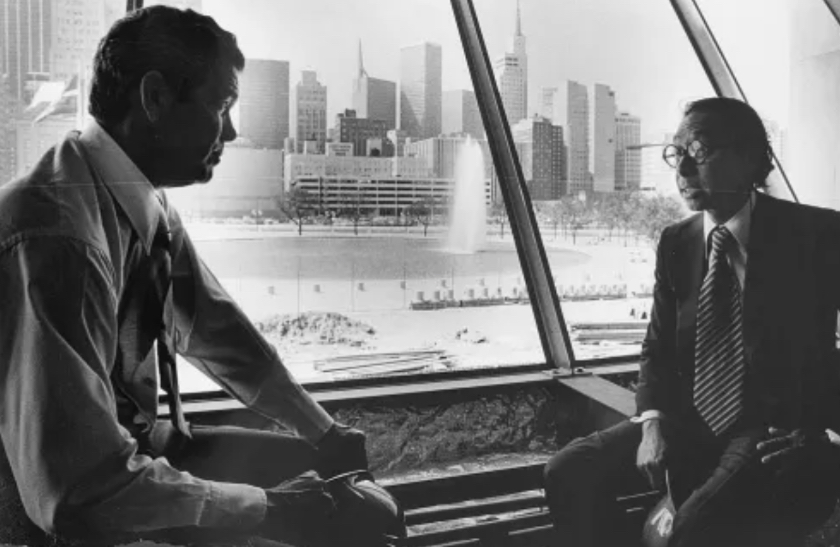
“To dismantle one of the most prominent civic structures designed by an Asian American immigrant sends a powerful signal about whose contributions are treated as permanent and whose are considered expendable when conditions change.”
Stephanie Drenka
“It’s a sign of a larger issue nationwide,” Drenka said. Asian American stories are erased, not taught. There are very few courses where you’d learn about I.M. Pei. What is unique and important is that we have physical evidence here of his brilliance, genius, and art in Dallas. By now, so many businesses, buildings, and physical traces of our early work and contributions are gone. They have been bulldozed. To risk losing something that is so quintessential Dallas, which was created by an Asian American, is beyond comprehension that the city would become the first in the world to destroy an I.M Pei structure. It would be blasphemous to remove the Louvre pyramid, so why is our City Hall a consideration?”

Drenka gave me permission to reprint her comments to the Dallas City Council yesterday morning. They could not have come at a better time.
“June is National Immigrant Heritage Month. At a moment when enormous public resources are being used to target immigrant communities, we should be investing that energy to honor their contributions.
So I’m here to share the story of Asian American immigrant Ieoh Ming Pei, whose name in Chinese means ‘to inscribe brightly.’
I.M. Pei arrived in the United States in 1935 at just 18 years old. During a time shaped by exclusionary immigration laws and racial discrimination, he earned his architecture degree from MIT, completed graduate studies at Harvard, and rose to become one of the world’s most influential architects.
Pei met his wife, Eileen Loo, while they were students. They remained married for 72 years until her death.
Commitment like this is almost impossible to fathom in today’s society, where we treat people as disposable, art as temporary, and preservation as an afterthought- rather than building something that lasts.
But to Pei, architecture was life. And he instilled the same values of endurance in each of his works. He received the Presidential Medal of Freedom, our nation’s highest civilian honor, ‘for the legacy of artistic elegance he has inscribed on our cities,’ — including Dallas, where he designed this very City Hall to serve the public.
Pei spoke in an interview about his subsequent visits to Dallas City Hall after it was built. He always went to the second floor. People asked him why he made that public space so extravagant. ‘People only come here and pay taxes or water bills,’ they said.
He would reply: ‘Precisely.
‘This is a people’s city hall. You don’t build it for the mayor; you don’t build it for the Council; you build it for the people. They’re the ones who should enjoy it.’
Dallas City Hall belongs to the people. It is not yours to sell or to destroy, but to steward, with the same care and intention that Pei imbued in its design. Your legacy is now tied to his and this building. So my question, then, is: how will you be remembered?
We must not dishonor our Asian American community any longer by erasing their history.”
3 Comments
Leave a Comment







Thank you for printing her words. I heard her speak at the city hall briefing and I am glad to be able to read again what she said.
Thank you for this story and commitment to our history!
Yasher koach, strength to you, Karen, for this post, and to you, Stephanie Drenka, for perpetuating the legacy of I.M. Pei and the contributions of Asian-American Dallasites!