4 Shifts Driving Today’s High-End Buyers — And Where Rosewood Fits In
Share News:

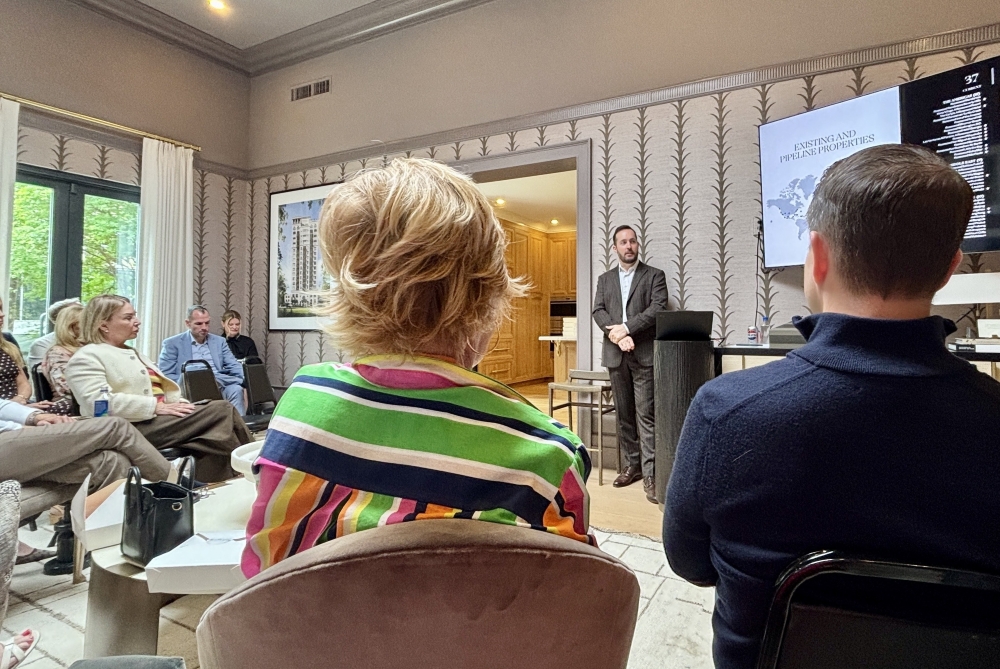
Individual experiences: That was the throughline from a recent talk by Rosewood’s Gavin Graham, who gave a room of top-producing agents a clearer picture of how expectations are shifting — not just for travelers, but increasingly for homeowners.
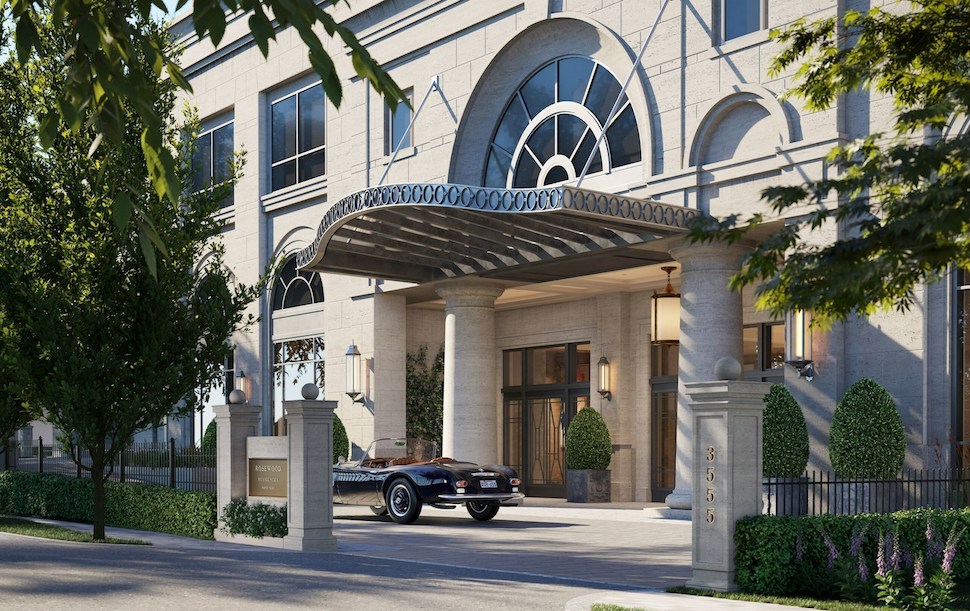
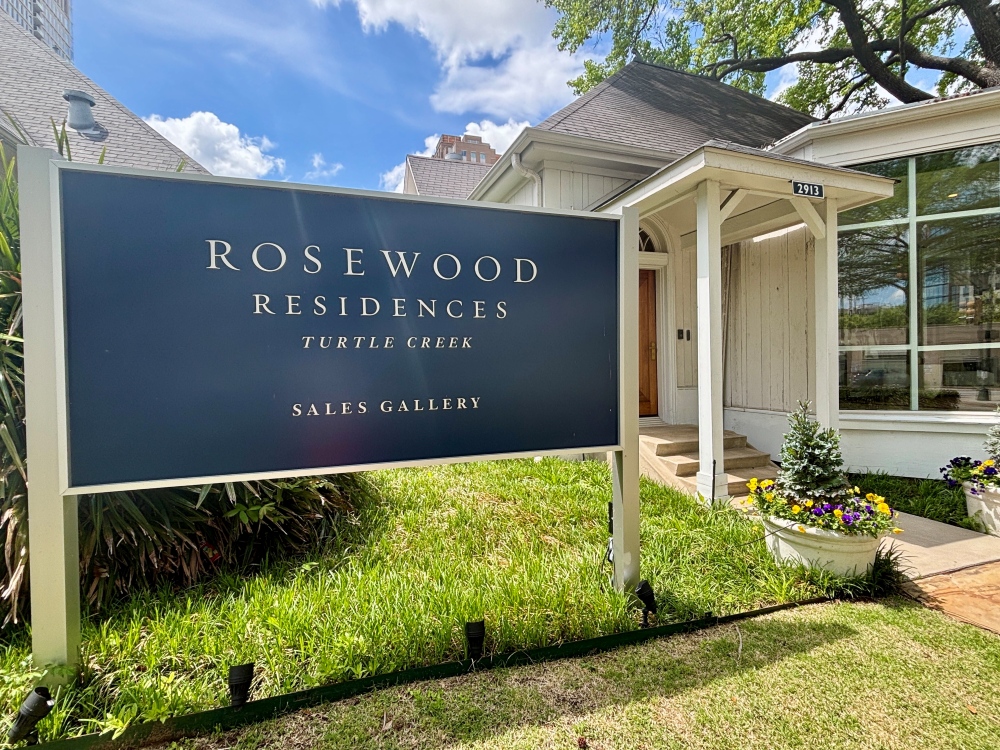
Agents and brokers gathered last week at the sales gallery for Rosewood Residences Turtle Creek, where Christy Berry of Compass DFW has been introducing the heavily anticipated project to the brokerage community. The 17-story Beaux Arts-inspired high-rise will feature 33 luxury homes ranging from 2,000 to 6,380 square feet. Located at 3555 Dickason Ave., the building is scheduled for completion in late summer this year.
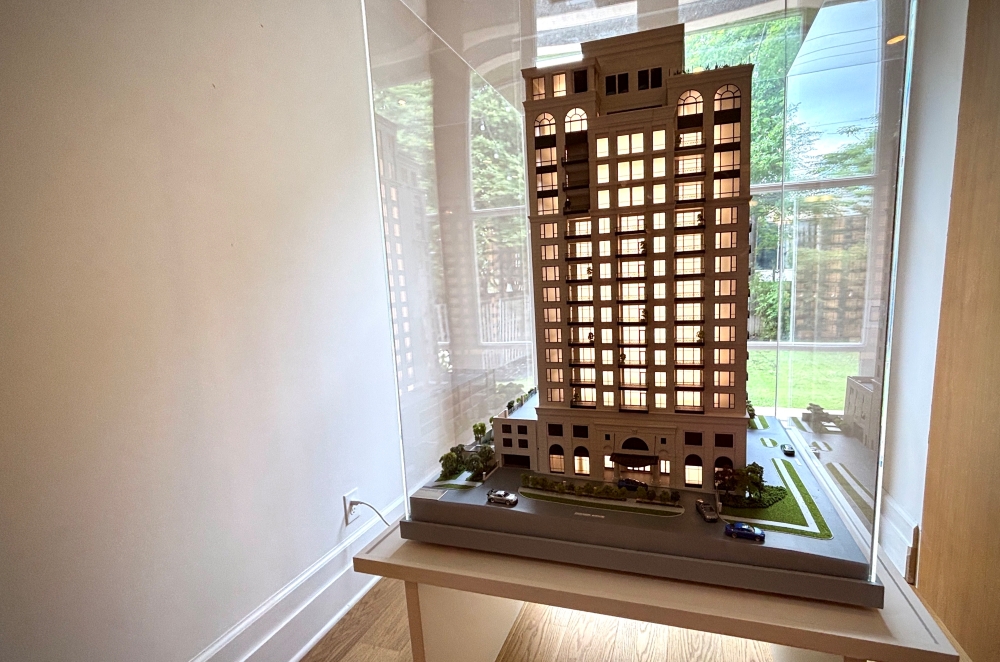
That setting wasn’t incidental. The presentation doubled as a real-time look at the thinking behind a new class of residential development — one where the influential brand behind the building can carry as much weight as the architecture itself.
In Dallas, where branded residences like Rosewood Residences and Ritz-Carlton Residences are gaining traction, those expectations are starting to show up in what buyers — and luxe travelers — are actually willing to pay for.
1. Status Is Out, Experience Is Driving Decisions.
What high-end buyers expect today obviously looks very different than it did a decade ago.
“Luxury is undergoing a radical reimagination, and so are the expectations of discerning travelers and residents. The old school service has changed,” Graham, senior director of global operations at Rosewood Hotel Group, said. “They’re not looking for white glove service.”
That version of luxury — formal, highly scripted, and often performative — is giving way to something more individualized. This personalized approach is the new luxury standard.
For Rosewood, that shift isn’t new. The brand built its reputation in hospitality by focusing less on uniformity and more on what it calls a sense of place — designing each hotel around its location, culture, and clientele rather than repeating a formula.
“We’re not cut and paste,” Graham said. “We think about the identity of each place.”
That philosophy is now showing up in residential form.
2. Service and Safety Are the Differentiators
At Rosewood Residences Turtle Creek, the residential high-rise is designed to operate with a hospitality-heavy model, with dedicated teams handling concierge services, valet, security, housekeeping coordination, and day-to-day management.
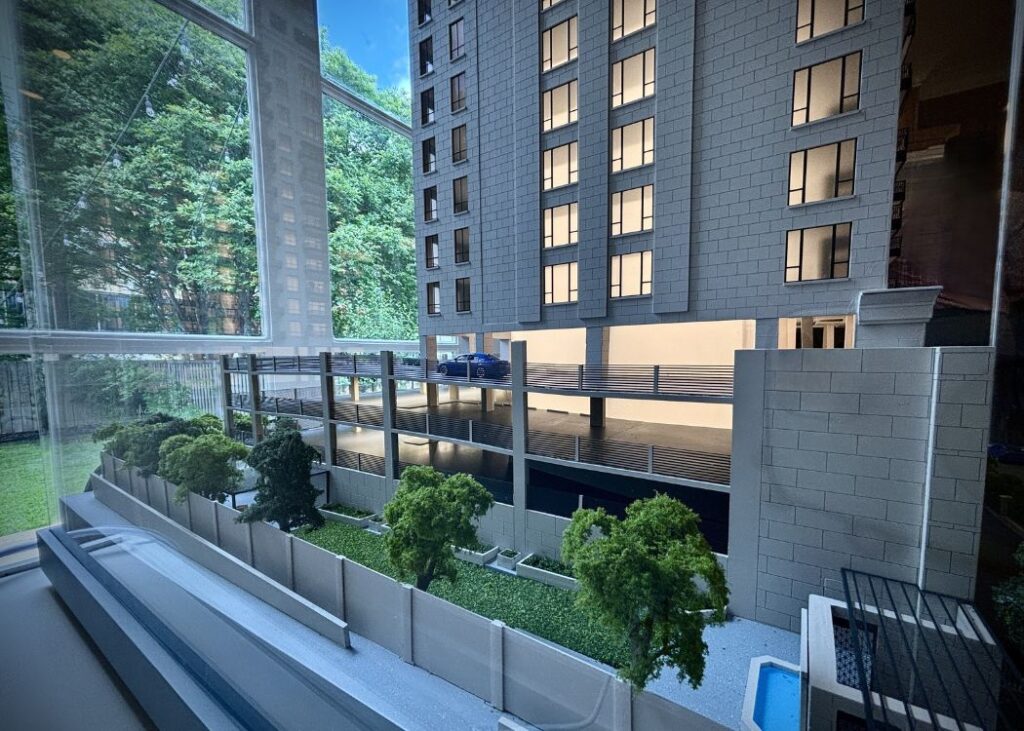
For residents, that can translate into everything from pantry stocking and package handling to arranging transportation or managing a home while the owner is away.
For a growing segment of buyers — particularly those downsizing or splitting time between multiple homes — that level of support isn’t an amenity. It’s becoming a baseline expectation.
Graham pointed to a consistent theme among buyers: security and peace of mind. When deciding where to live, they want to know the home is not only well-designed, but actively looked after — whether they’re in residence or not.
3. Wellness and Flexibility Are Now Baseline
That change is also influencing how physical spaces are designed.
Wellness has moved to the forefront, with buyers expecting high-quality fitness spaces, strong air filtration systems, and thoughtful environmental controls. Flexible layouts are also in demand, allowing owners to tailor spaces to their routines rather than conform to a fixed floor plan.
Even shared areas — lobbies, rooftops, and amenity decks — are being rethought as extensions of the home rather than formal gathering spaces.
4. Brand Is Becoming Part of the Asset
As more branded projects enter the Dallas pipeline, what separates one development from another increasingly comes down to execution — specifically, how well the service model aligns with how residents actually live.
And that’s where hospitality brands see their advantage.
At Rosewood, that includes access to an international network of hotels and experiences, where the focus is less on traditional rewards programs and more on recognition — knowing the guest, anticipating preferences, and creating continuity across locations.
For buyers considering a branded residence, the appeal isn’t just the name.
It’s what comes with it.