With Founder Barrett Linburg, Savoy Equity Partners Remains Bullish on Dallas Housing
Share News:

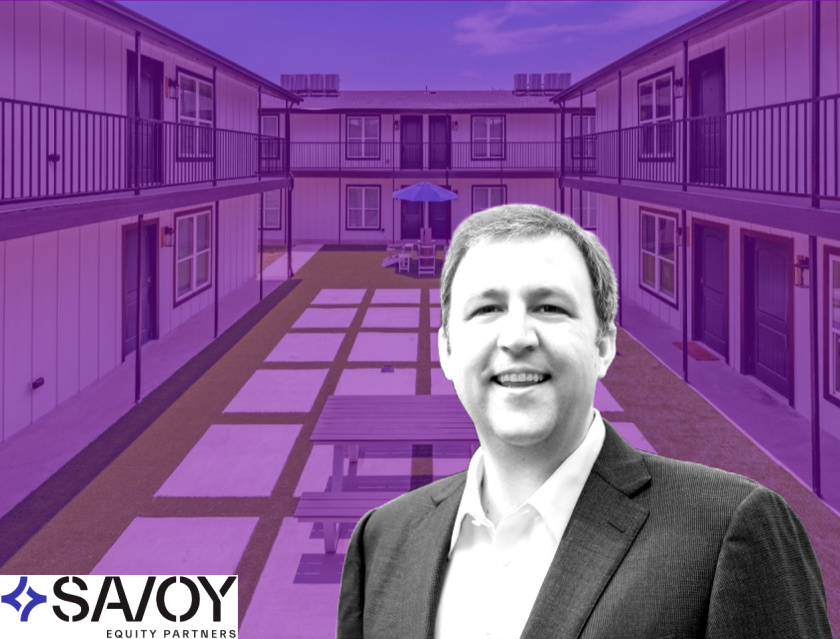
It’s difficult to parlay a single investment into a bigger opportunity and then roll that a few more times into a profitable business in the Dallas multifamily housing market, but founder Barrett Linburg makes it look easy with Savoy Equity Partners.
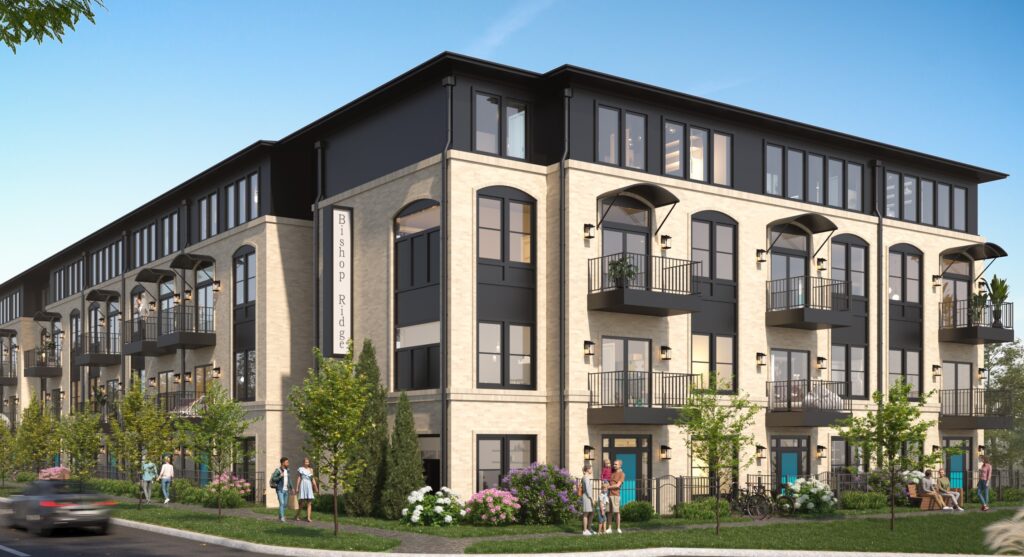
Just last month, three new properties comprising 170 units came online in Bishop Ridge courtesy of Linburg’s firm: Burnett Lofts at 512 N Ewing Ave., The Cambridge at 627 N Lancaster Rd., and Ferguson Flats at 624 N Lancaster Rd.
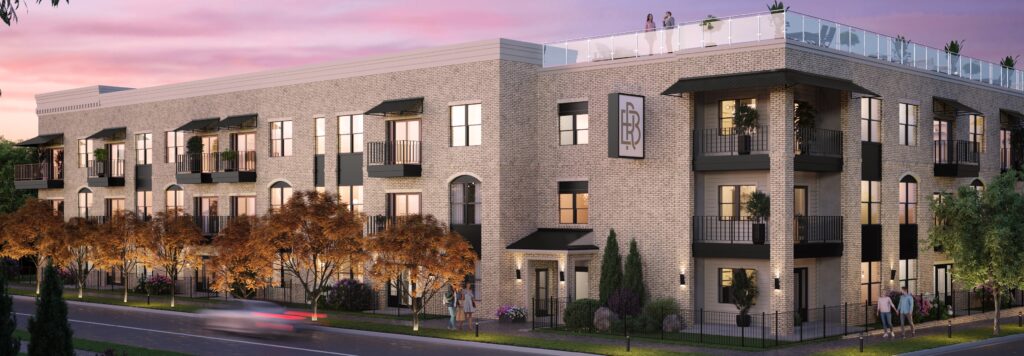
“This is what meaningful urban transformation looks like,” said Linburg. “Five years ago, this area struggled with crime and abandoned properties. Today, we’re creating vibrant housing that respects existing residents while bringing new life to the community.”
Growing Your Winners Circle One Rehab at a Time
Linburg cut his teeth on the financial side of real estate. He worked as a commercial mortgage broker BMC Capital after graduating from Southern Methodist University.
“That’s really how I learned the ins and outs of commercial real estate, by arranging financing,” he told CandysDirt.com. “I think that’s a great way for young people who are starting out because you get to understand not only the math behind [it all], but you’re also working with developers, owners of properties, the attorneys and title companies, insurance, all the different puzzle pieces to put a project together.”

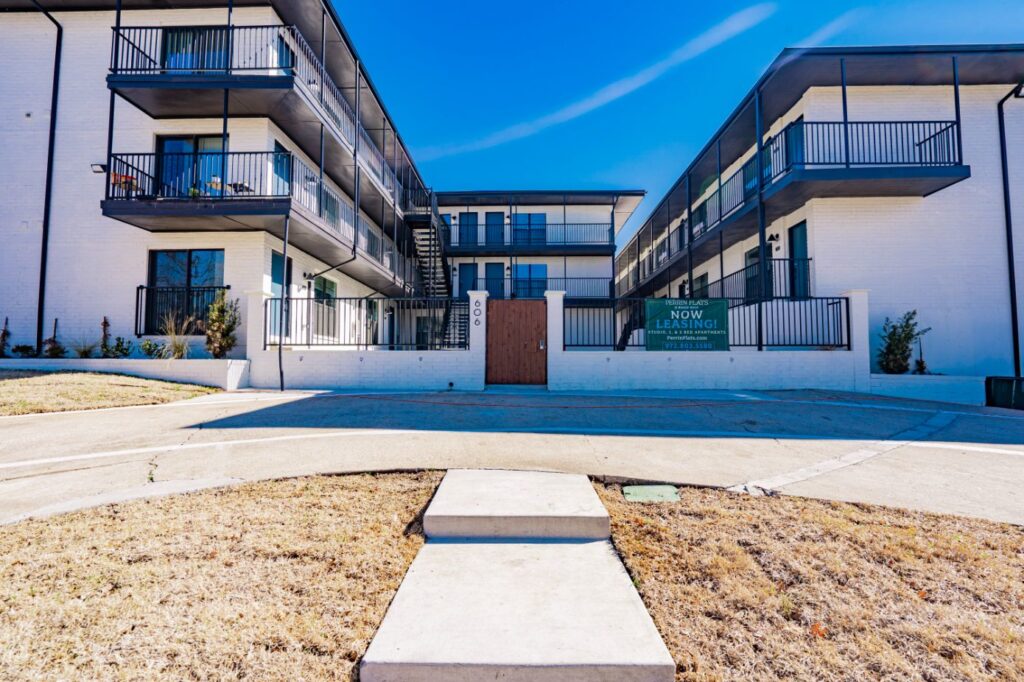
A few years of professional experience and one MBA later and Linburg was ready to bet on himself. In 2012, he spotted an eight-unit apartment in Oak Lawn. The property, which was built in the 1970s but hadn’t been renovated, was an ideal candidate to fix up and flip. He and his wife took out a loan and went in on the venture with his mother-in-law.
“We were able to raise the rents to a market rate based on the upgraded finish and we sold it 366 days later to get long-term capital gains tax treatment,” he said. “We more than doubled our money, so it was a big win, which was nice for our first project.”
Linburg ran the same formula a few more times, targeting bigger properties and bringing in new investors each project, such as his own parents and other friends and family. Now he has Savoy Equity Partners.
“It’s a much wider circle that includes all the original friends and family but also some larger funds that invest with us,” he said. “We’ve deployed almost $150 million over the past 13 years.”
‘It’s a Good Market for Apartment Developers’
Linburg’s strategy has always been pretty straightforward: find the “low-hanging fruit.” For him, that means acquiring unkept properties in established neighborhoods or developing by-right projects on long-vacated land.
“Everyone can get behind renovating the ugliest building in the neighborhood,” he said, noting that his firm is also involved in ground-up construction of new builds.
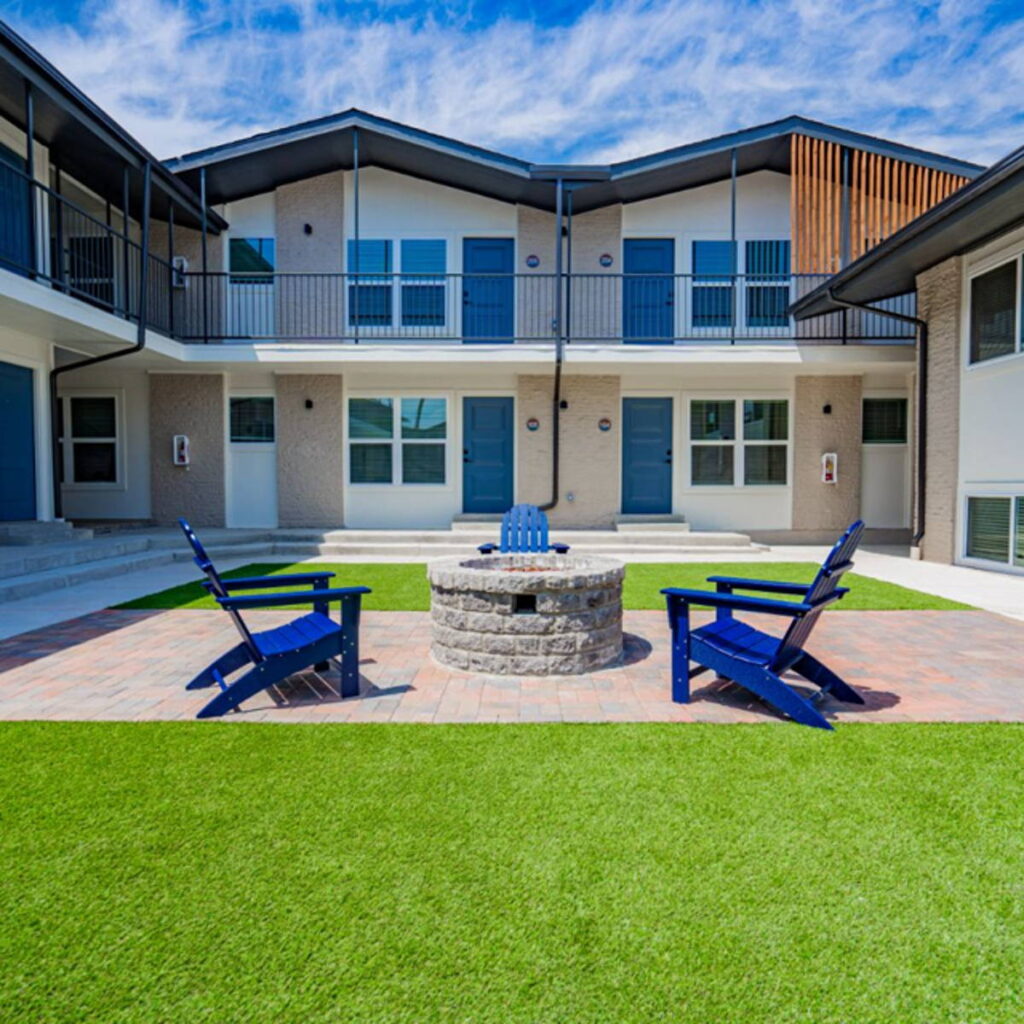
Savoy Equity Partners has also gotten into the landlord game, maintaining ownership of dozens of properties representing hundreds of units in the D-FW rental market. The firm is particularly active in North Oak Cliff these days, boasting a significant footprint of 26 buildings.
Linburg’s also has the patience to play it long, taking advantage of the Opportunity Zones created under the first Trump administration. Under the 2017 Tax Cuts and Jobs Act, which aimed to spur investment in economically distressed U.S. Census tracts, investors who put money into projects in these zones can reduce their tax burden and potentially pay no taxes on profits from the new investment.
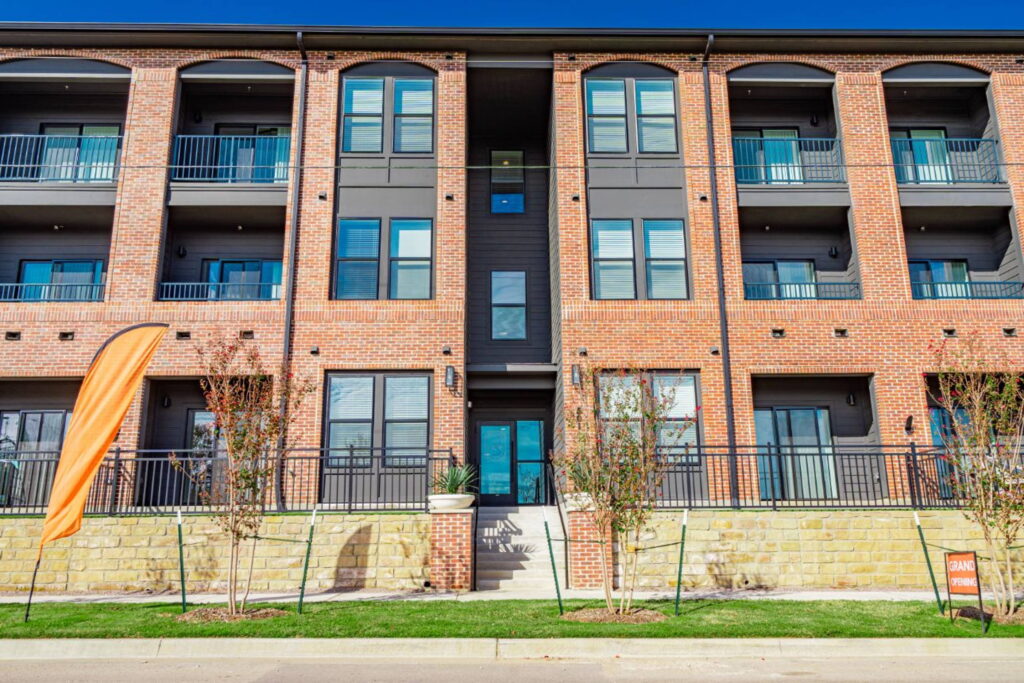
“There’s no benefit the day you invest, it’s really only when you sell. You don’t pay tax on the appreciation of the property if you hold it for 10 years, so it’s a very long-term patient deal,” he said. “We’ve capitalized a whole lot of our projects in that structure over the past five years and plan to continue to do so.”
Given the region’s housing shortage, Linburg remains bullish on Dallas.
“If you look at the demographic trends over the past few years, Dallas has had more 25- to 34-year-olds move here than any other market in the country, both as a percentage of growth as well as in absolute numbers,” he said, noting that demographic is a “natural age” to be a renter. Part of that, he acknowledged, has been the inability of builders to keep supply up and high interest rates.
“Those people are renters by necessity today, more than in decades past, so it’s a good market for apartment developers,” he said.