Aging in Place: 6 Pro Tips for a Safe and Comfortable Home
Share News:


Aging in place is more than a trend. It’s the new standard. With all the right tools in hand, seniors are turning their homes into safe havens — no relocation necessary.
According to a recent AARP study, about 77% of people polled over the age of 50 said they wanted to remain in their homes long-term or age in place. “It’s a number that has remained consistent for over a decade,” said Dallas-based senior care specialist Molly Drake.
As people age, everyday tasks like getting out of bed, up those stairs, in the tub, or reaching that top shelf become more challenging. The good news: preparing a space — whether for you or a loved one — doesn’t have to be as daunting as it first appears.”
The key is blending practicality with compassion. “Above all, it’s making safety a priority. We take so much for granted when we’re in good health,” she added.
Falls are the leading cause of injury-related deaths and non-fatal injuries in older adults. A lesser-known stat: up to 50% of falls are preventable with simple home modifications.
Start with the Bathroom
“Moisture-rich areas pose slip risks,” says Drake. “Grab bars in the shower or tub are an easy way to boost safety.” Walk-in tubs and showers remove curbs, making entry safer and easier.
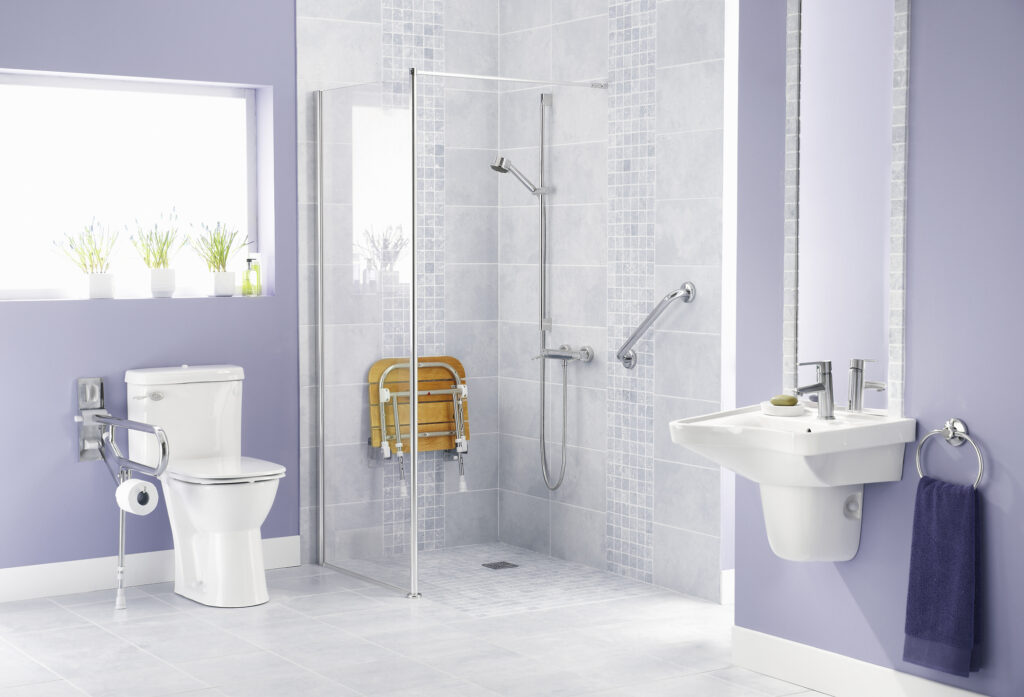
Also consider a shower stool for comfort and a bidet for hygiene. “Today’s options are as stylish as they are functional.”
Kitchen Upgrades
Focus on height to minimize bending. Drake recommends pull-out pantries, pull-down shelves, lazy susans, easy grip handles, and shallow sinks for easier access.

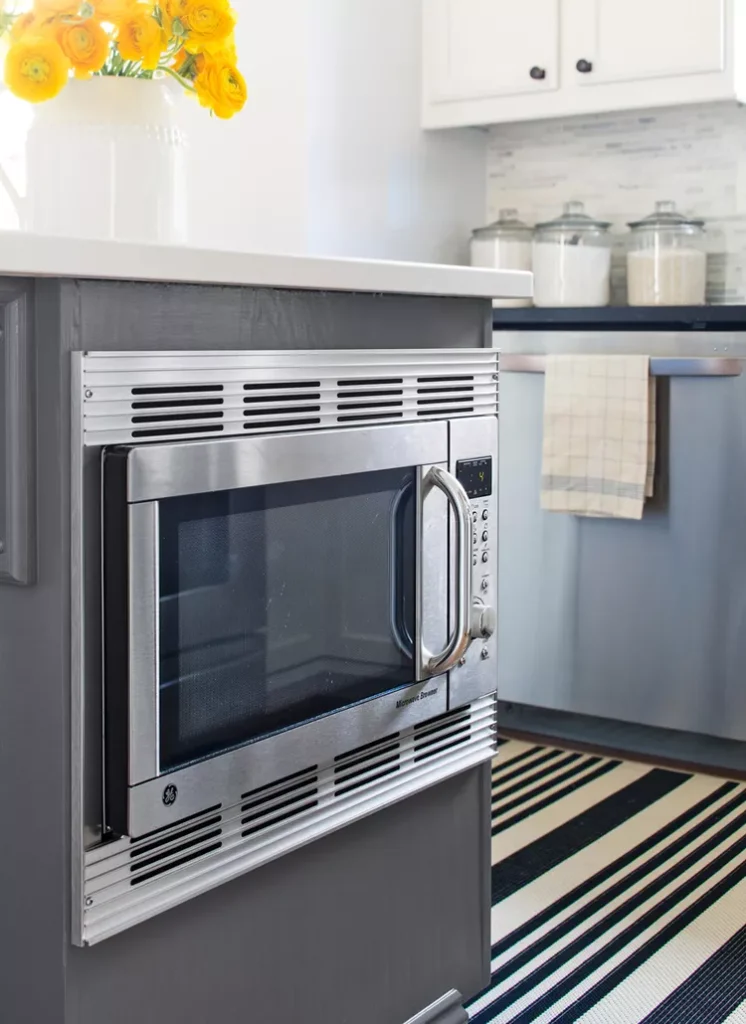
Appliances should be at a height that’s easy to reach. Under-counter models like microwaves allow for better reach and more open floor space. For laundry, front-loading washers and dryers on raised platforms reduce bending and are easier to use from a seated position than top-loaders.
Lighting Matters
As we age, vision changes. “In addition to ambient lighting, add task lighting in key areas like the kitchen, bathroom, and reading spaces,” she added.
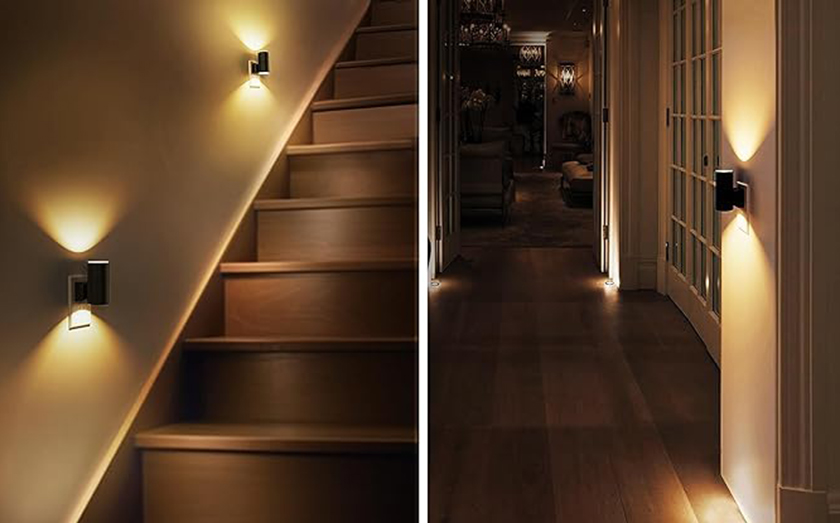

Motion-sensing lights in bathrooms, living rooms, and staircases eliminate the need for switches, making navigation safer, especially in the dark.
From the Ground Up
Make sure area rugs are firmly attached to flooring, especially hardwoods. Also be on the lookout for bubbles under carpets.
Cut the Clutter
Remove any extras — side tables, coffee tables, bookshelves, or anything else that’s hindering a clear, open pathway. “We’ve all amassed a collection of things, especially if you’re lived in your house a long time. Less stuff will instantly make any home safer and more accessible.”
An added bonus: Less clutter is good for your mental health.
Explore Home Technology
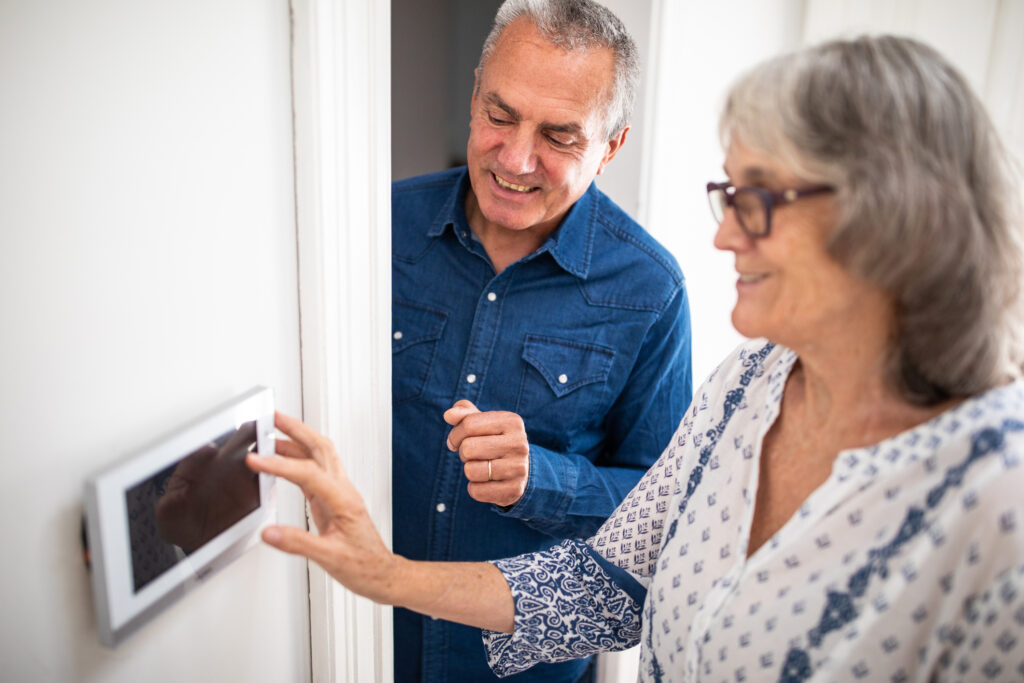
Investing in home technology can significantly boost independence and make life easier for residents of all ages. Today, it’s simple to automate everything from lighting and climate control to security features like locks and surveillance systems.
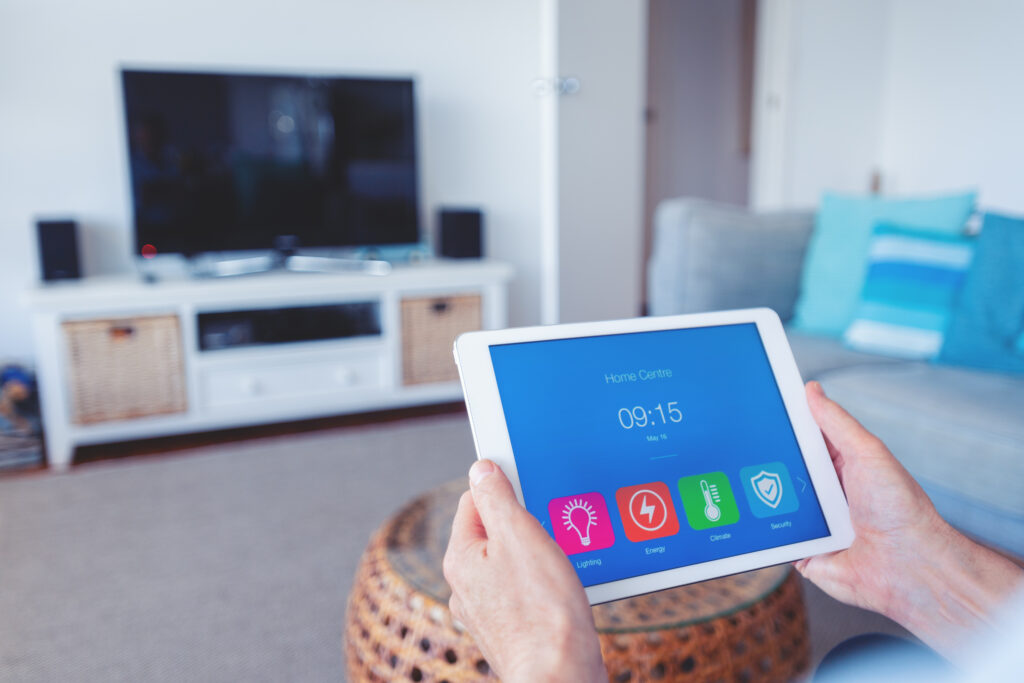
“Seniors living at home can provide their children or caretakers with access to home cameras so someone can keep an eye on the property and the people living there,” said Drake. “With the right tools in place, aging at home becomes a more manageable and fulfilling experience, allowing individuals to maintain their lifestyle while staying connected and secure.”