
Jimtown Celebrates Historic Initiative to Allow Accessory Dwelling Units By Right
Share News:


Editor’s Note: The Jimtown rezoning, allowing accessory dwelling units by right, was approved by the Dallas City Council on Jan. 22.
In an effort to embrace density and affordability while also preserving the character of a 10-acre North Oak Cliff neighborhood, Jimtown residents last week cleared a big hurdle five years in the making. Pending Dallas City Council approval, the neighborhood will become the first in Dallas to allow accessory dwellings by right as the result of a neighborhood-driven authorized hearing.
An ADU overlay provides a positive alternative for neighborhoods that are not ready for duplex and multiplex redevelopment but are still open to density and affordability, District 1 Plan Commissioner Christian Chernock told CandysDirt.com.
“Being the first ADU overlay in the City of Dallas, the passing of this authorized hearing is important for all districts,” Chernock said. “It will allow us to monitor, learn, and have a real example here in Dallas that can encourage other neighborhoods to adopt it.”
North Oak Cliff Councilmember Chad West said he’s been working with neighborhood leader Mary Lou Paras on single-family protections for several years. The authorized hearing follows recommendations of the West Oak Cliff Area Plan, a long-range land use and vision document approved in 2022.
“It is the first authorized hearing in Dallas in which a neighborhood has added an allowance for ADUs, a tool to help multigenerational families live together and for homeowners to supplement their incomes to help stay in their homes in our rising economy,” West said.
The Jimtown rezoning was approved by the Dallas City Council on Jan. 22.
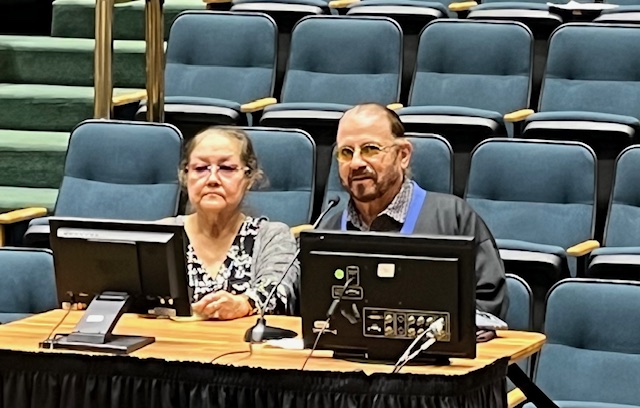
Protecting Jimtown
The Jimtown Focus Area, as defined by WOCAP, covers a zone generally bounded by Clarendon Drive, Hampton Road, Brandon Street, and Franklin Road. The area includes 47 single-family houses primarily built in the 1920s and two multifamily properties constructed in 1984.
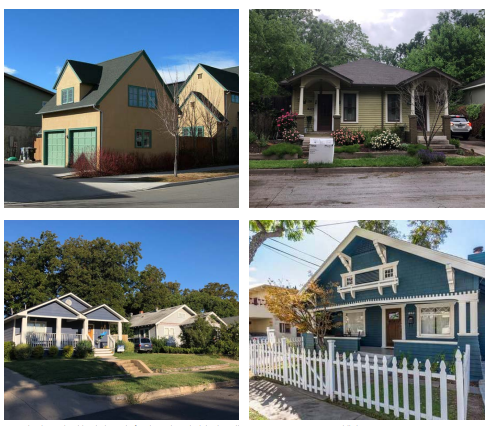
Although the area consists predominantly of single-family homes, it’s zoned multifamily, Chief Planner Sef Okoth told the City Plan Commission at a Nov. 21 meeting. The residents of Jimtown want their zoning to reflect what’s on the ground and ensure that they can maintain existing or construct new backyard “granny flats.”
The ADU overlay removes the requirement for residents to petition before the Board of Adjustment for an ADU, but they still have to get a permit and regulations still apply.
In addition to the ADU overlay, the CPC supported changing the zoning from multifamily to residential to “reflect what’s on the ground.”
“This is very important to our community,” Paras said. “Our property owners in this zoning case were in fear because they are zoned multifamily. I am so thrilled and happy that we are here today after five years that we have been waiting… I stand with my neighbors and we want to see this through.”
A Big Win for Jimtown
Plan Commissioner Darrell Herbert said Jimtown dates back to 1870 and is one of Dallas’ oldest neighborhoods.

“Protecting these families, these 47 homes left, is important,” he said.
Chernock called it a “big win” and a great example of a neighborhood working with its council member and city staff to achieve a unique vision for the future.
West congratulated his constituents for staying the course throughout a long process.
“With 49% of Dallas residents and 69% of seniors being cost-burdened in Dallas (according to the latest report by the Child Poverty Action Lab), we need every tool we can get to help people maintain and stay in their homes, and this historic allowance for ADUs is hopefully the first of many to come in Dallas,” West wrote in an email. “Great job, Jimtown!”
West Oak Cliff Authorized Hearings
WOCAP identified Downtown Elmwood, North Oak Cliff Neighborhood Center, Hampton-Clarendon Corridor, Jimtown, and the Tyler-Vernon Station Area as areas that could benefit from a zoning overhaul.
Elmwood’s zoning changes were approved in late February, including a “shop front overlay” to ease parking requirements and allow for small businesses such as coffee shops.
It’s expected that the Hampton-Clarendon and Clarendon-Edgefield authorized hearings will be slated early next year.




This may seem like a good idea initially, but ADUs often comes with a host of unintended consequences that can severely impact communities. Increased population density brings a rise in crime as transient populations grow, law enforcement becomes stretched thin, and tenant vetting is usually lax because people just want the income. Traffic congestion worsens due to more vehicles per household and inadequate parking, while infrastructure struggles to keep up, with water, sewage, and electrical systems facing overuse. Roads and public transit become overwhelmed, and schools get even more overcrowded. All of this leading to strained public services like fire, police, and emergency response. Neighborhoods lose their character as noise pollution rises, property values decline, and the sense of community gives way to a more transient and congested environment.
While ADUs are promoted as affordable housing solutions, they often lead to gentrification, pushing out longtime residents and placing financial burdens on low-income homeowners who struggle to meet new regulations or adapt their properties. On top of that, the loss of green space and increased waste will (not may) strain local ecosystems.
Cities like Los Angeles and San Francisco have already tried this and they experienced these issues first-hand, turning what seemed like a practical housing solution into a long-term nightmare for many residents. Jimtown should take a very hard look at these examples before moving forward or they’re going to be the next version of a proven failed housing solution.
Boy Dennis, I have to say this is a pretty alarmist view. I live in a 1920s neighborhood and there are plenty of historic ADU’s here. We call them back houses or garage apartments and the concept has been around, frankly, for over 100 years. Many of my neighbors rent them out and have for decades. There is no loss of green space and there are no parking issue. Rent from these back houses allow older people to actually remain in their homes and offset their ever-rising utility bills and taxes. Belmont Additon applied for and was granted an ADU overlay several years ago. You don’t hear anything negative coming out of that neighborhood but you do hear Realtors using the fact a property has an ADU as a big selling point becuase it is. One of my neighbors has a double lot and recently completed a new ADU on their property. It has had zero negative effect on the neighborhood. To be super clear not many people can afford to build a new ADU. They are very expensive and even renting them out means your ROI is about ten years away.
My cousin in Berklee helped to start the ADU movement there many years ago. She built a new one on her property long ago and has no issues. Nor have her neighbors. They have proven to be very effective in housing not only those that cannot afford other types of housing but older family members and kids who have left college and don’t have a nest egg yet to buy something. She fully plans to move into hers one day and rent out her main house. Without first hand-experience it’s hard to avoid the NIMBY cries of others who also have no first-hand experience. The bottom line is there must be changes because we have surpassed the housing “problem” and are now in full blown housing “crisis”. My 28 year old and his friends cannot afford to rent a place much less buy one. So guess what? Many are in back houses/garage apartments/ADU’s and many of those are on the properties of their parents.
Not the first – Belmont Addition has allowed ADUs by right since the 2019 amendment to the Conservation District.