Fort Worth Architect Albert Komatsu, R.I.P.
Share News:

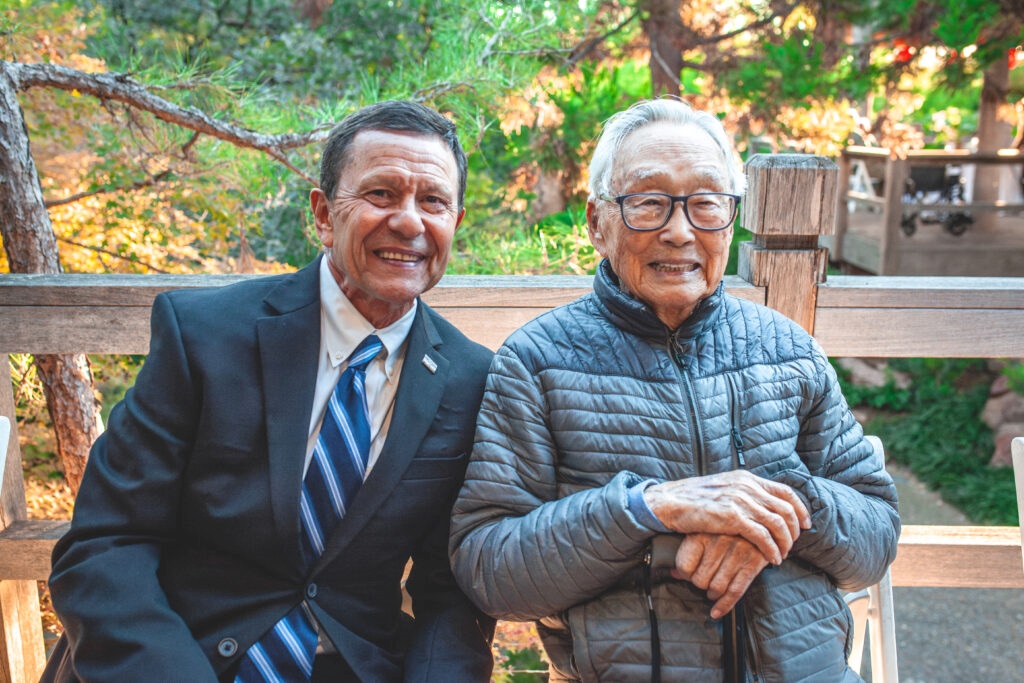
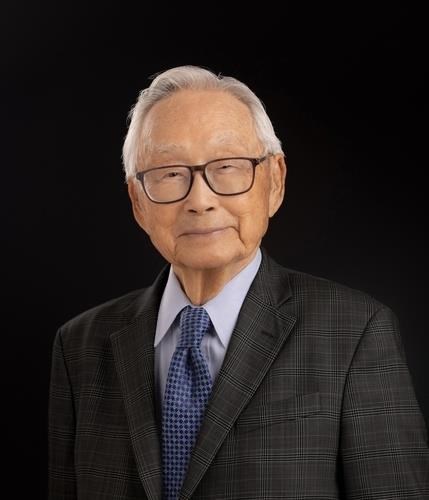
Fort Worth architect Albert Komatsu, who leaves behind a prolific portfolio of Midcentury Modern work, died Oct. 30 at the age of 97, just one month short of his 98th birthday.
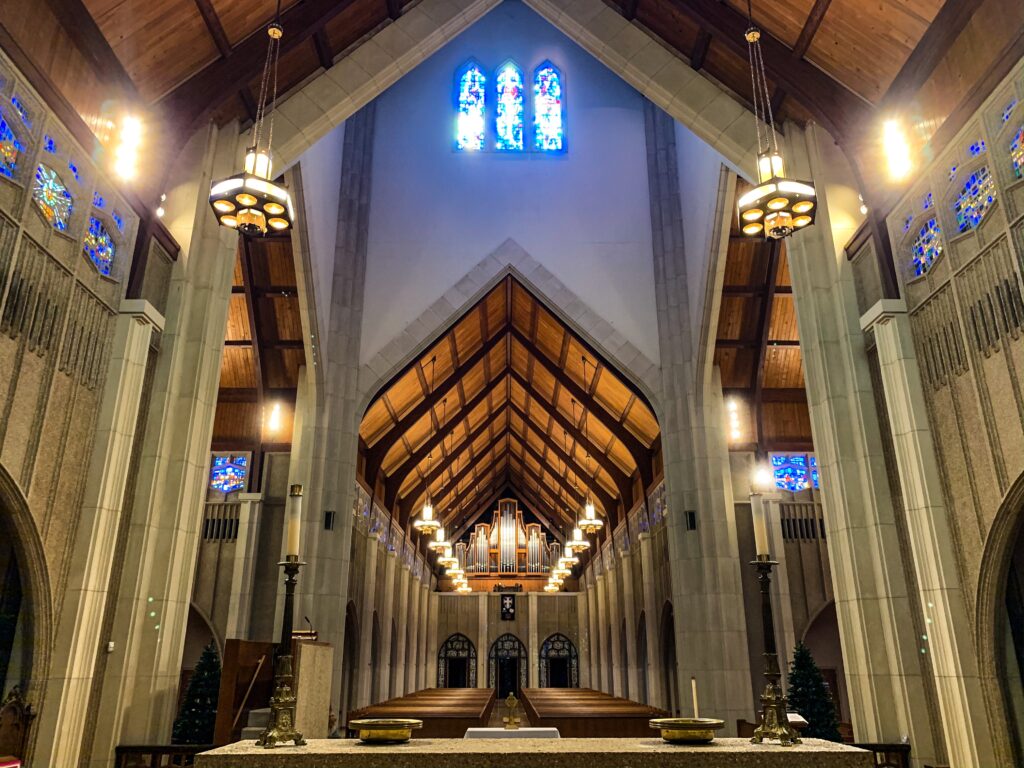
Services will be held at 3 p.m. Dec. 12 at a church he designed, St. Stephen Presbyterian Church, 2700 McPherson Ave., in Fort Worth.
“Albert Komatsu was the visionary behind some of Fort Worth’s most prominent pieces of architecture,” Mayor Mattie Parker said in a written statement. “We see his talents sprinkled throughout significant structures across the city. The foundation of tradition instilled by Mr. Komatsu, now carried on by his son, Karl, reflects the city’s dedication to honoring its roots and explains why Fort Worth and Komatsu Architecture go so well together.”
Komatsu founded his namesake architectural firm in 1959. Despite his Depression-Era beginnings and his incarceration with others of Japanese ancestry during World War II, Komatsu rose to national prominence.
A Legacy in Commercial and Residential Architecture
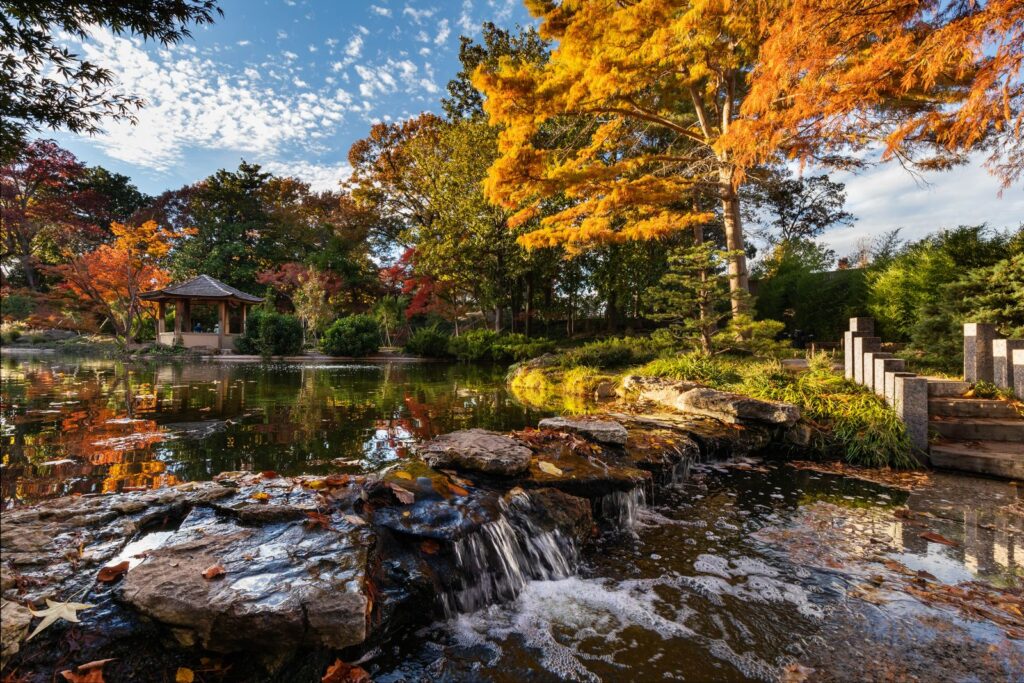
Transforming “a gravel pit” into the popular Japanese Gardens at the Fort Worth Botanic Garden is among the work that leaves a legacy, said Jerre Tracy, CEO of Historic Fort Worth. The picturesque site remains a popular destination.
“Albert Komatsu‘s timeless designs and quiet spaces have left their mark on future generations,” Tracy said.
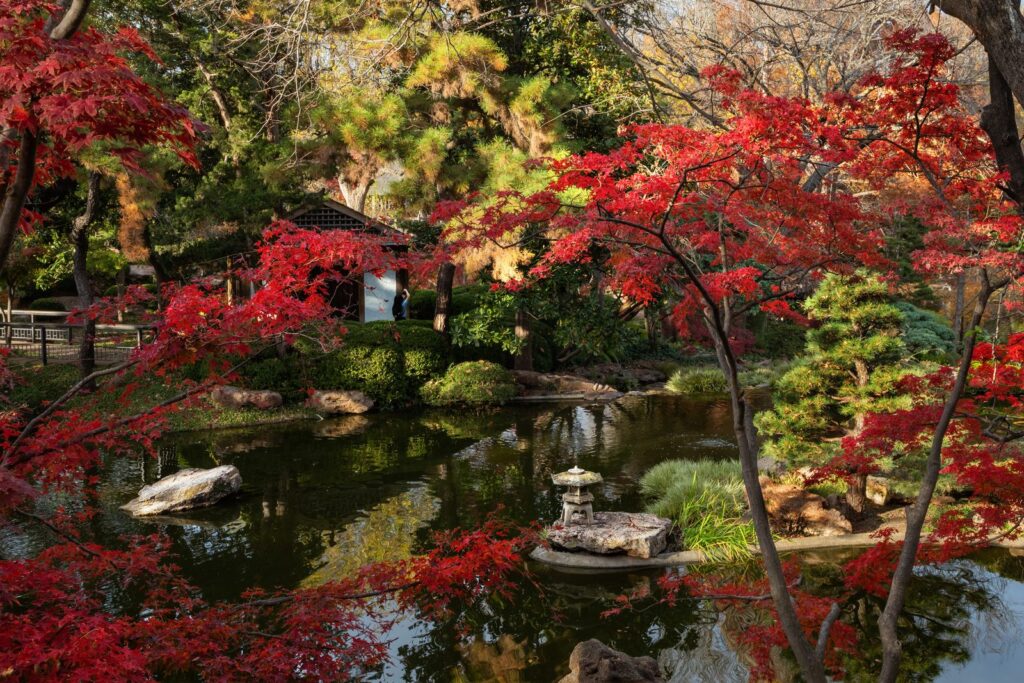
Historic Fort Worth’s files contain information on Komatsu’s significant projects for the city. Public projects include the Fort Worth Zoo, the county jail, and Fire Station #8 on Rosedale. He also was responsible for the Summit Office Towers and the last addition to downtown’s AT&T building. His work for St. Stephen Presbyterian Church reportedly was among his favorite undertakings.
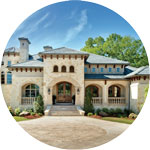
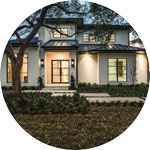
Residential projects also were a part of his life’s work, among them homes located in Fort Worth’s Tanglewood neighborhood, New Westover Hills, and Frisco Heights. The 2023 AIA Fort Worth Homes Tour featured a home that Komatsu originally designed in 1963 — and later oversaw its renovation, too, in 2023.
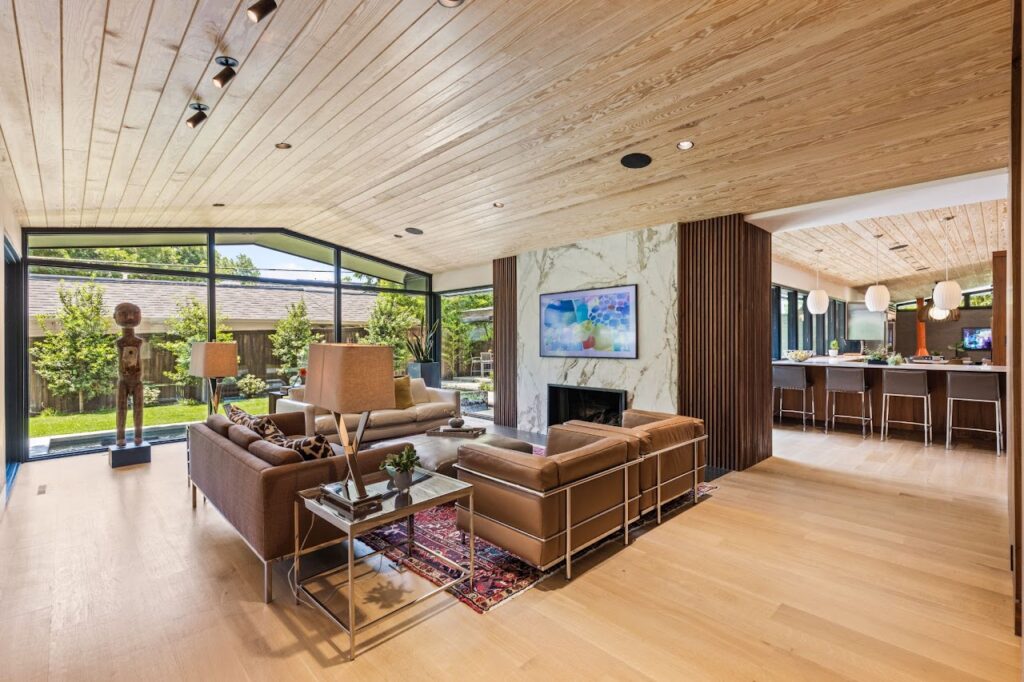
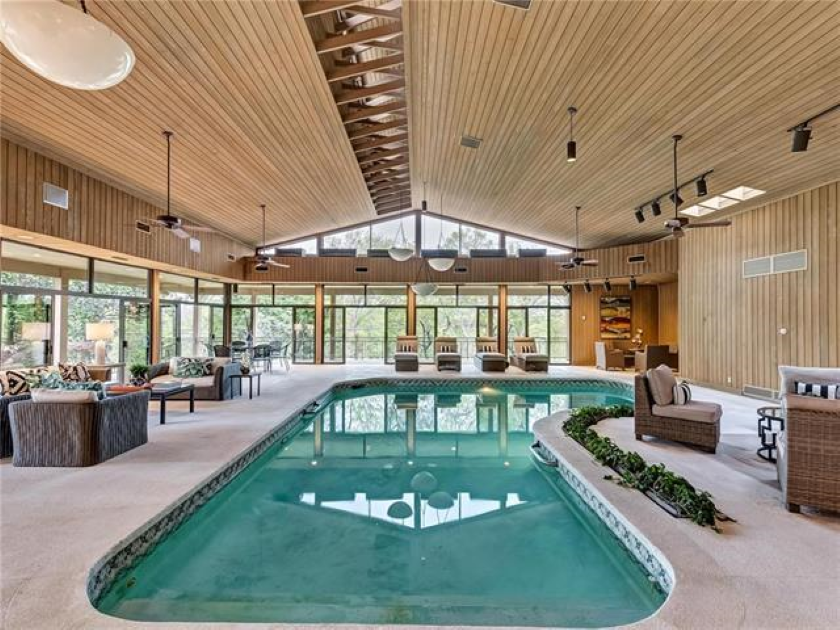
Komatsu added an indoor pool to an otherwise traditional 1959-built Trails Edge home in Overton Park that would do the Rat Pack proud. He also designed the Shady Oaks Townhouses on Roaring Springs Road, where he lived with his wife “Toy” Komatsu.
The recently demolished Cullen Davis mansion, where the infamous double murders were committed in 1976, was one of his residential works as well.
Educational and Defense Projects
He also designed multiple educational facilities. Buildings Komatsu designed can be found at the University of Texas at Arlington, Texas Christian University, Tarrant County College Northeast Campus, Weatherford College Campus, and Austin College. He demonstrated his commitment to the U.S. Military with architectural designs for the U.S. Department of Defense and with defense industry master plans for General Dynamics’ F-16 Co-Production Facility and Bell Helicopter’s American Community. His commissaries and base exchanges included The Mall at Pearl Harbor, HI.
Komatsu was born Nov. 28, 1926, in Portland, OR. According to Historic Fort Worth records, as a child Komatsu and his family received a letter from the U.S. Relocation Authority in May of 1942 ordering the family to board a train for Twin Falls, Idaho.
The family was sent to a relocation camp in Minidoka, Idaho, and at 16, he was released to do agricultural work. He eventually was allowed to join his older sister in Minnesota where he lived at the local YMCA and enrolled in high school. When he received a draft notice, he enlisted in the Army and was recognized for his math skills.
Through the G.I. bill, Komatsu earned an architecture degree from the University of Minnesota. There he met his future wife, Toyoko “Toy” Tanaka, from Hawaii. His service during the Korean War brought him to Camp Wolters in Mineral Wells, and later the family moved to Fort Worth, a place Komatsu described as welcoming.
Calling Fort Worth Home
After the Army, he worked for Wyatt Hedrick of Saguinet, Staats, and Hedrick. He and his wife launched his namesake architectural firm in 1959, still in operation today with his son at the helm.
Komatsu’s survivors include his son, Karl, and his wife, Nancy; daughter, Sylvia, and her husband, George Stone; grandson Christopher Houston Komatsu; grandson Brice Albert Komatsu, and his wife, Molly. Also surviving Albert is his younger sister, Alice, and her husband, Ed Kubo of Sacramento, CA.
In lieu of flowers, the family requests donations be made to KERA, the Japanese Garden, and the Modern Art Museum of Fort Worth.