
The Lesser-Told Crimes of 2 Historic Fort Worth Murder Homes
Share News:

The Metroplex is home to some of pop culture’s most notorious murder homes, be they Dallas or lesser-known Fort Worth murder homes. There’s 410 Dogwood Dr. in Wylie where Candy Montgomery axed her best friend to death and got away with it. The Rowlett home at 5801 Eagle Dr. is where Darlie Routier is said to have killed her two sons and nicked her own artery. These modest homes have met notoriety that’ll outlast the residents whose lives took a dark turn there.
But what about homes in black and white print, so to speak? I’m talking about historic residences with legacies overshadowed by violent pasts; those “murder homes” that don’t have Netflix series about them.
Last Halloween, I explored some of the most notorious murder homes and crime scenes in Dallas. This year, I’m Fort Worth-focused for two unbelievable crimes in two unbelievable homes.
Fort Worth Murder Homes: the Westbrook Mansion
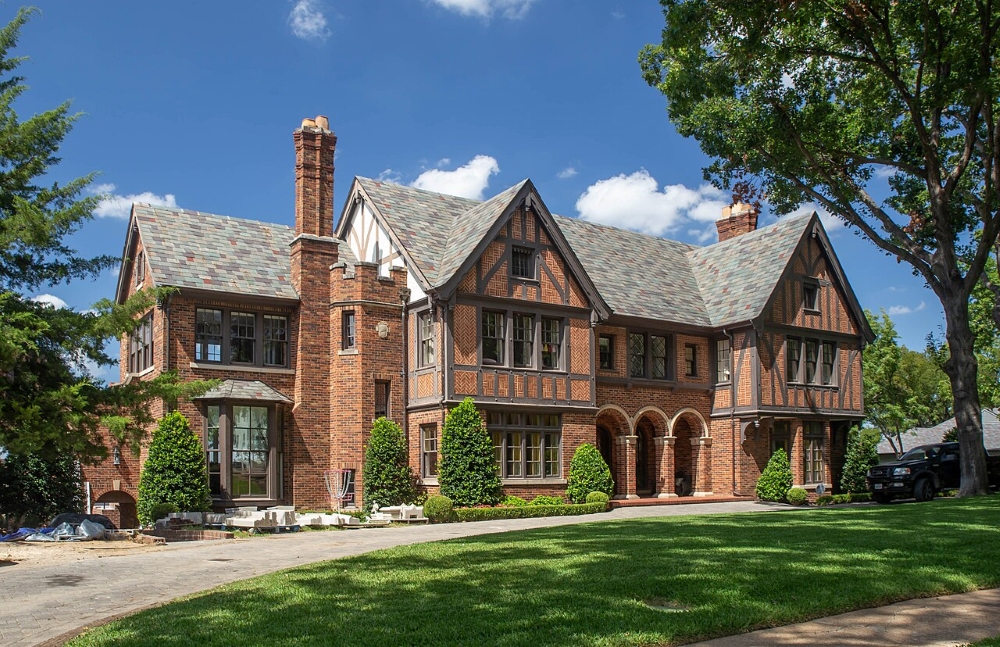
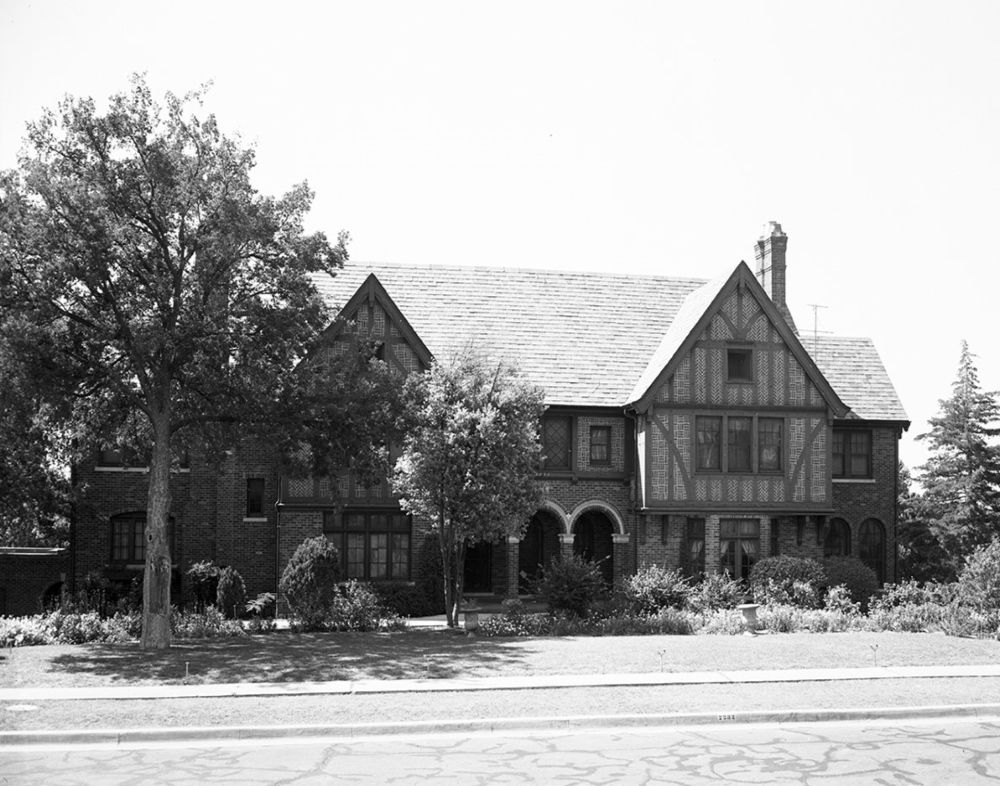
In Fort Worth, the Westbrook Mansion is known as much for its dark past as for its grandeur. Located in the exclusive Park Hill neighborhood southwest of downtown and north of TCU, you’ll find this Tudor Revival designed by prominent Fort Worth architect Joseph Pelich.
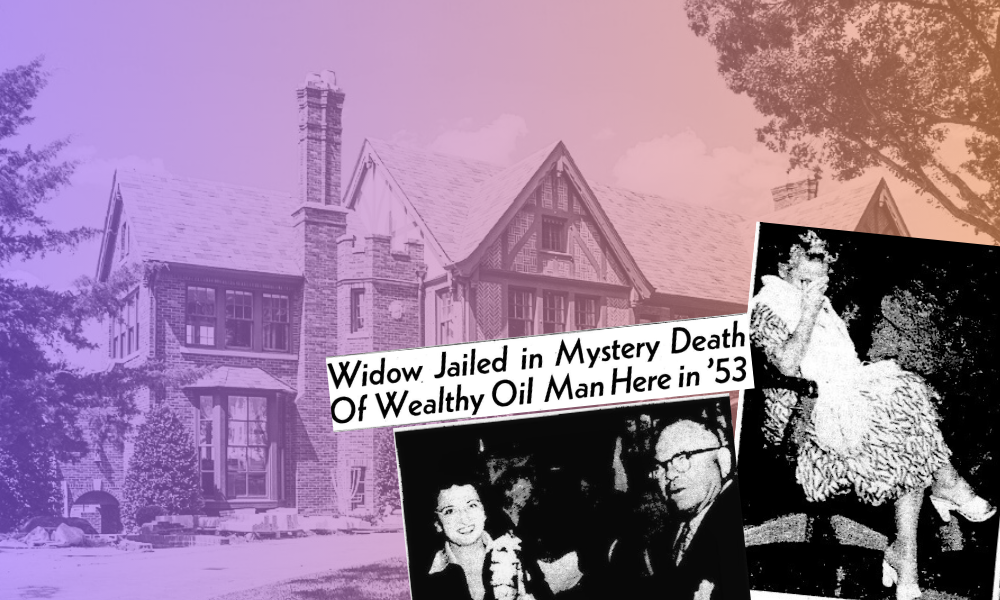
This grand manor (with slight JonBenet Ramsey home aesthetics) was once the setting of a scandal that rocked the 1950s — a saga of betrayal and suspicion that culminated in multiple murders, starting with one man’s death, William P. Clark.
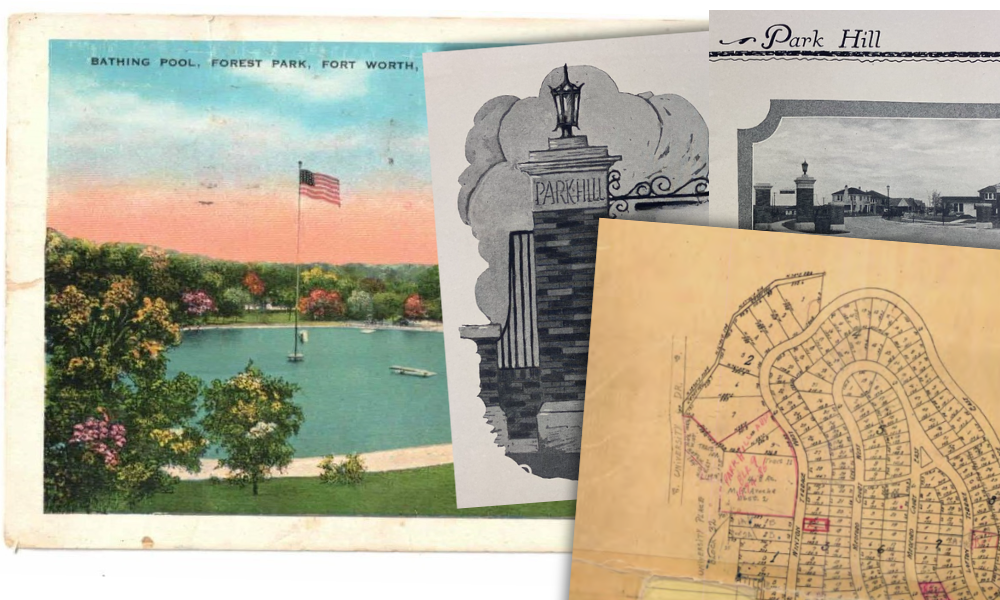
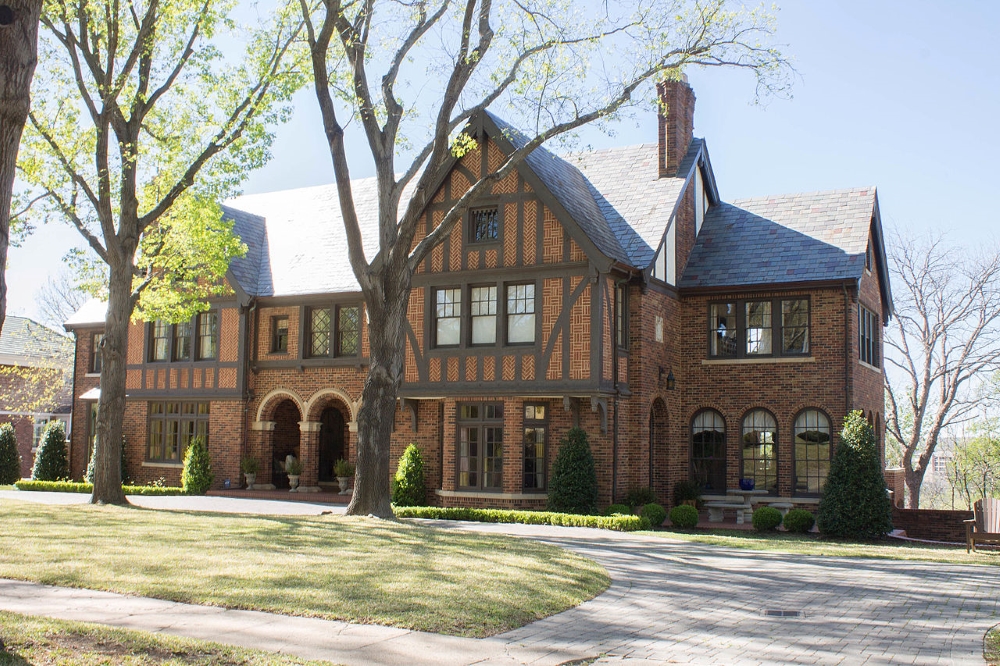
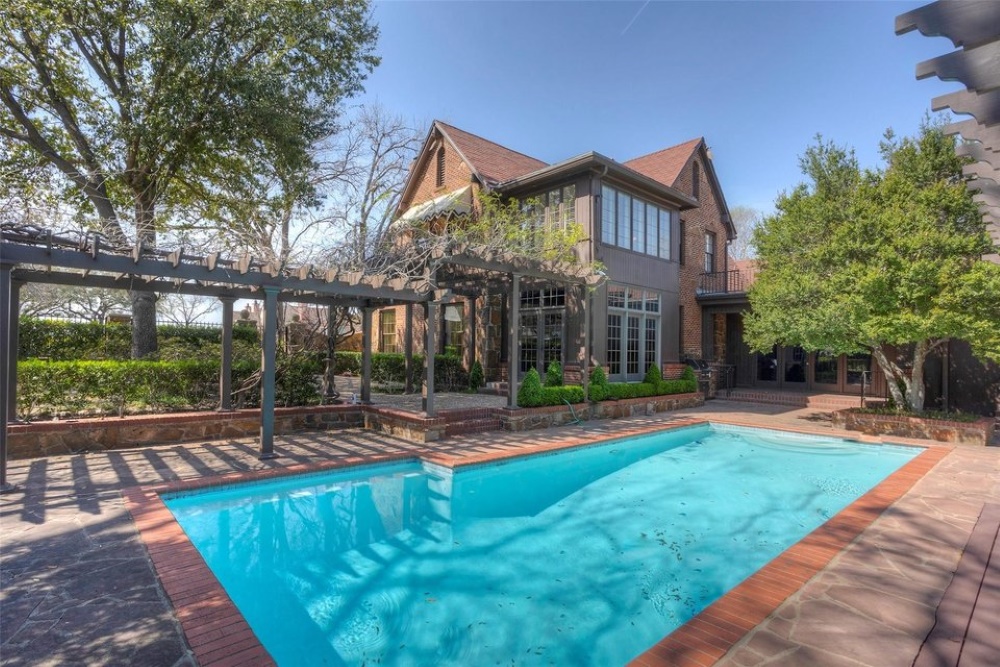
But first, the home at 2232 Winton Terrace West. Oilman Roy A. Westbrook commissioned the architect Pelich in 1928 to design this two-and-a-half-story home atop the bluff overlooking scenic Forest Park. Listed on the National Register of Historic Places, it’s one of many stately homes built in Park Hill in the late 1920s. All along the winding Winton Terrace roads of Park Hill, you’ll find the historic homes of wealthy cattlemen, oilmen, and prominent businessmen like Kay Kimbell, founder of the Kimbell Art Museum.
With a budget of $70,000 (nearly $1 million today), the home was a symbol of Westbrook’s newfound wealth. The enterprising printer-turned-wildcatter had shelled out $7k for drilling rights on Winkler County ranchland. A year later in 1926, Westbrook cashed out for $510,000 (approximately $8.7 million today).
Set on 1.5 verdant acres, the 8,182-square-foot estate was a 22-room palace for Roy and his wife Gladys, who certainly topped up a teacup or two for her frequent bridge teas held there, Fort Worth Star-Telegram archive clippings show.
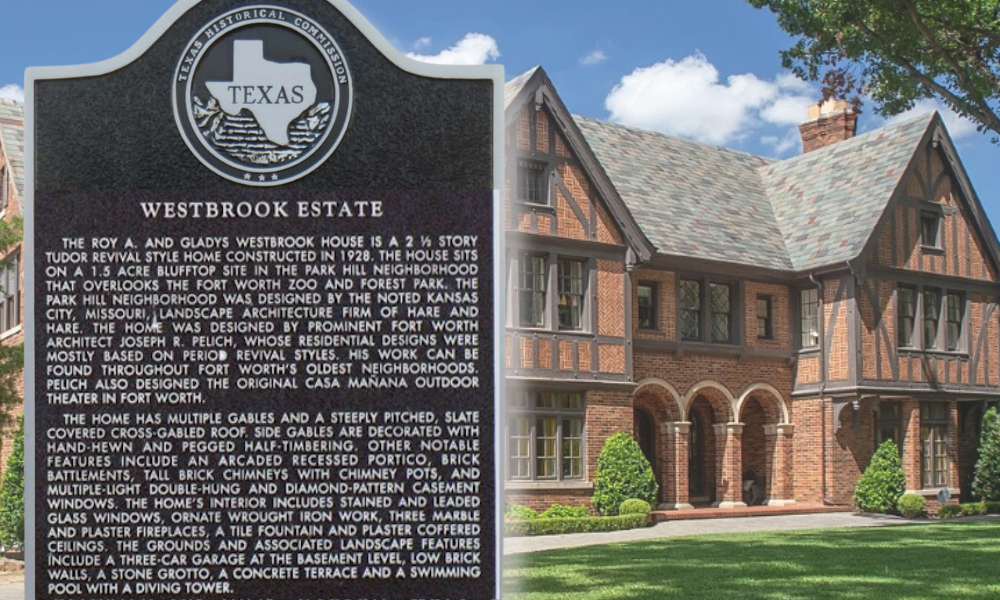
The home had a sunken garden, a pool with two bathhouses and a diving tower, a tennis court, and a stone grotto. The house even included a hidden room called a “prohibition cabinet” and a silver vault in the basement, according to Mike Nichols who tells the history of the Westbrook Mansion.
“It was a murder case with long arms, stretching from the high-rollers of Fort Worth’s affluent West Side to the bottom-feeders of Jacksboro Highway’s neon underworld, from Fort Worth’s exclusive Park Hill enclave high on a prominence to the bottom of an abandoned well north of Saginaw.”
— “Once Upon a Prominence: Murder in High Places” by Mike Nichols on his site HometownbyHandlebar.com
Who are all those players? You’ll have to read the long sordid tale of Tarrant County’s longest criminal trial in history, but our home here comes into focus when Mr. William P. Clark purchased the home in 1946 with his second wife Irene. By 1951, Clark was a seldom-social oilman on his third marriage, this time to a woman he met in an investment office, Mary Waterstreet Tuerpe (or Bates, by some accounts). This was Mary’s third marriage as well.
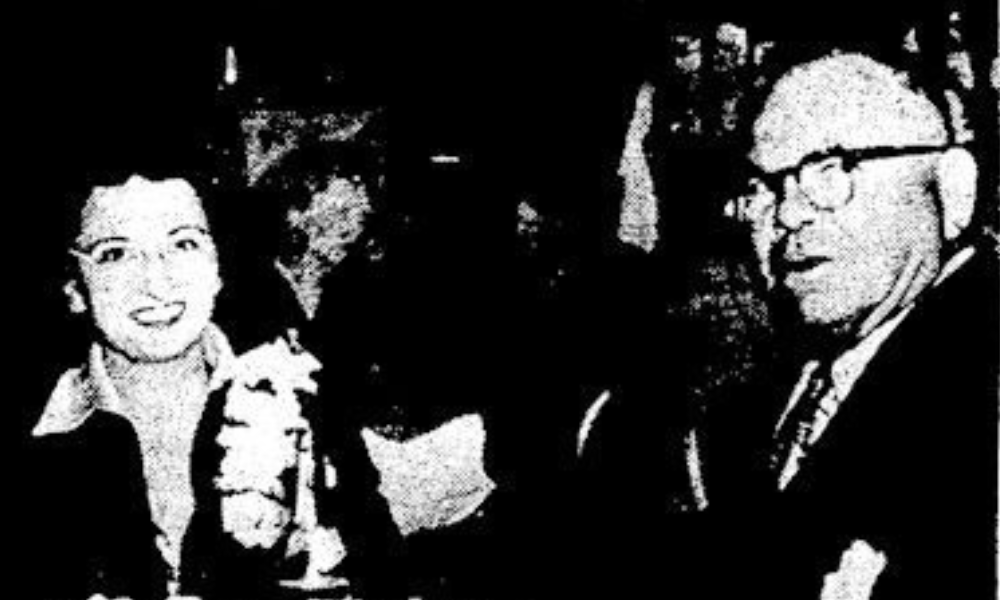
The problem is that Mary’s timeline was a little messy — both in the affair that led up to their marriage and the philandering that continued after Mary was married.
“By the spring of 1953, Clark believed that Mary had ‘misrepresented’ herself and lured him into marriage to get his money. In April he filed for divorce but on May 9 instead filed to have the marriage annulled,” Nichols wrote.
Clark made plans to change his will and ordered her out of the house they shared. But 12 days after he filed for annulment from his third Mrs. Clark, he was found dead in his bedroom, alone in the nearly 9,000-square-foot home. Newspapers graphically reported Clark’s death by 22-20 pump action rifle, which was found across the room.
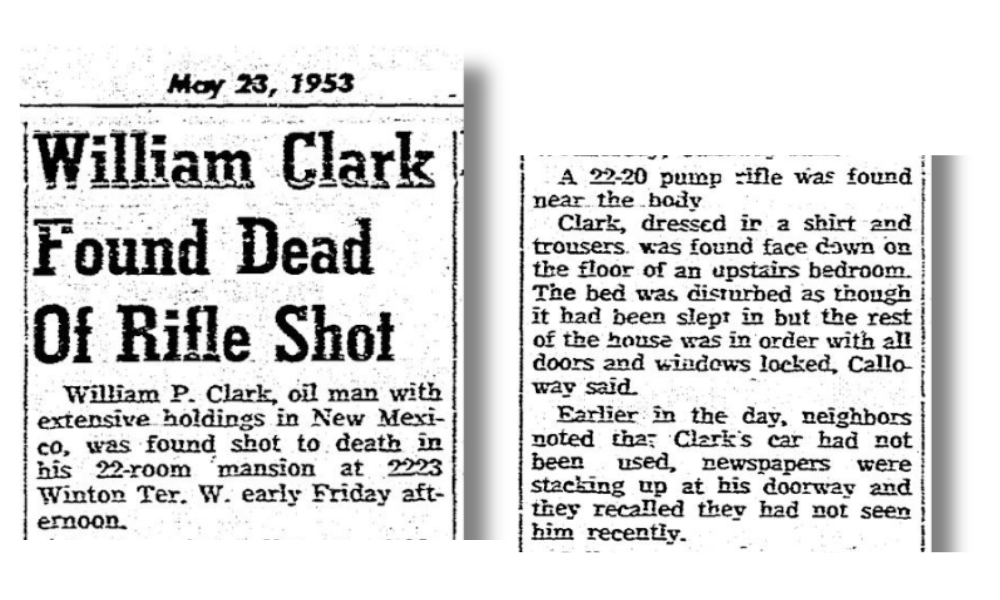
Clark, who was known to carry large sums of cash and wear multiple diamond rings, was found with no rings and had only three pennies in his pocket, according to researcher Rene Gomez of the Genealogy, Archives and Local History unit of the Fort Worth Library.
Inexplicably, it was ruled a suicide.
Meanwhile, Mr. Clark’s will was probated. The Star-Telegram reported that Clark left most of his estate to a scant family and four charitable institutions — an estate worth $750,000 ($8.6 million today). Clark left the Fort Worth mansion to his brother and left his estranged wife Mary $10.
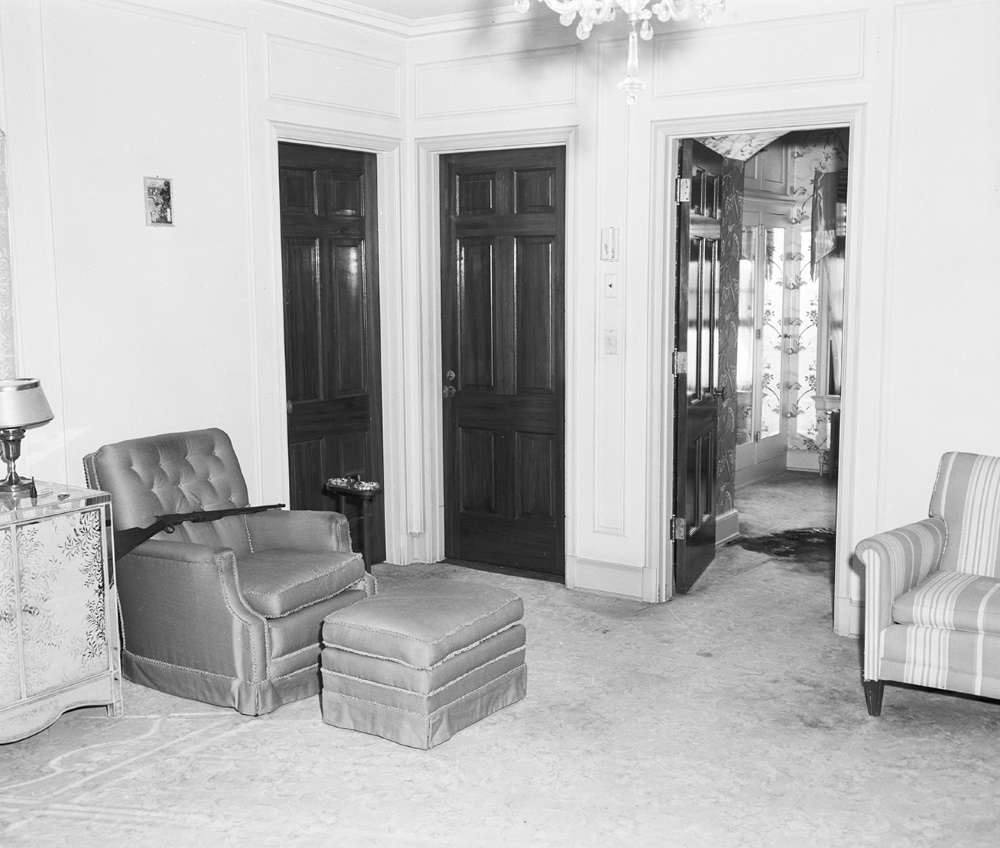
After the medical examiner ruled that it was impossible Clark killed himself, the investigation turned to his estranged wife. Mary faced trial as an alleged accomplice after a jailhouse informant came forward, saying Mrs. Clark paid three men $10,000 to kill her estranged husband. If found guilty, an accomplice charge would have carried the same penalty as murder.
The sensational criminal trial was complete with gangland-style murders, inheritance disputes, and underworld dealings with some of Fort Worth’s most notorious. Jurors heard how the fatal home invasion took place:
“Mr. Clark put up a struggle,” the accused Harry Huggins told the court, describing how one of his associates slapped Clark and knocked a cigar out of his mouth. According to Huggins, Clark said, “She sent you to kill me, didn’t she?” Clark was referring to his estranged wife.
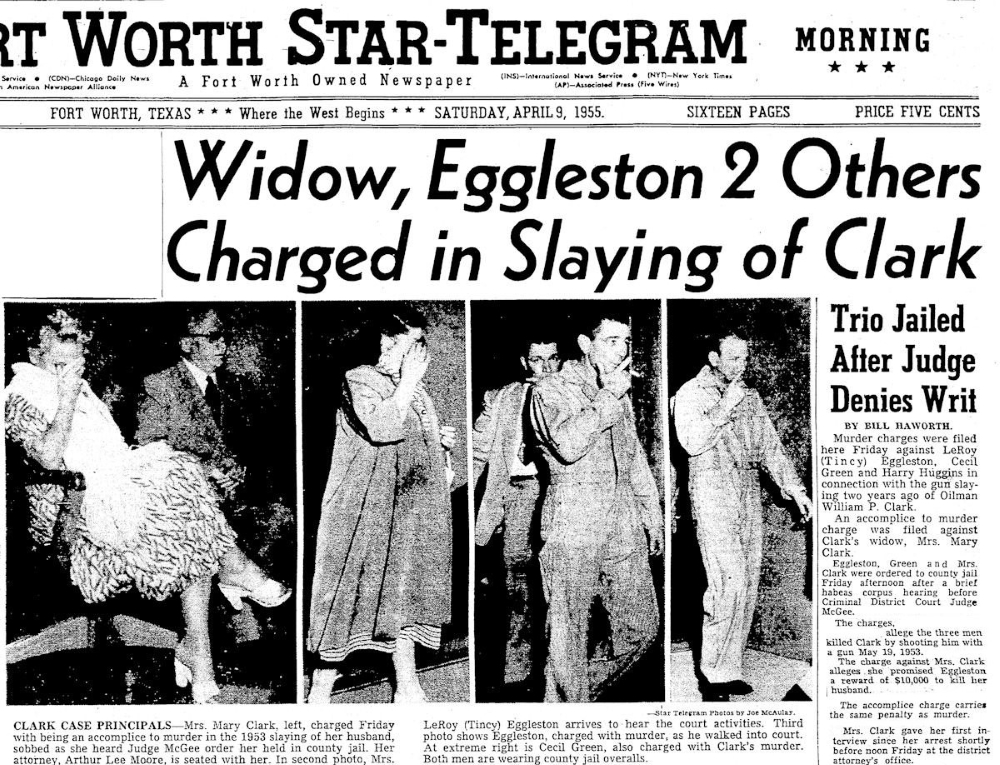
Fortune favored Mrs. Clark in the end though. After the lengthy trial, during which one accomplice was murdered and another found at the bottom of a well, Clark was acquitted of plotting her late husband’s shotgun death with these unsavory characters. The third man received a five-year sentence for the crime. And although Mrs. Clark was all but written out of the will, “She would receive half of Clark’s estate and would be allowed to live for the rest of her life in the house.” She passed away sometime in 2005 and the house was sold in 2006.
The Unsolved Stonegate Murders
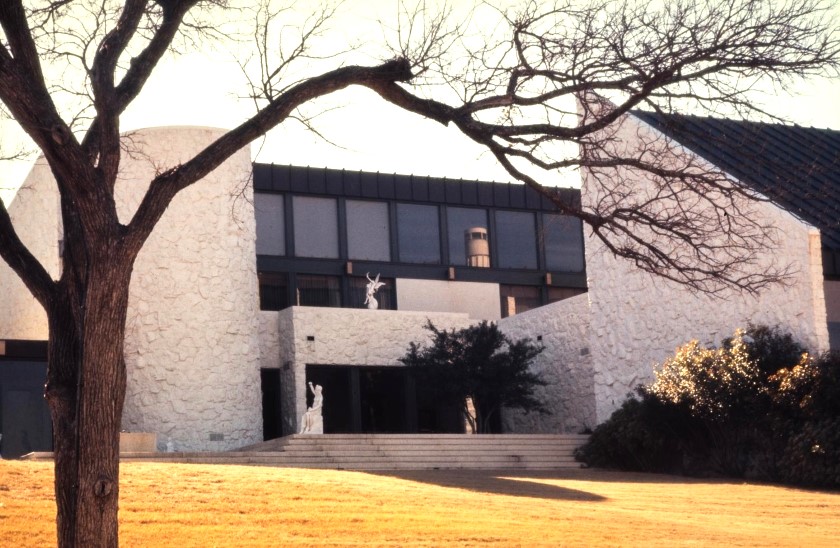
If the name Stonegate Mansion doesn’t ring a bell, it’s no surprise — it’s no longer standing. But mention the Cullen Davis Mansion, and it immediately conjures memories of one of Fort Worth’s most infamous unsolved murder cases. The mansion became the center of intense public intrigue, as Cullen Davis, a wealthy Texas oilman and the only person charged in the crime, stood trial for murder, eventually being acquitted of all charges.
In 1971, Davis, a dashing 38-year-old from old money, commissioned renowned architect Albert S. Komatsu to build the 19,000-square-foot mansion for $6 million1. Throughout the early 1970s, this estate at 4100 Stonegate Blvd. was home to some of the most decadent society parties hosted by Davis and his wife Priscilla.
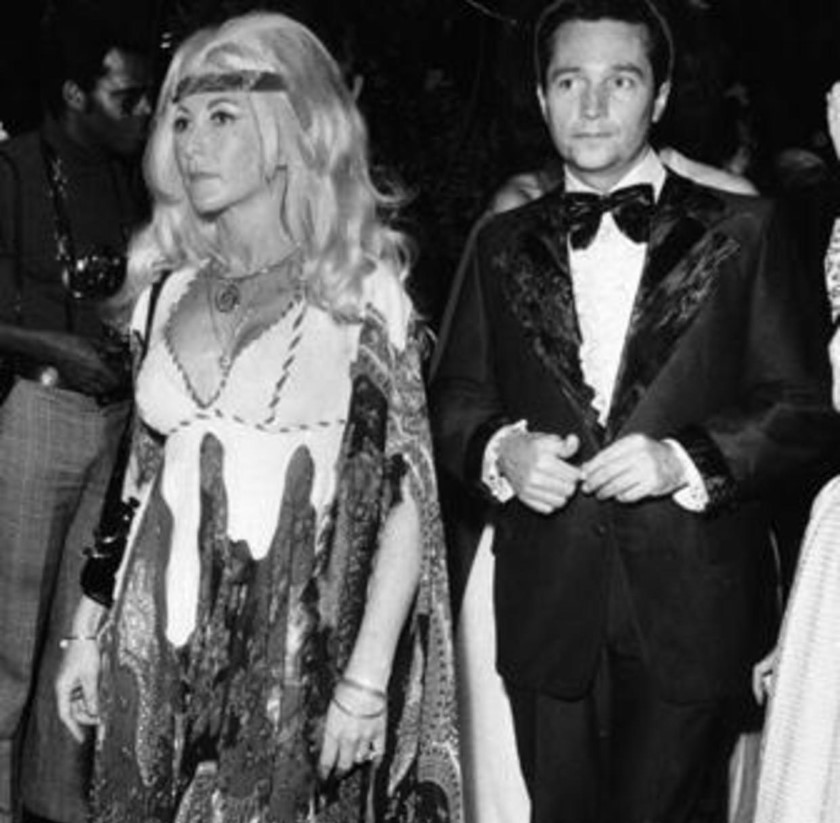
But the “it” couple fell on hard marital times and Cullen Davis moved out during a pending divorce, leaving Priscilla and her daughter, Andrea Wilborn, 12, to live there. Priscilla had three children total from her first and second marriages.
On August 2, 1976, Stonegate became the scene of a violent double murder by an unknown masked gunman who evaded police. Reportedly arriving from a “divorce celebration dinner” according to one unsubstantiated source, Priscilla, 35, came home with her boyfriend Stan Farr, 30, around midnight and noticed that the elaborate security system was disarmed. She was soon confronted by a man dressed in black clothes and a black mask, who was holding a gun.
According to Priscilla, the man said “Hi,” and then shot her once in the chest.
He turned to Farr, an imposing 6-foot-3 man who once played football at TCU, and shot him four times. The masked gunman shot Andrea sometime earlier while she was staying home alone.
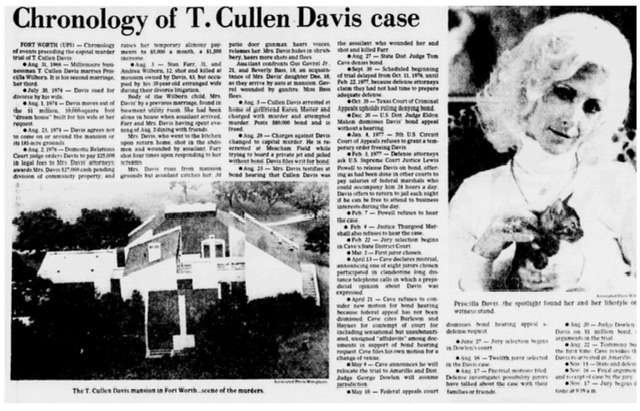

The murders captured North Texan’s attention, but the ensuing criminal case captured the nation’s attention when Cullen Davis — one of the richest men in Texas — was charged with murder. During the trial, the jury heard audiotapes of Davis purportedly recruiting a hired gunman for the shooting. But in what some said was a symbol of what wealth can buy, Davis was twice acquitted, and the case remained unsolved. The mansion itself, once a symbol of luxury, became a haunting backdrop in Fort Worth’s murder home history.
By the 1980s, Davis sold the home and filed for bankruptcy. A full 40 years later, the mansion became a pile of rubble — demolished to build luxury condominiums — and a specter of Fort Worth’s most high-profile unsolved murders.







Her knife used to cut screen, jewelry wasn’t taken at sink where clean up occurred, she named 2 men in her jail letters & freaked out on the stand when asked about it, blood under the glass & vacuum, no cuts on her feet, wine glass was latched wouldn’t have been knocked down, Domain didn’t bark, motion lites not on, she called media herself to film that grave scene. Her mother had the opportunity a few years ago to go on Dr. Phil? Worldwide attn and any dna testing? She refused. Why? She knows her daughter did this. Her fans say necklace was embedded, had to be surgically removed but it simply fell off when bandage removed. Bruising on her arms prob caused by boys kicking her off. Her wounds were superficial & she didn’t know what/where carotid was. She was lucky she didn’t kill herself. She was such a light sleeper that she would wake up when Drake turned over in his crib yet she slept through all that? She’s guilty. http://www.darlieroutierfactandfiction.com/