‘Yes in God’s Backyard’ Movement Advocates for Churches to Build Affordable Homes
Share News:


Housing advocates have for years been trying to think of innovative solutions to create affordable shelter for persons of all socioeconomic backgrounds and in communities that don’t have a lot of vacant land. The latest suggestion: Yes, in God’s Backyard.
The “YIGBY” movement is a spinoff of “Yes in My Backyard.” Members of the nationwide YIMBY Action group are joining faith institutions to advocate for a federal bill that would cut red tape for churches that want to build housing on the land they already own.
“Faith-based organizations often have excess land that they can make available for affordable housing. Unfortunately, many of these organizations are located in areas that are not zoned to permit multifamily housing,” YIGBY organizers said in an email. “The Yes In God’s Backyard Act puts a dent in the housing shortage and homelessness crisis by removing this restrictive zoning and allowing nonprofit religious institutions to build affordable homes on their land.”
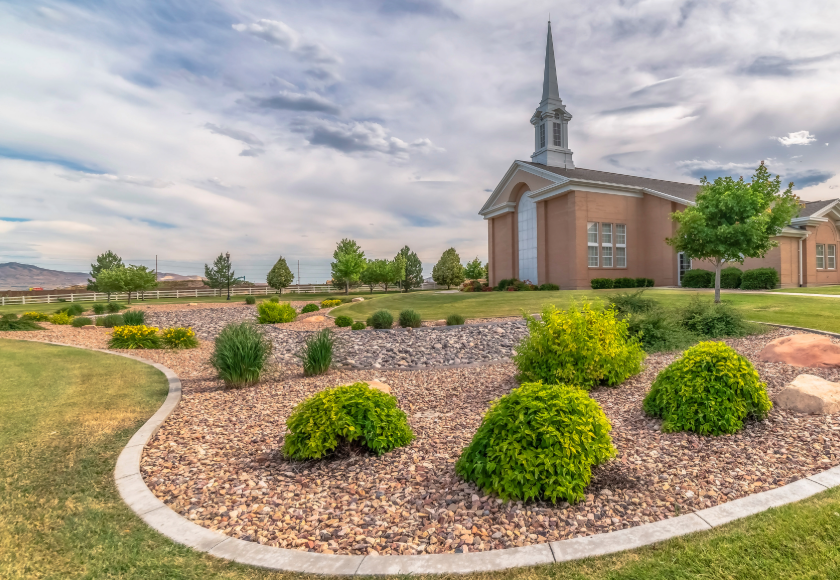
The bill requires them to maintain middle- to low-income affordability, partner with a housing manager, and comply with health and safety standards. Five percent of homes can be set aside for staff and clergy, and all others must be available regardless of religious beliefs.
This isn’t a new idea.
Real estate developers have had their eyes on church properties for a while, although in many cases they’re more interested in redeveloping the land from scratch than partnering with the church housed on it.
Developers with Ojala Partners initiated plans in 2022 to rezone the Shoreline City Church property on Garland Road to build a multifamily project under the Dallas Public Facility Corporation financing structure. This isn’t a partnership with the church, as Shoreline has relocated its services to another site, but it lends credibility to the notion that churches — especially those that never recovered the attendance lost during the COVID-19 pandemic — could be good spots for redevelopment and housing. It’s a safe bet that most neighbors in the Lochwood subdivision would beg to differ that the Shoreline spot is a good place for multifamily, however.
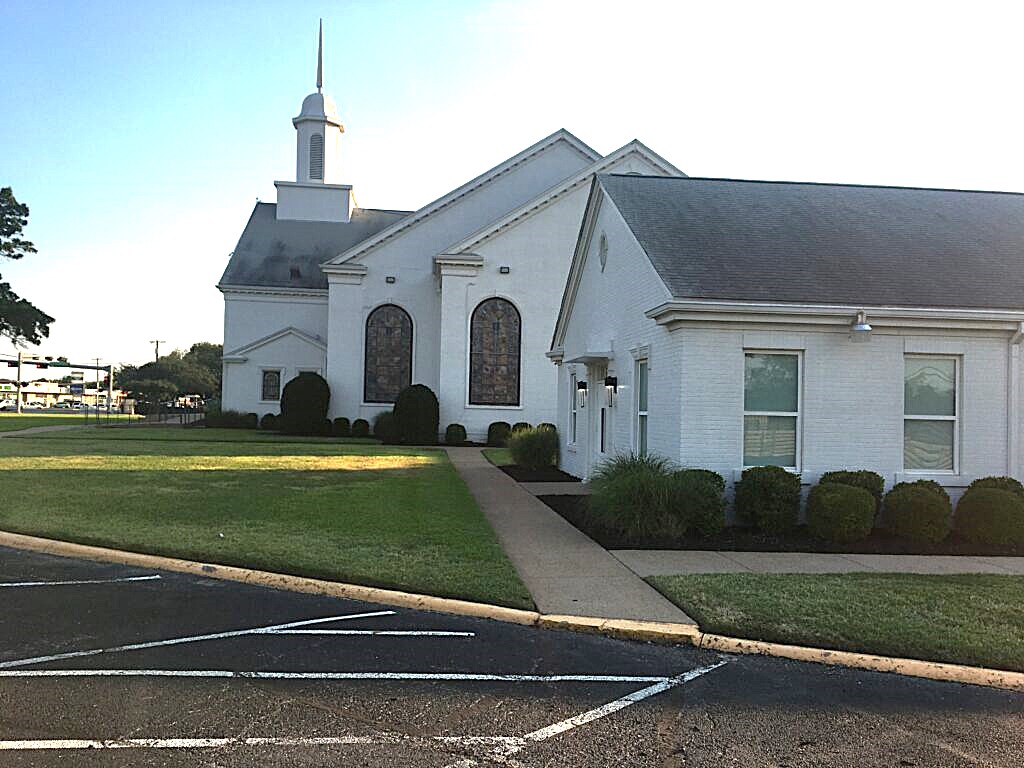
Watermark also has hinted at plans for a housing component at its expanded campus in South Dallas, but a rezoning request was denied late last year because the church’s plans were unclear. They’re expected to bring back a new proposal later this year.
Elected and appointed city officials are also exploring the option. Plan Commissioner Melissa Kingston brought up the idea of using underutilized churches for housing during a May 14 Dallas Dirt podcast interview.
“One of the things we’re seeing more and more of is what I call dead church sites,” Kingston said. “Church attendance is on the decline. Churches are failing or consolidating. What do you do with a church facility that is oftentimes located in the middle of a residential neighborhood? You’ve got to do something with it … That’s often a good location for some gentle density. Maybe it’s a shared-access community, a cottage court community, a small apartment complex, [or] a good place for duplexes or townhomes. That’s a great place to put … some of this missing middle housing that is naturally more affordable because we’re using the land a little bit more efficiently but it fits in well with the community.”
Dallas Minister Says Yes in God’s Backyard
Roy Atwood, an associate minister at First United Methodist Church Dallas and self-described “liberal YIMBY,” told CandysDirt.com that the way to protect single-family neighborhoods from over-development and preserve the character of those neighborhoods is to explore every possible opportunity to fill the housing shortage.

“I know not everyone believes that prices go down when supply goes up but I think it’s a pretty fundamental economics,” Atwood said. “I was living in New York during the pandemic and no one was moving to New York, and the prices went down because the demand for living in New York went down.”
The First UMC in downtown Dallas doesn’t have land on which to build housing, but Atwood supports the concept.
“I’m always on the lookout for ways that we can make society a better place,” he said. “I think ultimately that’s what Christianity is about. The best way that I personally see to do that is to make it so everyone can afford to live the life they want to live. The biggest expense that most of us have unless we’ve paid off a mortgage is housing.”
About 60 percent of Dallas’ population does not own a home, said Atwood, who rents an apartment in Uptown.
“Exploring developing housing on your property is something that every church with land or an old building should be looking at,” he said. “So many churches are facing declining membership and declining donations at the same time that your building is getting older and more expensive to maintain. How can we create solutions to use the assets that you have to support the work that you’re doing?”
There’s an old idea that churches have to be standalone buildings and “there can’t be anything between the sanctuary and the sky,” Atwood added.
“There’s no reason that it has to be that way,” he said. “If you’re struggling with your building, why not work with a developer to tear it down, build something new, and have the sanctuary on the first and second floor, offices on the third, and apartments on four, five, and six? The question is, when it comes to the YIGBY laws, is are churches prevented from doing that by the zoning in the area and what kind of contracts they can make with the developers. It’s really about letting churches have the freedom to do what’s in the best interest of their community.”
California Adopts YIGBY Policy
The YIGBY movement is already happening in California.
The Golden State passed a state-level YIGBY policy that became effective in January and St. Marks Square on Cathedral Hill in San Francisco is creating more than 300 affordable homes as a result.
Additionally, Forest Hill Christian Church, which San Francisco YIMBY has been advocating with since 2018, will build 150 new homes on their land, according to the San Francisco Standard.
The Los Angeles Times reported earlier this month that the statewide YIGBY policy “allows affordable housing projects on property owned by churches, temples, mosques, and other religious institutions to bypass an extensive review process and to be built in single-family neighborhoods. The city of Los Angeles is considering even more exemptions.”