
Preston-Royal Towers Clear Key Vote Despite Strong Neighborhood Opposition
Share News:

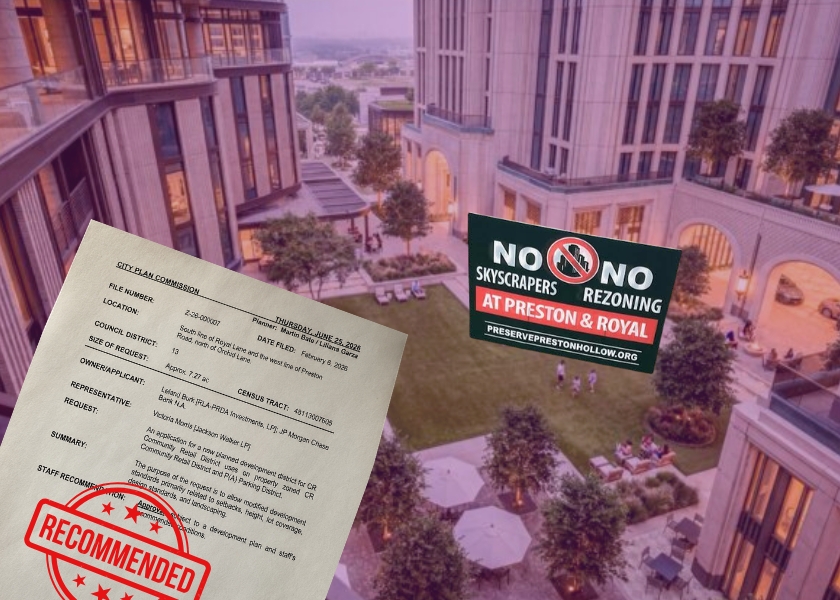
A majority of the Dallas City Plan Commission voted on Thursday to recommend zoning approval for a controversial $800 million mixed-use project at the southwest corner of Preston Road and Royal Lane.
Neighborhood residents have been organizing against the project for months, decrying the height of its proposed hotel and apartment towers and potential traffic implications. While the developers have brought the height down some and instituted other concessions, many nearby residents remain opposed.
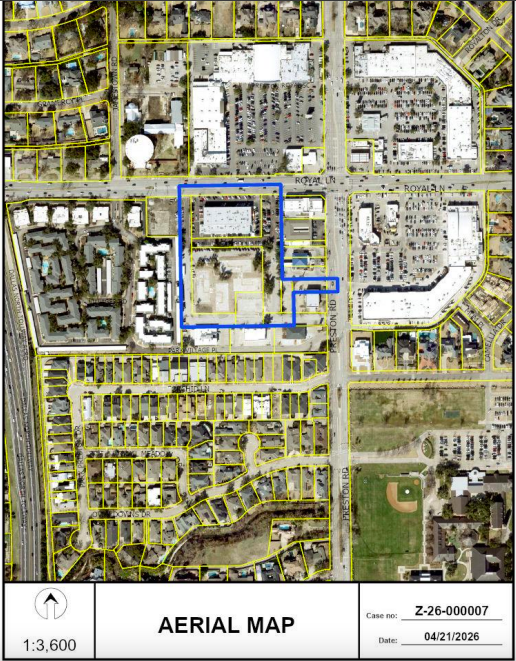
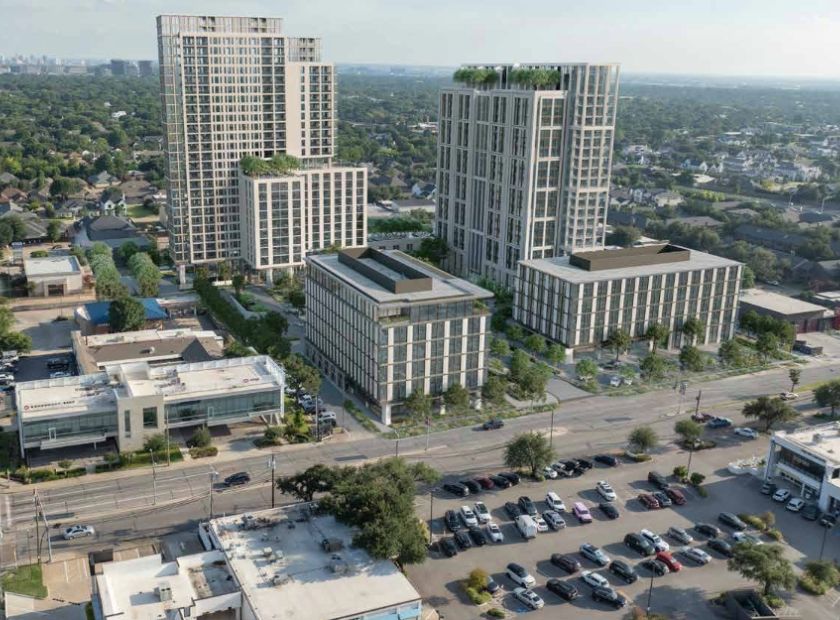
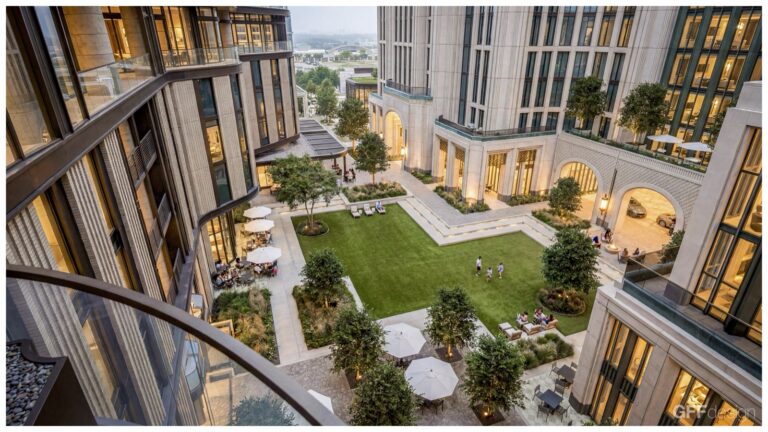
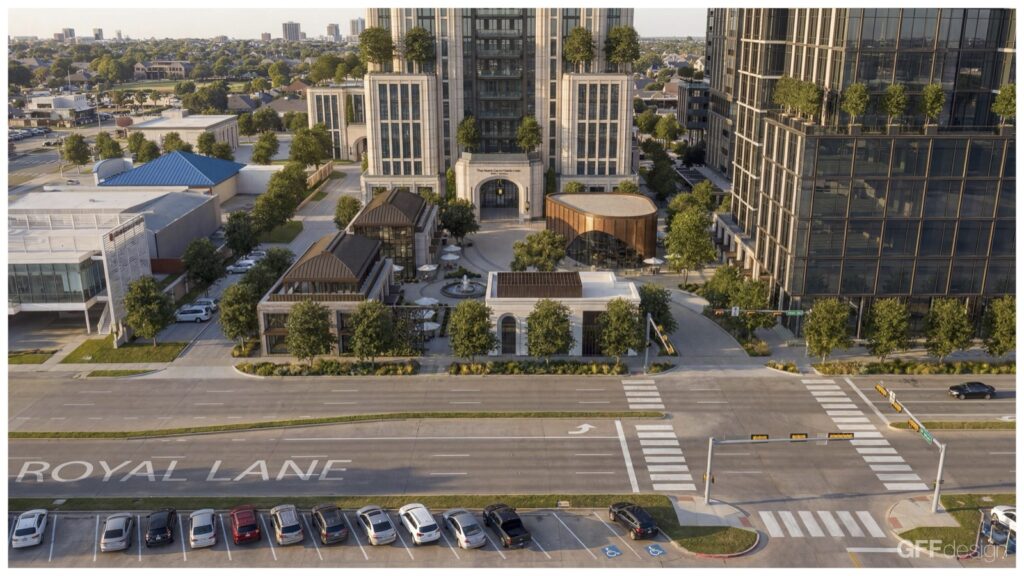
The current staff-recommended zoning application calls for a planned development district on about seven acres to accommodate a 19-story hotel, an 18-story multifamily tower with mixed-income housing, a 12-story office building, and a restaurant village. The developers are Burk Interests and Greenway Investment Company.
Jackson Walker attorney Suzan Kedron, representing the developers, said the proposal had evolved significantly in response to both city staff and neighborhood feedback. She noted the tallest building had been lowered by 85 feet and relocated to the center of the site, among other concessions.
“This zoning case provides the opportunity to redefine the future of a neighborhood,” she said. “The site was leveled by a tornado, thus presenting a unique opportunity.”
Framing the proposal as an appropriate fit for a commercial corner near the Dallas North Tollway and bounded by major thoroughfares, she told commissioners the central question was whether Dallas would “build for the future or for the past.”
Many speakers during public comment made emotional pleas to the commissioners, arguing the requested maximum allowable height of 240 feet is drastically out of character for the surrounding neighborhood, with current zoning at the site set at 45 feet. The surrounding area primarily includes single-family homes, some duplexes and condos, and small-scale commercial buildings, with the closest home around 200 feet away.
“Can you imagine living in your home for decades, trusting a 54-foot zoning limit and then being old that towers nearly five times that height may suddenly rise next to your house?” said neighborhood resident Laurie Sprouse. “How can that possibly be fair to the homeowners who built their lives and invested their savings here? More than 90% of the neighbors to this project have resoundingly opposed this proposal. How can one developer’s vision outweigh the clearly expressed wishes of virtually an entire surrounding community?”
Opponents repeatedly emphasized that they support redeveloping the site but argued the proposed towers are simply too tall for an established low-density neighborhood. They warned the project would set a precedent for similar requests elsewhere in Dallas.
“Local homeowners have invested heavily in rebuilding and renovating their homes, significantly increasing the city’s tax base in part because they believed the zoning was stable,” said Chris Cole. “If a 54-foot height limit can suddenly become 240 feet, future and current owners throughout the city of Dallas may hesitate to make similar long-term investments.”
Supporters of the project turned out to Thursday’s meeting as well, arguing the project is the kind of development Dallas needs to grow housing options, walkability, and tax revenues in a competitive environment.
“We should not confuse height with harm,” said Adam Murphy, president of the Oak Lawn Committee. “Dallas cannot say it wants more housing, more tax revenue, better infrastructure, and world-class development projects and then reject a project capable of delivering all four.”
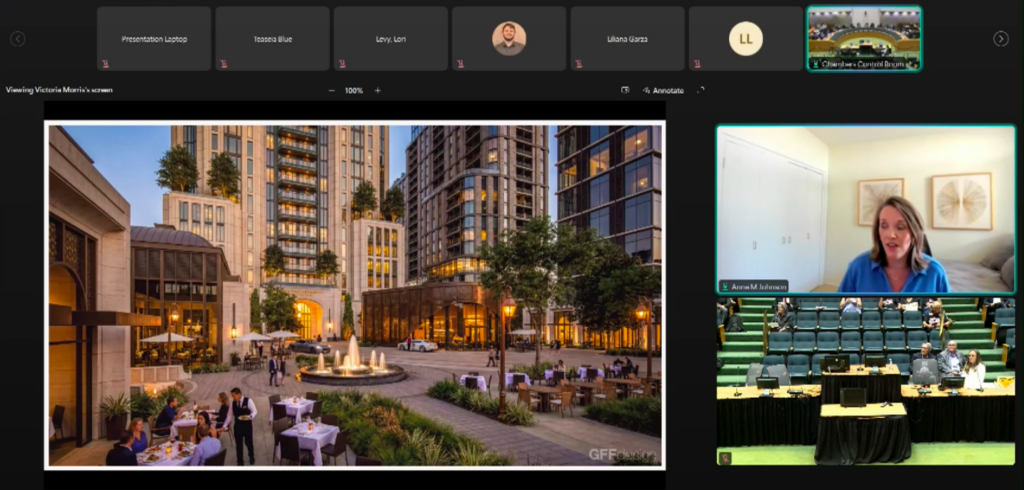
Neighborhood resident Anne Johnson argued that the neighborhood has always been evolving and changing for the better. She noted that the single-story homes were torn down years ago and replaced with two-story houses that look directly onto her property.
“I lost the expectation of privacy in my backyard many years ago,” she said. “The bottom line is that the character of our neighborhood changed long ago, thankfully, and continues to change, and it makes no sense to cling to 1950s-era zoning restrictions in a neighborhood where very little looks like it did in 1955.”
Like many flashpoint zoning cases of late, ForwardDallas 2.0 was once again raised. Commissioners backing the project emphasized how the comprehensive plan is a guiding document rather than binding zoning code and that the proposal is in line with its recommendations.
“I was here on this commission when ForwardDallas passed,” said Tipton Housewright (District 10). “We were implored to keep density and new housing types out of neighborhoods. We did. We were implored to keep density and mixed-use on major corridors. That’s exactly what this case does.”
Commissioner Melissa Kingston (District 14) agreed.
“Nobody’s tearing down single-family homes to build this project,” she said. “This project is being built on an existing commercial site on a high-traffic capability corridor. It’s exactly what neighborhoods asked us to do in ForwardDallas 2.0.”
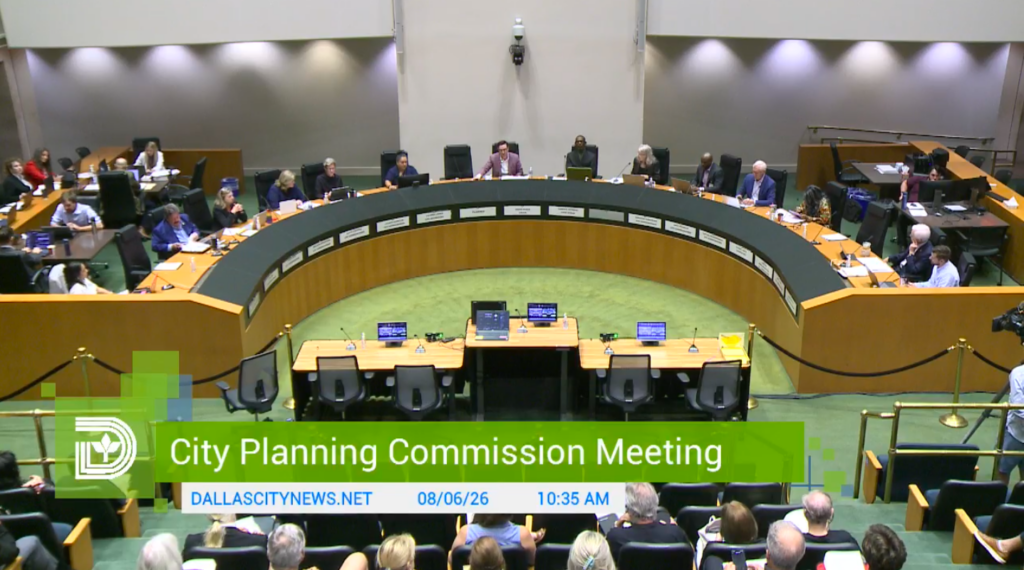
Opponents on the CPC, of which there were few, countered that the plan’s vision for community mixed-use areas (like where the project site is located) warrant much lower intensity in development.
“I’m not opposed to this project per se. I am opposed to the height,” said Commissioner Jack Kocks (District 11). “I think it’s obscene, quite frankly, to go that high right next to a single-family neighborhood.”
Commissioner Joanne Hampton (District 2) said she would probably support the project if it were 160-180 feet in maximum height, noting that she heard some in the opposition suggest the same.
“My primary concern comes down to how it fits within the overall framework of development within our city,” she said. “Not everywhere is appropriate for 240 feet.”
SB 840 also came up during the meeting. Officials argued that the state law fundamentally changed the baseline for evaluating zoning applications because it allows significant multifamily development by right on commercially zoned properties. Planning staff estimated the site at Preston and Royal could theoretically accommodate hundreds of apartment units under SB 840, though the ultimate size would depend on parking, engineering, and traffic constraints.
ASeveral commissioners criticized the opposition for purportedly being intransigent. As previously reported by CandysDirt.com, a neighborhood-based nonprofit called Preserve Preston Hollow sprung up to fight the project, canvassing the area and collecting thousands of signatures (more than 4,400) in opposition. Some in the group called for any development to remain within the existing zoning parameters.
More recently, the group put its weight behind a new initiative targeting Council Member Gay Donnell Willis (District 13), who represents the area. The D13 Together Coalition threatened Willis with a recall effort if she did not work to delay a number of contentious zoning cases — including Preston-Royal — and abandon her perceived support for relocating City Hall.
Commissioner Larry Hall (District 13) suggested there was probably an opportunity for the developers and wary residents to negotiate further and arrive at a more accommodating project but that a “hardline stance was taken at 54-feet height.”
“It was reasonable to express opposition to the height and mass of the proposed development, but there was also focus on outrage, petitions, and yard signs,” said Hall. “There was a willingness to fight and threaten political retaliation.”
Passions have been running high, and they did so during Thursday’s meeting, too. Applause and jeers had to be quieted by the CPC chair on multiple occasions, including when Commissioner Loren Gilbert-Smith (District 4) said, “Yes, I would not like a tall building looking into my backyard, but that’s not what’s happening here. It’s not looking into your backyard.”
No doubt those who might literally end up living in the shadow of the development might disagree.