
John Cullen Lighting: 5 Things to Know About Choosing LED Lighting for Your Home
Share News:


Today’s expert insight comes from our friends at John Cullen Lighting, who know a thing or two about how good lighting design can completely change the feel of a home.
LEDs have been the buzzword in lighting for years — and for good reason. They’re energy-efficient, long-lasting, and can completely transform the atmosphere of your home. But with so many technical terms and product options out there, choosing the right LED can get confusing.
Here are five key things to look for to get the best results from your LED lighting:
1. Understand What Makes a Quality LED
Not all LEDs are created equal. A simple way to test light quality is to see how accurately it shows colors — especially reds. If red tones look dull or off, the LED may not render colors well.
Tip: Check the CRI (Color Rendering Index) on the packaging. A CRI above 90 means the light will show colors more naturally, so your space looks as vibrant at night as it does during the day.
2. Choose the Right Color Temperature
LEDs come in different “color temperatures,” measured in Kelvins (K), which describe how warm or cool the light appears.

For a cozy, welcoming glow similar to traditional bulbs, look for 2700K, known as warm white. It’s ideal for living rooms, bedrooms, and even outdoor spaces.
(All John Cullen fittings are set to 2700K for this reason.)
3. Maintain Color Consistency
Nothing ruins a beautifully lit room faster than mismatched lighting. LEDs from different batches can vary slightly in tone, causing a “stripey” or patchy effect — especially if you have a run of uplights or downlights.

Tip: Make sure all your LEDs are from the same manufacturer — or even the same “bin” — to ensure perfect color consistency.
(All John Cullen LED products are shipped with carefully matched bins to guarantee uniform color.)
4. Plan Your Lighting Controls Early
Not all LEDs can be dimmed. For example, some LED bulbs for decorative lighting are not dimmable. Discreet architectural fixtures, like those offered by John Cullen, often can be dimmed — but not always with standard dimmer switches. Some may require compatible wiring or drivers.
Tip: Plan your control systems early in the design process. The good news? Many modern LEDs, including John Cullen’s range, now come with mains voltage drivers, meaning they can be dimmed alongside other circuits without special wiring.
5. Call in an Expert
A professional lighting designer can help you create a scheme that’s both efficient and atmospheric. Since LEDs last for years, investing in expert advice ensures your setup looks good and performs well for the long haul.
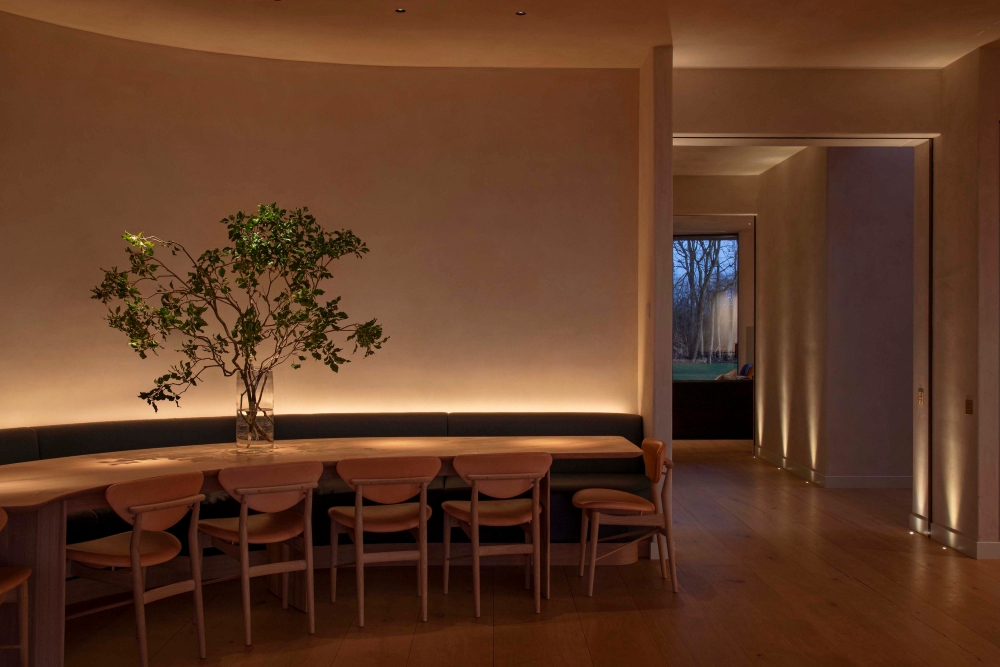
LEDs are a fantastic lighting choice — but getting the most out of them means understanding a few key details. By checking for high CRI, choosing the right color temperature, planning your control systems, and maintaining consistency, you’ll enjoy beautiful, energy-efficient lighting that enhances every corner of your home.
For help with lighting design for a residential or hospitality project — or with selecting architectural lighting — contact Debbie Gold at [email protected] or visit johncullenlighting.com