Cooling Down Dallas: How Cool Roofs and More Trees Could Bring Relief to Hottest Blocks
Share News:

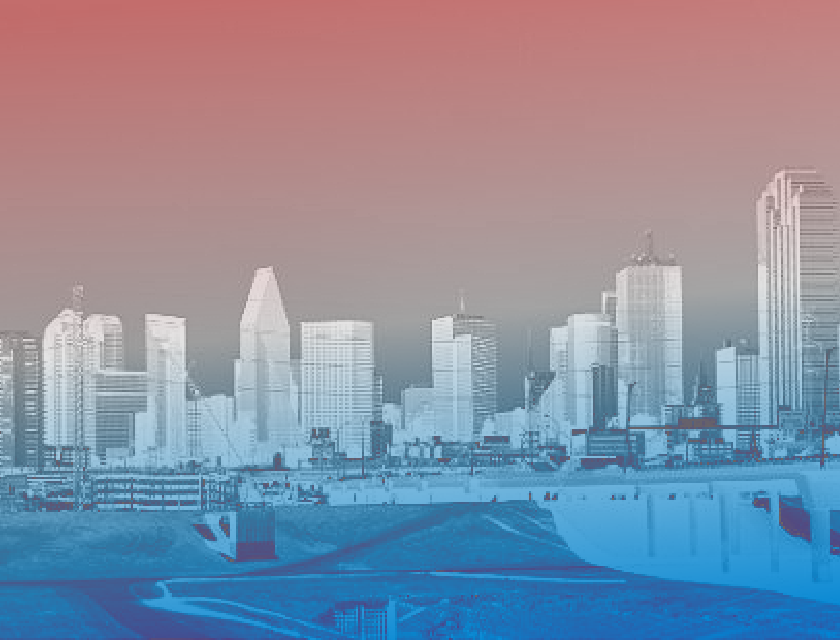
There are a lot of hot neighborhoods in Dallas, but we don’t mean the kind booming with growth. A recent study found parts of Dallas with fewer trees and more pavement are 12 to 14 degrees hotter than surrounding areas.
The culprits? Roads, roofs, and parking lots. These impervious surfaces can trap 95% of the sun’s heat, creating “urban heat islands” that drive extreme temperatures, worsen air quality, increase flooding, and send energy bills soaring.
According to the nonprofit Smart Surfaces Coalition, Dallas is blanketed by about 333,000 roofs, 20,400 lane-miles of road, and 1,400 acres of parking lots. Together, they form the necessary backbone of city life, but they also pose a challenge to the city’s livability.
Smart Surfaces Solutions
This is where the Smart Surfaces Coalition comes in. The nonprofit organization is working with Dallas and nine other cities to identify the city’s hottest and most flood-prone pockets and recommend changes.
“Smart Surfaces include reflective (cool) roofs and pavements, porous and permeable pavements, green roofs, solar PV, trees, and combinations of these surfaces,” the group explains.
“We are proud to partner with the City of Dallas to create solutions to make the city’s urban areas cooler, healthier, and safer for all residents, especially for outdoor workers, children, seniors, athletes, and unhoused people,” said Greg Kats, CEO and founder of the Smart Surfaces Coalition. “These strategies cut energy bills, protect vulnerable populations, and strengthen the economy.”
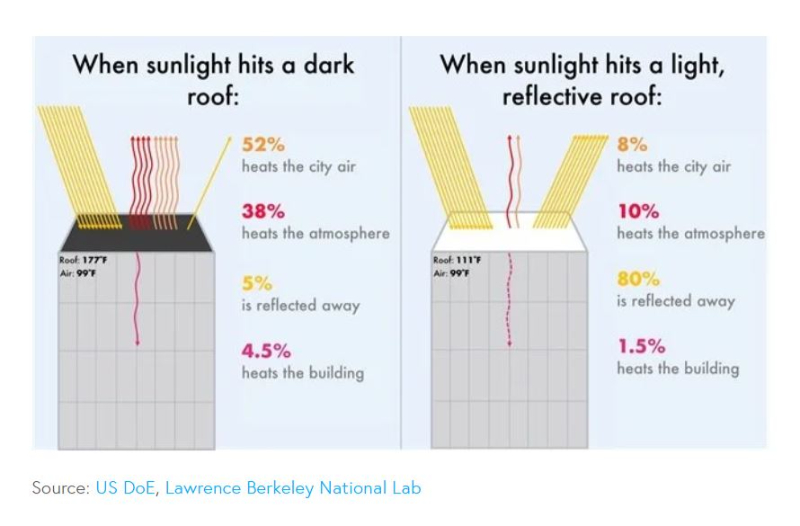
Specifically, reflective roofs and pavement reduce the amount of heat absorbed, reduce pollution, and keep buildings cooler, which reduces the demand for air conditioning.
Another option the city may consider is porous and permeable pavement, which allows water to pass through or redirect to planted areas or enhanced storm sewers. Using these types of pavement reduces the risk of flooding and lowers the temperatures through evaporative cooling.
“Cities have never before had such a comprehensive, data-rich view of their surface infrastructure — or such clear guidance on where and how to act,” Kats said.
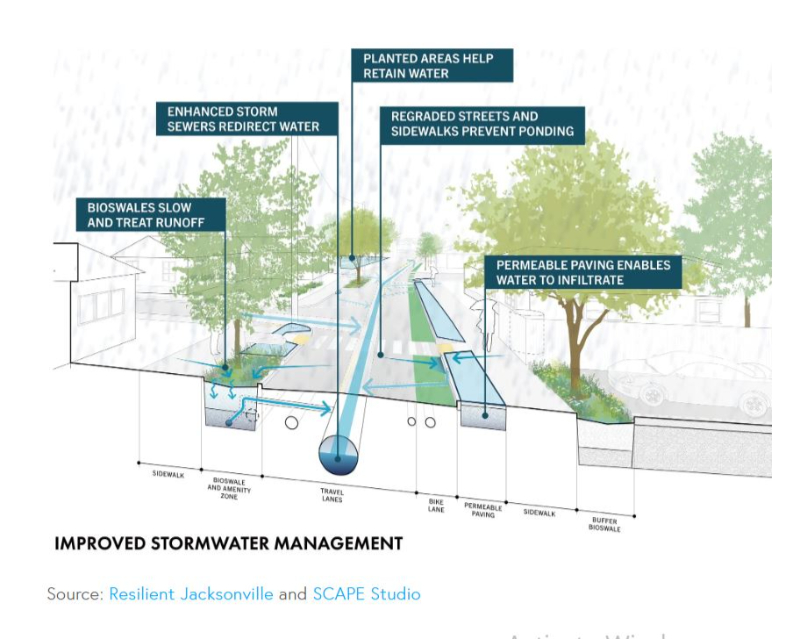
Greener Dallas, Greater Dallas
The Smart Surfaces Coalition’s work complements Dallas’ own Greener Dallas Greater Dallas initiative, launched in July by the Trust for Public Land, to convert city-owned land into green spaces. That effort will build 18 new parks, develop a 17-mile urban hike-and-bike trail, enhance 283 acres of protected wilderness, and improve miles of nature trails across Dallas.
Hard-packed vacant lots, which are costly for cities to maintain and contribute to flooding and poor air quality, will be converted into protected wilderness and meadows that are effective at managing stormwater during rainstorms.
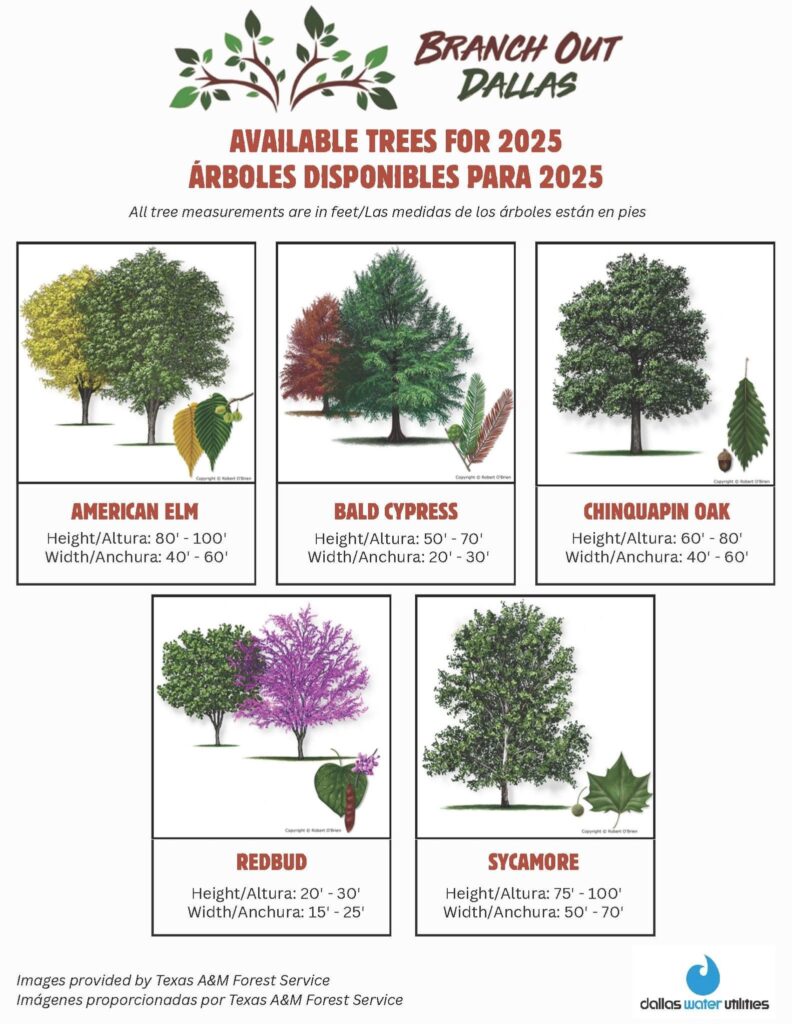
Dallas residents can do their part through the city’s Branch Out Dallas program. Now in its seventh year, the program provides residents who register with a free five-gallon tree through Sept. 30. As we all should know, trees not only clean the air we breathe and absorb the pollution that is produced, but also help cool neighborhoods and provide habitats for wildlife.
“Designing healthier cities is paramount in the reality of our rapidly warming world. Outdated, heat-trapping surfaces put millions at risk,” said Georges C. Benjamin, MD, executive director, American Public Health Association. “The Smart Surfaces Coalition’s new tools give cities the power to design healthier, cooler, and more resilient communities.”
Registration for a free tree is required and runs through Sept. 30. The program is only open to Dallas residents, and they must have a Dallas Water Utilities account number.