‘Greener Dallas Greater Dallas’ Initiative to Build More Parks, Convert Vacant Lots to Green Space
Share News:

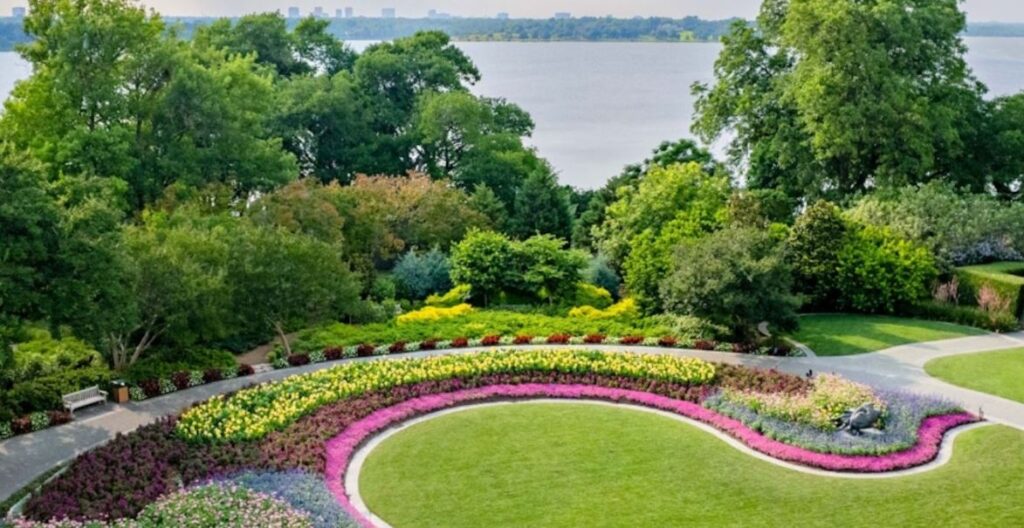
The future of Dallas is green and great. That’s not wishful thinking; that’s the plan a national non-profit has launched so that all Dallas residents have access to a world-class park system. The Trust for Public Land launched the “Greener Dallas Greater Dallas” initiative at the recent grand opening of the Judge Charles R. Rose Community Park in south Dallas.
Led by Trust for Public Land (TPL), the Greener Dallas Greater Dallas plan will build 18 new parks, develop a 17-mile urban hike-and-bike trail, enhance 283 acres of protected wilderness, and improve miles of nature trails. Those lofty goals come with a hefty price tag of $100 million. But as of early June, TPL has already raised half of its goal through public and private commitments.
“We believe in the TPL mission,” said Don Gafford who is the campaign chair for the Greener Dallas Greater Dallas initiative along with his wife, Rebecca. “We have been involved with TPL for more than 40 years. (The Judge Charles R. Rose Community Park) is a prime example of when a plan is supported and funded.”
“The goal is to expand green access to all Dallas neighborhoods until every corner of the city has parks, trails and greenspace,” Rebecca Gafford said. “We want to connect people with the outdoors.”
The Goal: A 10-Minute Walk to the Park
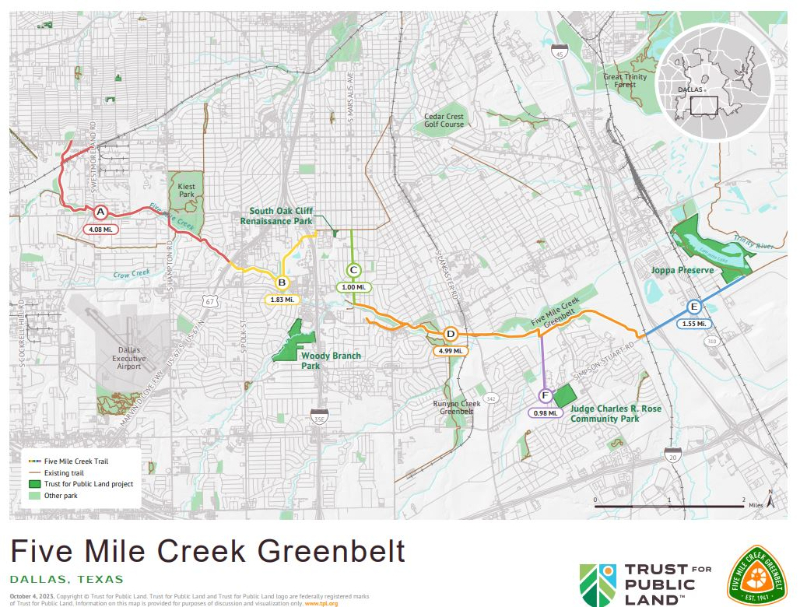
“A critical initiative of Greener Dallas Greater Dallas is the Five Mile Creek Greenbelt, of which Judge Charles R. Rose Park is the second of three new parks” said Molly Morgan, TPL state director.
“Once complete, the greenbelt will deliver a 17-mile trail stretching across southern Dallas that connects to 17 city parks, three hospitals, two colleges, two light rail stations, and provide close-to-home access to the outdoors for nearly 200,000 residents who call the Five Mile Creek area of Dallas home,” Morgan said.
Currently, only 54 percent of residents that live within the Five Mile Greenbelt watershed area have a park or trail within a 10-minute walk, according to the TPL website. The citywide average of residents who live within that 10-minute walk is 73 percent.
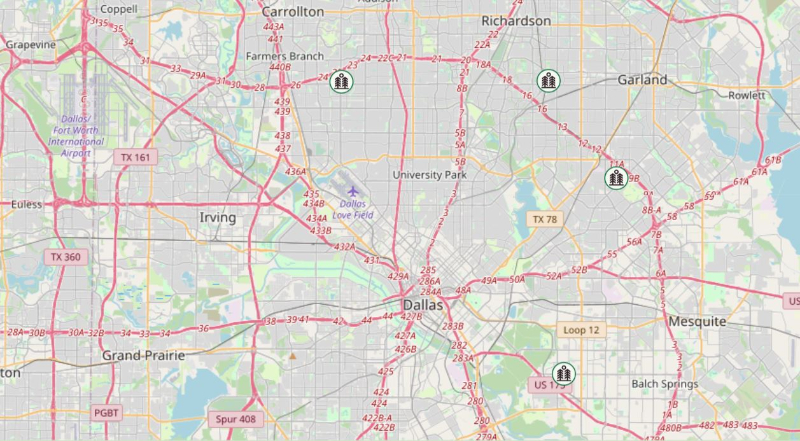
Along with the greenbelt initiative, the city and TPL are also selecting empty lots owned by the city and converting them into neighborhood parks.
“We’ve been able to pinpoint 15 future green space locations in communities that need it most,” according to the TPL website.
The last piece of the puzzle in the Greener Dallas Greater Dallas plan is preserving Big Creek Wilderness located just outside of downtown Dallas.
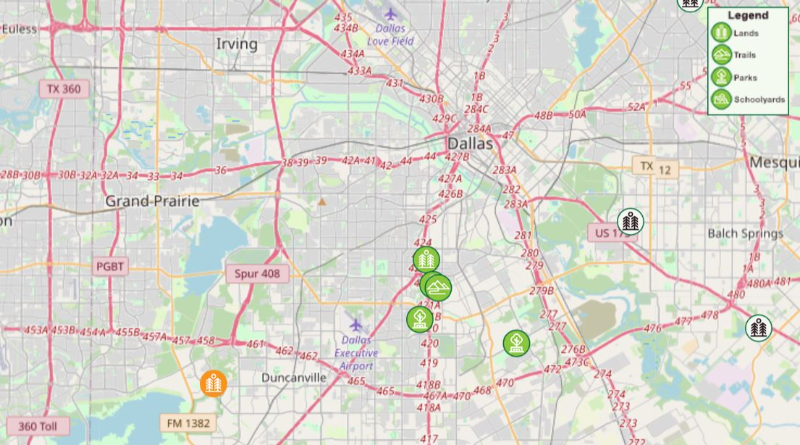
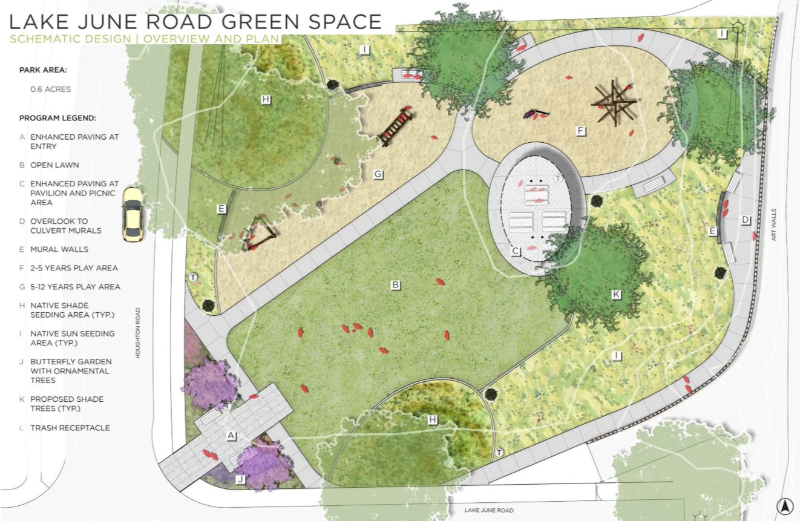
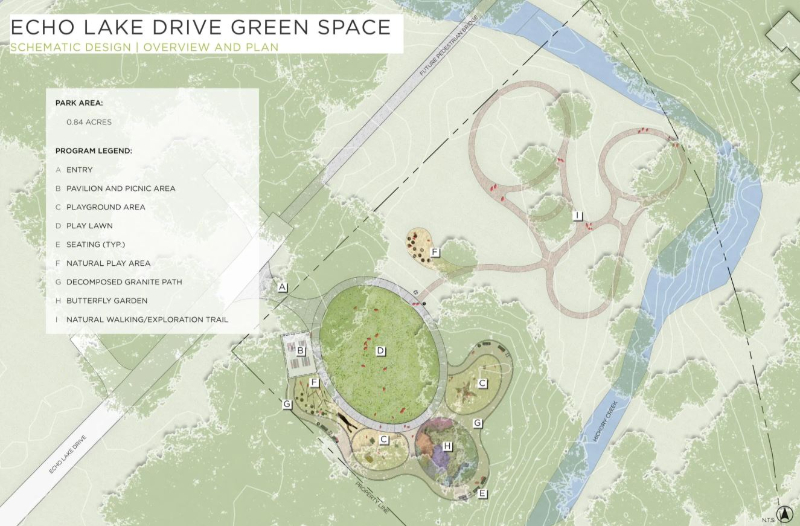
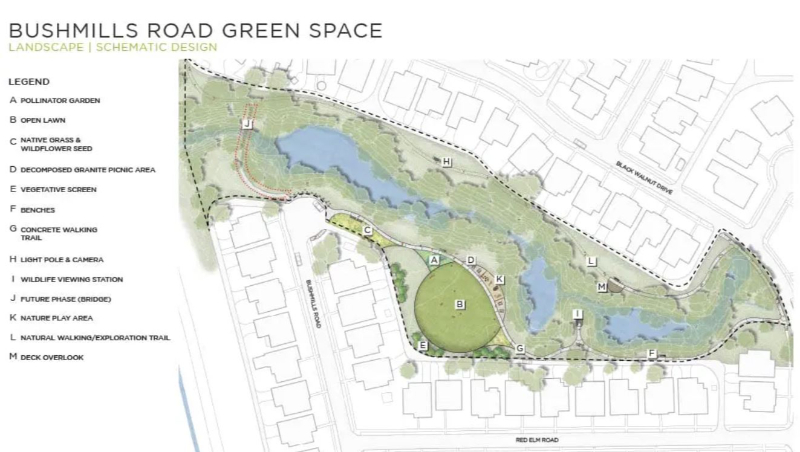
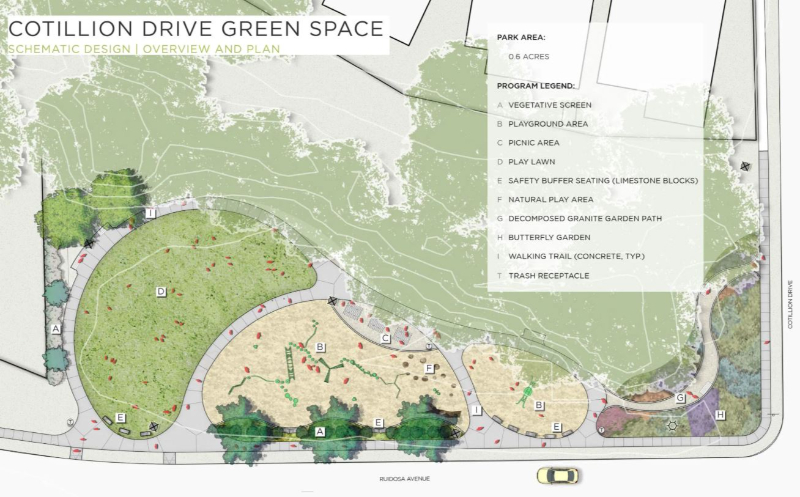
“With nearly 300-acres of hills, cliffs, and creeks, the landscape provides stunning natural beauty reminiscent of Texas Hill Country,” according to the TPL website. “This once privately owned landscape is now permanently preserved for the whole community to enjoy! This means more trails, park space, shade, and clean air for generations of Dallas residents to come.”
Greener Dallas Greater Dallas to Improve ParkScore
“This work is about more than parks. It’s about health, opportunity, and economic vitality.,” Morgan said. The Five Mile Creek Greenbelt project alone is expected to unlock $17 million in new wages and generate over $1 million in new tax revenue.”
For the fifth consecutive year, the city’s ParkScore ranking increased from 49th in 2018 to 34th in 2025. A ParkScore is a ranking that the TPL gives the 100 most populated cities in the U.S. Ranked 17th, Plano ranks the highest of all Texas cities. Frisco is ranked 37th; Arlington is 46th.
“The rise Dallas has experienced is historic and it’s not without hardwork, dedication and intentionality,” Morgan said. The commitment “is making our city safer, more beautiful, healthier for its residents, for its children, its seniors and it’s attracting more people to the city.”
Mayor Eric Johnson echoed Morgan.
“When you look at what Klyde Warren Park has done for the city’s bottom line, what it’s done to the tax base, it’s an unequivocal success for this city,” Johnson said.
“Parks are where communities connect with each other and frankly, parks make Dallas not just more beautiful but more competitive. The goal is to get 100 percent of residents to live within a 10-minute walk to a park.” Dallas Mayor Eric Johnson

“Since its creation in 2014, the Klyde Warren Park/Dallas Arts District Public Improvement District (PID) has driven unprecedented economic growth, with property values within the PID increasing from $2.5 billion to over $8 billion, resulting in more than $660 million in incremental tax revenue for Dallas, DISD, Dallas County, Dallas College and Parkland Hospital,” according to the Klyde Warren Park website.
“A strong park system improves the quality of life for all of our residents and that encourages more people to come to our city as visitors,” Johnson said. “Parks are where communities connect with each other and frankly, parks make Dallas not just more beautiful but more competitive. The goal is to get 100 percent of residents to live within a 10-minute walk to a park.”