
Schools Top the List of Historic Fort Worth’s Most Endangered Places
Share News:

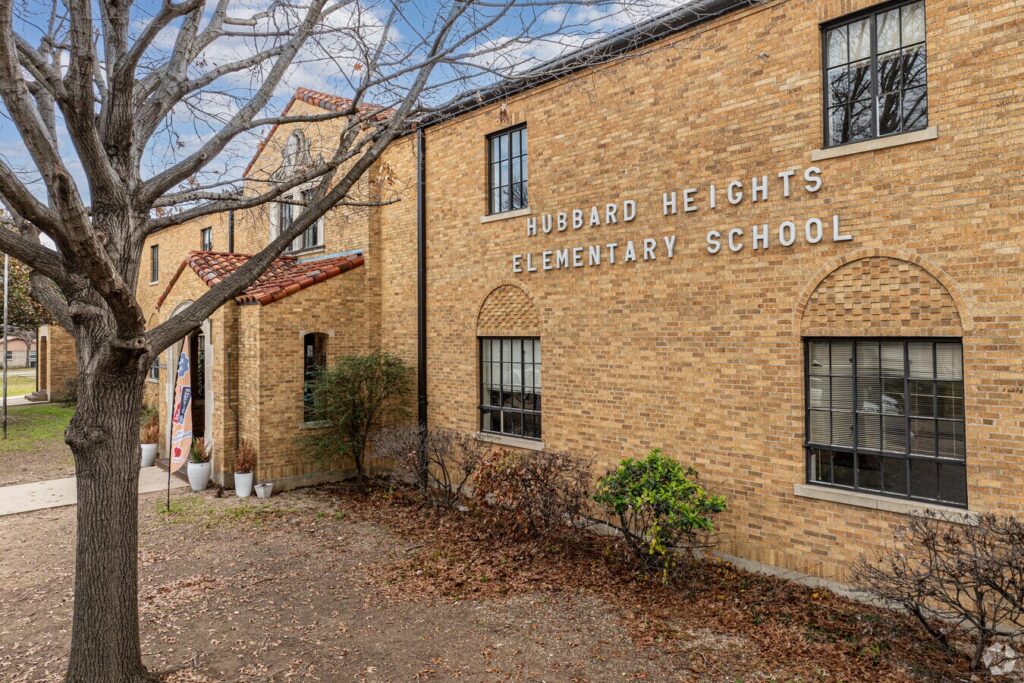
As the Fort Worth Independent School District is discussing the closure of schools, it is no coincidence that some of the district’s properties made Historic Fort Worth’s annual list of endangered places.
Historic Fort Worth’s annual Most Endangered Places spotlights historic sites threatened by various situations, and this year five schools were named to the list.
“The school buildings truly matter because they influence the entire neighborhood around them,” said Jerre Tracy, Historic Fort Worth’s CEO. “They’re the magnet, and it becomes such a dominant school in your neighborhood.”
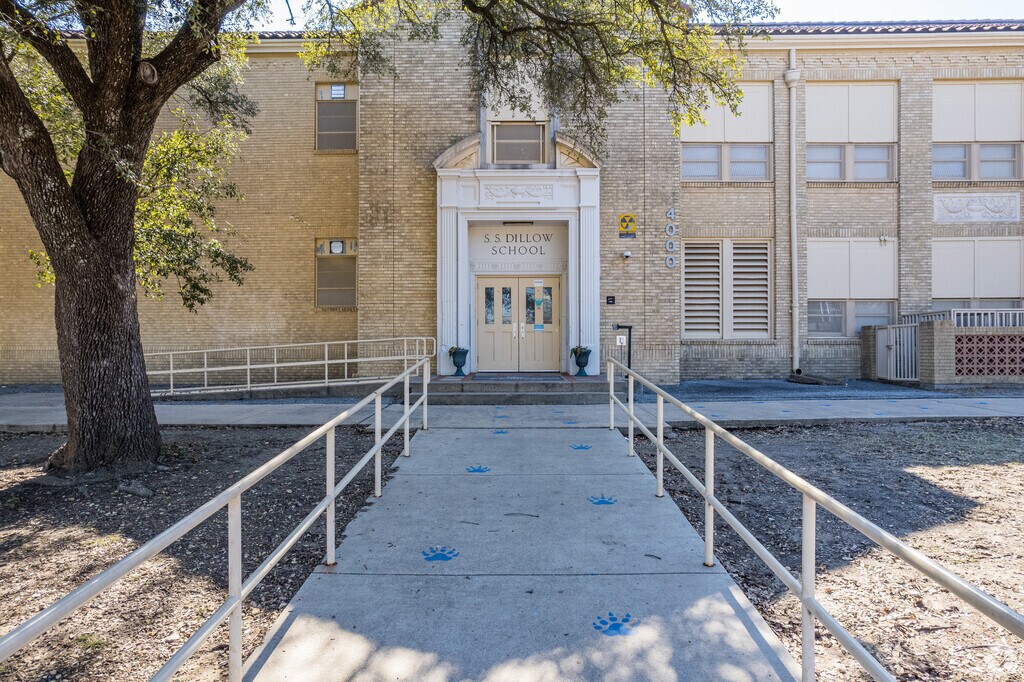
Number one on the most endangered list, according to Historic Fort Worth Inc. is S.S. Dillow Elementary School, 4000 Avenue North. Named for a man who was a bank president and school board trustee, the Mediterranean building was constructed in 1937 and includes additions by Easterwood & Easterwood Architects.
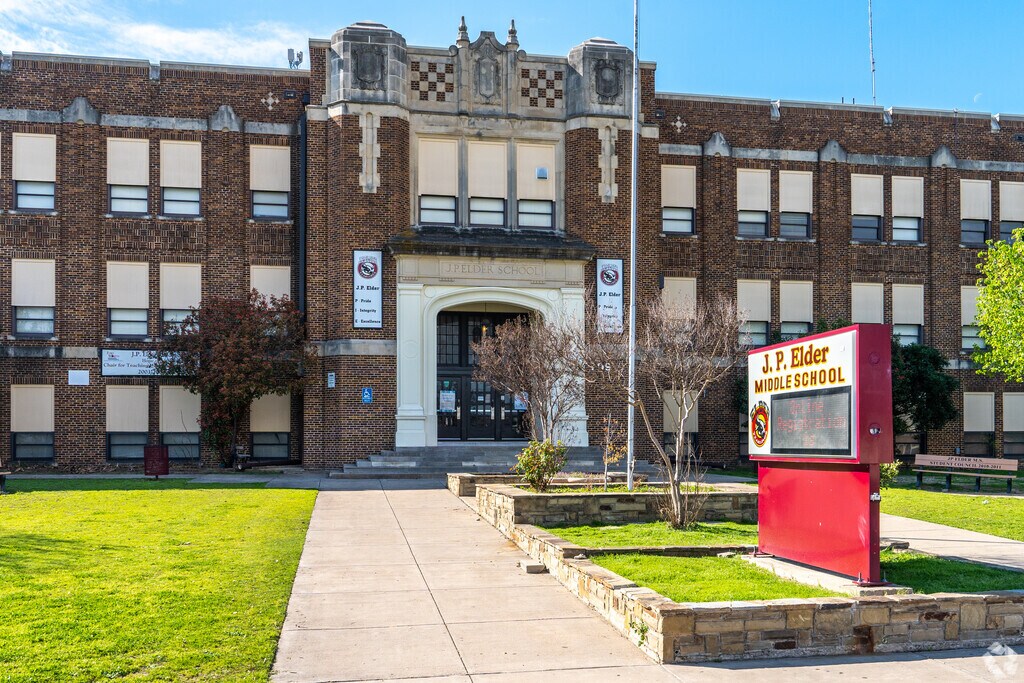
The second most-endangered property is J.P. Elder Middle School, 709 NW 21 St. Butcher & Sweeney built the three-story school clad in polychrome brick in 1927. Wylie G. Clarkson designed it in a Tudor style, and the City of Fort Worth has designated it for “demolition delay.”
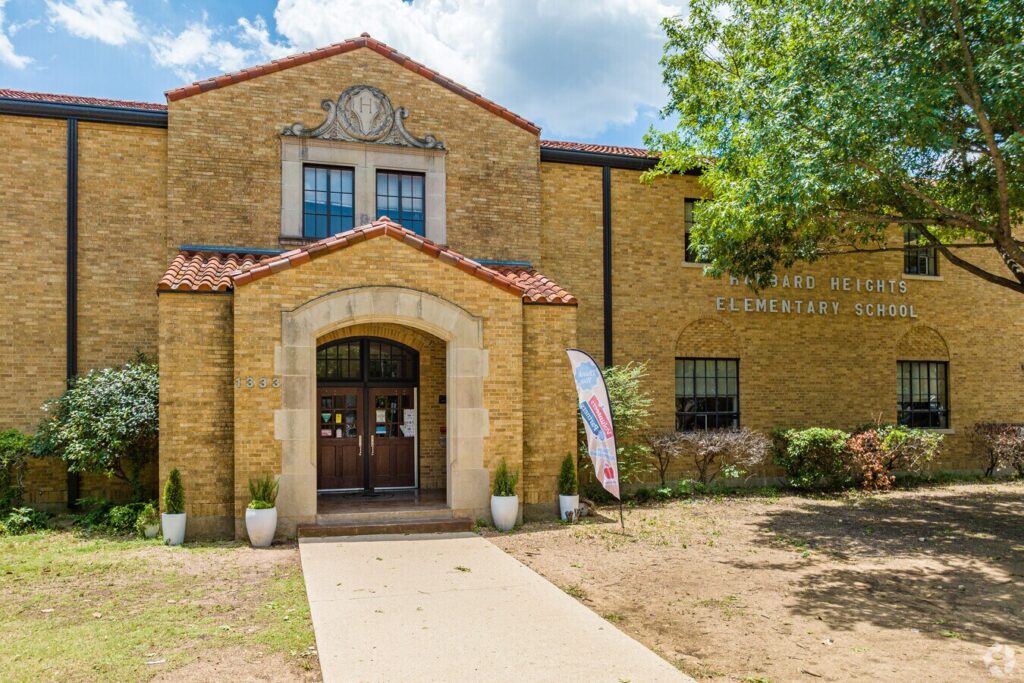
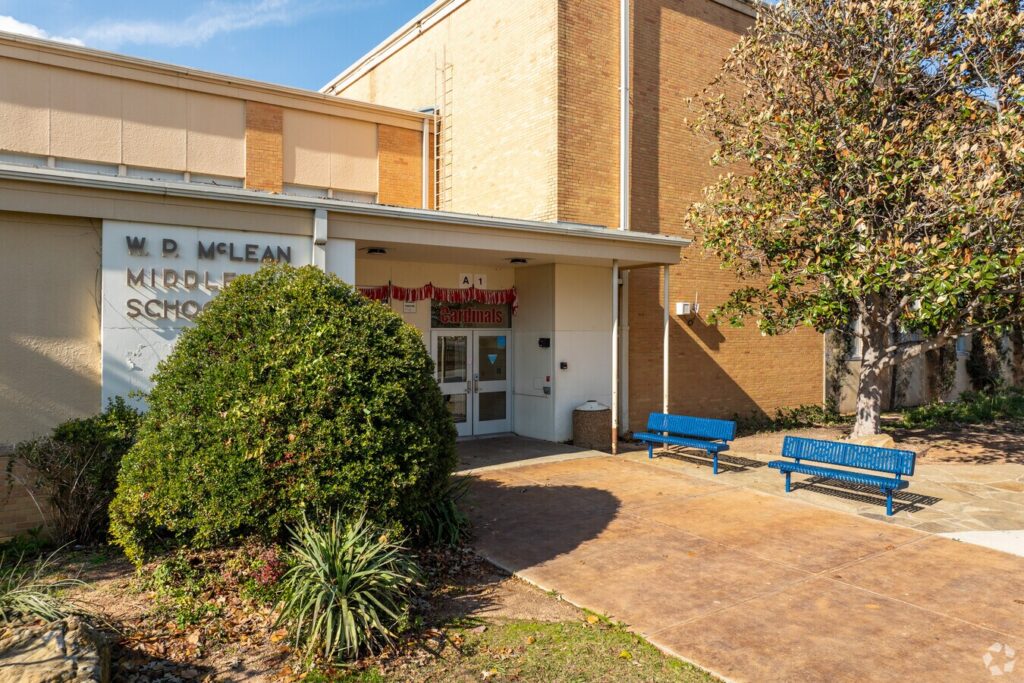
Hubbard Heights Elementary, 1333 W Spurgeon St., made the list. The school was established in 1922 in the Southside neighborhood. Making the list, too, is McLean Middle School, 3816 Stadium Drive, completed in 1955. It serves as an example of the International style as interpreted in mid-20th-century public architecture. Prominent Fort Worth firm Wilson, Patterson & Associates designed it, and Cadenhead and Roeser built it.
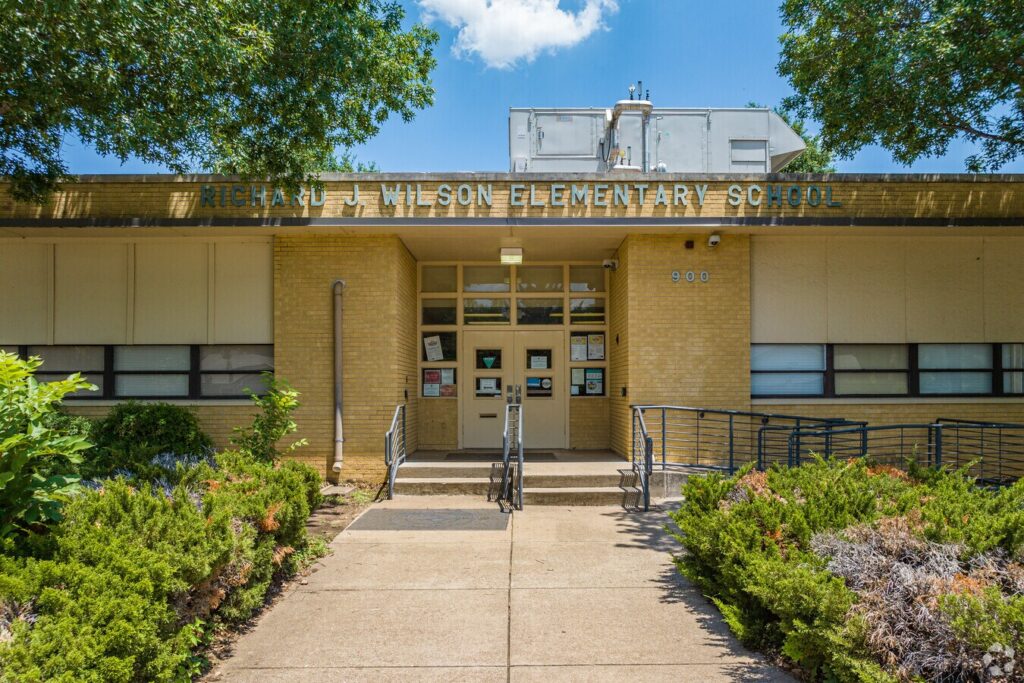

Also named is Richard J. Wilson Elementary School, which opened in 1914 as South Fort Worth School. Located at 900 W. Fogg St., the red-brick school was renamed in honor of a long-time principal and designed with cast stone window sills, coping, and decorative banding.
FWISD’s proposals to close and consolidate campuses because of declining enrollment and costly repairs have 17 schools under consideration. A series of meetings this spring has led to the school board’s ultimate decision on closures expected to be made at its May 20 meeting.
The schools that made this list are of architectural significance, Tracy said, because Fort Worth employed important architects who designed truly noteworthy buildings for students, teachers and neighbors to enjoy.
“All the luminaries of our city per decade per decade were hired to design these schools,” Tracy said. “You’ll see year after year that Fort Worth really hired the best to construct these schools for the children of the city.”
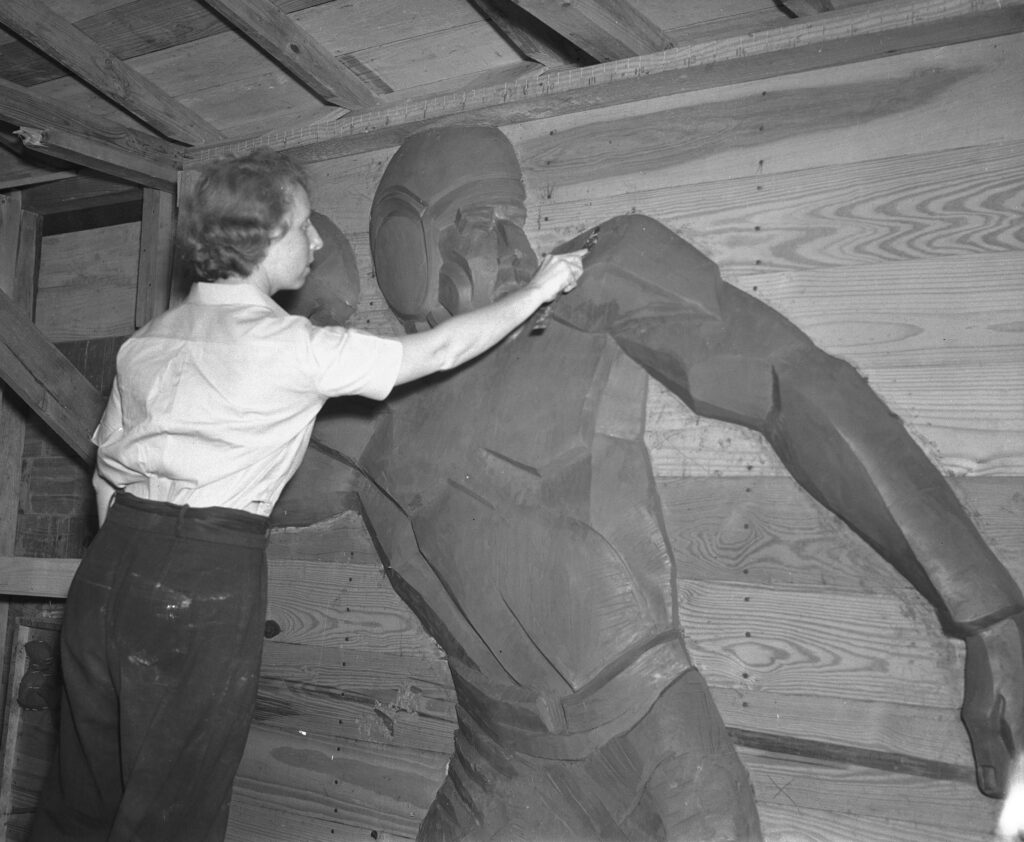
Also on the list is historic Farrington Field, 1501 University Dr. Built between 1938 and 1939, the reinforced concrete stadium is an example of Classical Moderne architecture and was designed by Preston M. Geren, Sr. Bas relief work by noted Fort Worth artist is found throughout the stadium, which was constructed with WPA funding.
Additional structures also were included in the 2025 list.
Among them is Mount Gilead Baptists Church, 600 Grove St. It’s Fort Worth’s oldest African-American church, was built between 1912 and 1913 and was designed by Sanguinet and Staats.
Another church, North Fort Worth (Primera) Baptist Church, 1519 Circle Park Blvd, made the list. Built in 1927 in Classical Moderne style, the church’s three distinct buildings are unified by a corridor system.
Also on the list is Oakwood Cemetery Chapel, built on land donated in 1879 by John Peter Smith, who is buried in the cemetery. Other civic luminaries buried there include Electra Waggoner, Samuel Burk Burnett, Jim “Longhaired Jim” Courtright and Hora S. Carswell.
Historic Fort Worth, Inc.’s Most Endangered Places list is compiled from historic sites at risk due to neglect, lack of landmark designations, and other challenges. Released each May during National Preservation Month, the list raises awareness and provides support to property owners seeking preservation solutions, helping to ensure these significant sites remain part of Tarrant County’s architectural and cultural heritage.
These sites need to be protected to maintain Fort Worth’s unique character and historic identity.
“Fort Worth has the second largest inventory of historic buildings in the state of Texas, second only to San Antonio,” Tracy said. “If we start tearing down collection of buildings, like our school buildings, we run the risk of becoming ‘Generica America’.”
1 Comment
Leave a Comment



What about Trimble and Poly Technical high schools??