
Here’s What Your Council Member Had to Say About the Now-Approved ForwardDallas 2.0
Share News:

At last. The ForwardDallas 2.0 comprehensive plan was officially adopted and is now the guiding document for future land use in the ninth-largest city in America. A lot of ink has been spilled about what led up to the Dallas City Council’s 11-4 vote to pass the document on Sept. 25. As always, some golden quotes got lost in the shuffle when public testimony and elected officials’ banter crept past the four-hour mark.
Several residents weighed in the day after the vote. Some who had been adamantly opposed said they could live with the compromises made in a Sept. 3 Economic Development Committee meeting by Councilman Paul Ridley and in last week’s council meeting by Mayor Pro Tem Tennell Atkins.
Some say they’re still mad about pages 3-4 and 3-5, on which a matrix shows multifamily development as a secondary use in the Community Residential “placetype.” And some say they’re anxious to have a robust conversation about accessory dwelling units and missing middle housing.
Watch the Sept. 25 Dallas City Council meeting here.
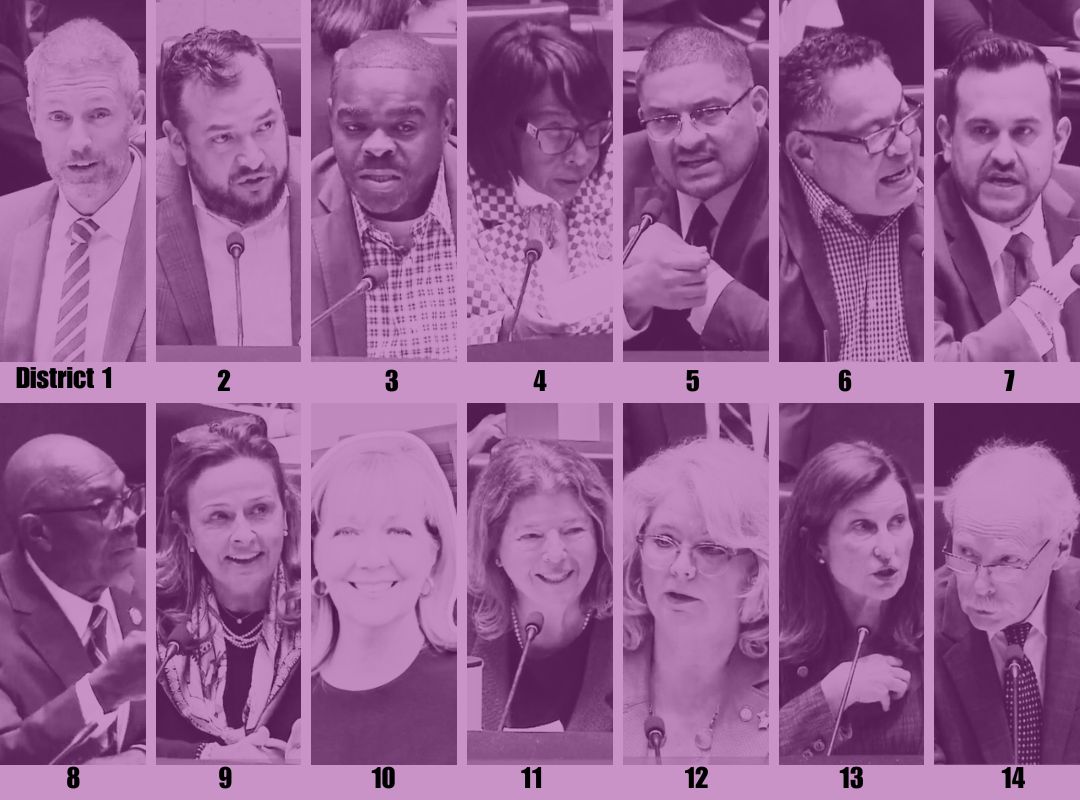
Below is a snapshot of what each council member had to say and how they voted.
Mayor Eric Johnson voted against the plan and stayed busy during last week’s meeting acting as referee among the opposing viewpoints of the officials flanking him. He didn’t have much to say about the land use plan but his nay vote was not a surprise.
District 1 – North Oak Cliff
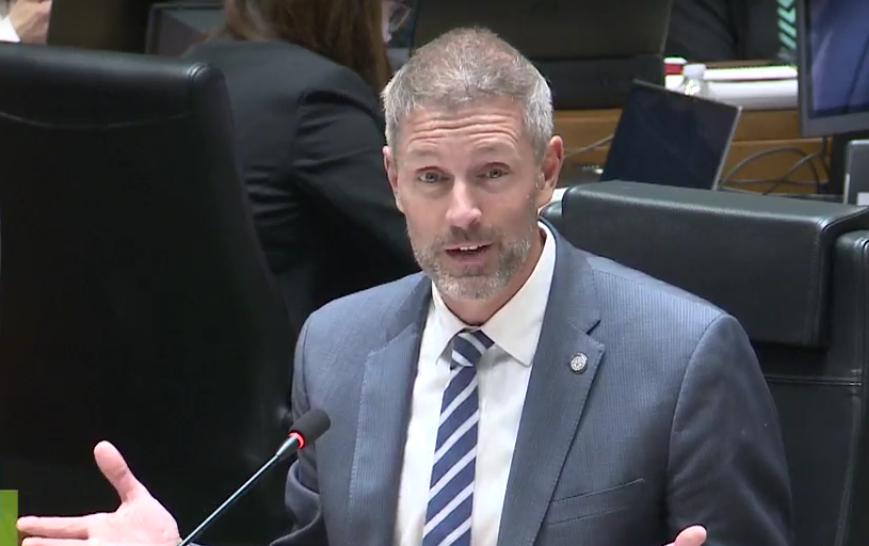
Councilman Chad West, a former plan commissioner, has championed ForwardDallas 2.0 and said last week that land use planning “is at the heart of everything we do in the city.”
When the historic El Corazon de Tejas restaurant was razed and replaced by a drugstore in 2017, West said he vowed to plan for the future of the neighborhoods he now represents. Proper planning could have mitigated or prevented that demolition, he said.
“I made a vow then and there to Council Member [Scott] Griggs, to residents, and to myself that I wouldn’t rest until planning was in place across District 1 and incorporated how Oak Cliff neighbors told me they wanted to live, work, and play,” West said. “For the past seven years, Oak Cliff has hammered out a balance between zoning that we need to welcome in new residents, along with the shopping and dining options, and the preservation that we all demand and deserve to keep Oak Cliff a great place to live.”
District 2 – Deep Ellum, Old East Dallas, the Medical District
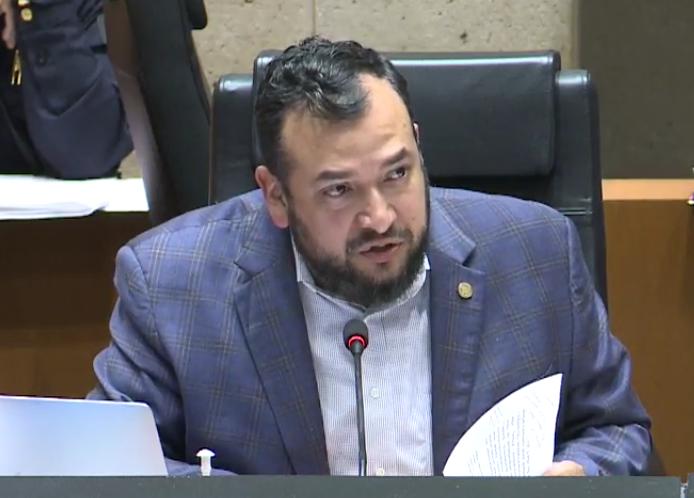
Councilman Jesse Moreno asked for clarification about Atkins’ amendments related to historic and conservation districts. He asked, possibly for the benefit of the public, what the purpose of a comprehensive land use plan is and how it is considered when making zoning recommendations.
Moreno voted against the plan.
District 3 – Southwest Dallas
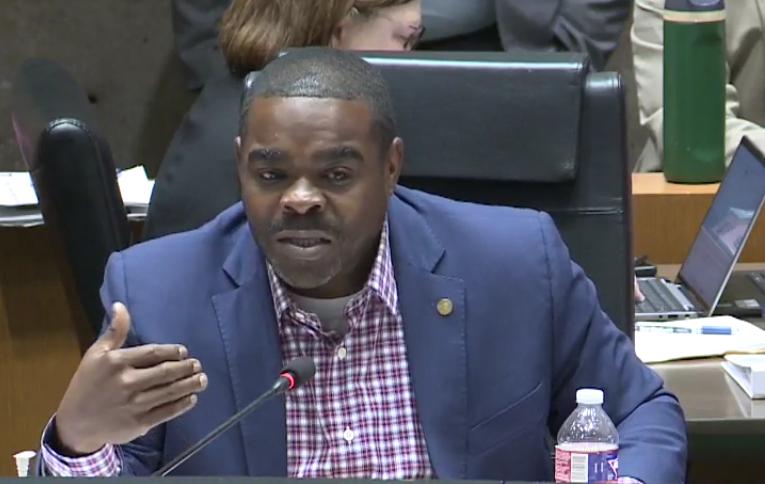
Councilman Zarin Gracey added a last-minute amendment outlined in this story. The intent of the motion, Gracey said, is to develop a master plan around an existing power station, recognize the area as regional space, and develop the area as a destination lake.
Gracey also has fought for ForwardDallas to include more incentives for homeownership.
He said early in last week’s meeting that he was troubled by the plan because of how it evolved.
“I think we’ve worked to include the proper protection, the housing, and things like that,” he said. “Where does this create opportunity for homeownership? I get it, people are moving, and we need rental units. But for me, southern Dallas has been asking for new single-family homes and quite frankly, this feels a little more like a land grab than it does anything else.”
District 4 – South Oak Cliff
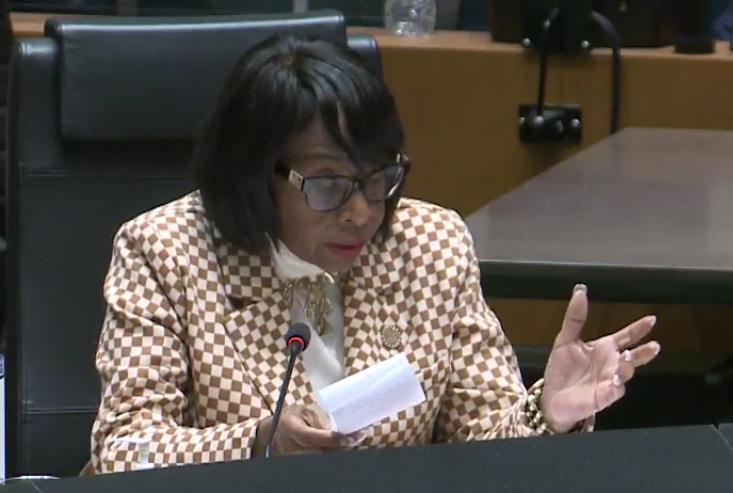
Councilwoman Carolyn King Arnold said developers and builders were invited into cities to build communities.
“What we’re seeing now, and this is my belief, is we are buying into trends and we are attacking the very people on which this city was built,” she said. “Dallas did not get to become the ninth-largest city with a lot of cuckoos and cuckoo mentality. We don’t need to set the stage for by-right housing designs to infiltrate single-family neighborhoods. ‘By right’ scares the daylights out of people who don’t really understand. I’m going to stand with the protection of single-family neighborhoods.”
Arnold voted against the plan.
District 5 – Southeast Dallas
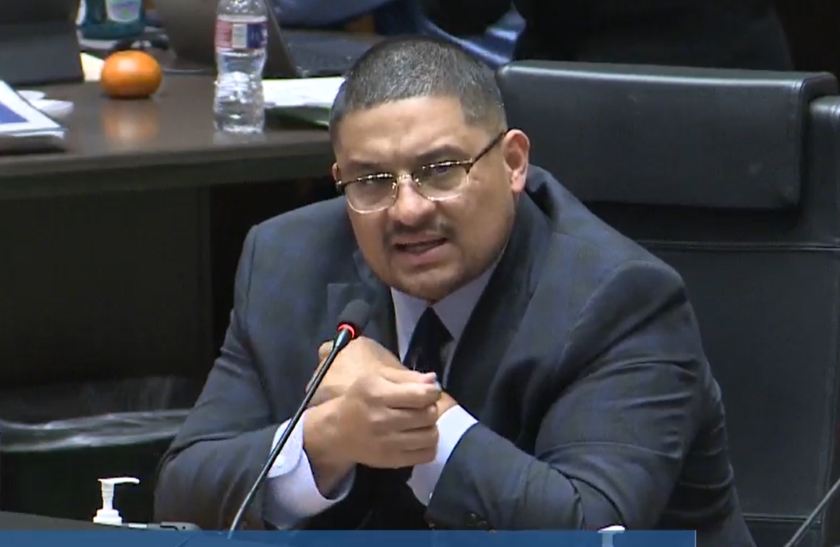
Councilman Jaime Resendez echoed a statement from a fellow council member that the plan will be reviewed frequently. Atkins’ Sept. 25 amendments included a provision that the plan be reviewed at least every five years.
“This is not the end,” Resendez said. “We will continue to work together to try to better our city.”
District 6 – West Dallas
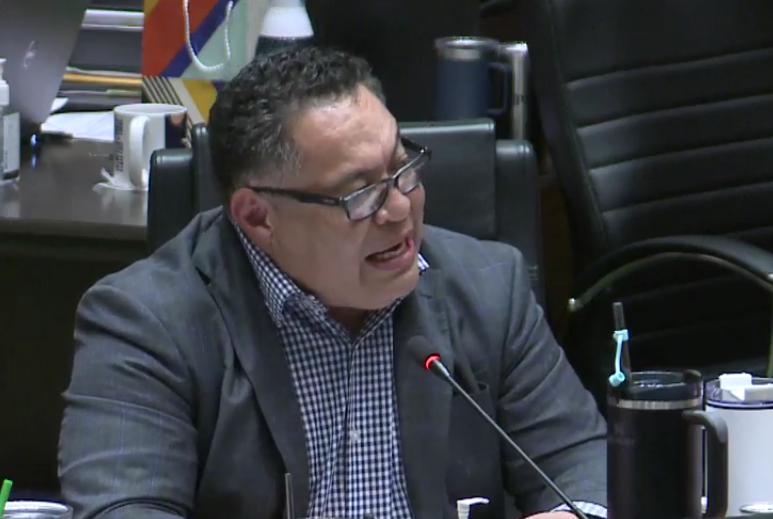
Councilman Omar Narvaez talked about the importance of community and homeownership for those who so desire. He highlighted the importance of environmental justice, a piece of the plan on which everyone seems to agree.
“We need different types of housing,” said Narvaez, who currently rents an apartment.
He explained how, several years ago, he worked with neighbors to ensure that multifamily development would not go north of Singleton Boulevard in order to protect single-family neighborhoods. Narvaez also has been a staunch advocate for workforce housing.
District 7 – South Dallas/Fair Park
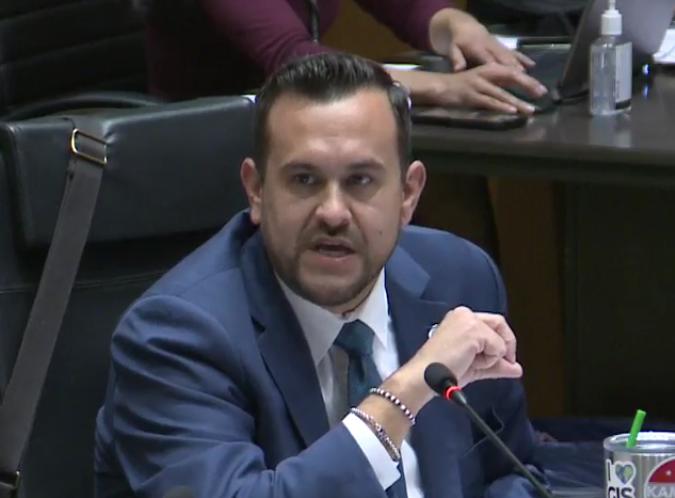
Deputy Mayor Pro Tem Adam Bazaldua said the process has been “black-clouded by misinformation.”
“One thing I can say with confidence is that nobody around here wants a single-family home in the middle of a single-family neighborhood to go to a noncompliant use of the land,” he said. “That makes no sense. It’s not what we want. I do want to see more density in our city. That doesn’t necessarily mean that it has to be next door to you. That’s why we’ve added language that is very specific. Location matters; corridors matter; transit-oriented development matters.”
District 8 – South Oak Cliff and Southern Dallas
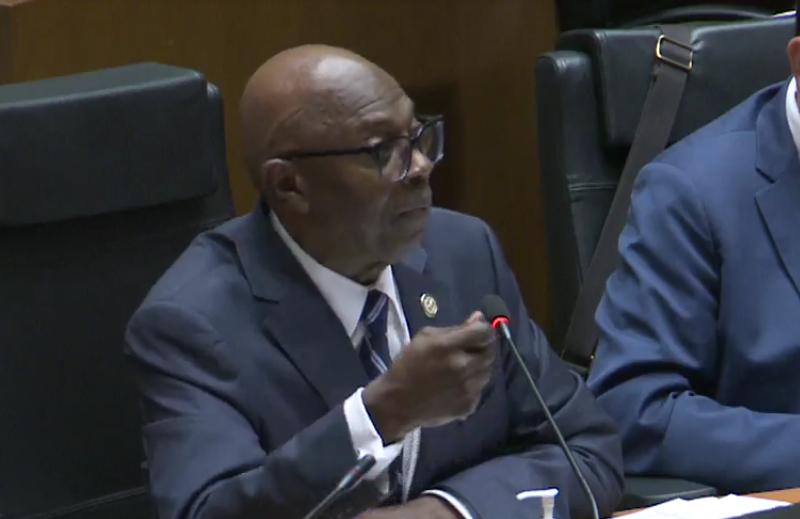
Mayor Pro Tem Tennell Atkins introduced the amendments last week that gave an extra nod to single-family neighborhoods, historic preservation, and a five-year review process.
In last week’s meeting, he referenced the almost 20-year time frame since the plan was last reviewed. In a public statement following the meeting, Atkins thanked the private residents, committee members, staff, and elected officials who worked on the plan.
“This critical and much-needed update creates a path forward for our City while addressing decades-long, systemic land use issues,” Atkins said. “It considers the City’s future growth, provides protection for existing neighborhoods, and addresses head-on historic environmental and social inequities.”
District 9 – White Rock Lake and Far East Dallas
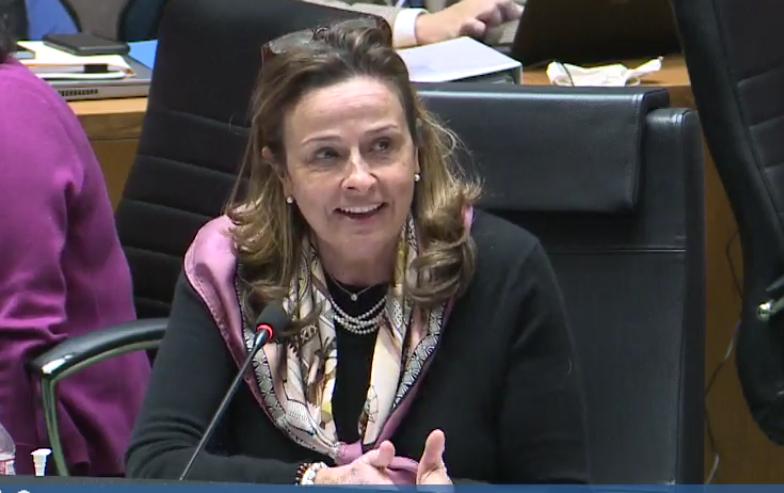
Councilwoman Paula Blackmon said the plan, as amended, protects single-family neighborhoods.
“I think we have great neighborhoods in D9 that don’t need to be touched, and this plan, I feel, doesn’t impede on that. It actually protects you more,” Blackmon said. “Ferguson Road … has a lot of redevelopment opportunities. On Upper Garland Road we are going to be seeing more and more market-driven [development] if we don’t control it coming to us.”
Nothing has substantially changed since the plan was drafted in 2006 except the teardowns and subsequent “McMansions” in every district, Blackmon added. The updated ForwardDallas 2.0 protects against that, she said.
“I feel we’re at a good place,” she said.
District 10 – Lake Highlands
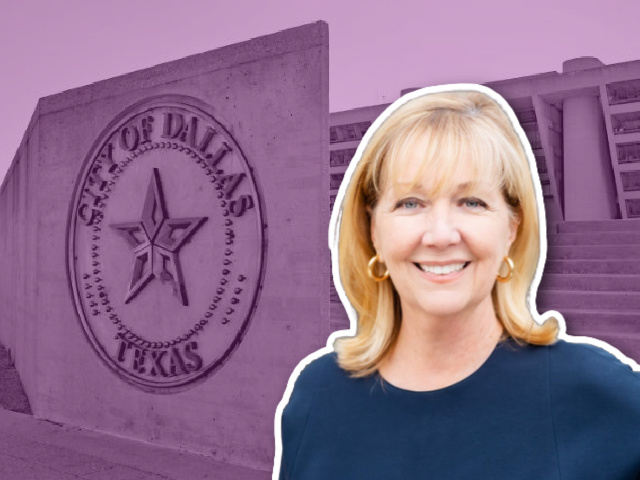
Councilwoman Kathy Stewart has repeatedly expressed concern about the lack of community engagement but said she supports the plan with amendments introduced by Ridley and later by Atkins.
“I know how valuable it is to the decision-making process for the community to come in and speak up,” she said by remote connection. “I want to make sure that is preserved and that it’s given weight. I think we have found some common ground and I’m excited about that. I think we’re at our best when we work together.”
District 11 – North Dallas
Councilwoman Jaynie Schultz noted the challenge of housing affordability, corporate buyers, and a housing shortage.

“What we’ve seen over the years is that we don’t have the protections of our neighborhoods that we need,” she said. “It’s challenging to accept the fact that different parts of this city have different needs. Even in District 11, if we were to outlaw duplexes, I have whole swaths of the district that wouldn’t work because one side of the street is single-family and across the street is duplexes. How do we do that? How do we manage that? It’s a big problem.”
The “Ridley compromises” that arose from the Economic Development Committee address those challenges, she said.
“This is not about preserving our past,” she added. “This is about planning for the future. This is about figuring out how we have people live in Dallas instead of moving to the suburbs.”
District 12 – Far North Dallas
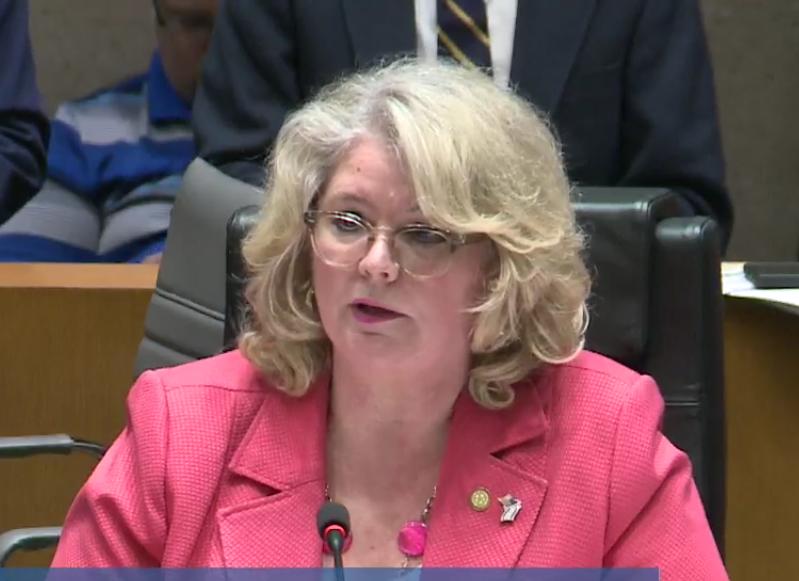
Councilwoman Cara Mendelsohn unsuccessfully attempted to adjust the placetype matrix so that “Community Residential’s only primary use is single-family detached.”
“This item I don’t expect will pass but it did give me a venue to be able to talk,” she said, suggesting that a “backroom deal” was brokered to get the plan passed as quickly as possible and as far removed from the May council elections.
The councilwoman apologized to residents who appeared before the council on Sept. 25.
“You have been so frustrated and angry, and that’s why you deserve an apology,” she said.
Mendelsohn asked staff members if the land use plan meets the city’s housing goals.
“This is a developer’s dream come true,” she said. “We’re going to see so much multifamily added. I don’t know what your districts look like. My district is almost 100% built out. It’s more than 65% multifamily.”
Mendelsohn voted against the plan.
District 13 – Preston Hollow
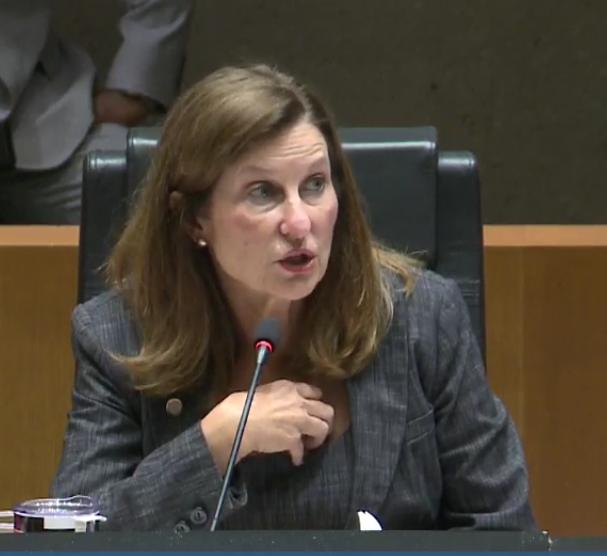
Councilwoman Gay Donnell Willis said she agreed with the most recent round of revisions and felt like they were responsive to the concerns of the single-family homeowners who have opposed the plan.
“It’s not 100% perfect but many here suggested keeping those revisions that were made,” she said. “That middle ground seems to be gaining some traction. I was beginning to hear people coalesce around that. Some of what I’ve seen requests for, like more strict language, isn’t allowable because this is an advisory document and not a regulatory document.”
Willis responded to a sentiment from residents who asked if the neighbors were being heard.
“I have a question, and that is, do you hear each other?” she asked. “What some want would make others’ homes an incompatible use, and that’s not right. Some homes have been in existence since before the houses of others were even built.”
District 14 – Downtown, Uptown, and portions of East Dallas
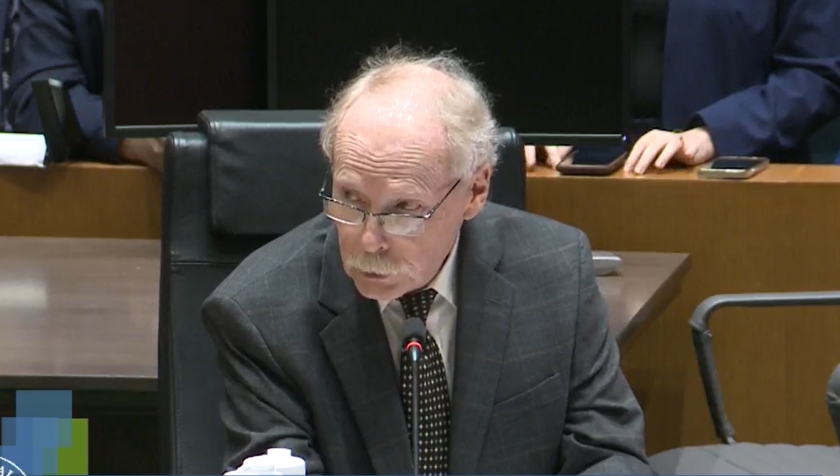
Councilman Paul Ridley attempted to update a controversial “placetype matrix” in an effort to align the visual component of the plan with the text. An argument ensued between other council members and Ridley’s motion failed.
“It’s really discouraging and frankly shocking that one of the authors of the amendments is going to blow that up today with a brand new amendment,” West said in reference to Ridley’s amendments.
West then “called the question” to end the discussion about Ridley’s amendment.
Mendelsohn, after proposing and later withdrawing her own alternative amendment related to the matrix, said Ridley’s motion was providing consistency between the text and the matrix.
“It’s very alarming that would not move forward and especially that conversation about it would be cut off,” she said.
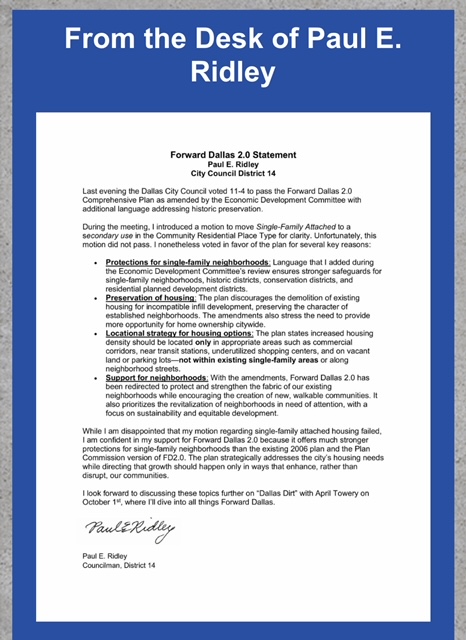
Ridley later said he was disappointed that his motion regarding “single-family attached housing” failed, but he is confident in his support for ForwardDallas 2.0 because it offers “much stronger protections for single-family neighborhoods than the existing 2006 plan and the Plan Commission version of FD 2.0.”
Read Ridley’s full statement below.






Great recap! It was a dramatic meeting and the impacts will, I think, also be dramatic. Thank you for making an effort like this – I wish more in the industry would focus some of their time on learning about land use…it is a major part of the real estate picture.