
D-FW House Flipping Ponzi Scheme Gets Exposed
Share News:


By now, everyone’s seen a “We Buy Ugly Houses” sign somewhere at least once. You might’ve even called the advertised phone number to see if you could get a good offer on your house, ugly or not.
The branding is part of HomeVestors of America’s house-flipping operation. Based in Dallas, the company franchises out to enterprising individuals across the country who are looking to get into the real estate game.
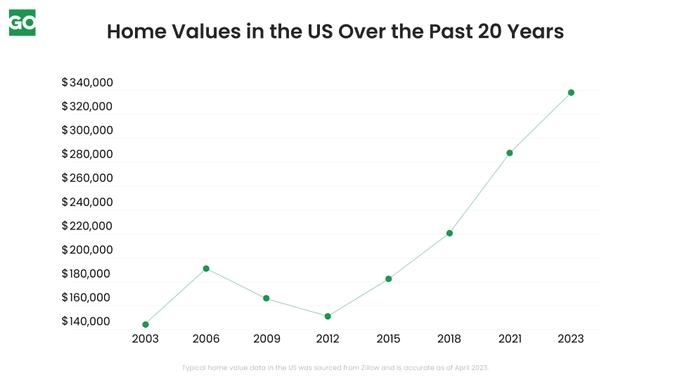
A long rebound in home prices following the Great Recession and the tightening of housing supply during the pandemic made for a decent market to jump into, with local franchisees buying fixer-uppers and renovating them for resale.
Unfortunately for HomeVestors of America, one of its franchisees in Texas recently made headlines for allegedly abusing the business model to run a Ponzi scheme, scamming tens of millions of dollars from unsuspecting investors in the D-FW area.
A fascinating report by ProPublica details how Dallas-based franchisee Charles Carrier turned to individual investors to back his renovation projects under the HomeVestors of America banner. He promised his investors 9% annual interest for loans backed by homes he was purportedly buying and flipping during a long rise in housing prices. Not bad, right?
For years, Carrier’s operation seemed legitimate. He made monthly interest payments to his investors and developed a good reputation as a top performer under the HomeVestors of America brand. A bunch of his investors were older folks from Granbury who were referred to him by local investment advisor Robert Welborn.
While his business may have started out on the up-and-up, Carrier began taking out multiple loans on single properties (some of which he allegedly didn’t even own) about five years ago. He purportedly failed to record deeds, leaving his investors without legal collateral on their loans. Some houses had multiple loans totaling more than their actual value. But the monthly payments kept on coming in… until they didn’t.
The loans began simply paying for Carrier’s operating costs rather than going into renovation projects. Eventually, there was no money to cut the monthly investor checks. So, let’s say you gave him $100,000 two years ago. You got paid 9% interest per year on that loan for two years: $18,000. That’s $82,000 you would’ve lost if there was no house behind it.
There were apparently some warning signs if anyone was paying attention, with title companies and the Texas Real Estate Commission noticing serious discrepancies in his operation. According to the ProPublica article, Carrier violated his agreement with HomeVestors of America in a number of ways, but he was allowed to maintain the franchise.
Some investors have taken legal action against the company, claiming it failed to provide adequate oversight over its franchisee. HomeVestors of America is denying responsibility. And of course, Carrier’s the subject of multiple lawsuits and as of last month a federal investigation.
I strongly encourage you to read ProPublica’s report in full. It’s well-sourced and does a good job showing how someone like Carrier can fall through the cracks in the house-flipping industry. There are a lot of scams out there, but the ones in real estate can be especially damaging. Some of Carrier’s alleged victims dumped their life savings into his operation.
The report only came out last week, so it’ll be interesting to see if it generates any buzz in regulatory circles. Timing is everything, though, and state lawmakers are looking to wrap up this legislative session in a couple of weeks. Any more news we get out of this mess will probably come out of the courts or victims looking to raise awareness, the latter of which would be a public service.
Lesson here: do your due diligence because there’s not a lot out there in terms of guard rails sometimes.







We sold a house to home investors in 1998… At that time it was a great deal for both of us