
Streetcars in Dallas Get Electric!
Share News:


By Jim Anderson
Preservation consultant Jim Anderson, who has served the City of Dallas for 26 years as an urban planner in historic preservation, presents the second in his three-part series on the history of streetcars in Dallas. Catch up on last week’s “Tracks Through Time Part 1: Dallas and the Golden Age of Trolleys.“
With the arrival of electric streetcars in 1891, the Dallas streetcar system underwent a rapid expansion, leading to the replacement of mule and steam-powered streetcars by 1902. These electric streetcar lines, with their cost-effectiveness and speeds of up to ten miles per hour, sparked a railway boom and became the backbone of Dallas’s development, significantly shaping its urban landscape.
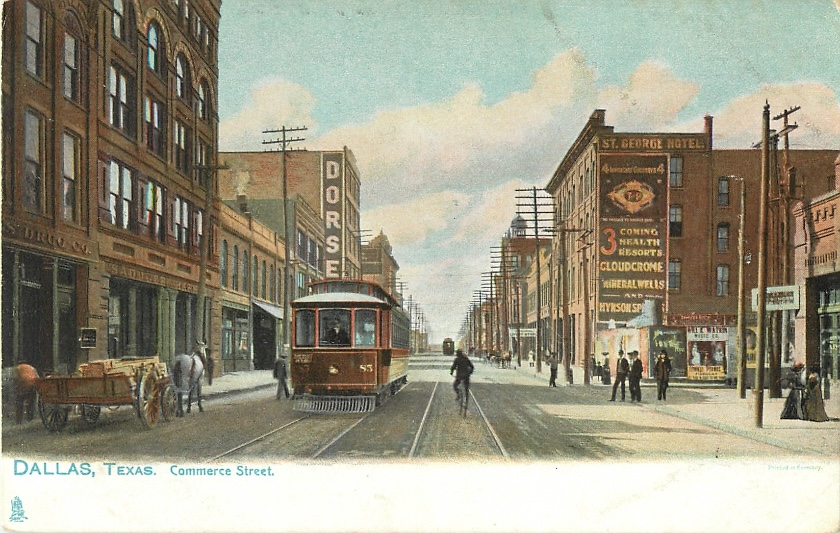
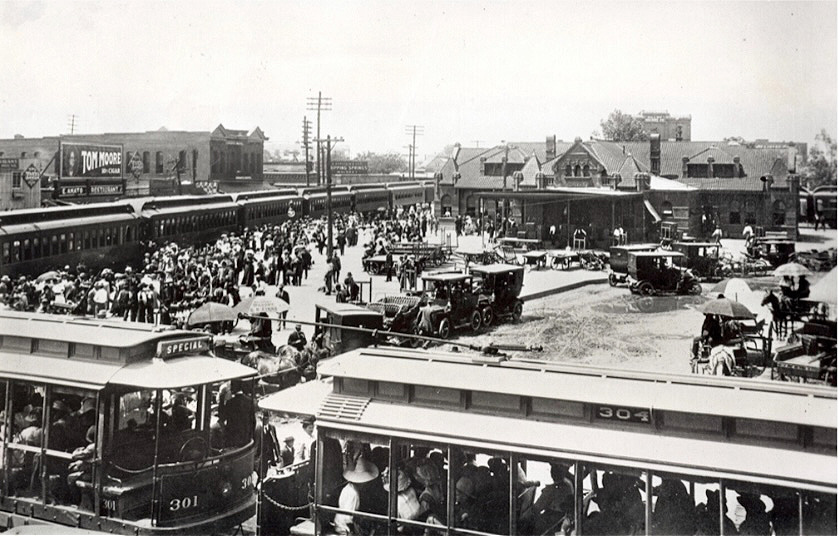
Private deed-restricted planned neighborhoods, including Munger Place in East Dallas, Edgewood Place Addition (South Boulevard/Park Row) in South Dallas, and Kessler Park in Oak Cliff, were gaining popularity with their location adjacent to, but not on, the streetcar lines and featuring the new popular Prairie style of architecture. As the wealthy moved to these deed-restricted planned areas, the affluent neighborhoods and mansions on popular streetcar residential streets Cedar Springs, Maple Street, South Ervay Street, and Ross Avenue began to be replaced by restaurants, apartments, and institutional uses.
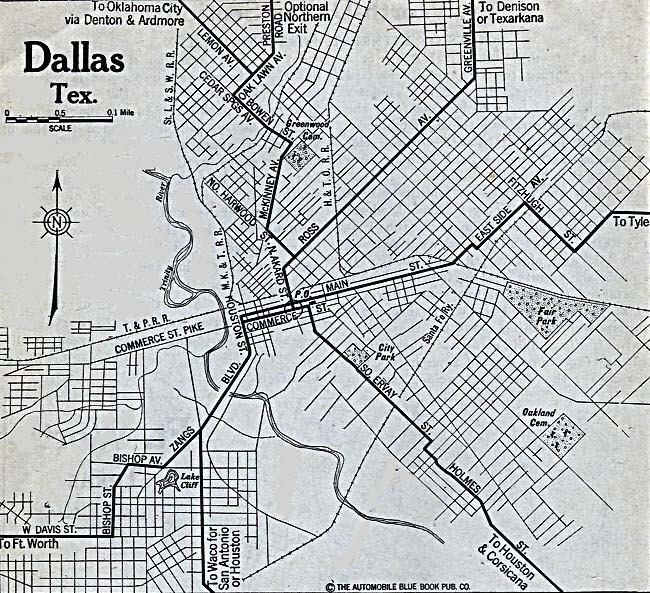
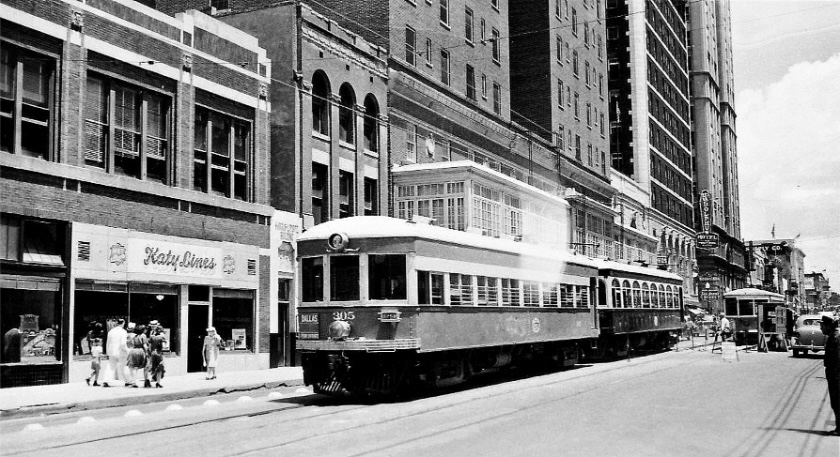
Since Dallas was still largely undeveloped at the beginning of the streetcar era, it became one of the many cities that were shaped predominantly by the streetcar. Many early neighborhoods were known as streetcar subdivisions. The close relationship between land development and the streetcar companies created extensive residential neighborhoods near the urban center that eventually led to downtown Dallas changing from an early mixture of residential and commercial to purely a commercial district. Many of the streetcar companies were owned by land developers. Numerous early lines were located through or would terminate at fledgling developments ripe for residential construction. Gaston was instrumental in getting the streetcars from downtown to his extensive land holdings in the City of East Dallas. North Dallas landowners owned streetcar companies and held events at subdivisions to promote land sales.
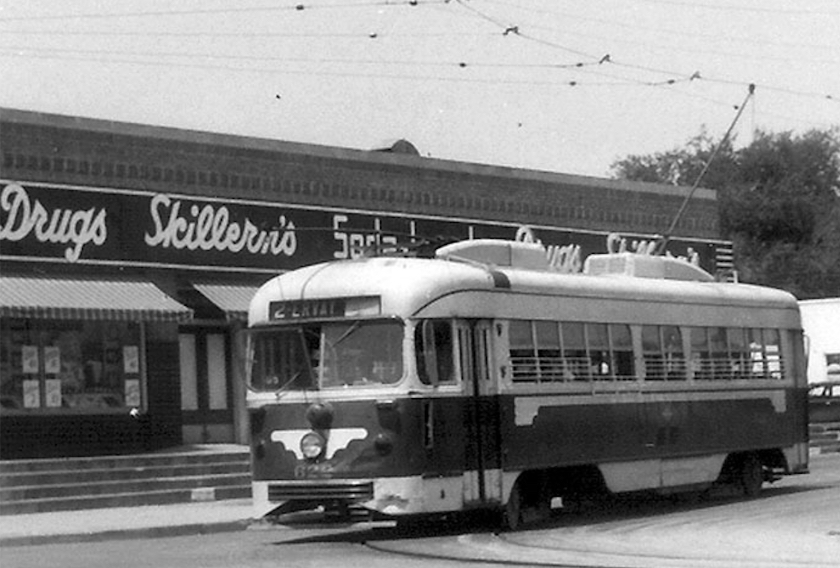
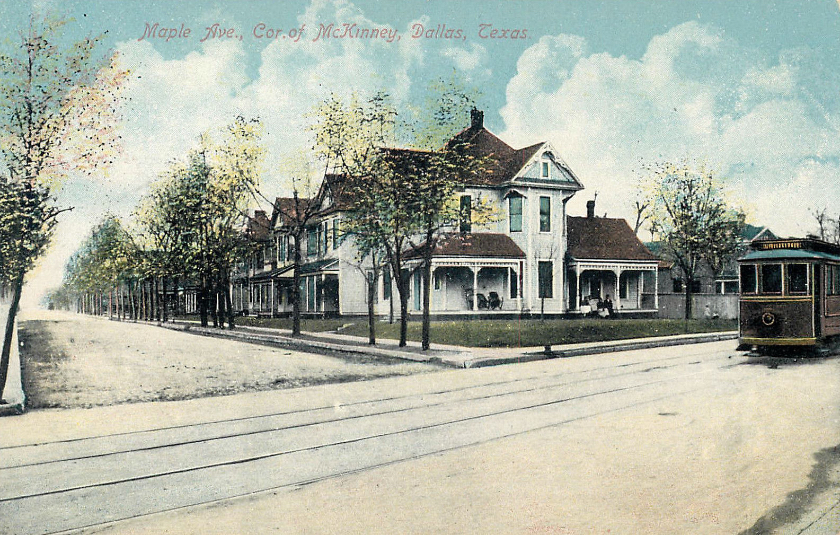
In 1906, thirty-one cars were added to the streetcar system in Dallas; seventeen were semi-convertible with sides that could be lowered in the summer. Junius Heights is a true streetcar neighborhood. By September 1906, an extension had been added to an East Dallas line, and the developers held a land rush. A ‘land rush’ was a promotional event where prospective buyers were given free fare on the streetcars that brought them out to the new undeveloped subdivision. Buyers were given the day to explore the area. At midnight, a pistol was shot, and you raced to your lot and returned with a card. This process was a dramatic and effective way to sell land, and it resulted in hundreds of lots being sold in less than one hour.
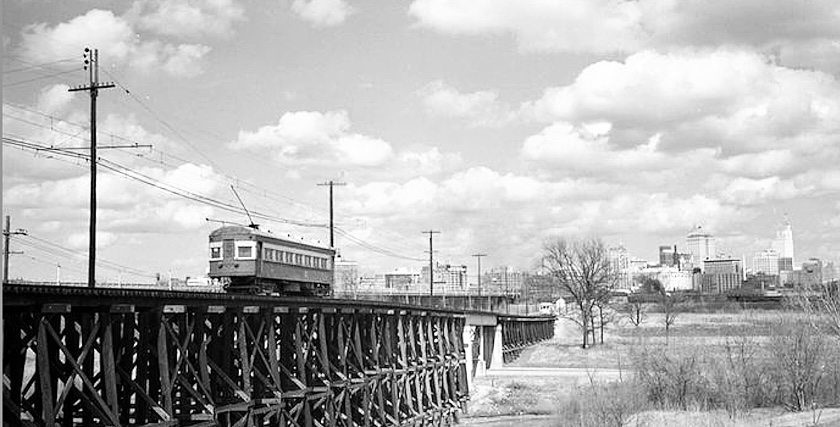
A large 1905 map of Munger Place shows the proximity of the new subdivision to downtown. The spider web of streetcar lines illustrates the short distance to churches, schools, downtown offices, and department stores, all shown on the map with icons representing each destination. Oak Cliff also had numerous lines that prompted development in several early neighborhoods. Popular lines took people to downtown Dallas and Oak Cliff destinations: Jefferson Boulevard for shopping and Lake Cliff Park for nighttime entertainment. In 1910, there were over 20 electric streetcar lines running throughout Dallas.
Next week, Anderson will tell us about trolley stops. You might be surprised to find out you are using them daily!
2 Comments
Leave a Comment







I remember riding the trolleys and streetcars as a child with my grandfather.
Joseph,that is so cool! If you have any old photos please send a copy to the Dallas Library!