
St. Jude Inc. Awarded $4.7 Million Contract to Provide Permanent Supportive Housing at Former Hotel Miramar
Share News:

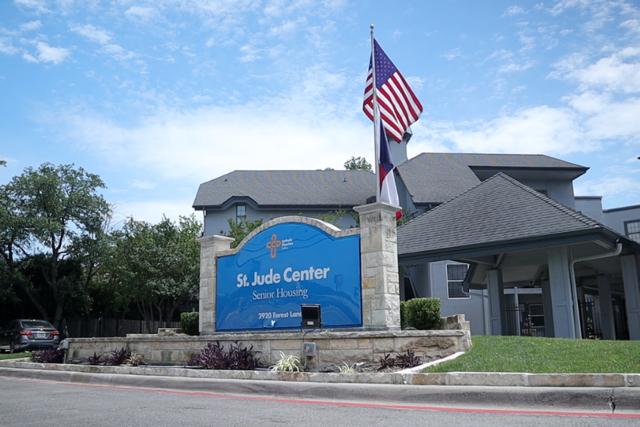
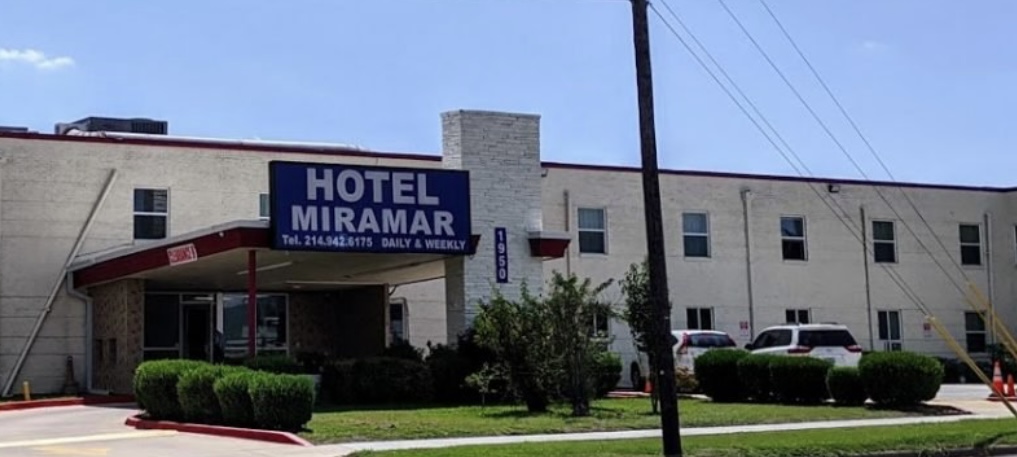
After multiple setbacks over the course of almost four years, the Dallas City Council unanimously awarded a 20-year, $4.7 million contract Wednesday to St. Jude Inc. to operate 1950 Fort Worth Avenue as permanent supportive housing for the formerly homeless.
The project is being funded by 2017 bond funds and a federal grant.
St. Jude has a proven track record in already operating three permanent supportive housing facilities in Dallas, several pointed out during a City Council meeting on Wednesday.
The former Hotel Miramar will offer 65 to 75 units, with priority given to veterans and senior citizens. District 1 Councilman Chad West has championed the permanent supportive housing project and worked extensively with surrounding residents on a “good neighbor agreement” and specific use permit outlining a non-automatic renewal for five years, which gives residents another chance to evaluate the project in the future, said Katherine Homan with the Fort Worth Avenue Development Group.
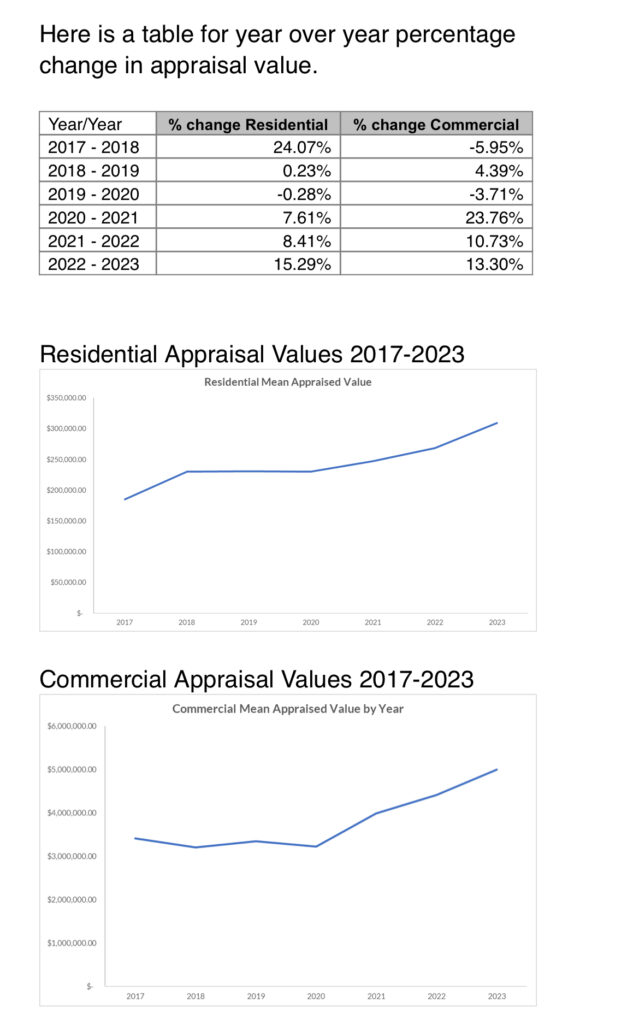
West said he “got to yes” with the neighborhood by taking a data-driven approach to crime statistics and property values.
“Property values have actually gone up around these facilities run by St. Jude across the city,” West said. “Those fears that I kept hearing over and over again from my neighbors were dispelled. I know it’s easy to say that, but if you look at the data, the proof is there. It’s indisputable.”
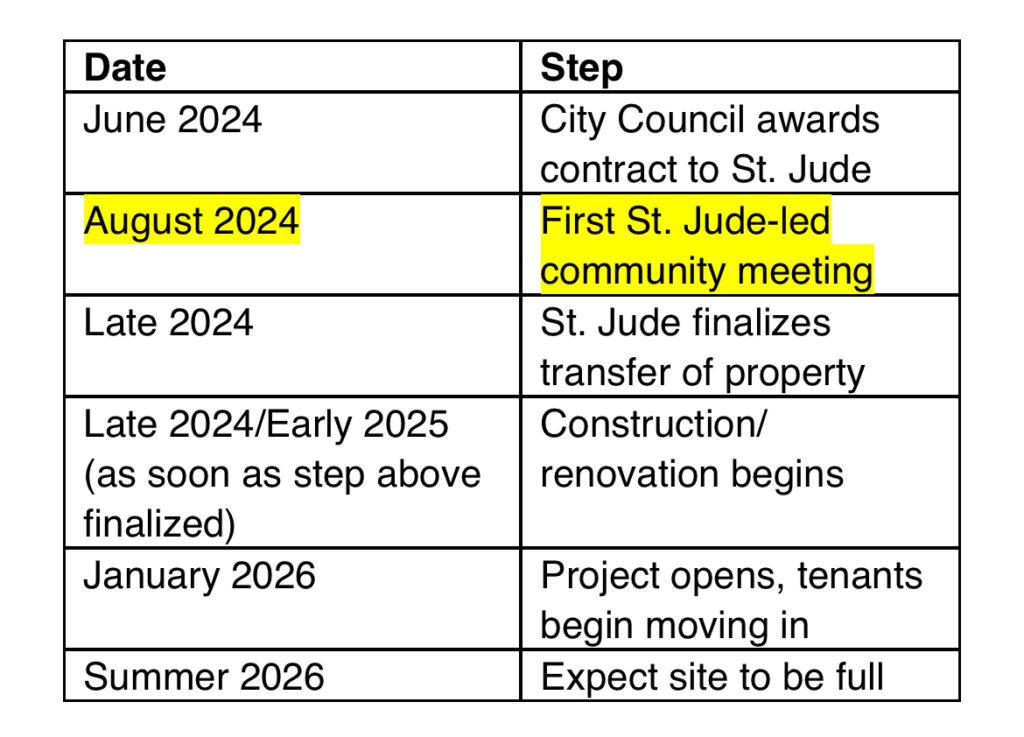
Joe Dingman, representing St. Jude Inc., said he hopes to open the new facility in early 2026. A community meeting will be planned soon to address neighborhood concerns and build partnerships, he added.
Crime at 1950 Fort Worth Avenue
Crime rates have dropped and property values have increased around the other St. Jude permanent supportive housing facilities in Dallas, officials said Monday.
West said over the past decade, 1950 Fort Worth Avenue has been one of the top locations for 911 calls in District 1, peaking in 2017 with almost 100 calls. Year to date the property has had just eight 911 calls, a Dallas police major said.
“We have seen a reduction in crime and the calls since the city has taken ownership,” West said.
District 11 Councilwoman Jaynie Schultz said the Fort Worth Avenue endeavor has been “a model of fortitude and perseverance.”
This is the type of compassion needed to mitigate homelessness, District 7 Councilman Adam Bazaldua said.
“We are going to have to sit through some of the unsavory politics … but in the end, we’re doing something for those who are voiceless,” he said.
Housing the Homeless
Supportive housing offers services including counseling, workforce training, and job placement assistance. Permanent supportive housing pairs those services with rental vouchers to provide stable housing for those who need a long-term solution, city officials said Wednesday. Therefore, it’s not a shelter.
“This is their home; this is where they live,” West said, noting that people would not be wandering around the neighborhood seeking services.
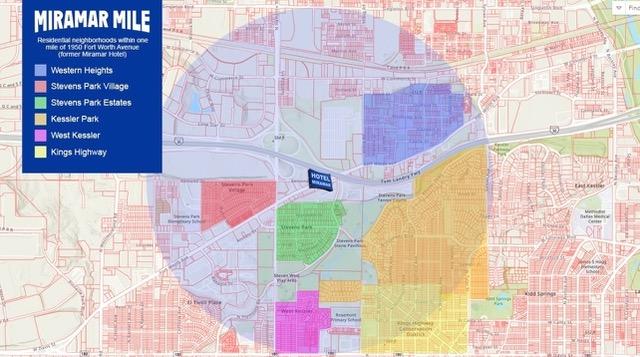
Resident Alice Zaccarello said solutions to homelessness must exist in each City Council district.
“This is the solution for District 1,” she said. “Homelessness is not going away unless those who are experiencing homelessness have a place to live. It’s really just that simple.”
Other Stevens Park residents said they were ready to welcome their new neighbors.
St. Jude opened permanent supportive housing facilities in Dallas in 2018, 2021, and April of this year, housing a total of 441 formerly unhoused individuals, Zaccarello said.
“Neighbors were skeptical about St. Jude before it opened but after it opened, when they were able to step inside, they fully understood the significant impact on those formerly homeless residents. They saw that the residents had a safe and secure place to live as well as wraparound services.”





Another great article which sifts through all the debris and gets straight to the facts. Thanks April.