
Queen City Residents Take a Critical Step Toward Preserving Their South Dallas Neighborhood
Share News:

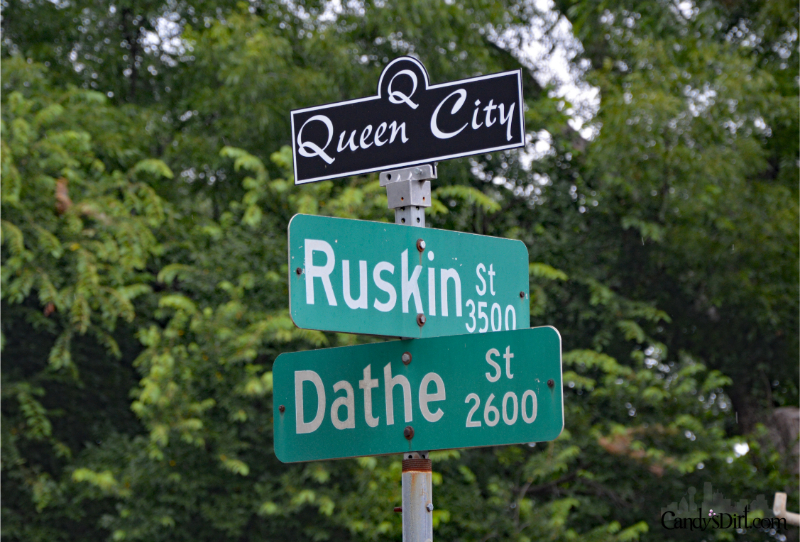
The Landmark Commission’s unanimous decision on June 3rd to initiate the historic designation process for Queen City in South Dallas marks a significant milestone in our ongoing efforts for historic preservation. This is a momentous win that we haven’t seen in years.
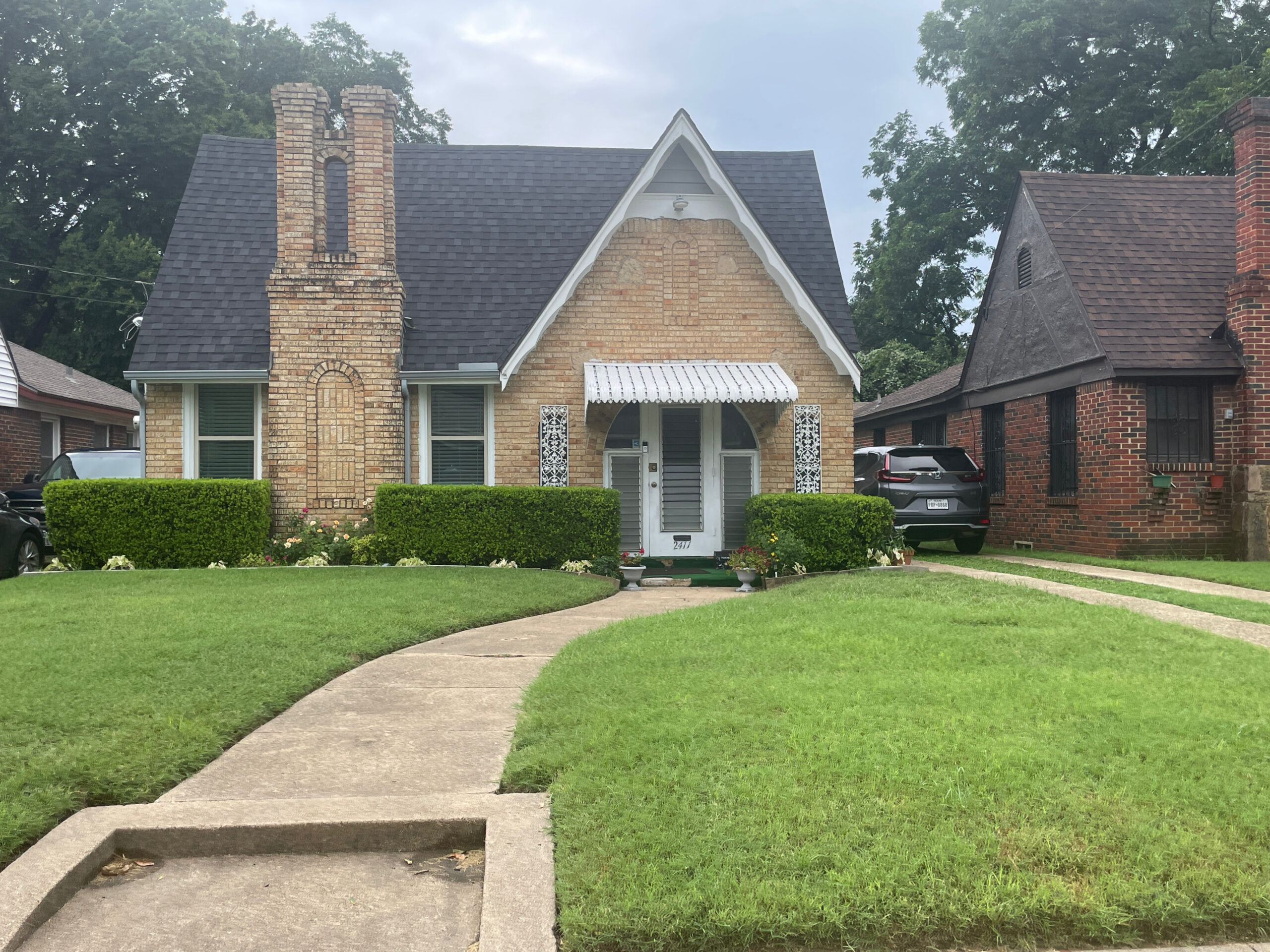
Queen City, the earliest surviving African-American community in South Dallas, holds a rich history. It has been a nurturing ground for artists and activists, including civil rights leader Juanita Craft, whose home is now a museum in the neighborhood. Notably, Ray Charles resided at 2642 Eugene St. in the mid-1950s and formed his first band in this house, adding to the cultural significance of Queen City.

Queen City is Already on The National Register of Historic Places
The neighborhood was placed on the National Register of Historic Places in 1995 and noted for “encompassing the most intact historic residential and commercial architecture from several of the earliest additions for African American people in South Dallas.”
The issue with a national designation is it does absolutely nothing to protect the neighborhood.
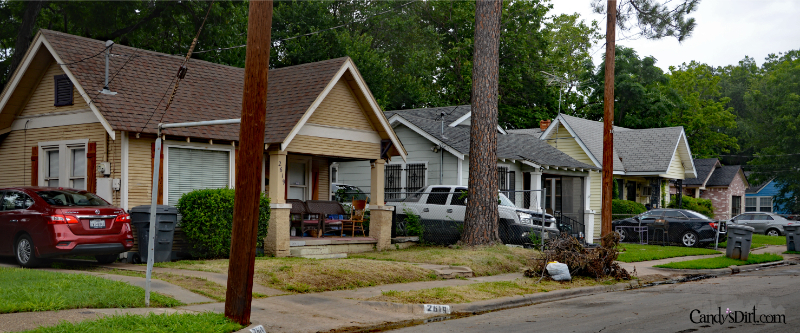
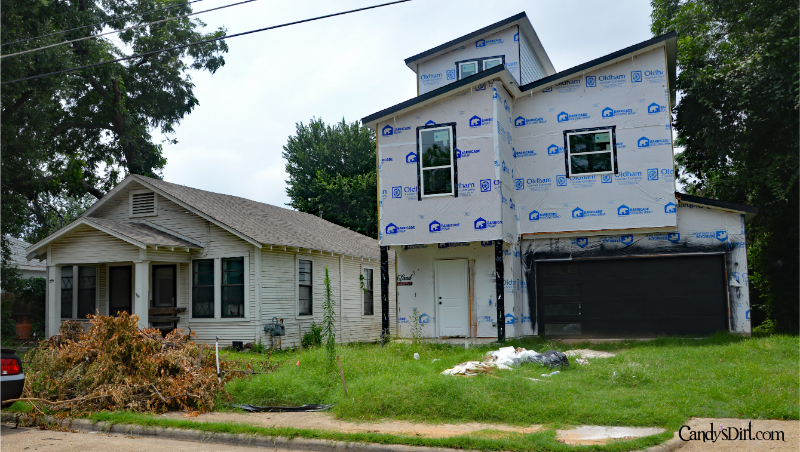
When investors and developers began buying up properties to raze and build more expensive homes that were not architecturally compatible with the neighborhood, residents took matters into their own hands. They noticed the character of Wheatley Place, the neighborhood next to theirs, was intact.

In 2000, Wheatley Place was granted Dallas Landmark Designation. Queen City residents took note and then took action.
Historic designation is not for the faint of heart. It takes a great deal of agreement, collaboration, dedication, tenacity, research, time, and a lot of paperwork to get it off the ground. But if you know anyone who lives in Queen City, you know they have everything it takes and then some.
The historic designation brings with it a set of regulations. For instance, anyone planning to construct or alter a home would need special permission, known as a Certificate of Appropriateness. This measure is aimed at slowing gentrification and creating a more appropriate built environment. It’s a step towards protecting our historic built identity, stabilizing property values, and ensuring that current homeowners can continue to afford to live in their neighborhood.
Generations of Shared History in Queen City
Multiple generations came to the meeting last week to share why their neighborhood’s history and culture are important and why they wanted a historic district designation. I don’t think there was a dry eye in the room.
It takes a lot of grassroots energy to pull this off. I looked out at the speakers, and so many had tears in their eyes. They spoke so eloquently about the lack of soul in the new construction and how it did not relate to the existing neighborhood. They are protecting their way of life and explaining to everyone what that means and how destructive it can be to bring in new housing stock that does not relate to the existing style. For instance, no porches. They all said we live on our front porches. There were 4th generation people who spoke. You cannot help but be impressed and moved and touched.”
District 1 Landmark Commissioner Diane Sherman
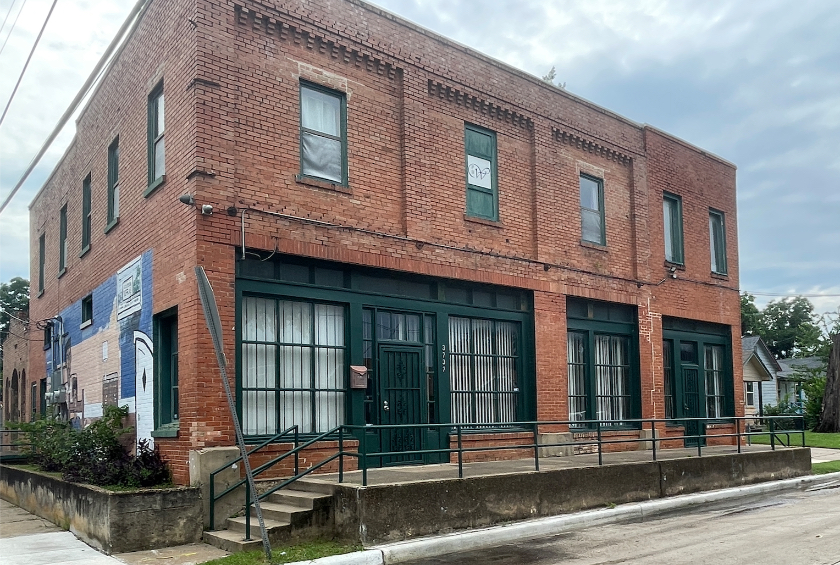
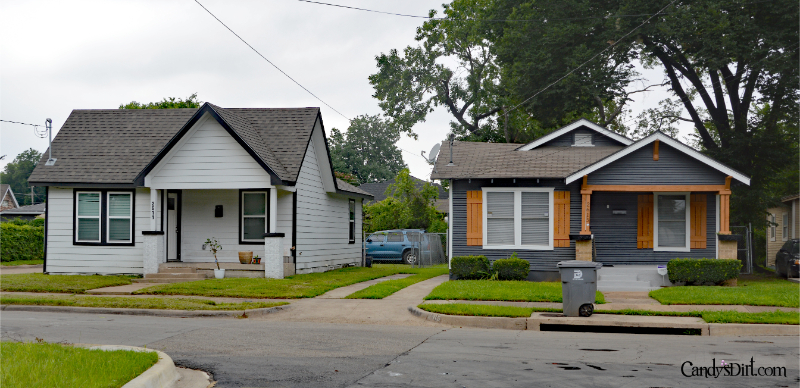
Ninety-year-old Willie Mae Coleman grew up in Queen City and remembers the hotel, grocery store, shoe shop, and barber shop all on one lively corner. She also knows how important the front porch is in creating community in this neighborhood.
“We love a front porch,” she said. “It doesn’t have to be a great big porch. That is something that makes our homes look good and feel good.”
Social Justice activist and Former Deputy Mayor Pro-Tem of the City of Dallas Diane Ragsdale asked, “Why should Queen City be designated as a historic district?” She answered it in her usual eloquent manner.
“If the African American historian and sociologist Dr. W. E. B. Dubois were alive, he would give us the precise answer: That answer is the culture and souls of black folk embody the historic places we preserve,” Ragsdale said. “It is our duty to make a concerted effort to preserve and revitalize treasured black spaces like Queen City.”
Ragsdale also quoted Brent Leggs, founding executive director of the African American Culture Heritage Action Fund, the largest preservation campaign in U.S. History on behalf of historic African American places.
“We must offer tools that can help a society manage change in ways that do not disconnect it from the legacy of its past.”
Congratulations to every single Queen City resident. You are on your way!






Exciting News. Thanks for keeping us up to date on so many preservation issues.
This is a significant move for these residents and African-American history. I have seen very few groups so dictated, sincere, passion and caring for their homes/history and legacy.
This is an important step in the preservation of Dallas’s history. I congratulate all who worked to make this happen!
One line in this article is way off, “The issue with a national designation is it does absolutely nothing to protect the neighborhood.”
National designation makes federal and state historic tax credits easily attainable which strongly incentivizes the substantial renovation of buildings worthy of being renovated.
Thanks for your input Barrett but I stand by my comment. These designations protect individual buildings and they do not protect entire neighborhoods. Only conservation and historic district designation protect ENTIRE neighborhoods.