Why You Should Consider Buying a Historic Home
Share News:

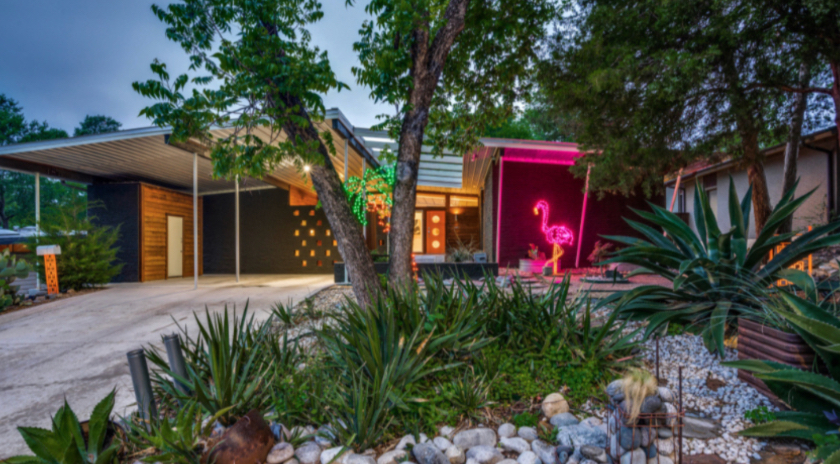
What’s the definition of a historic home, you ask? I go by the “50-Year Rule” that says a home over 50 years old is generally considered historic. It’s an easy go-to because most of us are not buying a home off the National Register of Historic Places, which adds many more layers to the definition. My purpose is to inform readers, especially younger readers, about why buying a home that’s at least 50 years old is a great idea. Remember, 50 years takes us to 1976, and that covers a broad range of styles.
So, why are older homes better?
A Historic Home Can Offer a Financial Advantage
The financial advantage of purchasing a historic home really struck me when writing my Saturday column, where I try to feature listings between $600,000 and $900,000. There tend to be many in this price range from the 1920s through the 1940s. Once in a while, I’ll find a great 50s, 60s, or 70s home priced below $900,000. An advantage of many of these is that they have garage apartments or back houses that have been remodeled. This would allow a buyer to rent the extra living space out long- or short-term, which can offset the mortgage.
Quality and Craftsmanship
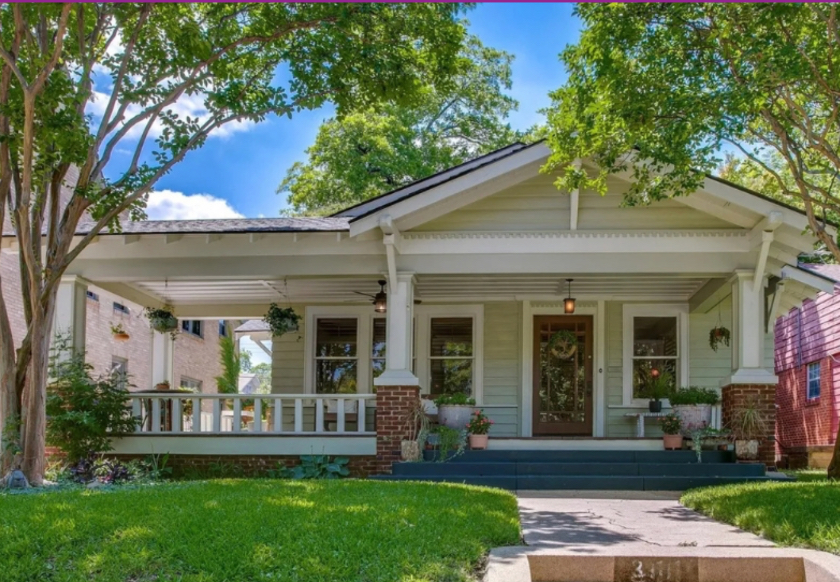
Ron Siebler has been remodeling historic homes for decades. He has won just about every award you can imagine, including the Society of Architects Artisan Award, nine awards from Preservation Dallas, and two ASID Dallas Design Community Designers’ Choice Awards for Contractor/Remodeler.
“Historic homes regularly feature craftsmanship, architectural details, and materials that are difficult and expensive to replicate today, including original hardwood floors, wood sash windows, stained glass, and handcrafted brickwork,” Siebler said. “Many historic homes were constructed with slow-growth lumber, solid masonry, and durable materials that have stood the test of time.”
Historic Homes Are the Greenest Homes and Retain Value
David Preziosi is the president and CEO of the Texas Historical Foundation and a former executive director of Preservation Dallas. He lives in a charming 1941 Austin stone cottage in Stevens Park Village, the newest conservation district in Dallas.
“Historic homes are some of the most unique places to live with their charming details, solid materials, and timeless styles. Living in a historic house also benefits the environment, as the greenest building is the one already constructed,” he said. “New construction uses up dwindling natural resources, and if it replaces a historic home, it creates waste with demolition, resulting in copious amounts of debris filling our landfills.”
“Buying a historic home offers another great advantage: they retain their value,” Preziosi added. “This is especially true in historic or conservation districts, which protect neighborhoods from inappropriate alterations to houses or new construction that overpower their neighbors. Historic neighborhoods are some of the most character-filled, with beautiful architectural styles nestled among mature landscaping. I wouldn’t want to live anywhere else.”
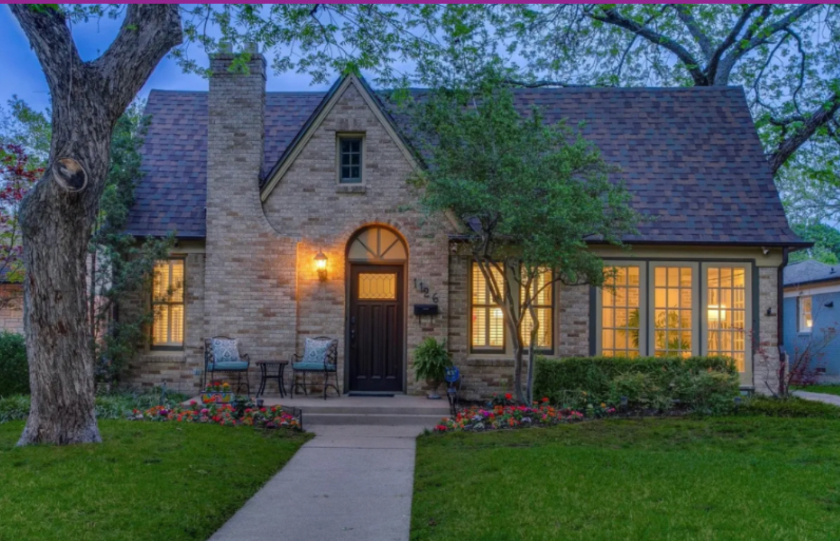
It’s not just those of us who are older or immersed in the business of historic preservation who comprehend the value of purchasing a home over 50 years old. My Hollywood Heights neighbor, Michael Cheever, lives in a 1926 two-bedroom, one-bathroom Tudor Revival. He told me he’s always preferred the look, style, and feel of an older home.
“I’ve had friends say I live in a fairytale house,” Cheever said. “Tudor Revival cottages give you a warm feeling from the moment you drive up. They are cozy and comfortable. I have two-by-four wall studs and three-quarter-inch shiplap, and that is not done anymore. It’s solid.”
A Historic Home Has a Track Record, and You Can Make It Your Own
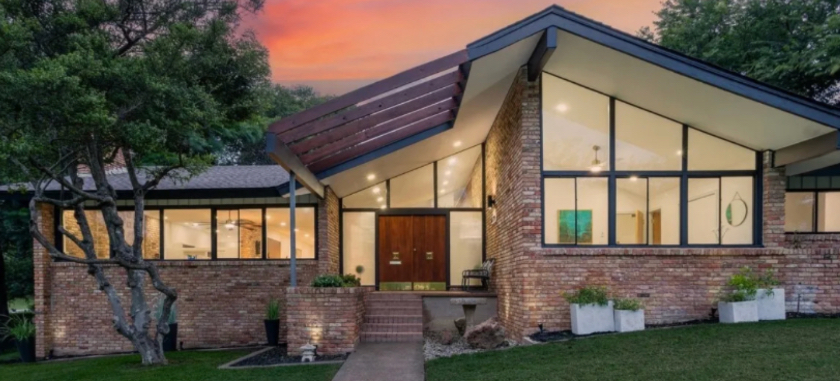
As I said, it’s not just those of us who have been around for a while who get the value of purchasing a home over 50 years old. My friend Caroline Olvera is 32 and purchased a 1,686-square-foot 1960 ranch last year. She updated it largely by herself with help from her dad.
“I feel like an older house has a proven track record,” she said. “You know what you are getting into. A new house has all new problems that no one has addressed. People have a misconception that if it’s new, nothing will break and it’s better constructed. Things are going to break in any house. I was willing to take on renovating and updating. To me, it was more interesting to think about how I could make it what I want it to be within its current form. How could I improve it? When I started taking it apart, I could see how well it was constructed.”
Regardless of your age range or your income level, historic homes have so many benefits that they are worth considering. When you add in the fact that they are almost always found in areas with mature trees and a consistent neighborhood look and feel, they are a win-win.