
This Common Summer Home Maintenance Issue May Surprise You
Share News:

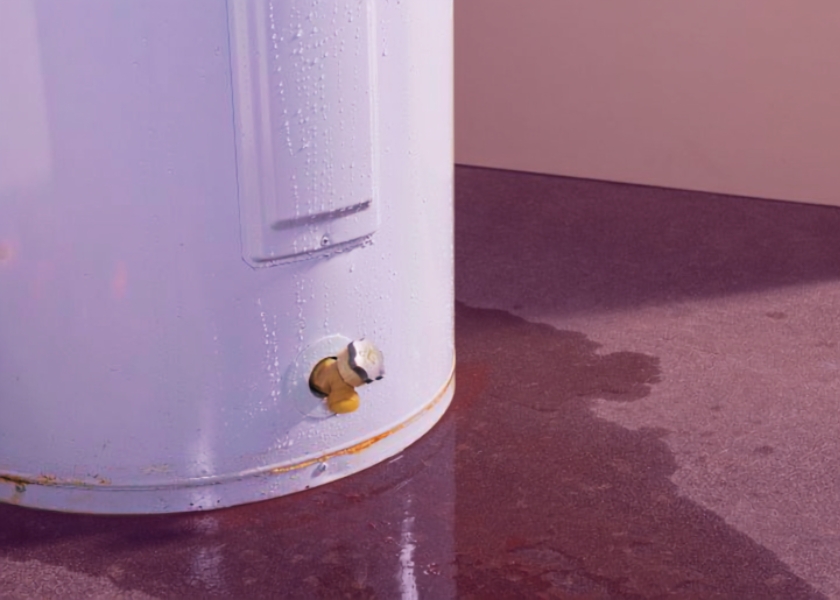
As the temperatures rise across the summer, you may not be too worried about your water heater, but you’d be wrong.
In fact, water heater problems are one of the most common plumbing repairs that end up happening in the summer months. There are two factors contributing to this.
First, your water heater is almost always located in an unconditioned space in your house (attic, closet, garage, etc). So, you have an appliance generating hot water in extremely hot temperatures. That alone can cause stress on the system, which can lead to cracks in the tank, pipes, or other parts.
Second, it’s hotter than heck outside, and a lot of us are showering more than usual because … well, I don’t need to explain why.

But heavy hot water usage during the summer, especially when the water heater itself may be overheating, can cause it to fail unexpectedly. “How can I avoid such summer water heater problems?” you ask. Here are a few ways:
First Thing’s First
Make sure that sucker is installed correctly. If anything is loose or disconnected on your water heater, get that tightened up or attached. Check the labels and make sure, like in the video, that everything is connected where it’s supposed to be. If you installed your water heater yourself and you don’t feel 100% confident about it (or even if you do), it’s a great idea to have a plumber out to do a maintenance check to ensure everything is where it’s supposed to be.
A water heater needs to be serviced about once a year to check for corrosion and sediment buildup. This keeps it running efficiently and prevents leaks, clogs, and more serious issues like a pressure build-up that could lead to flooding. Installing a water heater improperly can not only shorten the life of the equipment, but it can cause it to malfunction, resulting in any number of dangerous situations.
Insulate Your Water Heater


Before you can insulate your water heater, you must first declutter your water heater and its surroundings. Two good rules of thumb: your water heater should not double as a shelf (right). You should also be able to easily find your water heater and access it (left).
Remember the unconditioned space your water heater is sitting in all summer? Insulating it during summer may seem counterintuitive, but if you have an older unit, it’s probably emitting a fair amount of heat into an already hot space. Insulating it will make the water heater more energy efficient and generate less heat in the attic or closet. If the tank is warm to the touch, purchase an insulation blanket to wrap around the tank. There are insulation kits, or you can get an insulated blanket and make your own cuts for pipes and valves. DO NOT insulate the top of a gas water heater or cover the TPR valve. You can also insulate the cold water pipes, which will help keep your cold water colder during the hot summer.
Check Your TPR Valve
Speaking of connecting things incorrectly, here’s a super dangerous example. It’s all fun and games until someone gets blown up! The TPR (temperature and pressure relief) valve is a safety device that automatically releases water if the “T” or “P” gets too high. In the video, you can see that the TPR valve is connected back into the water heater. Here’s a quick video showing how to test your TPR valve.
While you’re at it, change the temperature on your water heater for summer. This is a simple way to save on your summer energy bills. When the temperature rises, that unconditioned space your water heater lives in is doing some of the work for you, so you can adjust the temperature to let your water heater know it doesn’t have to keep running. The recommended temperature is 110-120 degrees during the summer months.
While your water heater may not be the first thing you think about when you think about summer, it will be if it quits working. If you are concerned about your water heater or want to learn about other ways you can make your home ready for summer, you can ask a home inspector anytime for a seasonal home inspection.