
North Texas Growth Is Slowing, But Housing Pressures Aren’t
Share News:


House hunters, apartment seekers and highway warriors know well how popular North Texas has become these days. North Texas continues to add residents at a remarkable pace — making Dallas the ninth largest and Fort Worth the 10th largest cities in the U.S. — but the growth that has defined the region for decades is beginning to slow.
That was one of the key messages delivered by economist Dr. Cullum Clark during a keynote address at last week’s North Central Texas Council of Governments General Assembly held at the Hurst Conference Center.
“Demand to live here has slowed some,” Clark told local officials following a lengthy and contentious board election that preceded his keynote address.
Clark is a fellow at the George W. Bush Institute and adjunct professor of economics at Southern Methodist University.
Market Holding Value
Immigration from other states is slowing down, he said, partially because of shrinking affordability. Texas’ housing market is holding its value, especially over the Pacific Northwest, although the state retains no edge over “middle America.”
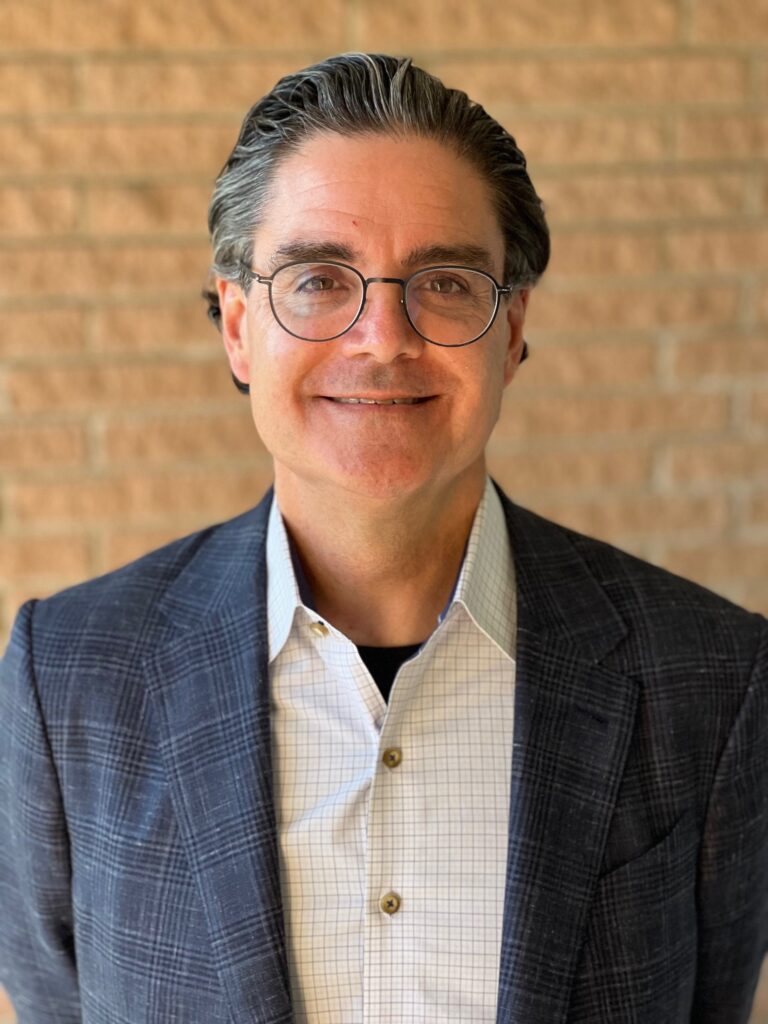
He predicted, though, that Texas’ already tight housing market will add pressure to communities struggling to keep pace with demand. North Central Texas added 203,786 residents in 2025, pushing the region’s population to 8,952,590 as of Jan. 1, 2026, according to new estimates from the North Central Texas Council of Governments.
Clark’s background gives him insight into forces shaping North Texas’ housing market. Before joining SMU and the Bush Institute, he spent 25 years in the investment industry. Clark earned his Ph.D. in economics from SMU in 2017 and later joined the university’s faculty. He also holds degrees from Harvard and Yale.
At the multi-government meeting, he stressed that North Texas does have some advantages to leverage against the housing shortage.
The area is built to grow, Clark said, pointing to the region’s horizontal expansion, its polycentric geography with its multiple downtowns, and its broad diversity of people and industries. Together, he said, those factors give Texas a rare capacity to absorb rapid population increases while continuing to attract new residents and employers.
Contentious Vote
Clark’s remarks followed a rare contentious election of the NCTCOG’s 2026-27 board.
The North Central Texas Council of Governments elected a new slate of officers and board members Wednesday, but not before a series of parliamentary challenges interrupted the process. Dallas County Judge Clay Jenkins moved to approve the proposed slate, and the motion ultimately passed 98-39.
Elected were Richardson Councilmember Jennifer Justice as president, Erath County Judge Brandon J. Huckabee as vice president, Lewisville Mayor T.J. Gilmore as secretary‑treasurer, and Burleson Councilmember Victoria Johnson as past president.
The board also includes Dallas County Judge Jenkins, Johnson County Judge Christopher Boedeker, Tarrant County Judge Tim O’Hare, Dallas Mayor Pro Tem Jesse Moreno, Fort Worth Mayor Mattie Parker, Denton County Commissioner Bobbie Mitchell, Arlington Mayor Jim Ross, Frisco Councilmember Burt Thakur, Haslet Mayor Gary Hulsey, Mansfield Mayor Michael Evans, Hurst Councilmember Jon McKenzie, and Midlothian Councilmember Ross Weaver. State Rep. Mitch Little, who represents District 65, serves as an ex officio member.
The new board members take their seats amid an ongoing dispute between the NCTCOG executive board and the Regional Transportation Council, a dispute that has continued to shadow regional planning discussions. That conflict intensified earlier this year following the firing and subsequent reinstatement of Michael Morris, the longtime transportation director for NCTCOG and staff director to the Regional Transportation Council.
The North Central Texas Council of Governments is a voluntary association of local governments that was created to help cities, counties, and public agencies coordinate regional development and shared needs across a 16‑county area. NCTCOG represents more than 230 local governments. Regional opportunities, reducing duplication and supporting joint decision‑making are part of its mission.