Dallas Art Fair ’26 Finds Its Mood — And Lands on a High Note
Share News:

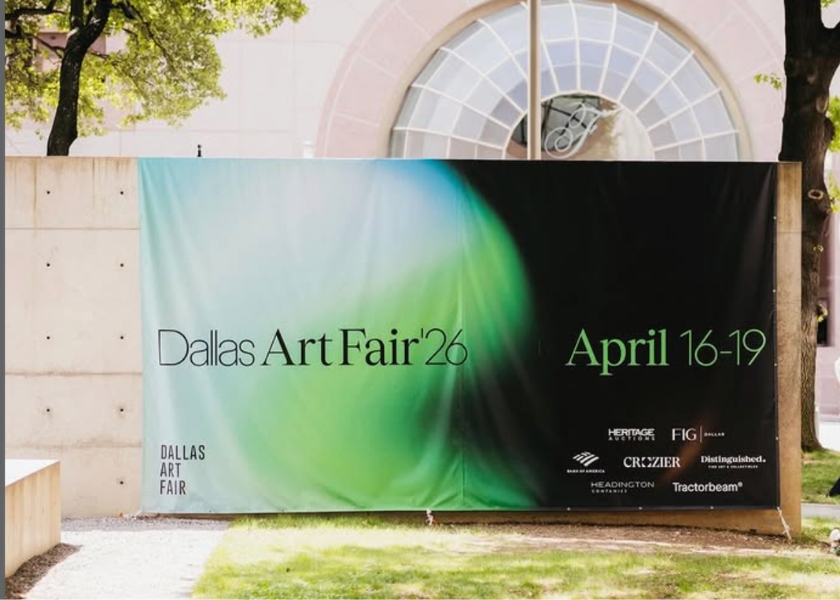
If there was a single takeaway from this year’s Dallas Art Fair, it wasn’t a specific artist or even a standout booth. It was the mood.
From the opening preview last Thursday through the weekend run, the atmosphere felt noticeably lighter, more animated, more optimistic, and, frankly, more fun.
“The vibe is very upbeat,” said Dallas Art Fair director Kelly Cornell.
‘There’s a palpable energy this year, and we’re seeing strong attendance and solid sales’
Even when deals weren’t happening on the spot, there was still movement — conversations that lingered, buyers who circled back.
“What continues to distinguish Dallas is the decisiveness and depth of its collector base. This is a market where engagement translates into meaningful acquisitions,” Cornell said.
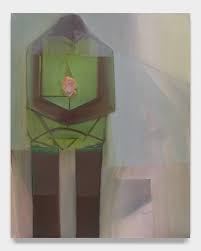
Walking the fair with Dallas artist and designer Geoffrey Henning, one thing became clear: we weren’t alone in gravitating toward work that felt a little undone. Pieces that were looser, more instinctive, and better for it.
‘There’s something refreshing about art that just hits you’
“You don’t have to overthink it,” Henning said. “It’s not about being perfectly resolved — it’s about feeling alive. That’s more like life anyway.”
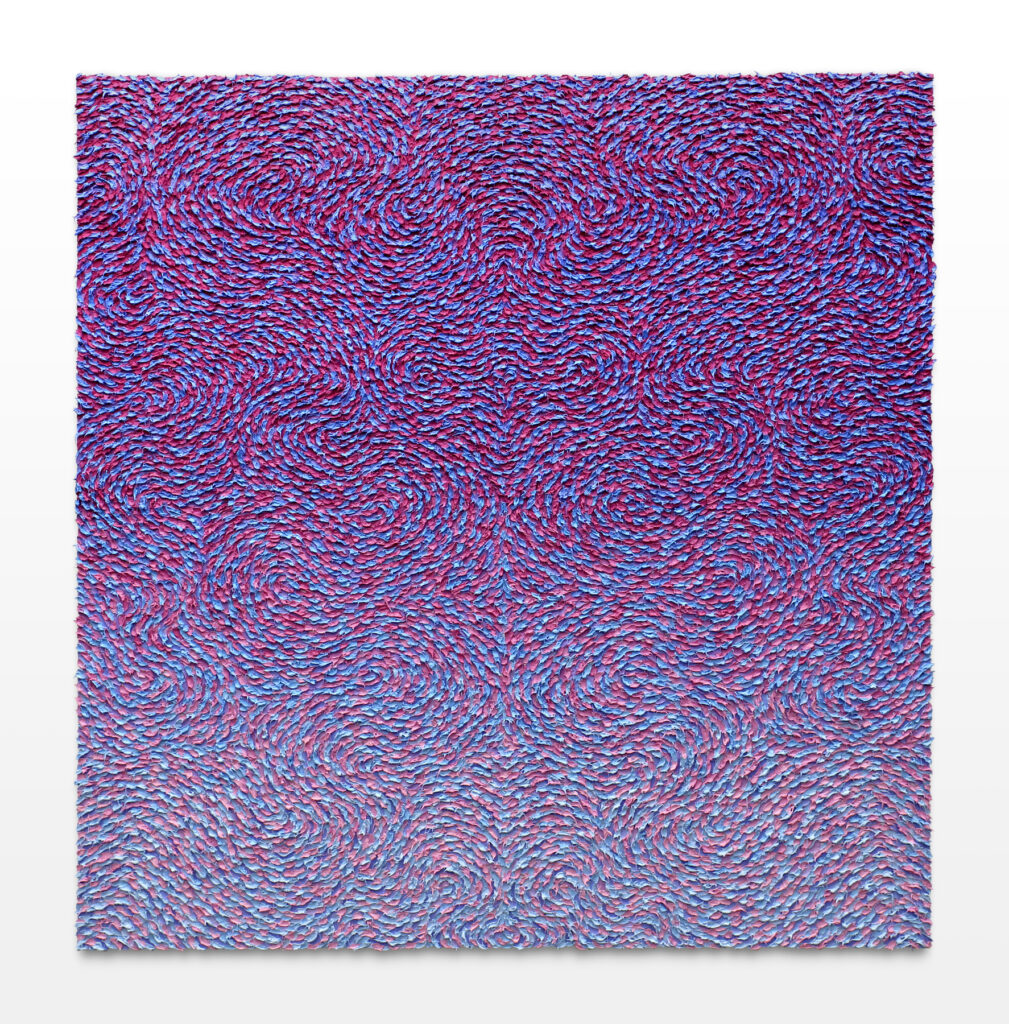
Pigment was everywhere. Not tentative, not restrained, but confident. The kind that lands before you’ve had a chance to analyze it.
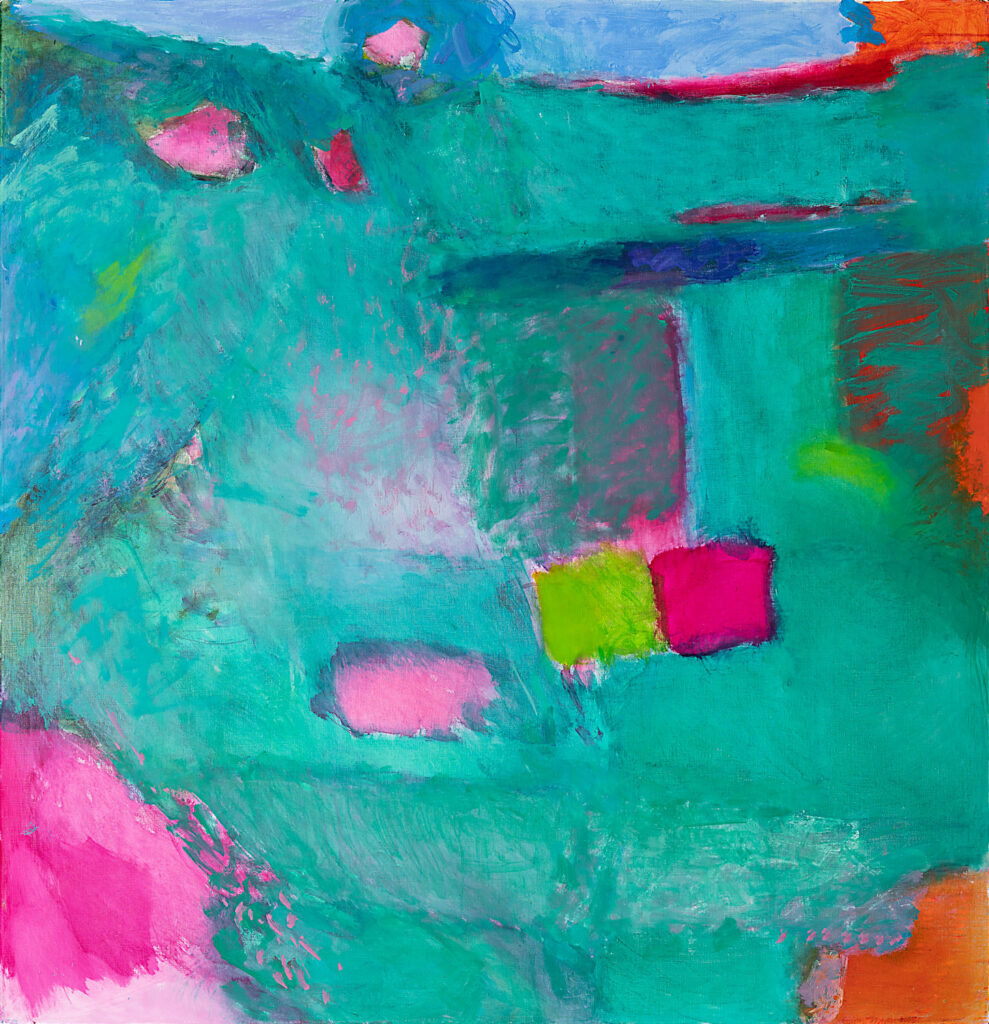
At Jody Klotz Fine Art, that instinct played out in a compelling dialogue between Emily Mason and Friedel Dzubas — two painters working in abstraction, decades apart, yet connected through a shared sensitivity to color. Mason’s work, in particular, carried a quiet authority: layered, luminous, and deeply intuitive, with hues that seemed to shift as you stood in front of them.
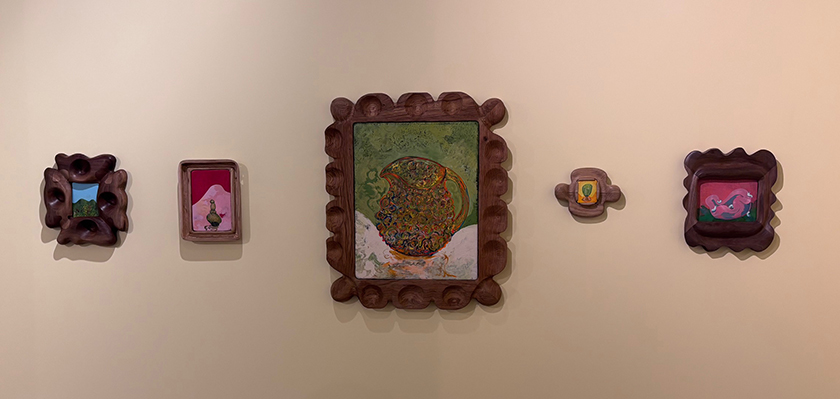
At the Artspace111 booth, artist Tyler Casey offered a more grounded take on that same idea, reworking familiar imagery with a practiced ease. Subtly reminiscent of Magritte or Matisse, his paintings leaned into saturated color and a rustic immediacy.
“Tyler has this way of taking something recognizable and making it feel completely his own,” said Marla Owen. “There’s an energy to the work — people are drawn in, then start to find their own meaning in it.”
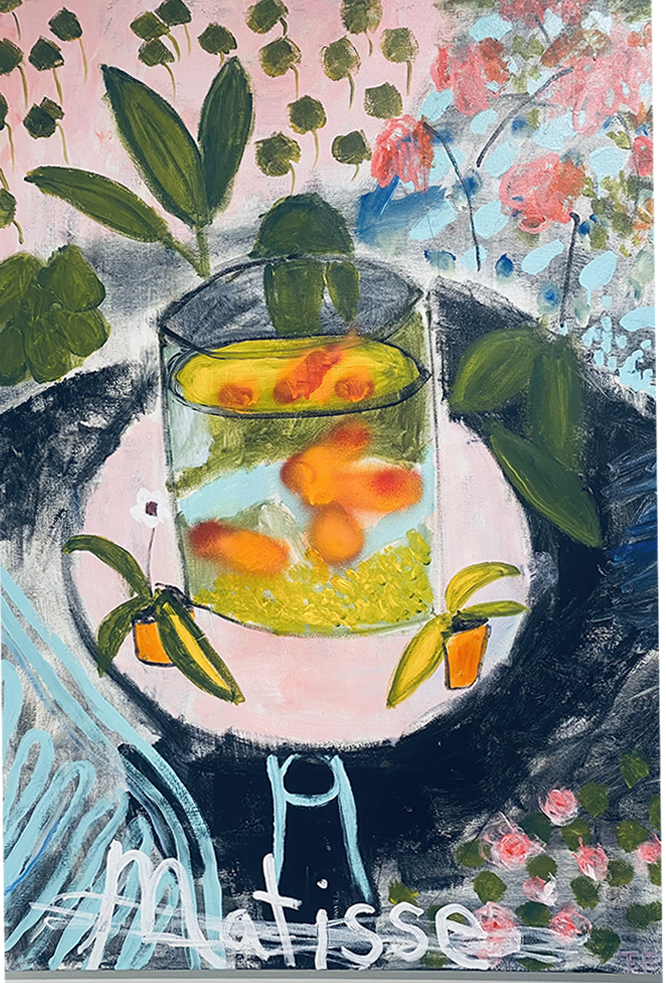
That idea — familiarity without rigidity — surfaced again and again
At Nature of Things, Carrie Cook’s paintings pulled viewers into scenes that felt recognizable at first glance — a table, a glass, an ashtray — before slipping into something more ambiguous, almost dreamlike. Surfaces moved between controlled and gestural, creating a tension that holds your attention longer than expected.
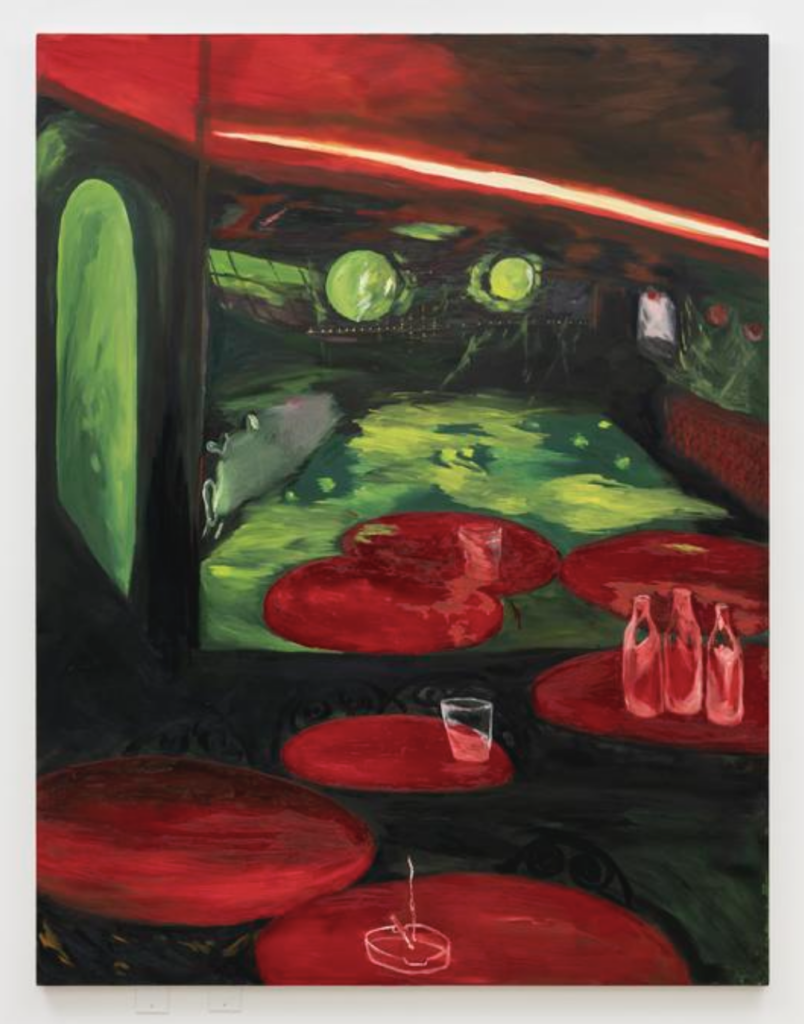
There was also a clear appreciation for work that embraces the artist’s hand. Again, not polished to perfection, but intentionally unresolved.
Amoako Boafo’s portrait at the Michael Kohn Gallery made that point instantly. The Ghana-born artist, known for painting flesh with his fingers (a technique once discouraged by his professors), builds the face in thick, tactile strokes. Set against a pared-back ground, the contrast does the work: a heavily layered face, a simplified body, and a sharp hit of color at the collar. The effect is immediate, with a strong sense of presence.
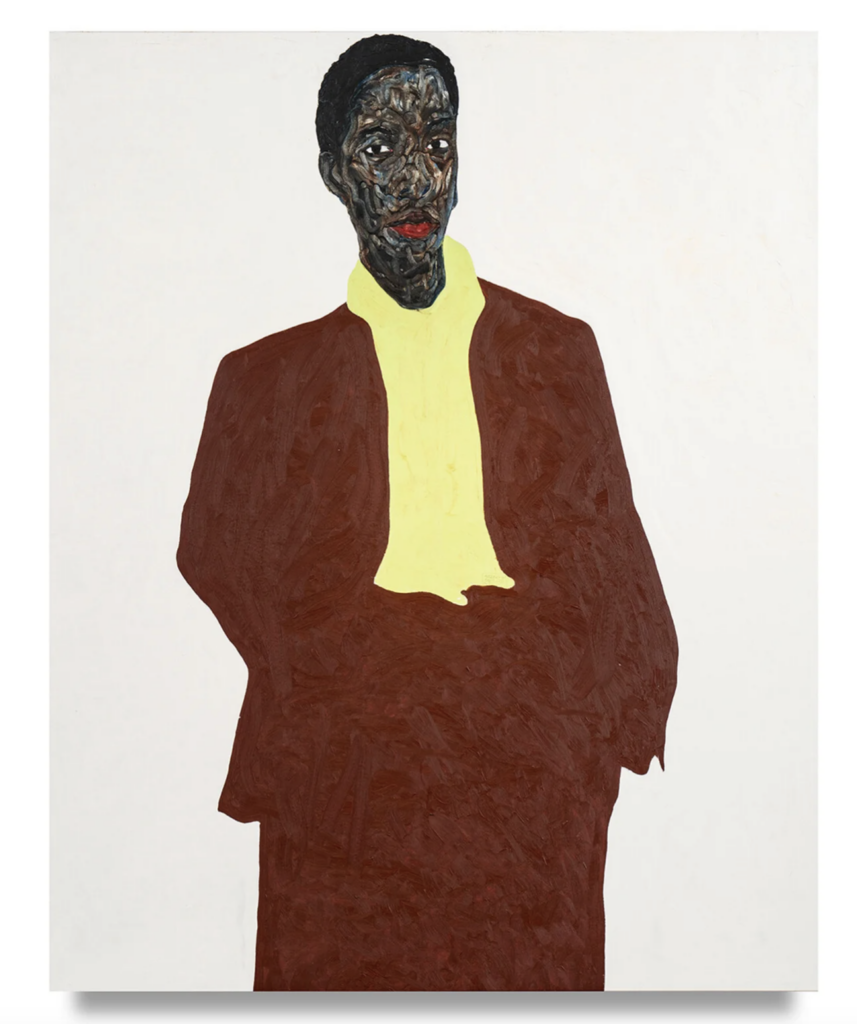
“It’s the human touch,” said the gallery’s Kurt Puchlik. “That movement. That’s what people are responding to.”
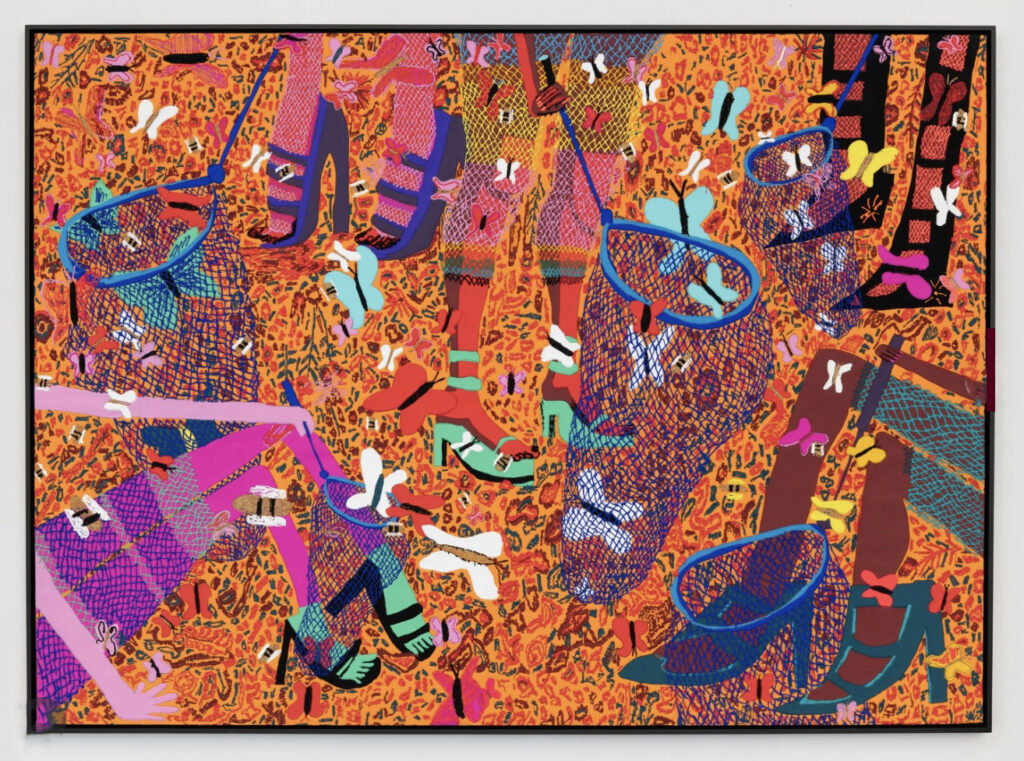
At SoCo Gallery, Summer Wheat’s richly textured paintings, built from layers pushed through mesh and worked from both sides, felt almost constructed rather than painted. A similar emphasis on construction surfaced at the Nino Mier Gallery, where Flemish artist Karel Dicker worked at a smaller scale — each framed piece conceived as a unified whole, not just an image within it.
And then, just as quickly, the mood shifted again — this time toward humor
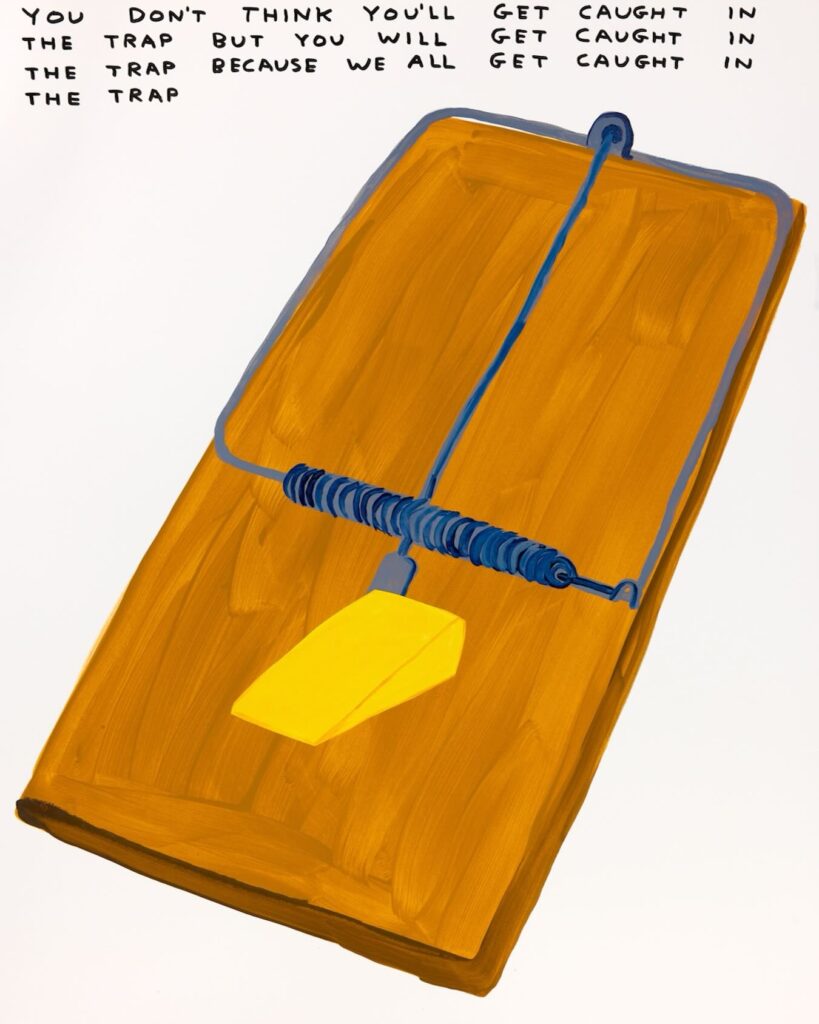
At Andrew Kreps Gallery, David Shrigley’s irreverent drawings had a kind of offbeat clarity: simple, a little absurd, and undeniably clever. The kind of work that doesn’t take itself too seriously, even as collectors are willing to spend serious money for it.
Vinnie Deegan of Cris Worley Fine Arts summed it up: “Everyone’s in a good mood. There’s a sense of ease to it all. Even the sculptures feel like they’ve had a cocktail. Nothing’s trying too hard. That’s the point.”
In a moment when things outside the fair feel anything but light, that’s the most compelling part. Not overly conceptual. Not overly explained. Just art that meets you where you are — and leaves you better than it found you.