
Louisiana’s Live! Casino Hotel Bets Big on Dallas
Share News:

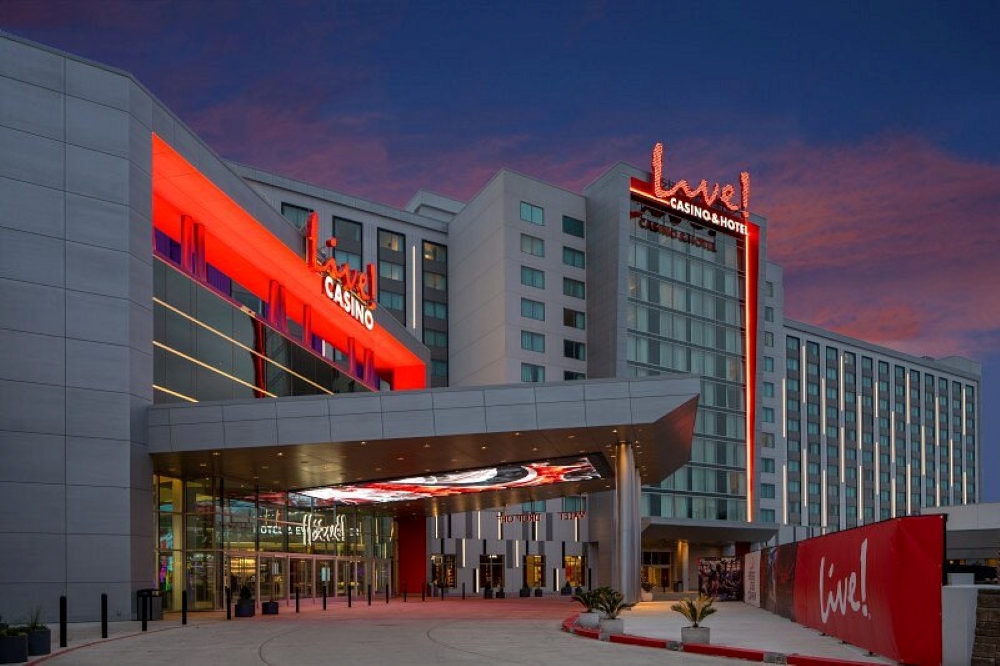
Before there was Durant and Thackerville, there was Shreveport and Bossier City.
This was before the sprawling Oklahoma complexes of Choctaw and WinStar became Dallas’s gold standard for a gambling getaway. In the nineties and early aughts, Dallasites often made the I-20 trek to Louisiana’s Red River, where casino neon lights reflected off the river they were beholden to. Back then, the drive didn’t feel so long.
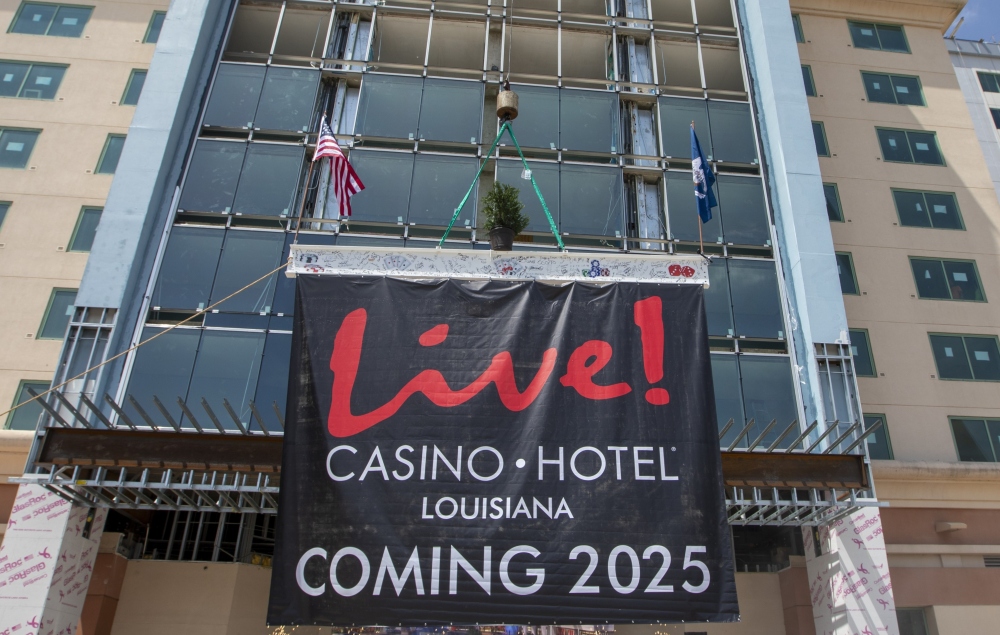
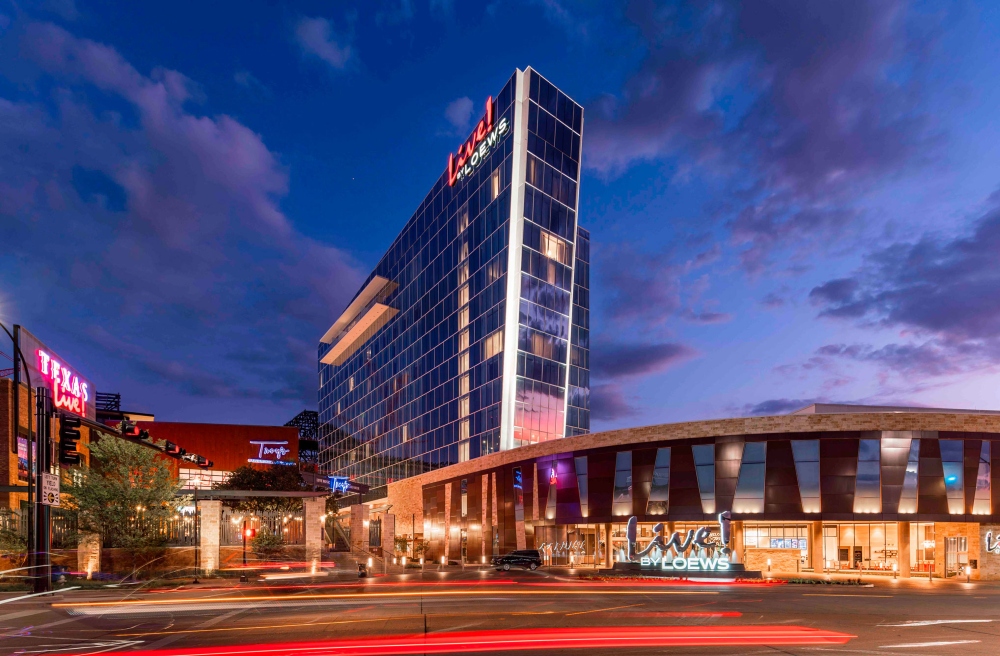
Decades later, I’m heading back to these twin cities to visit the first casino built here in more than a decade — Live! Casino Hotel Louisiana, which opened in Bossier City in February 2025.
But I tell you, the road has a way of humbling you.
The Road to Bossier City
Halfway to Bossier City on that dusky stretch of I-20, I heard a violent pop and felt a fear-inducing shimmy of the steering wheel at 80 mph. I couldn’t tell if the thud I heard was my shredded tire slapping the pavement, or my stomach dropping at the realization that I may be stranded on the highway while a sushi dinner and a comfortable bed slipped out of reach.
But a serendipitous rest stop just feet away had me audibly thanking God for a safe, well-lit place to pull over and stare blankly at my phone about what to do next. Donut-spare it back to Dallas was looking like my only option until I asked Gemini, “Is there such a thing as a mobile mechanic who can bring and install a full-size tire roadside?”
It’s a strange thing to go from emergency roadside assistance to glitzy Vegas vibes in the span of 90 minutes, but there I was finally at Live! with husband and 17-year-old in tow.
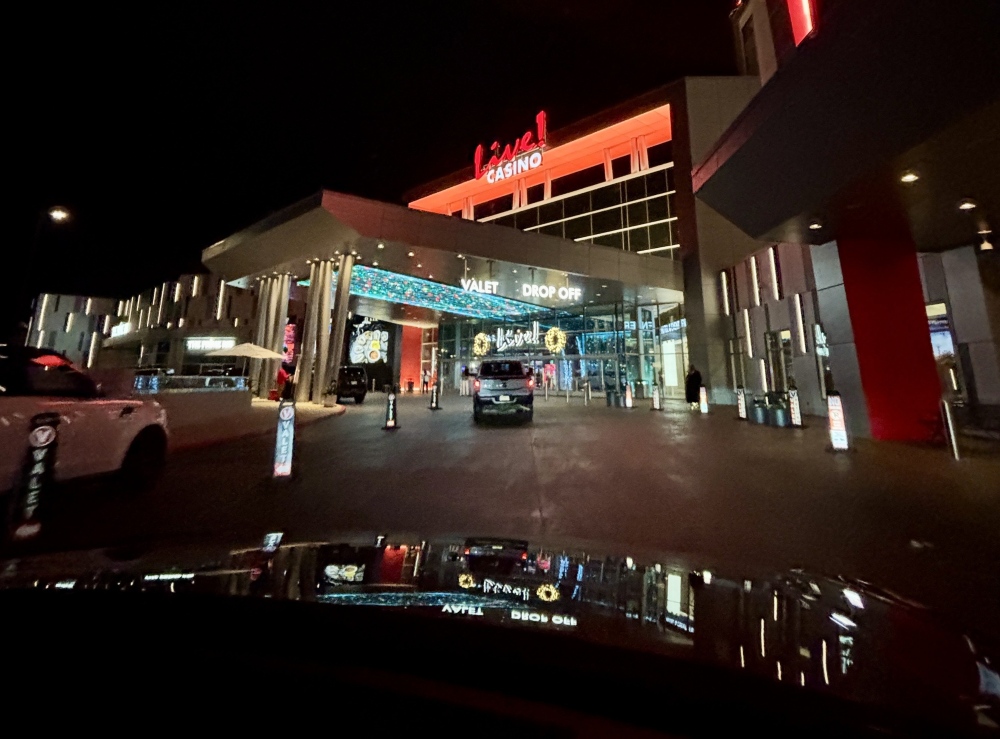
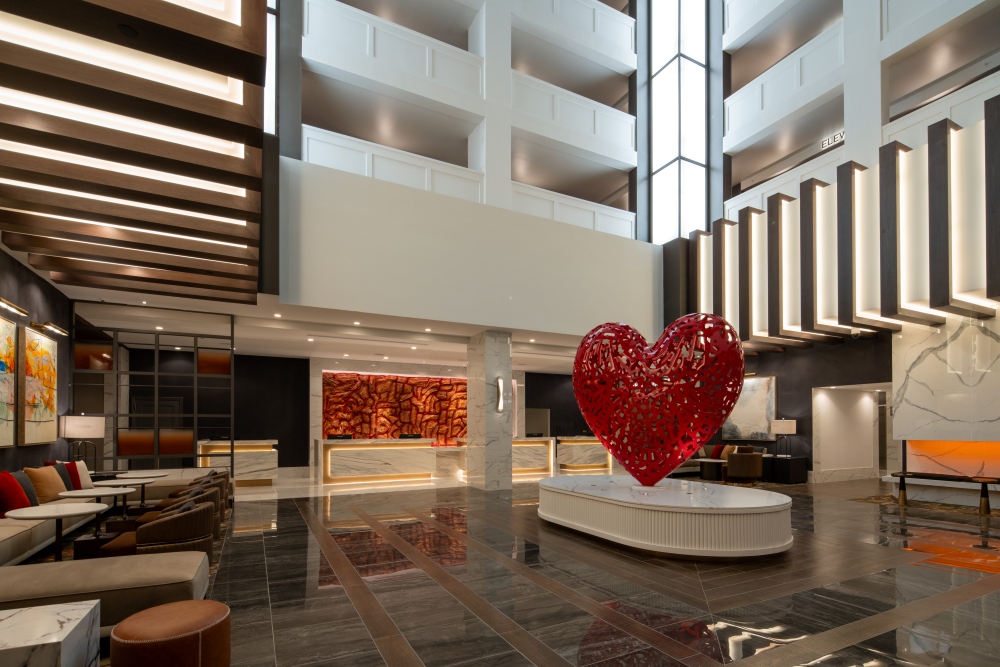
Key card in hand and the lobby’s cool, fresh-scented air wafting around me, I felt the curated calm luxury that the developers intended. When I sat down with John Chaszar, executive vice president and general manager of Live! Casino Hotel Louisiana, he spoke about that very transition — and the long road, or river, to get here.
The property is the first casino built in the Shreveport-Bossier market in 13 years — and the first designed for land rather than inside one of the riverboats that historically defined Louisiana gambling.
Well…
“I’m not allowed to call it a land-based casino,” Chaszar says. “We have to call ourselves a land-side casino because there’s only one legal land-based casino in the state of Louisiana.”
That distinction dates back decades.
Why Louisiana Casinos Were Built on Riverboats
Louisiana’s modern casino industry is relatively young and shaped by a political compromise. In 1991, the state legalized riverboat gambling, allowing casinos to operate only on licensed vessels along waterways. The approach was designed to make gambling more palatable in a heavily Baptist state by technically keeping casinos “off land” and framing them as destination excursions.
One notable exception came in 1999 when Harrah’s New Orleans, now rebranded Caesars New Orleans, opened on Canal Street as the state’s only permitted land-based casino.
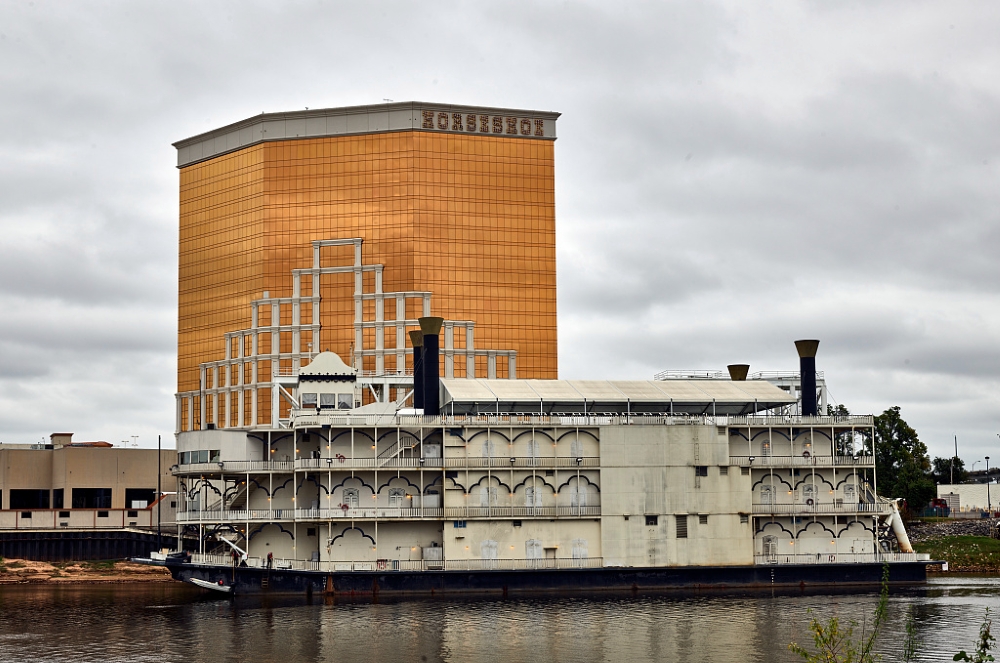
Nearly two decades later, lawmakers approved legislation allowing riverboat operators to move their gaming operations inland 1,200 feet. The 2018 change was intended to spur renovations and encourage new investment in aging casino properties long defined by their compact riverboat layouts.
Then-Mayor Sidney Barthelemy famously lobbied for “Just One” casino, arguing that a single large resort would draw tourism dollars without siphoning too much business away from existing hotels, restaurants, and entertainment venues.
The compromise illustrates the balancing act states often attempt when legalizing gambling — encouraging economic development while trying to contain its footprint. It’s a tension that will sound familiar to anyone who has watched Dallas debate major developments at City Hall or watched Texas lawmakers grapple with casino proposals that continue to surface in Austin.
From Riverboats to Resorts
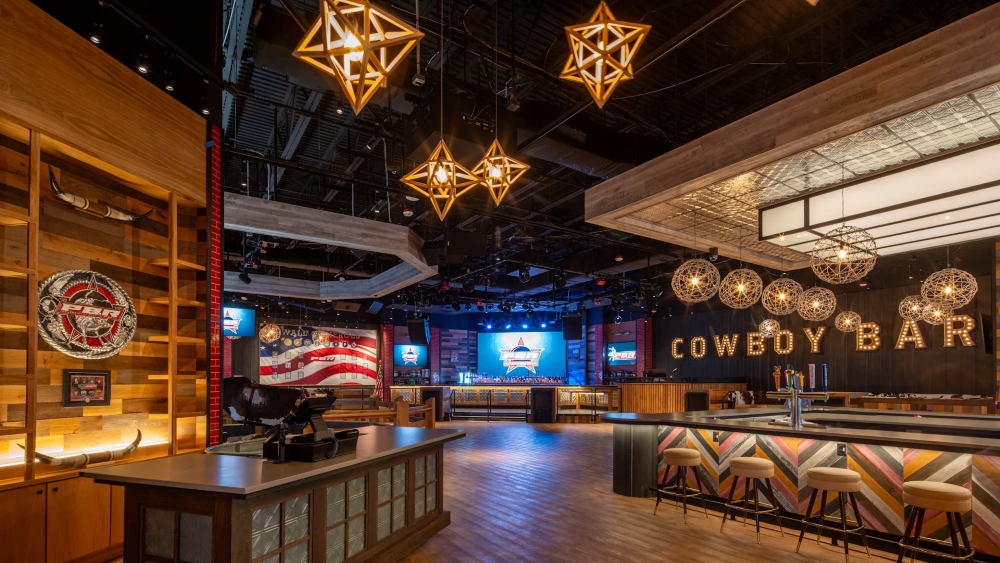
Portions of Live! Casino Hotel still sit on the water as well, including the PBR Bar with its mechanical bull and the Sports & Social bar where live sports play across massive screens, and at night, surprisingly good music fills the room.
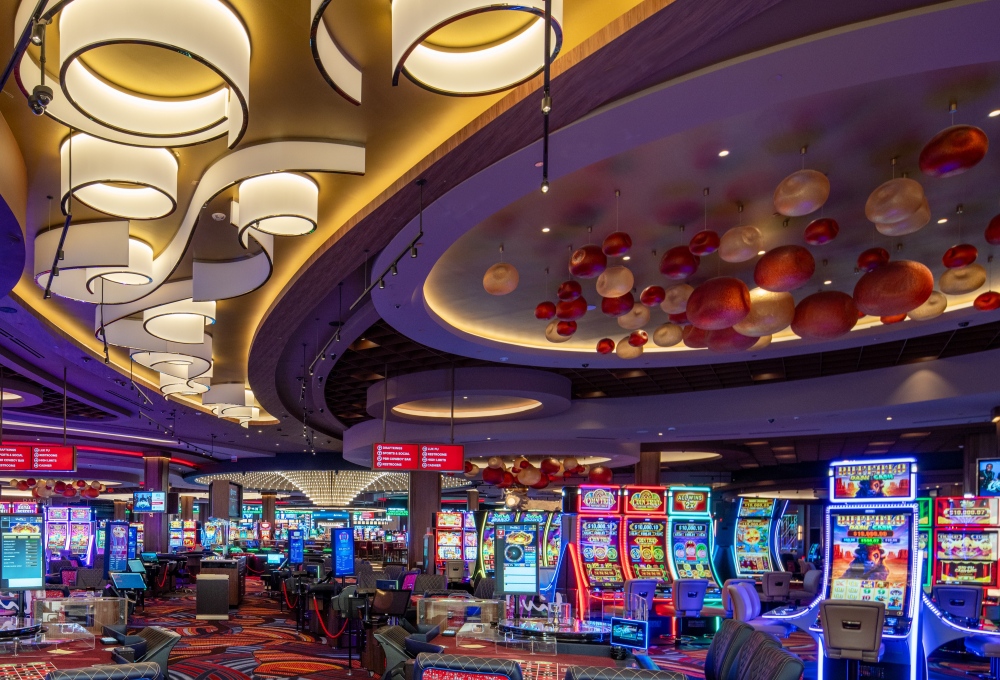
The casino floor was rebuilt entirely, replacing the old riverboat layout with a modern gaming space and entertainment venues.
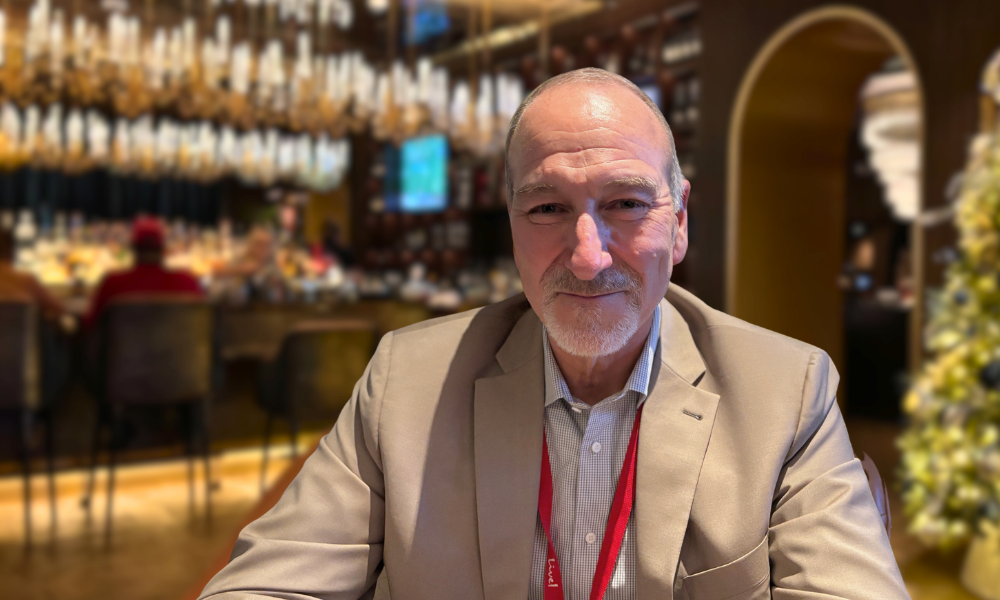
“All of this used to be riverboat, and now look at it,” he says, glancing out onto the casino floor, where he can be seen often walking the property, greeting people, and shaking hands.
Cordish Cos., the Baltimore-based developer behind the Live! brand, redeveloped the shuttered Diamond Jacks Casino & Hotel, which closed in March 2020 during the pandemic.
Live! Casino Hotel includes 549 hotel rooms, a 47,000-square-foot gaming floor with 1,000+ slot machines, 40 gaming tables, four restaurants, and several entertainment venues designed to compete not only with other nearby Louisiana casinos but with the mega-resorts just across the Texas border in Oklahoma.
Cordish operates Live!-branded casino resorts in Maryland, Philadelphia, and Pittsburgh, and developed Texas Live!, the $250 million entertainment complex with restaurants, two hotels, and a convention center in Arlington’s sports district.
Competing With Oklahoma’s Mega-Resorts
By and large, Live! Casino Hotel Louisiana competes directly with Choctaw and WinStar on hotel luxury and fine dining.
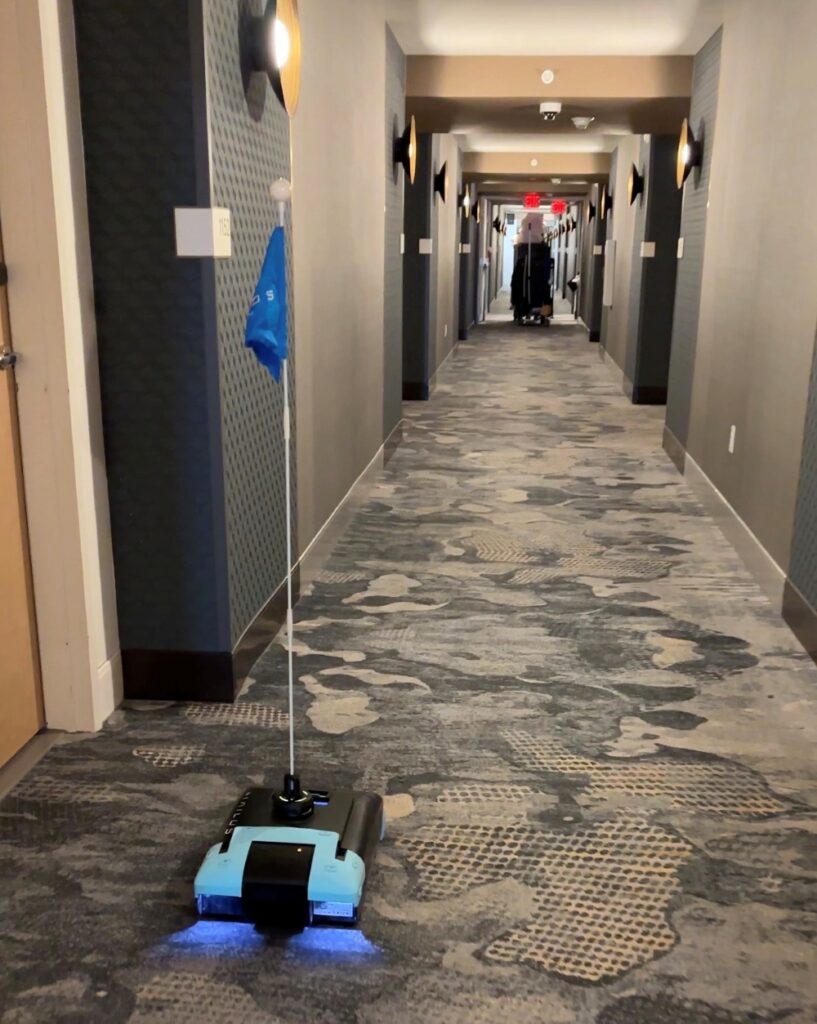
Recently partnering with the Hilton Curio Collection of hotels, Live!’s rooms lean toward sleek resort minimalism — pale woods, hardwood floors, oversized showers, 55-inch televisions, and views of the Red River and the resort pool. Even the hallways have a futuristic touch: small GPS-guided vacuums quietly patrol the carpet like polite little robots, pausing whenever a guest steps into their path.
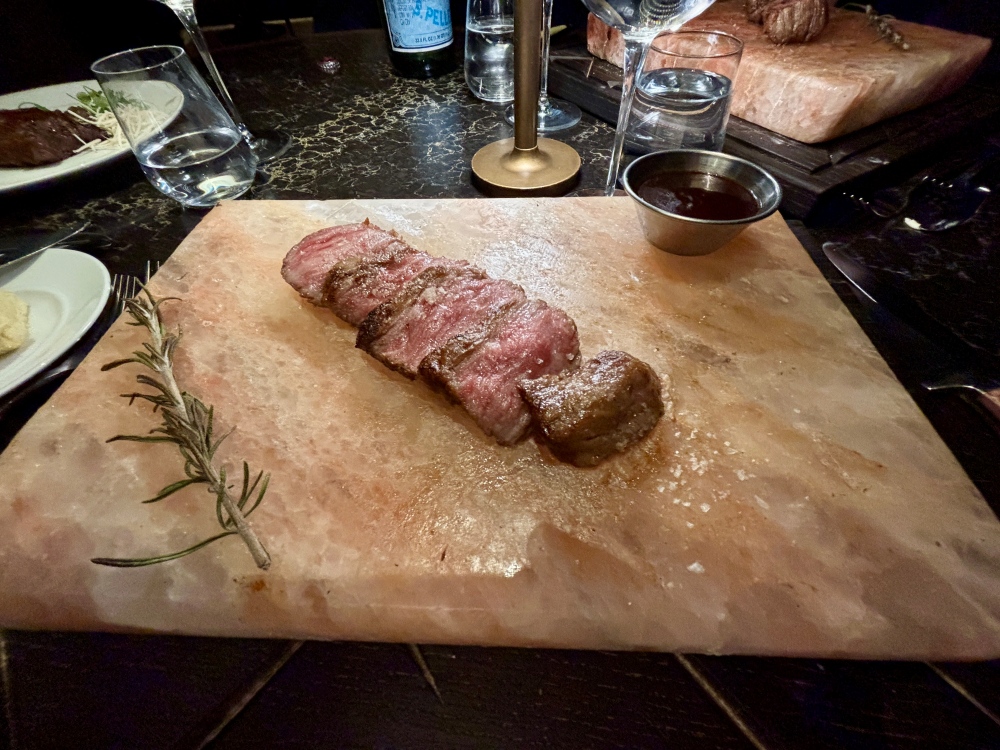
At the Prime Rib restaurant, the snow-aged A5 wagyu, which is served on a Himalayan salt block, is the finest piece of meat that I’ve ever eaten.
But Oklahoma’s mega-resorts still have advantages that reflect how casino entertainment has evolved. Choctaw’s Durant property, for example, includes a massive smoke-free gaming wing — a feature many North Texas gamblers now expect — along with family-oriented attractions such as a bowling alley, movie theater, and large arcade designed to keep younger visitors entertained.
Live!’s casino floor remains largely adults-only in that regard, and guests must be 21 to enter the ID-checked gaming area.
The Texas Factor
But the biggest challenge for casinos in northwest Louisiana isn’t just competing with Oklahoma’s amenities. It’s geography.
When I sat down with Chaszar, the conversation quickly turned to a reality that hangs over every casino operator in neighboring states: the market depends heavily on Texas.
“We invested nearly $300 million in this casino, and it relies very heavily on Texas gaming,” Chaszar says.
Louisiana casinos have long depended on Texans crossing state lines for legal gambling. For decades, Shreveport and Bossier City were the closest option for North and East Texas residents.
“More than 50% of our business at one point came from the Dallas market — Dallas, Tyler, Longview — and that has now dwindled to less than 15%,” Chaszar says.
That’s a massive chunk.
Oklahoma’s tribal casinos, particularly WinStar that’s billed as the world’s largest casino, have evolved into massive resort complexes that draw millions of visitors from North Texas each year. With newer facilities, aggressive marketing, and a shorter drive for Dallas gamblers, they steadily pulled traffic away from Louisiana.
Louisiana casinos also share some blame for the shift.
“We literally contributed to their success,” Chaszar said, noting that properties in the Shreveport-Bossier market went years without significant reinvestment. Margaritaville was the last new casino built here roughly a decade ago.
“They didn’t reinvest in their casinos. Properties were deteriorating. And for their most active players, they started taking away offers.”
Frequent players often earn status tiers that come with perks such as complimentary hotel rooms, food vouchers, branded merchandise, and free play that functions as slot machine credit. But longtime Shreveport-Bossier players say those incentives dwindled drastically in recent years.
“Customers didn’t mind the three-hour drive because they were taken care of,” Chaszar says. “But when they stopped getting taken care of with their casino status, they all went with the one-hour drive to Oklahoma because it was more convenient.
“So we gave everybody the excuse to go north,” he said.
Watching the Texas Casino Debate
The economic reality remains: Texas residents are crossing the border to spend millions on entertainment not available here.
“Depending on what poll you want to listen to, 67 percent of Texans would vote to change the constitutional amendment to allow gaming,” Chaszar said. “It’s going to happen.”
Gaming executives like Chaszar are keenly aware legal casinos inside Texas could slash their business.
“If Texas ever passes gaming, there’ll be three casinos left here,” Chaszar said. “The good news is they’ll all be on this side of the river.”
The Red River separates Shreveport from Bossier City, where the region’s newer casinos sit.
“And yes, we’re very, very active trying to prevent that happening,” Chaszar says. “Because we want our return on our investment in this market.”
Several major gaming companies are already positioning themselves for the possibility of Texas gaming.
Las Vegas Sands — controlled by the Adelson family, which owns the Dallas Mavericks — purchased land near the former Texas Stadium site in Irving and has discussed building a resort casino if Texas lawmakers legalize gambling. Houston billionaire Tilman Fertitta, owner of Golden Nugget casinos, has floated similar ideas for the Houston market. Chaszar says other major gaming operators are positioned in Texas, including racetracks that could be converted into “racinos” and other properties that could be used for future casino development.
And then there’s Cordish.
The company already has a foothold in the Dallas-Fort Worth entertainment economy through Texas Live!, the $250 million entertainment complex in Arlington’s sports district between AT&T Stadium and Globe Life Field. Texas Live! is getting its closeup today in the inaugural IndyCar Grand Prix of Arlington, giving a glimpse of the central entertainment destination the area could be.
For now, the formula remains simple: build the casino just across the Texas border — and Texans will come.
Judging by the rows of Texas license plates in the parking garage — many with North Texas dealership frames or Texas university decals — the road to Louisiana is still a familiar one.
10 Comments
Leave a Comment




Only financially responsible people should do this. I do not want people losing their home for gambling. I do not want to see ill will with others because of gambling.
No keep texas competitive, not drunk nor dumbed, couped in their minds.
Horseshoe opened in 1994…
Thanks for the info. I should have clarified 1991 was when riverboat gambling was approved.
how amazing if something like the Sands Marina Singapore was built? It’s still owned by…the Adelsons. Its iconic. It’s a destination unto itself. I dream of that here.
Can you imagine??
Louisiana can’t compete with WINSTAR NOR CHOCTAW BECAUSE OF THE AGE DIFFERENCE, SO THAT’S WHY ITS MORE TRAFFIC IN OKLAHOMA. BEING 18 AND LEGAL TO GAMBLE IN OKLAHOMA VERSUS 21 AND UP IN LOUISIANA. THE DRIVE TO OKLAHOMA AS WELL YOU’LL LEAVE DALLAS HEADED TO OKLAHOMA AND GET THERE FASTER THAN DALLAS TO LOUISIANA. VEGAS AS WELL BECAUSE YOU HAVE TO BE 21 AS WELL
Very good point.
Yep. It started at Louisiana Downs when they opened up a couple of floors to video poker machines then it went to the riverboats as full casinos I haven’t been a Shreveport 20 years when Winstar’s an hour away
I know, right? That’s why I was intrigued about this first casino built in 13 years. The nostalgia from those 90s and 00s visits — I celebrated 21 there. Age, not Blackjack. Didn’t get many of those.