
The Historic Kalita Humphreys Theater: Why a Merger Could Be Its Salvation
Share News:

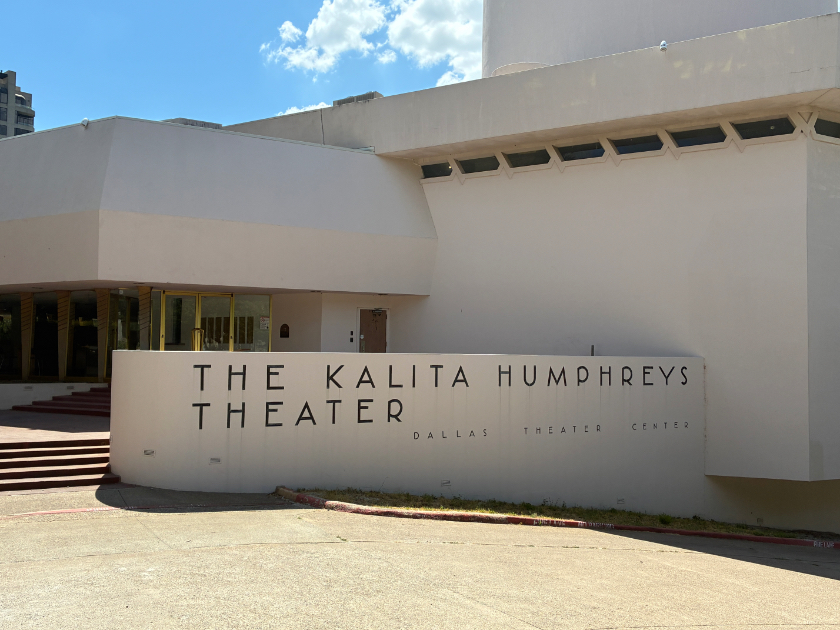
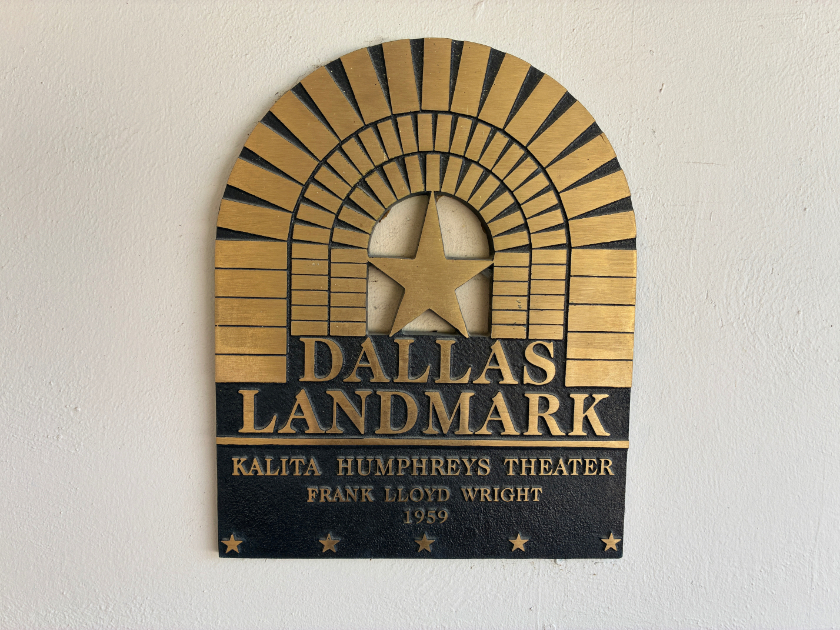
The historic Kalita Humphreys Theater, designed in 1959 by Frank Lloyd Wright, was back in the news at the end of July when the Dallas Theater Center and the AT&T Performing Arts Center announced plans to combine their organizations. Final approval and uniting are expected in early 2027. The merger will allow both groups to not only expand programming but also save money. It may, in fact, be the famous theater’s salvation.
It’s not just the building that is significant in Dallas history; it’s also what happens inside the building. Dallas is considered the birthplace of regional theater. Margo Jones, known as “The Texas Tornado,” was a visionary director. In 1947, she founded the aptly named Theater ‘47 in the Magnolia Lounge building at Fair Park. It was the first permanent professional, resident, regional theater company outside of New York.
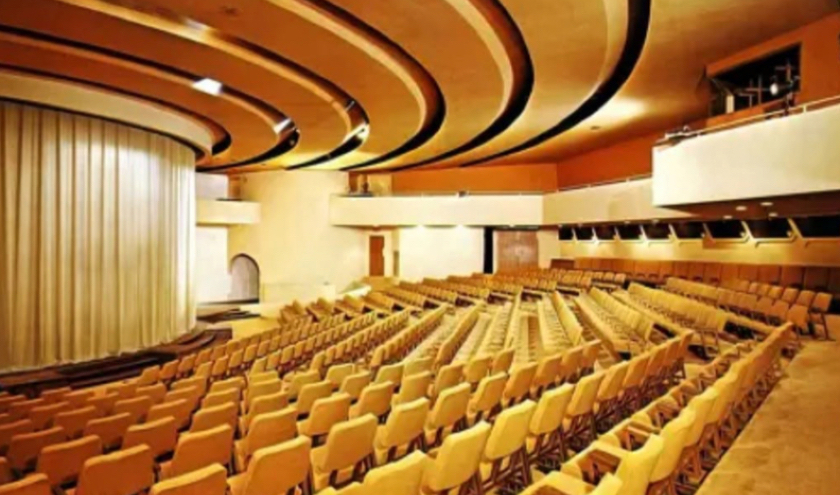
By the time Paul Baker came to Dallas to found the DTC, Dallas had a thriving theater scene thanks to Jones. A DTC committee led by Baker approached Wright to design a building on land along Turtle Creek that Sylvan T. Baer had donated. Wright suggested adapting one of the existing unused plans, and the project began. His design called for a new look that would unite the actors and audience by creating a circular stage with a revolving center platform, allowing for a much more intimate theatrical experience. If you’ve ever been to a play here, you will realize there is not a bad seat in the house, and you indeed feel connected to the actors.
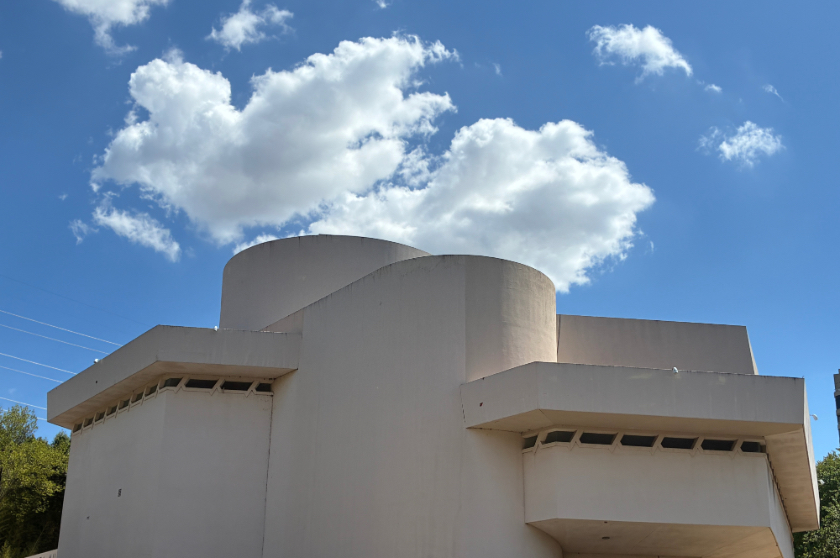
The vertical cylindrical forms of the four-and-a-half-story building, encircled by horizontal cantilevered decks, presented a sculptural façade, both monumental and dynamic, within a wooded park setting. The entire building was based on a 60/1 20-degree equilateral parallelogram, such that there were virtually no right angles. The unit system organized not only the floor plan, but also many of the details from the smallest design of the window shapes to the faceted columns and the built-in furniture. The KHT was unique for its structural experimentation, its unusual theater layout, the spare simplicity of its concrete shell, and the muscular elegance of its dramatic forms. These qualities, even in its altered state today, are still apparent. The quality of the architecture, along with the cultural importance of the theater organization, events, and director, cannot be overstated.
City of Dallas Landmark Nomination Form
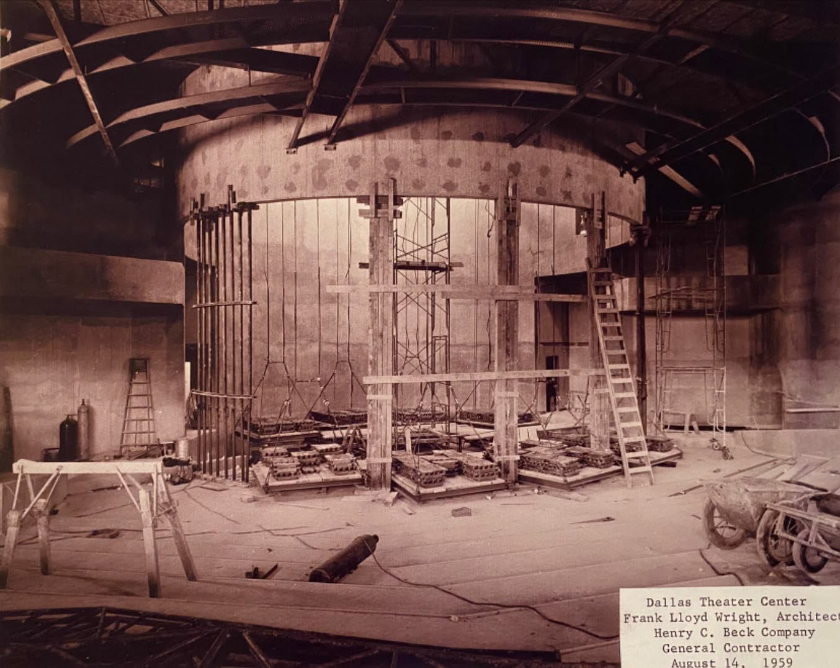
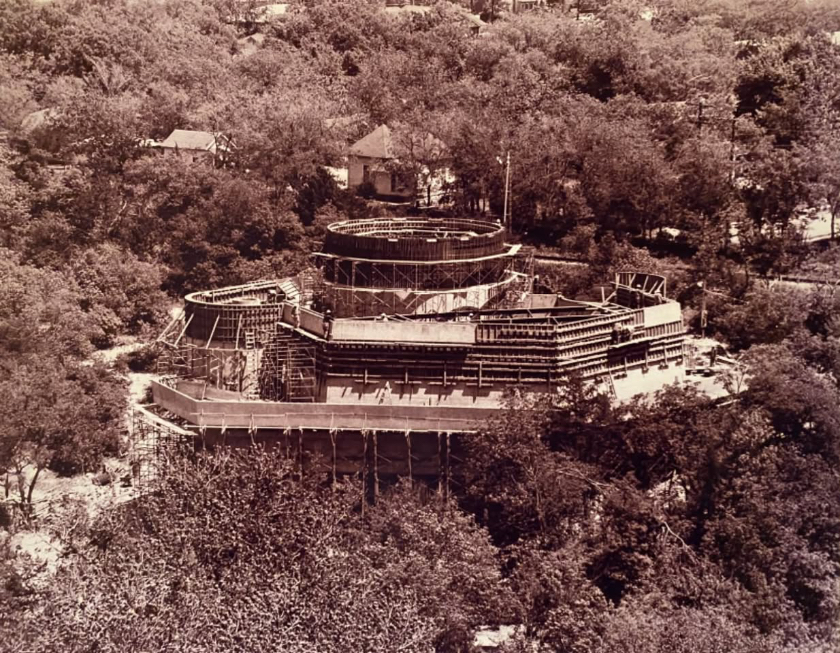
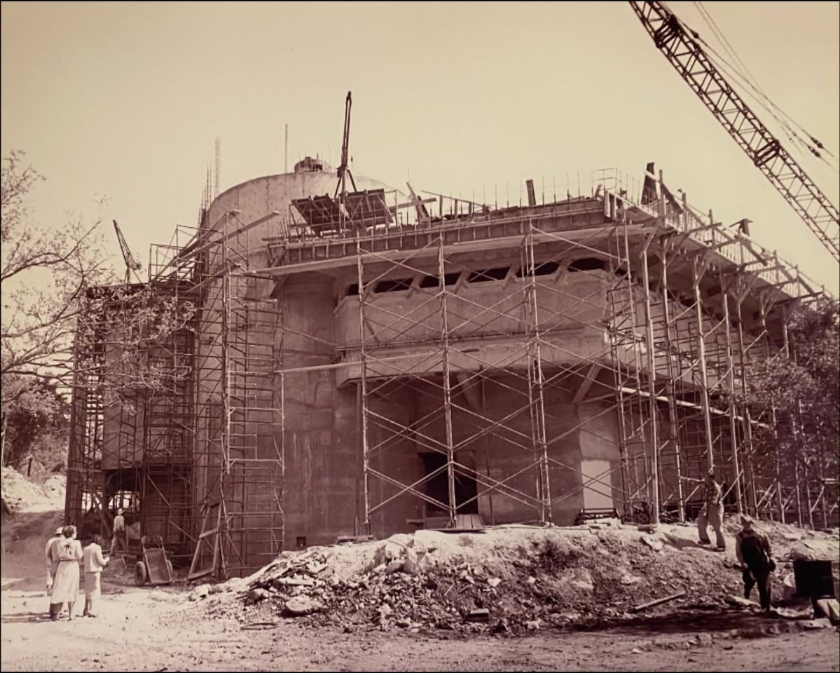
The Kalita Humphreys Theater took four years to build and was finished just nine months after Wright died. It was named for Kalita Humphreys, an actress who worked with Baker and died tragically in 1954. Her family made a donation of $120,000 to the theater as a memorial. The Kalita, as it is affectionately known, became one of the finest regional theaters in America under Baker and later director Adrian Hall.
In addition to the DTC, the Kalita has served The Uptown Players theater company since 2010, and Second Thought Theater performs at Bryant Hall, which adjoins the Kalita Humphreys Theater. Between the three companies, the theater is in use almost year-round.
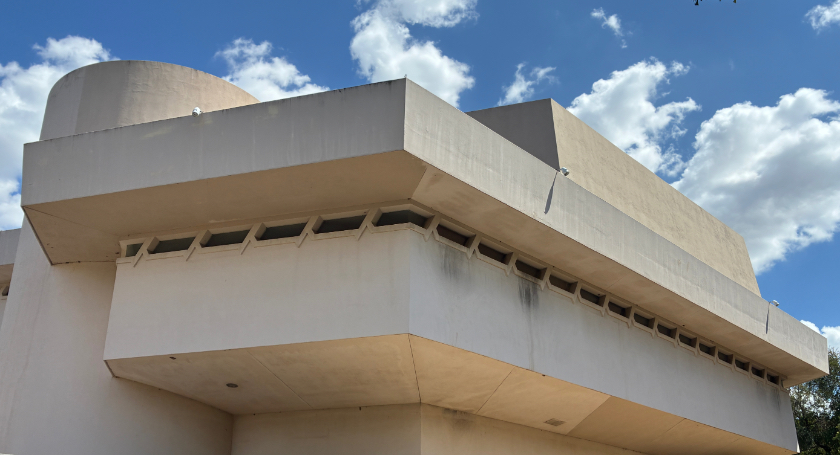
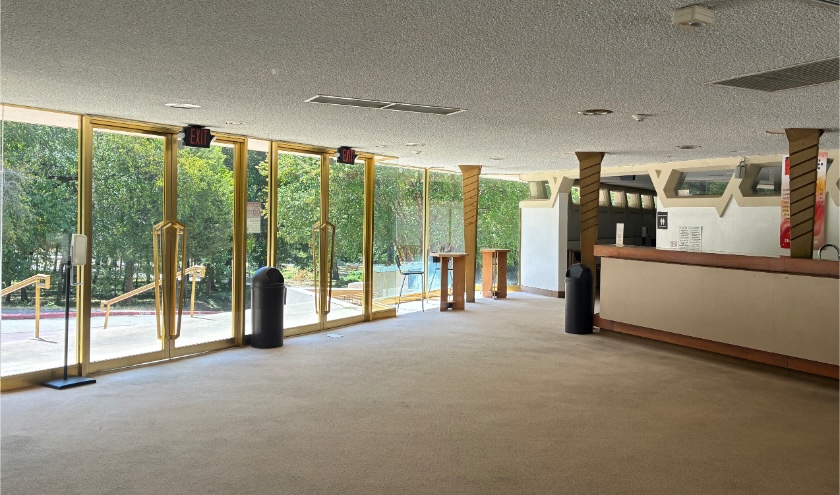
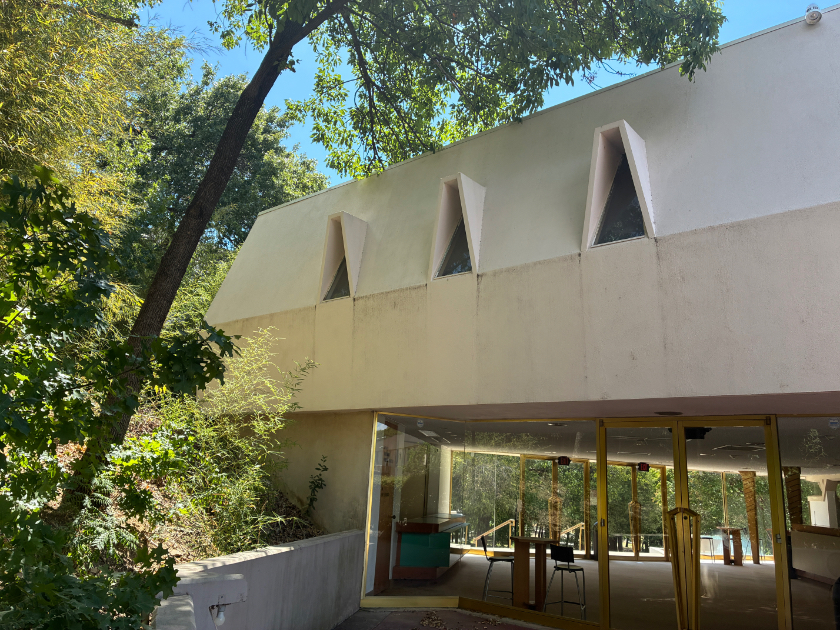
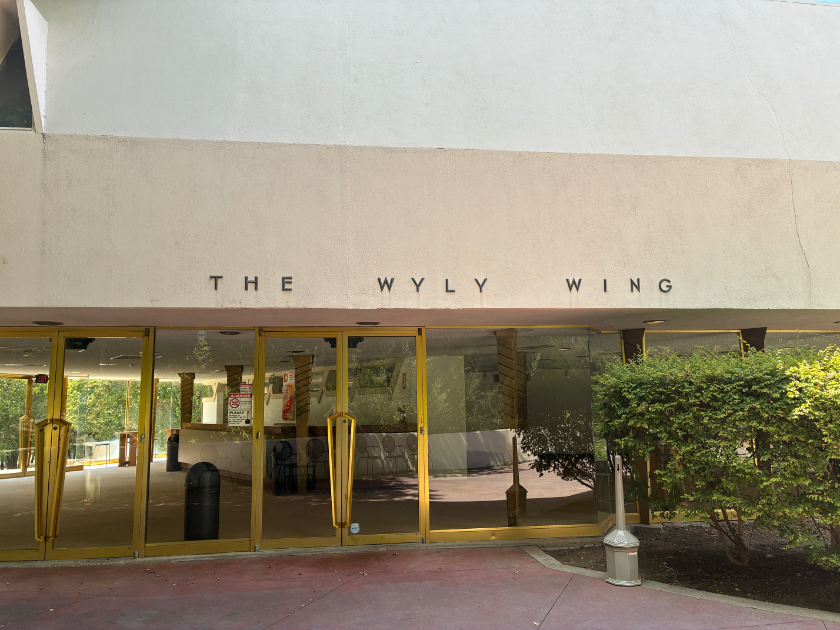
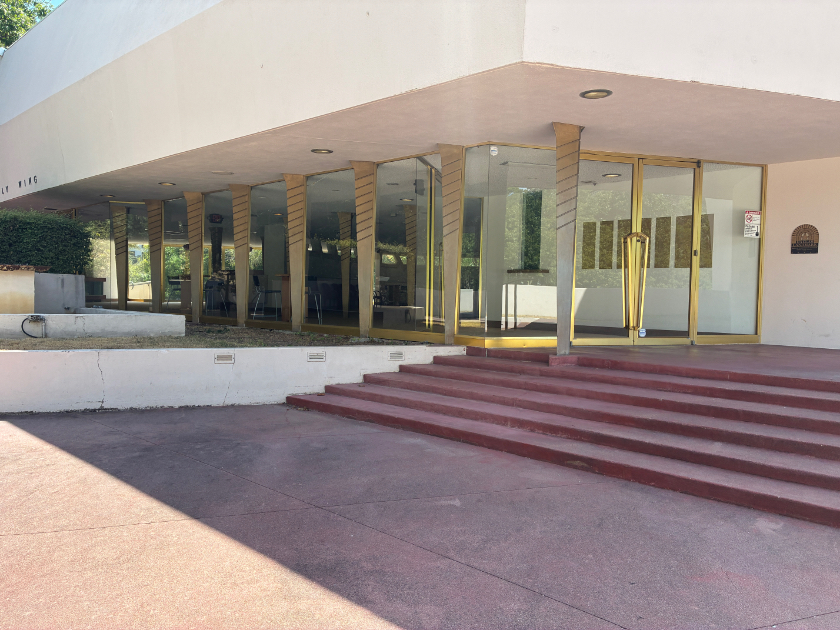
As we fast-forward through history, the building and its park setting underwent multiple changes to accommodate parking, office needs, and rehearsal space. In 1969, the Wyly Wing, named in honor of Charles and Dee Wyly, was added as a separate building designed in the style of Wright. At the time, a porte-cochère connected the two buildings but was enclosed in 1990 to create a larger lobby space. A great deal of work was accomplished in 1989. However, no significant updates or remodeling happened until 1997, largely due to a significant economic downturn at the time. By the late 1990s, bonds were issued fairly regularly with money for The Kalita.
Why Preserving the Kalita Has Been So Complicated
It’s important to understand that multiple entities are responsible for the building and site, which complicates matters. At the time of its landmark designation, the Kalita Humphreys Theater was owned by the City of Dallas; management was overseen by the Office of Cultural Affairs, the Equipment and Building Services Department was responsible for building maintenance, and the Parks and Recreation Department for site maintenance. The theater is leased and operated by the Dallas Theater Center, and overseen by its Facilities Managers and the Facilities Committee of the DTC Board.
Whew.
Can you imagine getting all of these different entities together to decide on anything? That’s a heavy lift. Despite that, the theater survives and thrives, which should carry weight with our leadership.
What the AT&T PAC Partnership Could Change
In 2005, Veletta Lill, who was a Dallas City Council member at the time, ensured the building became a national landmark and has followed it closely over the years.
“I believe the AT&T PAC merger will positively impact the Kalita,” she said. “The collaboration with the DTC will allow greater infrastructure investment at Kalita by the AT&T Performing Arts Center. They have the capacity and expertise to run the building.”
The organizations’ announcement specifically says the combined entity would operate and steward the Kalita under the existing agreement with the City of Dallas.
Of note, Dallas voters approved $8.9 million in the 2024 Bond Program (Proposition E) for the Kalita Humphreys Theater. In late April 2025, the city council also agreed to provide “direct financial support in an amount not to exceed $150,000 to the Dallas Theater Center. Now we just need to get that money out the door and into the hands of people who know what needs to be done to preserve one of our national treasures.
The Kalita Humphreys Theater is located at 3636 Turtle Creek. Programming begins again in the fall.