10 Big Questions Still Facing Plano’s Stars Arena Proposal
Share News:

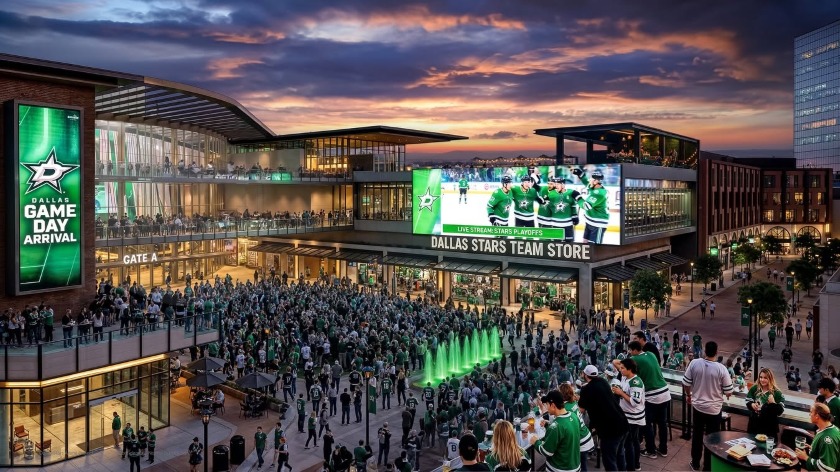
Plano has cleared the first hurdle in what could be a marathon run towards building a new sports arena district with the Dallas Stars. Plano City Council approved four key agenda items Monday night as expected, but if the discussion revealed anything, it’s that city leaders and residents alike are now turning their focus on many of the project’s unanswered questions.
Council unanimously approved four agenda items that’ll set the stage for the project:
- A non-binding Letter of Intent with Dallas Sports & Entertainment LP (LOI)
- Creation of a 900-acre Tax Increment Reinvestment Zone (Ordinance)
- An economic development agreement tied to redevelopment of The Shops at Willow Bend
- A venue tax resolution that could eventually go before voters.

“Although we’ve been in talks with the Stars for some time, this is really just the beginning,” Councilmember Bob Kehr said before voting in favor of the proposal. “In approving this tonight, it doesn’t mean a done deal.”
Monday’s approvals offer a green light for arena traffic studies, public engagement efforts, negotiations between the city and project partners, and a tax election as early as November.
As the proposal moves into its next phase, here are some of the key issues residents, city officials, and Dallas Stars executives will be working to answer.
1. How Will Traffic Affect Nearby Neighborhoods?
Traffic was the most frequently raised concern among the dozen residents who spoke during public comments on the arena-related items. Residents questioned how Stars games, concerts, and other large events could affect already busy roads like the Dallas North Tollway and Park Blvd.
Plano resident Jeff Paschal, speaking on behalf of homeowners in nearby Glen Meadows, Villas of Glen Meadows, and Wyndham Hill neighborhoods, said residents are concerned about congestion, cut-through traffic, parking spillover onto residential streets, and the ability to enter and leave their neighborhoods on busy event nights.
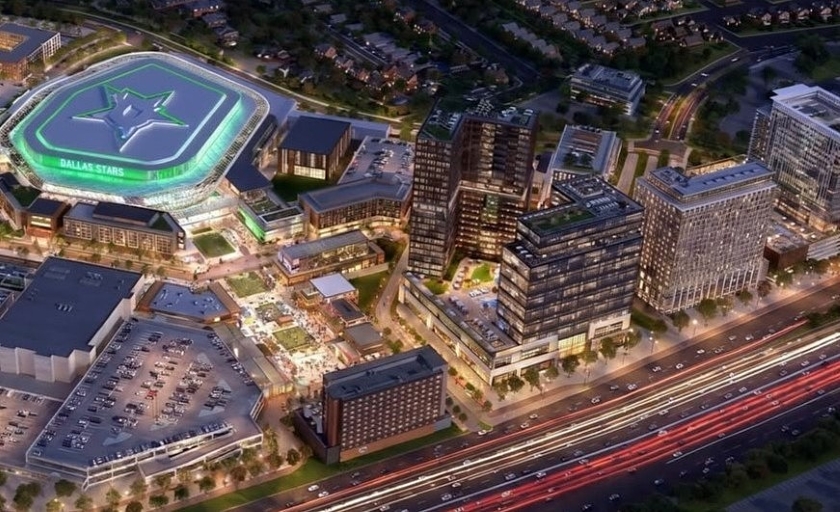
“We want to thank the city for recognizing we’re ground zero for negative impacts,” Paschal said, referencing the 324 homes in those neighborhoods that are situated closest to the mall. Yet, he did not frame his comments as blanket opposition to the project, explaining that the group is split in opinion.
“We’re not here to say no,” Paschal said.
City officials said transportation studies have not yet been completed and would begin upon Monday night’s LOI approval. That analysis is expected to examine surrounding roadways, intersections, parking, pedestrian access, and overall mobility around the proposed district.
2. What Will the Arena Mean for Nearby Homeowners?
Several speakers raised concerns about how a sports and entertainment district could affect not just traffic, but quality of life near Willow Bend in west Plano. Noise and light pollution, security, and potential effects on resale values came up as examples.
Renee Elgersma, who said she works in commercial real estate and understands development, questioned whether Plano needs a large sports district.
“My concern is whether this is the right fit for west Plano,” she said. “Not every change is progress.”
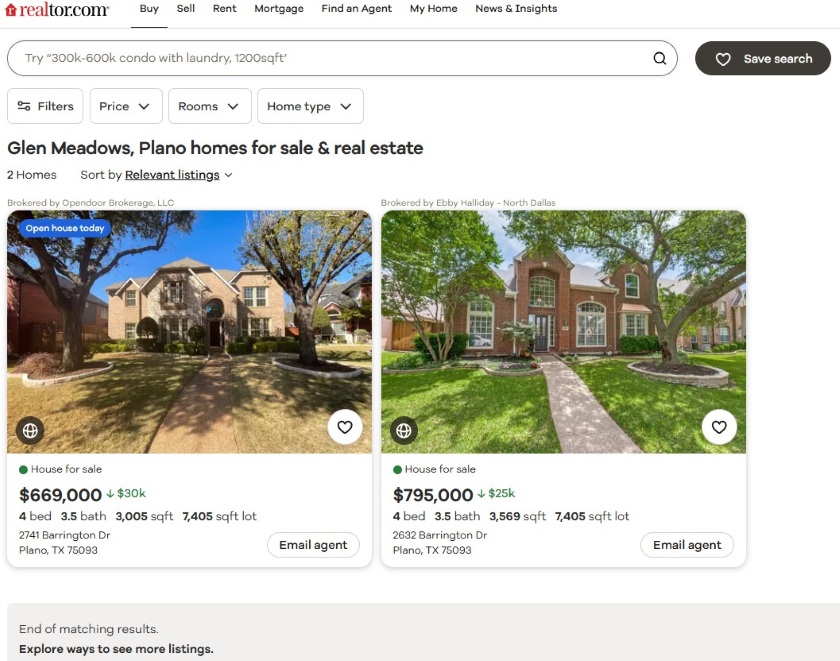
Paschal raised a question likely to resonate with many homeowners: What happens to home values when a house sits just blocks from a major sports and entertainment venue?
A question that CandysDirt.com would raise: What happens to home listings located next to the proposed arena? Do potential buyers shy away from those listings when a large development is in limbo? (Realtors, tell us in the comments.)
The answer remains unclear. Some large mixed-use developments can become amenities that attract buyers to the city, while concerns about event traffic, noise, lighting, and neighborhood disruption can affect buyer perception in other cases.
3. What Is the Full Project Scope?
The proposal is more than an arena.
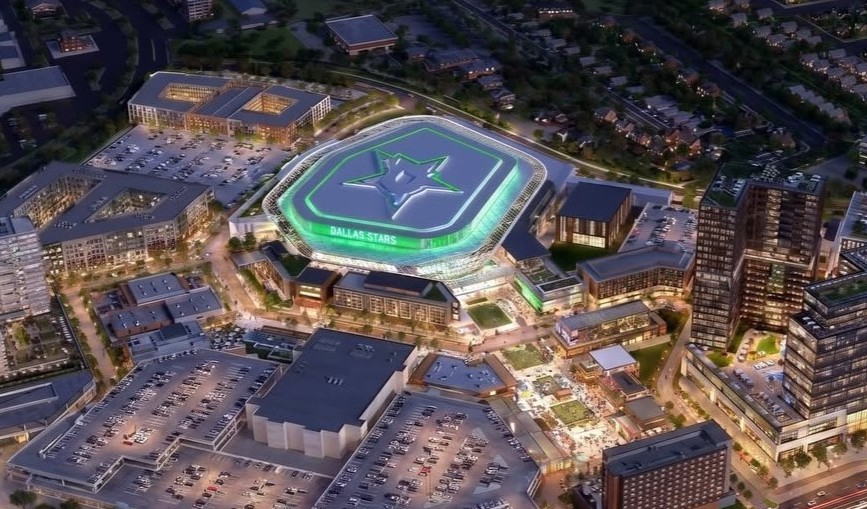
City officials and developers have described a larger sports and entertainment district that could include restaurants and retail shopping in line with the original Shops at Willow Bend offered, as well as high-density housing, hotel, office space, public gathering areas, and supporting infrastructure for the multipurpose arena that would serve as the home of the Dallas Stars.
But many details remain unknown.
Questions about building placement along the Tollway, existing and new parking structures, neighborhood buffering, landscaping, and lighting remain.
“I didn’t enjoy seeing the giant neon green [on the proposed arena] because that’ll light up my backyard,” Paschal said.
It also leaves questions about the already approved redevelopment project in progress, “The Bend.”
4. What Happens to The Bend?
Before the Stars entered the picture, site owner and developer Centennial had a redevelopment plan for The Shops at Willow Bend — known as The Bend — already envisioned for the aging mall property.
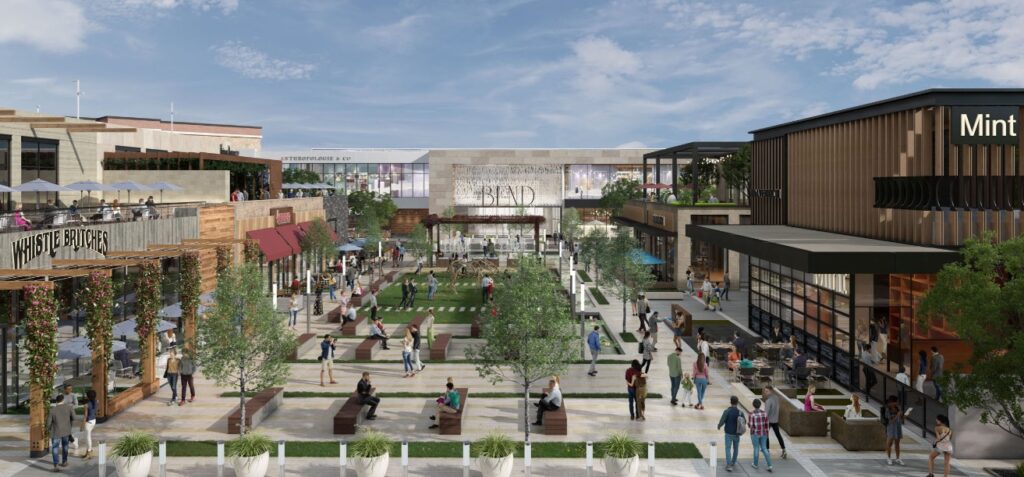
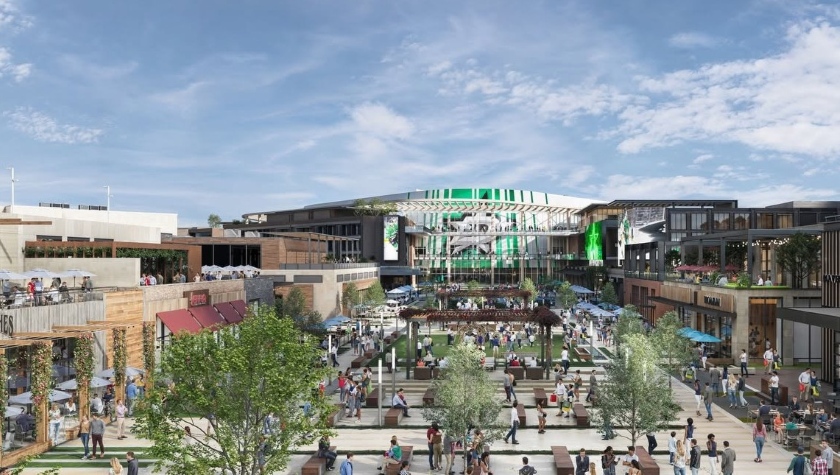
At Monday’s meeting, city officials said the previously approved redevelopment plan included housing, retail, office, hotel, and related uses. The addition of an arena and sports district would substantially change the scale and public profile of the redevelopment.
That leaves the practical questions of how much of The Bend remains, how much changes, and how much is accelerated by the Stars proposal?
5. Who Pays for What?
Perhaps no topic generated more debate than public financing.
The proposed structure involves multiple tools, including the new TIRZ, a separate economic development agreement with Centennial Waterfall Willow Bend LLC, and a venue project resolution that could eventually allow voters to consider venue-related taxes.
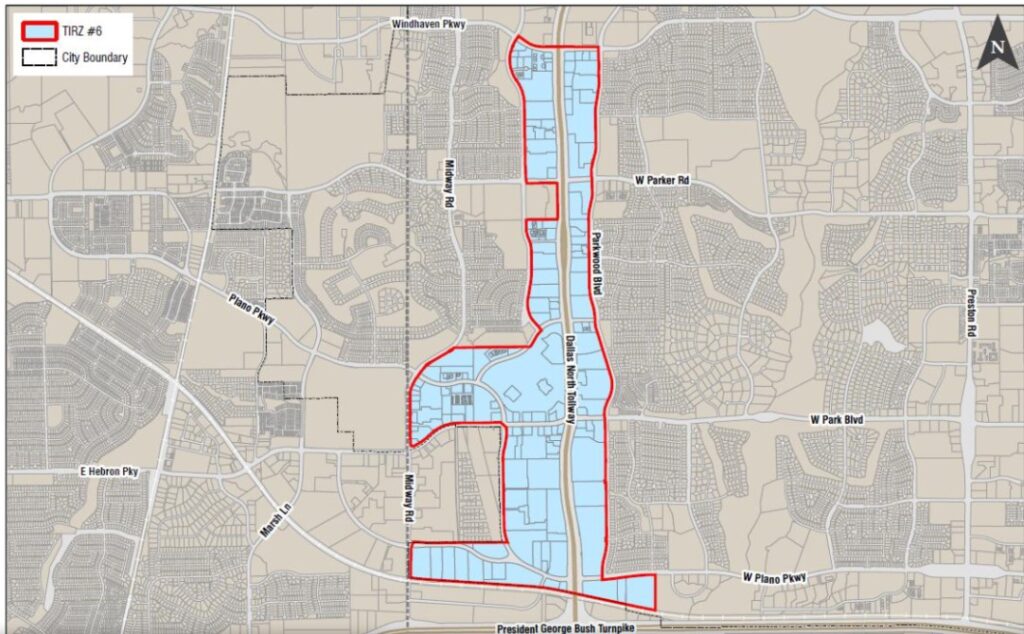
Residents questioned how much public money could ultimately be involved and what long-term responsibilities would be divided among the city, Centennial, and the Stars organization.
An economic development agreement approved Monday includes city assistance tied to demolition and preparation of the Willow Bend property, including a rent-free Visit Plano visitor center space as part of the redevelopment.
City council member Chris Krupa Downs specifically asked how arts and cultural uses might be incorporated, including replacing the children’s performing arts center that’s slated to be torn down at Willow Bend.
6. What Will the City’s Financial Commitment Ultimately Look Like?
City officials have discussed a public contribution tied to the arena project, but final agreements have not yet been negotiated.
Under the current framework, initial documents show the city would pay $700 million toward the arena’s completion. Documents also show the city would own the arena and lease it to the Dallas Stars for an initial 30 years, but the financial structure plan remains under negotiation.
The newly created TIRZ is intended to capture future increases in property tax revenue from the zone and direct those funds toward eligible infrastructure and project costs.
7. How Will the Arena Be Used Beyond Hockey?
While the Dallas Stars would serve as the anchor tenant, city officials have described a venue that could host concerts, community events, cultural programming, and school district events such as Plano ISD graduations. Currently, Plano ISD holds its senior high graduations at The Star in Frisco.
Questions remain about how many events would be held each year, how frequently the venue would be used outside of hockey season, and how event scheduling could affect nearby neighborhoods.
Councilmember Chris Krupa Downs specifically asked how arts and cultural uses might be incorporated into the project as discussions move forward.
8. Do Homeowners Have a Say?
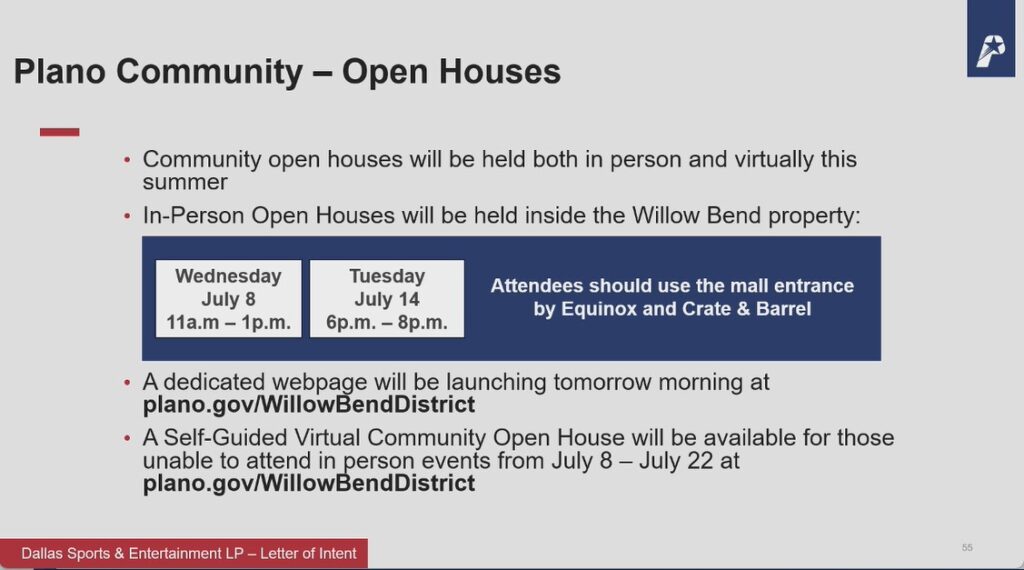
That question was partially answered for the first time Monday when the city announced two public forums and a dedicated website. The meetings are set for July 8 from 11 a.m. to 1 p.m. and July 14 from 6 to 8 p.m. at the Shops at Willow Bend.
One of Monday’s actions moved Plano closer to a potential venue tax election tentatively slated for Nov. 3. Before that can happen, the city must submit the venue project resolution to the Texas Comptroller for review. If the process advances, City Council would still have to formally call the election.
Voters could eventually be asked to authorize venue-related taxes that may include a short-term motor vehicle rental tax, hotel occupancy tax, event parking tax, event admissions tax, and a venue facility use tax on major league team members who play in the arena.
9. What Happens if Voters Say No?
While supporters and opponents spent much of Monday debating whether the arena is a good idea, another important question remains unanswered: What happens if voters reject venue-related taxes?
City officials have not yet outlined what alternative path, if any, could exist if a future election fails. Likewise, they have not publicly detailed how the broader Willow Bend redevelopment would proceed if an arena component is ultimately removed from the plan.
10. What Happens if the Stars Leave After 30 Years?
Questions also remain about the arena’s long-term future. Under the framework presented Monday, the arena would be owned by the city and leased to Dallas Sports & Entertainment for an initial 30-year term. Several residents questioned what protections would exist if the Stars eventually sought to relocate again.
Mayor Pro Tem Rick Horne acknowledged those concerns during council discussion, noting that the proposed lease structure includes options that could extend the team’s stay beyond the initial term.
“We hear you,” Horne said. “We want to protect our neighborhoods. But we also want to be a vibrant, relevant city in the future.”