
Melissa’s Oldest Surviving Home Rescued From the Wrecking Ball
Share News:

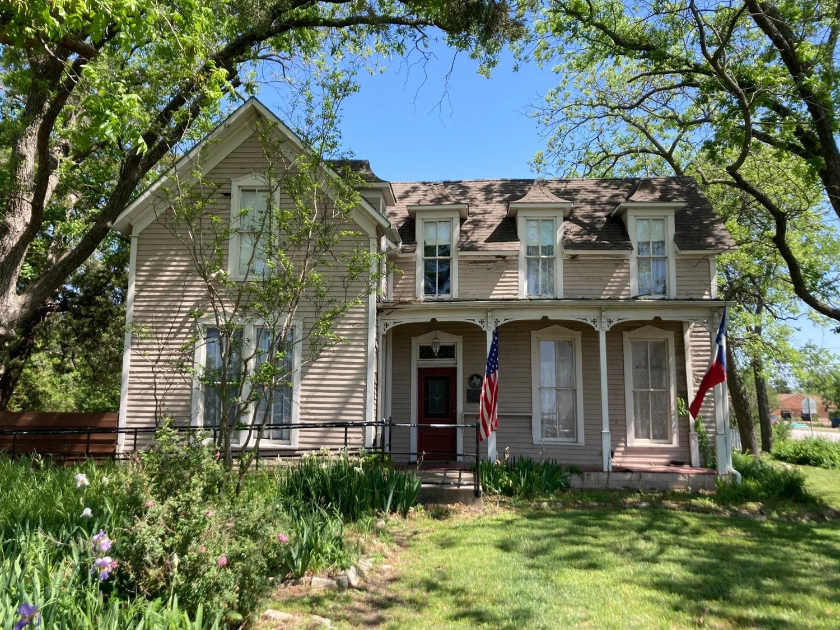
In an exciting win for historic preservation, the Scott-Barker House in Melissa, Collin County, Texas —a Registered Texas Historic Landmark and the oldest surviving structure in Melissa —has been rescued from the wrecking ball by a private citizen.
Lillie Miller, founder and president of the Melissa Historical Society, and a board member with the Collin County History Museum, was kind enough to give us the background on this historic home:
Construction of the Scott-Barker House may have begun as early as 1869 and continued through 1873 or 1876. The Scott-Barker House was a Railroad Boom house. Located just a few blocks from the historic Houston and Texas Central Railroad, the first known occupants of the house were the Scott Family. Louis Alfred (L.A.) Scott was a commercial and economic pioneer in Collin County, facilitating transportation, education, and financing to the community.
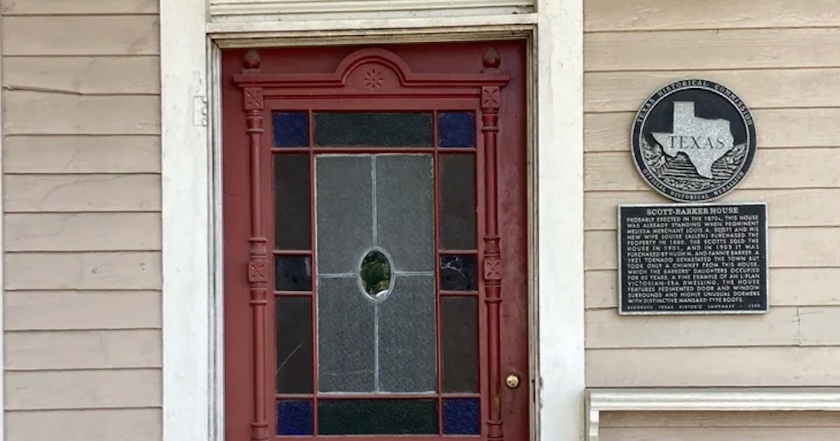
This historic home was one of the few structures spared in an F4 tornado that took out the whole town of Melissa in 1921. Of the homes and buildings that were spared, all have now been demolished or moved away except for one, the Scott-Barker House.
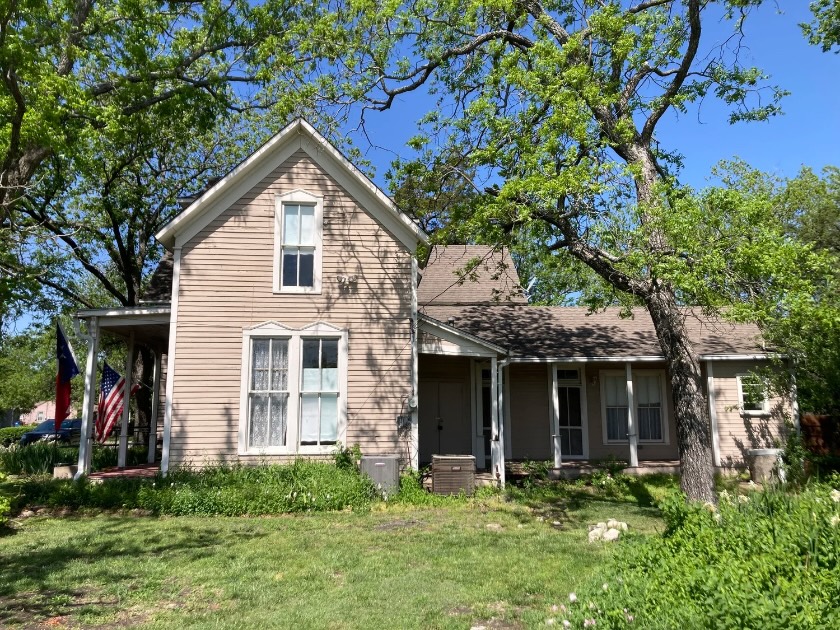
The structure is an excellent example of a late 1800s Victorian Farmhouse. Owners Johnny and Kelly Maberry applied for a Recorded Texas Historic Landmark marker in 1999. The architectural evaluation of the house by the Texas Historical Commission on the application states, “Good L-Plan form with Victorian-era detailing such as pedimented door and window surrounds, jigsawn porch detailing (reconstructed), and highly unusual dormers with distinctive mansard-type roofs.”
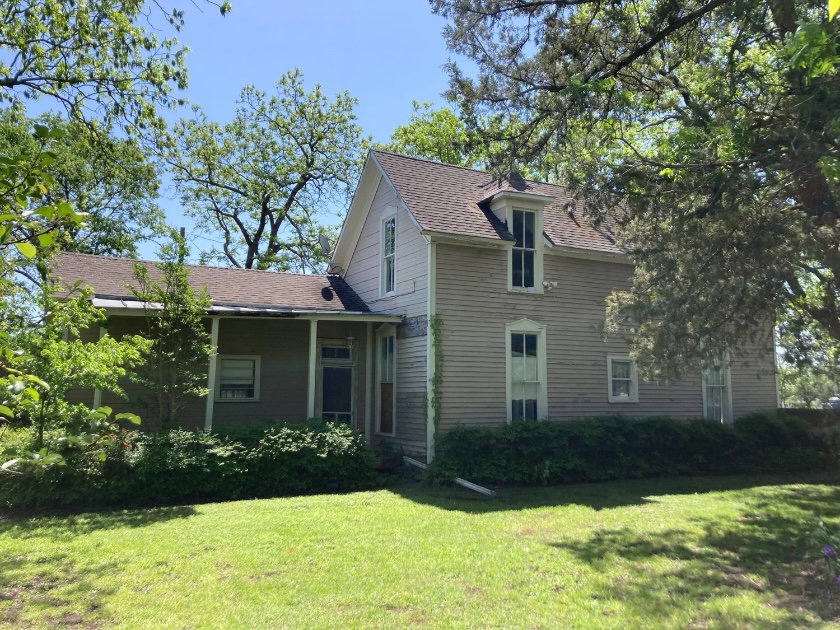
The Mayberrys’ description continued, “The 2,400 square-foot house has a three-on-three design plus a kitchen on the first floor. The house has seven original main rooms— four bedrooms, a parlor, a dining room, and a kitchen— in addition to two modern bathrooms and a laundry room.”
The couple provided a detailed description of the main structure of the Scott-Barker House, highlighting its unique features. These include a high-pitched roof, gingerbread trim on the front porch and screen door, cornice work over the windows, 11-foot ceilings downstairs, original wide baseboards and door boards, the original banister and staircase, original wide-board walls and floors upstairs, original doorknobs, latches, locks and hinges on doors, transom windows above the doors, six- and eight-foot wood-frame two-on-two windows with wooden screens, original glass in many windows, the original bathtub, the original stained-glass door, and three porches downstairs. The house’s most striking features are its seven dormer windows, which are characterized by flat tops instead of peaked tops. Evidence shows the dormers have always had flat tops. The three upstairs bedrooms all have window recesses to accommodate the unique dormer windows.
The outbuildings were described as follows: “Behind the house stands the original two-seater outhouse. At one time, the outhouse had some electricity, as indicated by the old-fashioned, but now unused light bulb sockets and assorted wiring above the outhouse door.”
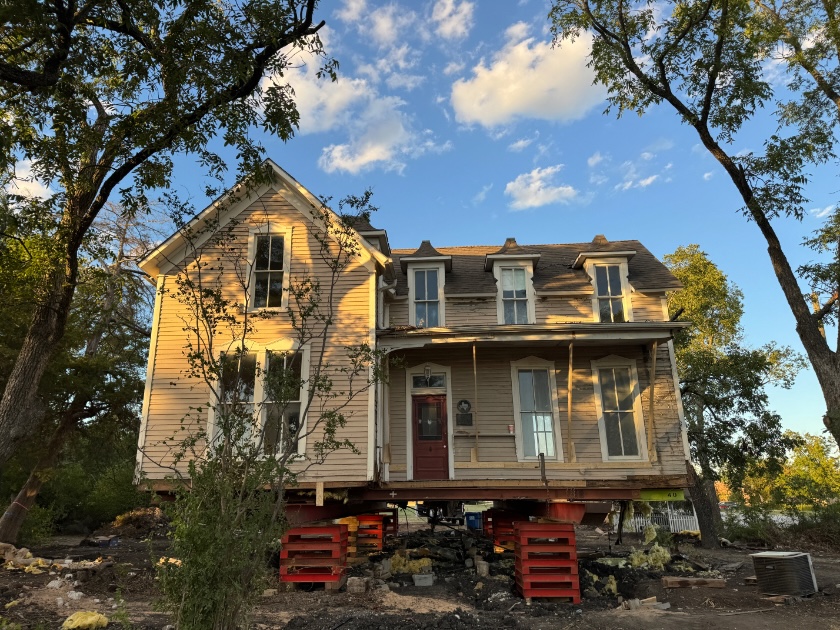
Earlier this year, the proverbial knight in shining armor rescued this damsel in distress. That knight is James Privitt. He and his wife Kim, moved to the area in 2020 and kept driving past the Scott-Barker house. With a passion for all things historic, James’ own “preservation antenna” deployed. He began to look into the home’s history and found that its future was looking bleak. The city council floated a proposition to fund preservation, and it failed, so they were open to ideas when the Privitts made a suggestion.
“We offered to buy it,” James said.”We don’t have much preserved history here, and this is an important house for the area.”
The problem was that the home sat on park land so it had to be moved before the sale could happen. That move began yesterday, and the historic Scott-Barker house will soon be settled on a new plot of land in a great location. The Privitts will take their time restoring it with historic accuracy, and they plan to live in the home. “We were also able to keep the home’s historic status, ” James said. ” This is rare, but we were able to illustrate that all options were explored and that it’s staying in its historical context.”
A happy ending for historic preservation in Melissa indeed!
1 Comment
Leave a Comment







How wonderful to read a positive story about preservation! And even more remarkable to learn that THC permitted the RTHL designation to remain. Bravo to the new owners.