
Lawmakers Move to Protect Neighborhoods from Encroaching Concrete Plants
Share News:

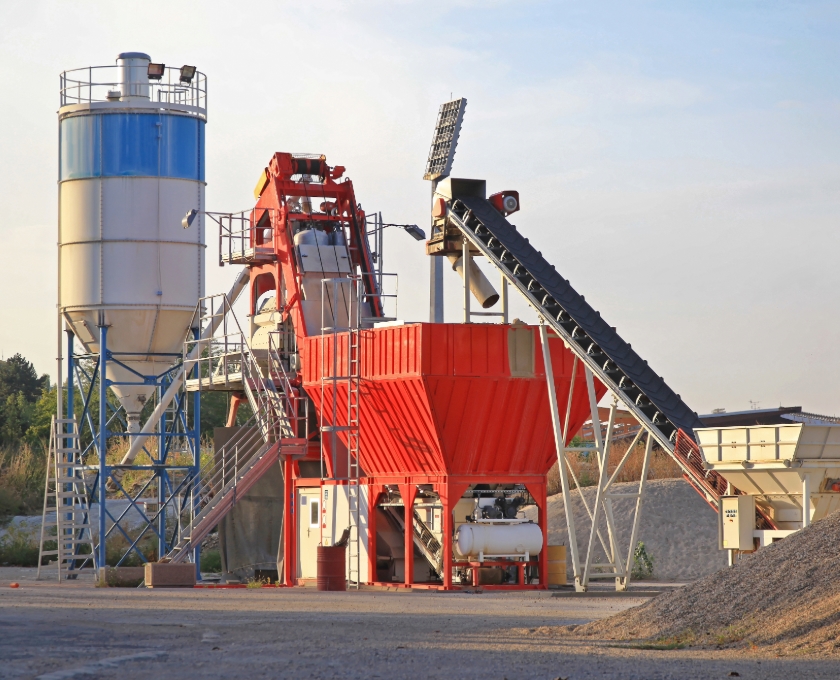
Concern about concrete batch plants near residential neighborhoods isn’t just a Dallas thing. It’s also rampant in Tarrant and Grayson counties, and North Texas lawmakers are taking those concerns to the state Capitol this week as the 89th Texas legislative session kicks off in Austin.
Texas regulatory agencies and lawmakers are proposing amendments and bills to regulate the placement and operation of such industrial plants near often-disenfranchised neighborhoods. As you’ll recall, Southern Dallas’ Floral Farms neighborhood recently detailed its plight against industrial zoning, as concrete batch plants, scrap yards, and the infamous “Shingle Mountain” have encroached on their single-family homes. They say not only has the pollution damaged their health, but district “redlining” — a discriminatory practice of denying financial and other services from neighborhoods with significant numbers of racial minorities — has created food deserts and wonky zoning on the south side.
In Tarrant County, residents are fighting the J7 Ready Mix concrete batch plant planned for Rendon, an unincorporated area between Mansfield and Burleson, according to the Fort Worth Report.
The concrete batch plant is waiting on permit approval from the Texas Commission on Environmental Quality, but neighbors say the company, allegedly proceeding with construction in the absence of a permit, “showcases a lack of regulation from the state commission.”
“It goes back to TCEQ’s checks and balances. No one went out there to check and make sure that they were abiding by the rules,” Tarrant County resident Brandon McElroy told the Fort Worth Report. “So all this is built now. It’s sitting there. It’s an eyesore.”
Plant Regulation
State legislators returned to Austin on Tuesday and now have an opportunity to address such matters. According to reports, the environmental permitting process and regulation of concrete batch plants are priorities for Rep. Nicole Collier (D-Fort Worth) and Rep. David Cook (R-Mansfield). Lt. Gov. Dan Patrick has voiced interest in regulating permanent cement plants but hasn’t addressed concrete batch plants, environmental advocates say.
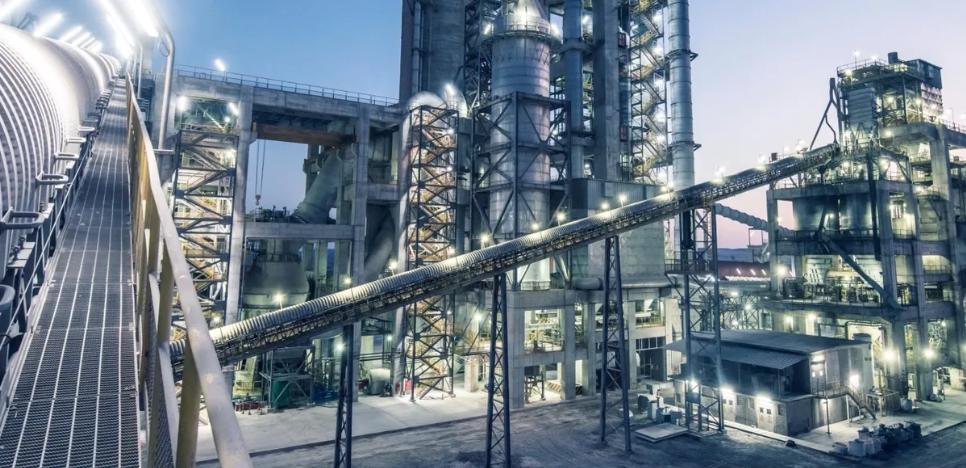
The Texas Tribune reported last year that Patrick asked the TCEQ to halt approving permits for cement production plants in Texas until the 2025 legislative session.
From the April 2024 article:
Patrick’s letter to TCEQ Chair Jon Niermann … comes after his visit to Sherman … to listen to residents’ concerns over a proposed 600-acre cement plant and limestone quarry by Black Mountain Cement. The plant would be located behind a church in Dorchester, about 60 miles north of Dallas.
“I appreciate that TCEQ has a difficult job. You have a formula, and you follow it. However, as Lt. Governor, I must look at the bigger picture of what is best for our communities,” Patrick said in the letter to Niermann.
We couldn’t find any recent news reports, but the Black Mountain Cement website claims it is building a “state-of-the-art industrial facility that will serve as a next-generation cornerstone of cement production by addressing a regional shortage of supply.”
Opposition in Dorcester says the “proposed plant would negatively impact the health and well-being of Grayson County.”
What is a Concrete Batch Plant’s Effect on a Residential Community?
First of all, what is a concrete batch plant? In simple terms, it’s a facility where raw materials such as sand, water, aggregate, and cement are combined to create ready-mix concrete. There’s a need for this type of facility; the debate is over where to put them.
According to the Texas Aggregates & Concrete Assoc., concrete, aggregate, and cement industries in Texas generate more than $10 billion in annual revenues and, together with associated support industries, employ more than 100,000 Texans each year.
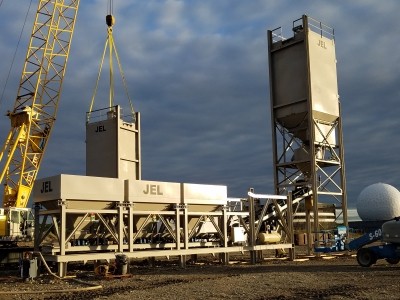
The Association says that a standard concrete plant limits particulate matter (such as dust) to less than five pounds per day for the entire facility.
“Texas has a set of laws and guidelines that govern the development of concrete batch plants,” according to the Association website. “Processes are also in place for citizens to participate in permitting hearings.”
Environmental Concerns
According to Downwinders at Risk, via a 2017 Harvard University study, particulate matter (PM) is simply toxic soot.
“Its small size is what makes industrial [particulate matter] pollution so dangerous to people,” according to the study. “Evolution equipped us with filters in our nose and throat to catch larger, natural dust particles. But PM pollution is so tiny it slips right by these evolutionary safeguards and gets inhaled deep within our lungs. There, it’s small enough to pass through the lungs’ lining directly into our bloodstream and deposit itself in other organs.
“This makes it toxic from the start.”
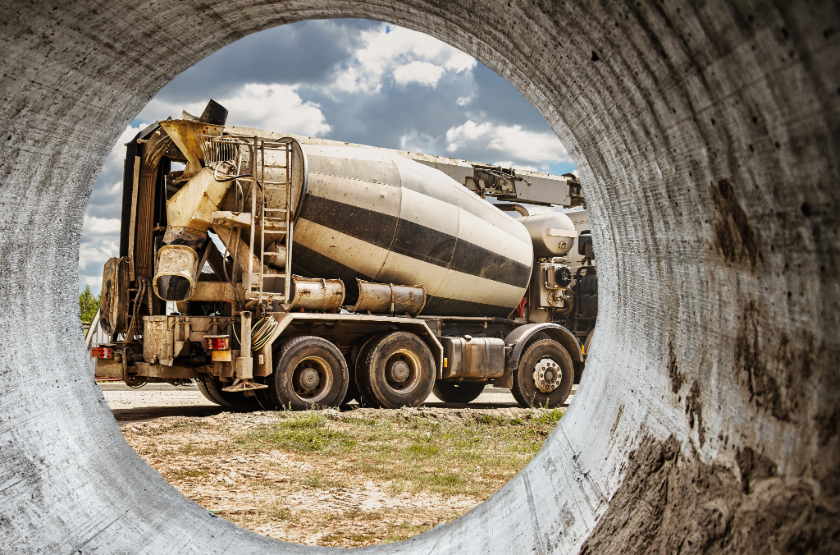
Increased traffic near neighborhoods is also a concern in areas that have industrial zoning. The Texas Aggregates & Concrete Assoc. says batch plants use trucks to move product from the plant to a delivery point and to deliver raw materials (aggregates) to the plant.
“On average, a ready-mix concrete batch plant employs 10 to 20 trucks that make a total of 75 trips per day combined,” the website states.
Following State Regulations
Industrial businesses in the area near Floral Farms spoke out at a December Dallas City Council meeting saying they shouldn’t be punished when they are following state regulations.
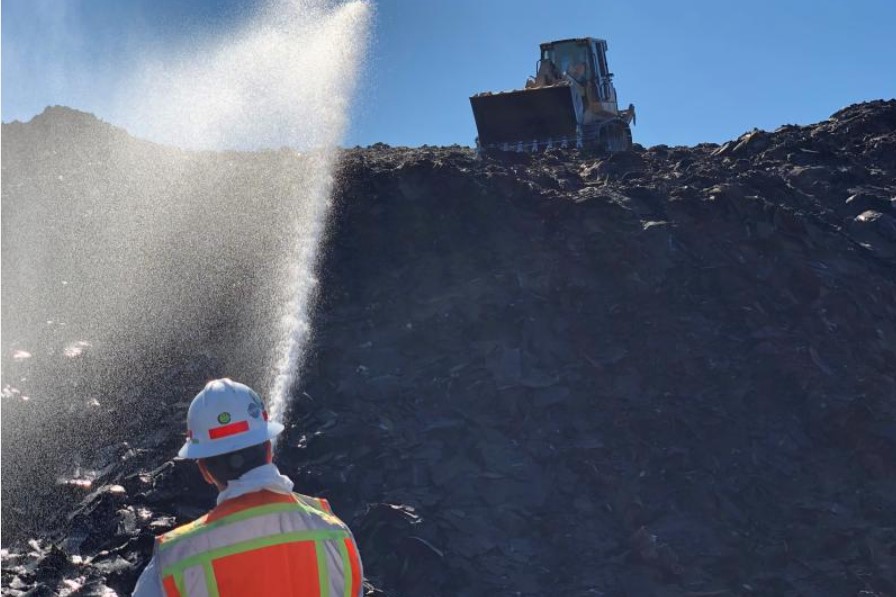
Most of the industry operators go to great lengths to ensure there is no pollution from their businesses. They do not handle hazardous substances and have had no complaints from neighbors, several business owners said.
Scott McMahon, vice president of development for North Texas Natural Select Materials, said his business has been zoned industrial for over 60 years and is not causing harm to residents.
“It’s said that government can only give to one person that which it has taken from another,” McMahon said. “We experienced that firsthand as smaller property owners sought to impose their vision on our property during this process, even earmarking our entire 102.6-acre property as public park and open space during the early stages of these neighborhood meetings. It’s a mighty generous allocation of someone else’s property … Doing the right thing here requires that you vote no to the [City Plan Commission] recommendation and uphold the vested rights of the existing property owners.”
The Floral Farms rezoning case is slated to go back before the Dallas City Council on Feb. 12 after council members are briefed on the implications of Senate Bill 929, which passed in the 2023 legislative session.







Garland has one, too, adjacent to a residential neighborhood, to serve the LBJ construction project. It is a temporary batch plant, but the effects — per research — certainly are not. As we know, TxDOT road projects can last for years so the word “temporary” is a bit misleading. Also, after these batch plants are removed how is the soil mitigated for future use?
I’ve been a contractor in Montana for over a decade and we’ve never addressed this issue. It’s cool to see that Texas lawmakers are covering it. Hopefully Montana will follow soon.
I live next a a cement plant and the pollution is unbearable. Is there anything I can do to stop them or have them move?