
Housing Affordability Crisis Looms Over Texas Legislative Session
Share News:

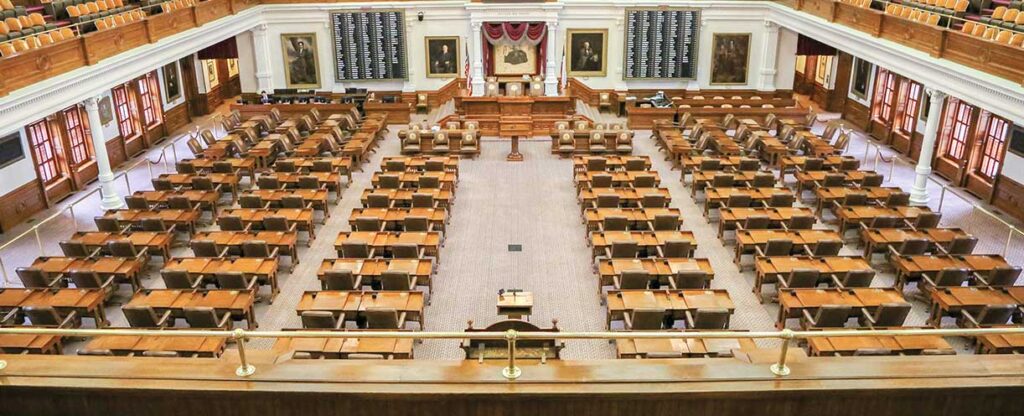
The 89th Texas legislative session is set to begin on Jan. 14, and one of the top issues lawmakers will seek to address is housing affordability.
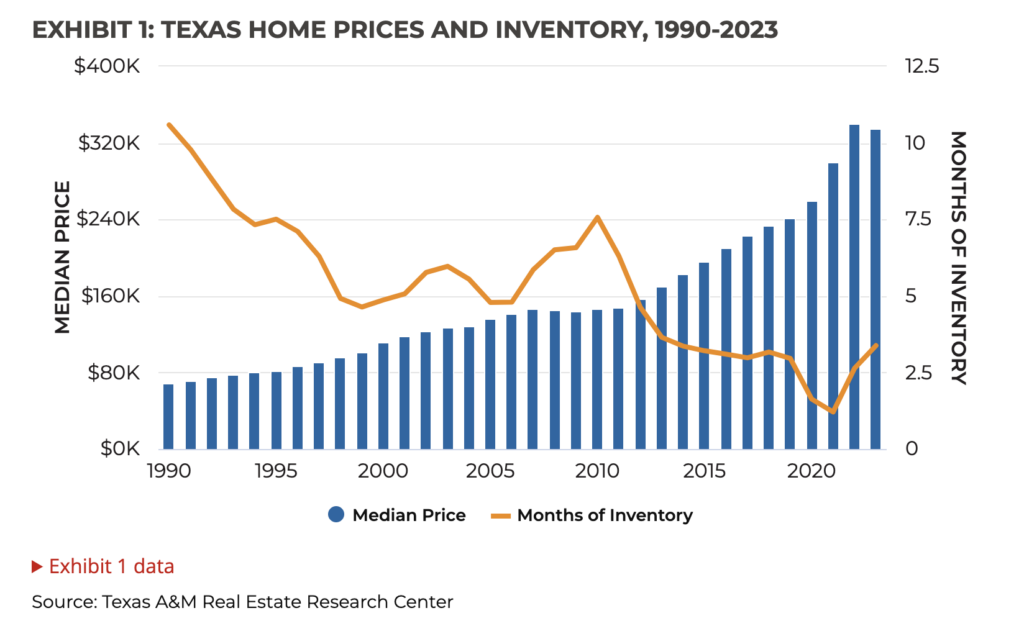
Housing stock has not kept pace with the influx of new residents over the past several years, leading to inflated home values and climbing rents. High mortgage rates and rising building costs have also contributed to prospective buyers finding themselves priced out of in-demand markets across the state.
Big cities like Dallas and their surrounding suburbs have been some of the most affected, with the median closing price in D-FW coming in just shy of $400,000 in 2024, according to the latest Texas A&M University Texas Real Estate Research Center housing report. Rent has also skyrocketed, putting more pressure on lower-income residents who are struggling to keep a roof over their heads amid sticky inflation.
Texas Lawmakers Target Municipal Regulations
Elected officials in Austin considered a number of bills last session that would have loosened land-use restrictions to facilitate more building, but such legislation failed to pass.
Some proposed measures appear to be making a comeback, with lawmakers filing bills seeking to ban local ordinances that inhibit the construction of accessory dwelling units (see HB 1779, SB 673, and HB 878). Lot size requirements (HB 878, yes, the same bill) and limits on the number of dwellings (HB 369) are also being targeted as hindrances to boosting housing inventory.
Another factor at the municipal level that’s been playing a role in the housing crunch is permitting. Slow turnaround times have been a burden on developers since the COVID-19 pandemic, a problem that’s been especially pronounced in Dallas, as previously reported by CandysDirt.com. HB 987 and HB 993, both filed by Rep. Steve Toth (R-The Woodlands), would decrease the time allowed before local permitting authorities must issue or deny permits and prohibit them from denying a permit just because of their own inability to make a determination within the time limit.
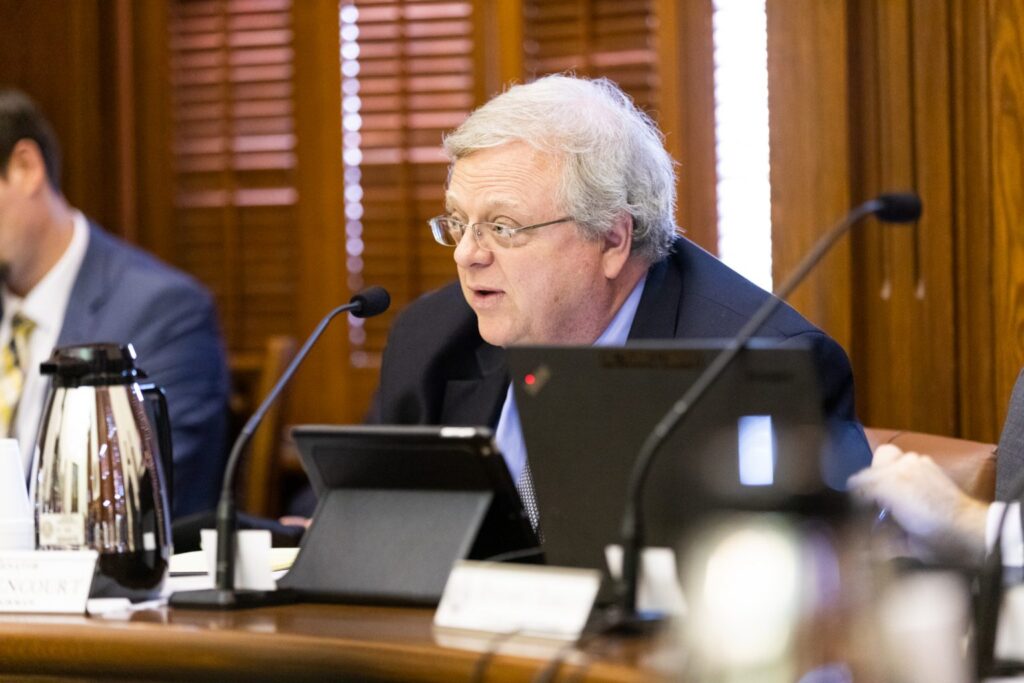
“The starting point is to make sure that we don’t have obstacles like regulatory issues and local government that are making things worse,” said Sen. Paul Bettencourt (R-Houston), speaking about the upcoming session, per The Texas Tribune.
Abbott, Patrick Throw Shade at Institutional Homebuyers
One factor in the dramatic rise of housing costs has been investment firm activity, however, it is unclear how big a role it’s played. Big corporations and hedge funds have been purchasing single-family homes across the United States. With plenty of capital behind them, they’ve been able to outbid many residential buyers and establish rental properties. The dynamic caught Gov. Greg Abbott’s attention.
“I strongly support free markets,” Abbott tweeted back in March 2024. “But this corporate large-scale buying of residential homes seems to be distorting the market and making it harder for the average Texan to purchase a home. This must be added to the legislative agenda to protect Texas families.”
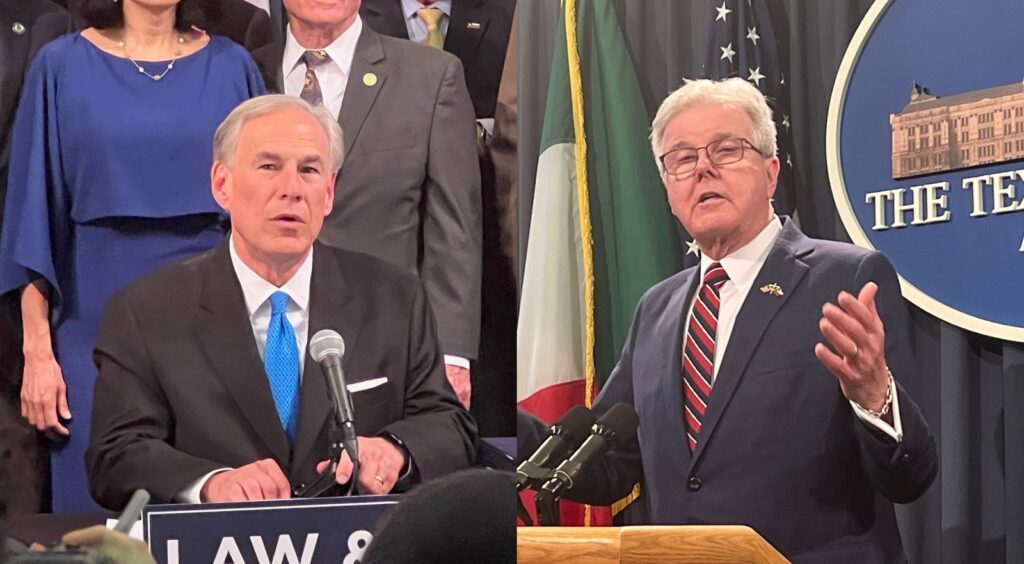
Lt. Gov. Dan Patrick subsequently tasked a Senate committee with assessing the “large-scale purchases of single-family homes by domestic entities and its impact on housing affordability for Texas families.”
Last November, Caroline Harris Davila (R-Round Rock) filed HB 287, which calls for the Texas A&M University Texas Real Estate Research Center to compile and analyze data related to the purchase or sale of single-family homes by “institutional buyers” in the Lone Star State. The bill defines an institutional buyer as “a corporation, limited or general partnership, limited liability company, business trust, investment asset manager, real estate investment trust, joint venture, joint stock company, or bank that purchases or acquires for consideration 10 or more single-family homes.”
Studies have indicated that the corporate footprint in the single-family home rental market is relatively small at the national level, with some industry experts pushing back on the assertion that institutional buyers are having a negative impact on housing affordability.
“With their small national market share, claims that large institutions inflate house prices seem exaggerated,” Capital Economics economist Thomas Ryan wrote in a client note last year, per Realtor.com. “In our view, lawmakers are looking for a new scapegoat to blame for unaffordable housing.”
Even still, investors bought up roughly 28% of the homes sold in the D-FW market in 2022, according to The Dallas Morning News.
Prognosis Could Depend on Trump
While housing costs cooled in some parts of Texas last year and industry experts are predicting further market corrections in 2025, the incoming Trump administration could cause some serious headaches for developers.
As previously reported by CandysDirt.com, President-elect Donald Trump’s promise of mass deportations and tariffs could result in serious problems for builders. Upwards of 20% of workers in the construction industry are undocumented immigrants. Their removal en masse from the country could result in a surge in labor costs and a slowdown in overall production. Tariffs would likely put additional pressure on the industry by further inflating the cost of building materials, which soared in the aftermath of the pandemic.
All that to say, Texas lawmakers have their work cut out for them. Housing affordability may be an issue Texans have to grapple with for some years to come.