Historic Fort Worth Names 7 Sites to Endangered Places List
Share News:

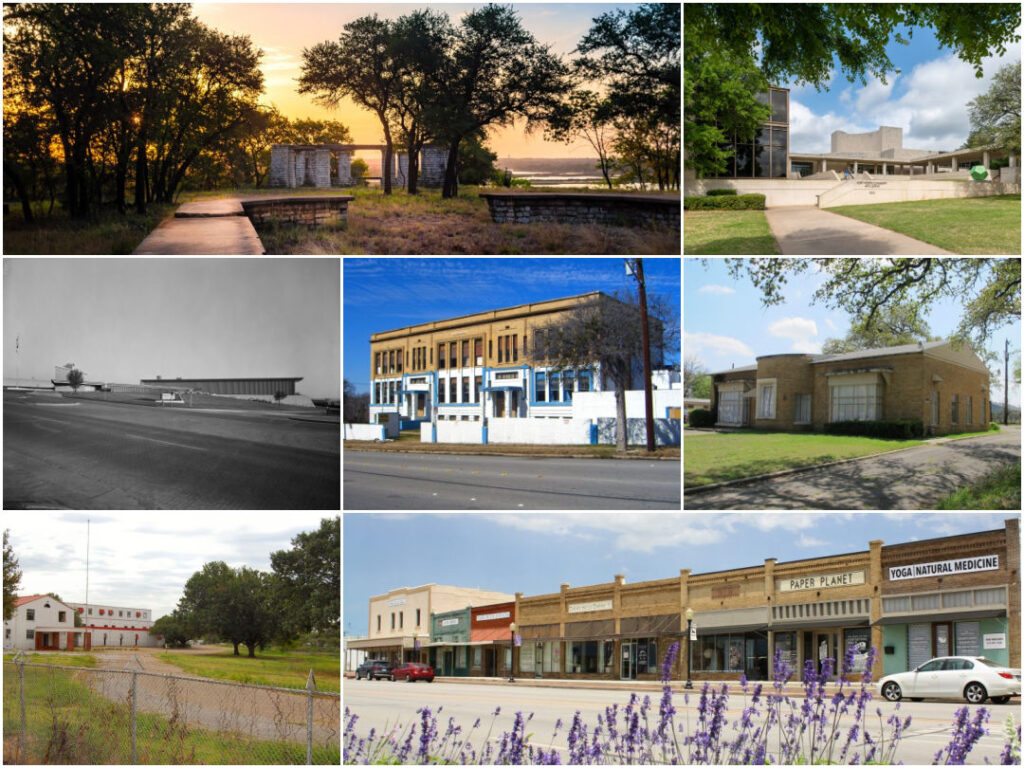
Historic Fort Worth announced seven sites made its Most Endangered List last week, spotlighting Tarrant County sites that need protection.
“Except for two years off during COVID, Historic Fort Worth has produced endangered lists since 2004,” said the organization’s executive director Jerre Tracy. “The conversations these lists create can change the game for a compromised property.”
Preserving history — Fort Worth style — has been the purpose of Historic Fort Worth since it was founded in 1969. This annual list of endangered sites is part of the organization’s activities, which also includes educational programs, tours of historic buildings, and working with developers.
The following sites were named in this year’s list:
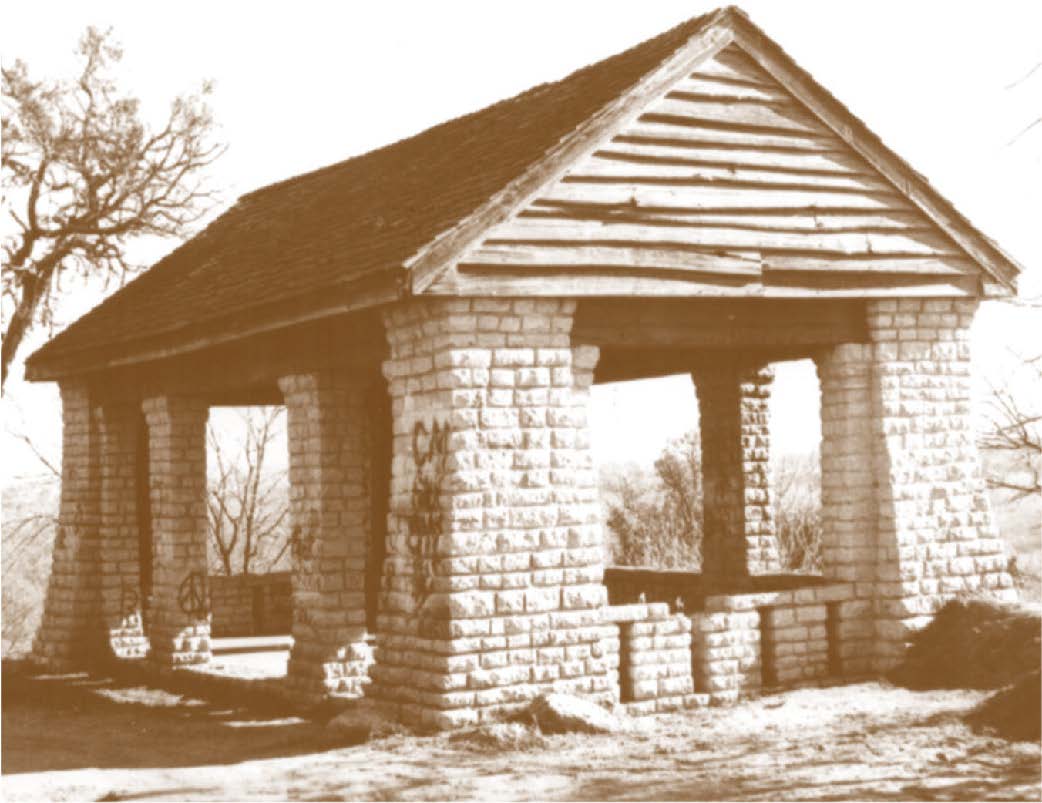
Fort Worth Nature Center & Refuge Civilian Conservation Corps Camp Sites
9601 Fossil Ridge Road
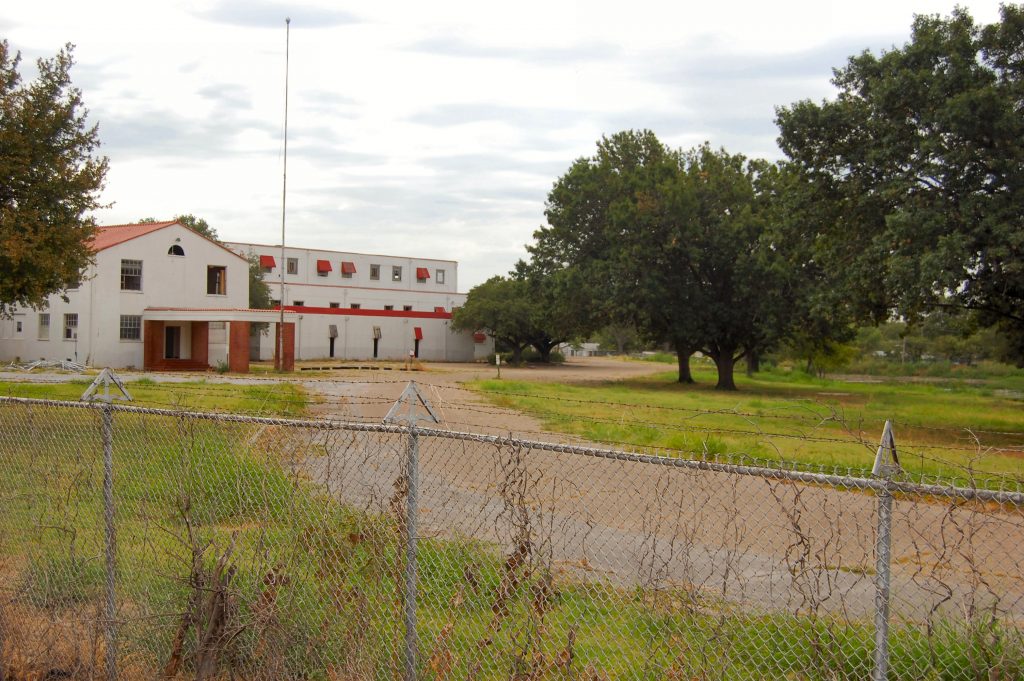
The campsites, created by President Franklin D. Roosevelt during the Great Depression, are comprised of three public parks. Built for public events, the sites have fallen into disrepair.
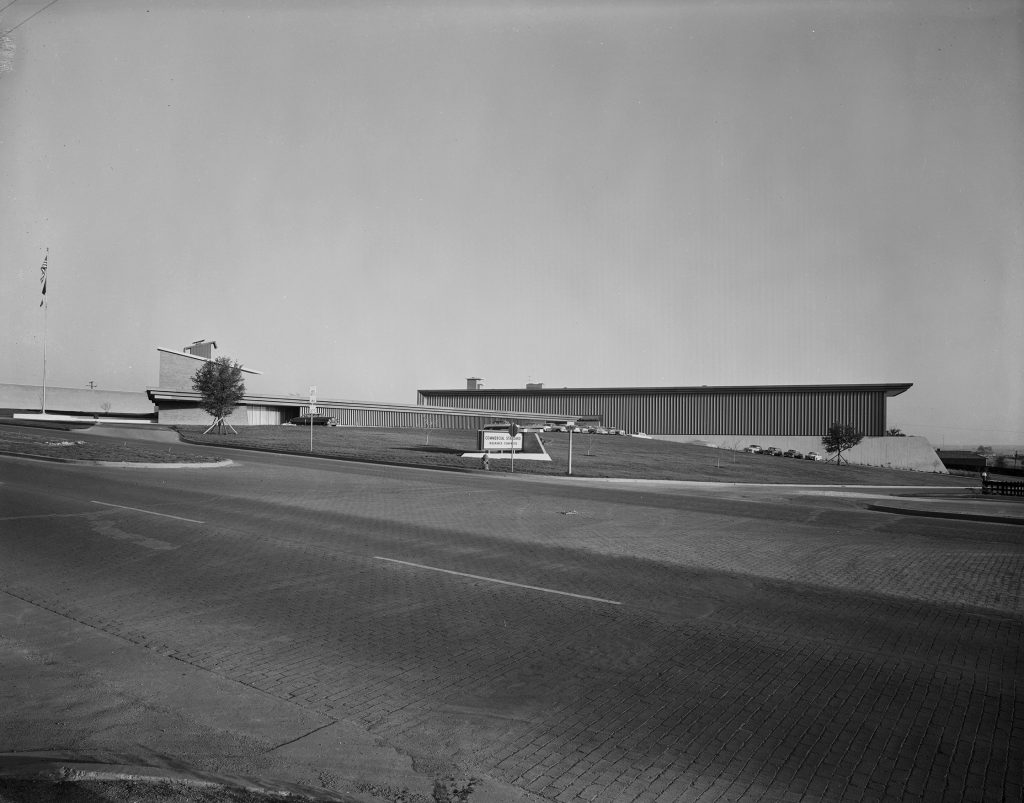
Commercial Standard Building
6421 Camp Bowie Blvd.
The Houston firm Mackie & Kamrath, known for its contemporary architecture, designed this 1956 commercial building in an L shape with a cantilevered aluminum canopy. HFW deemed “incompatible development” in front of the building as an issue.
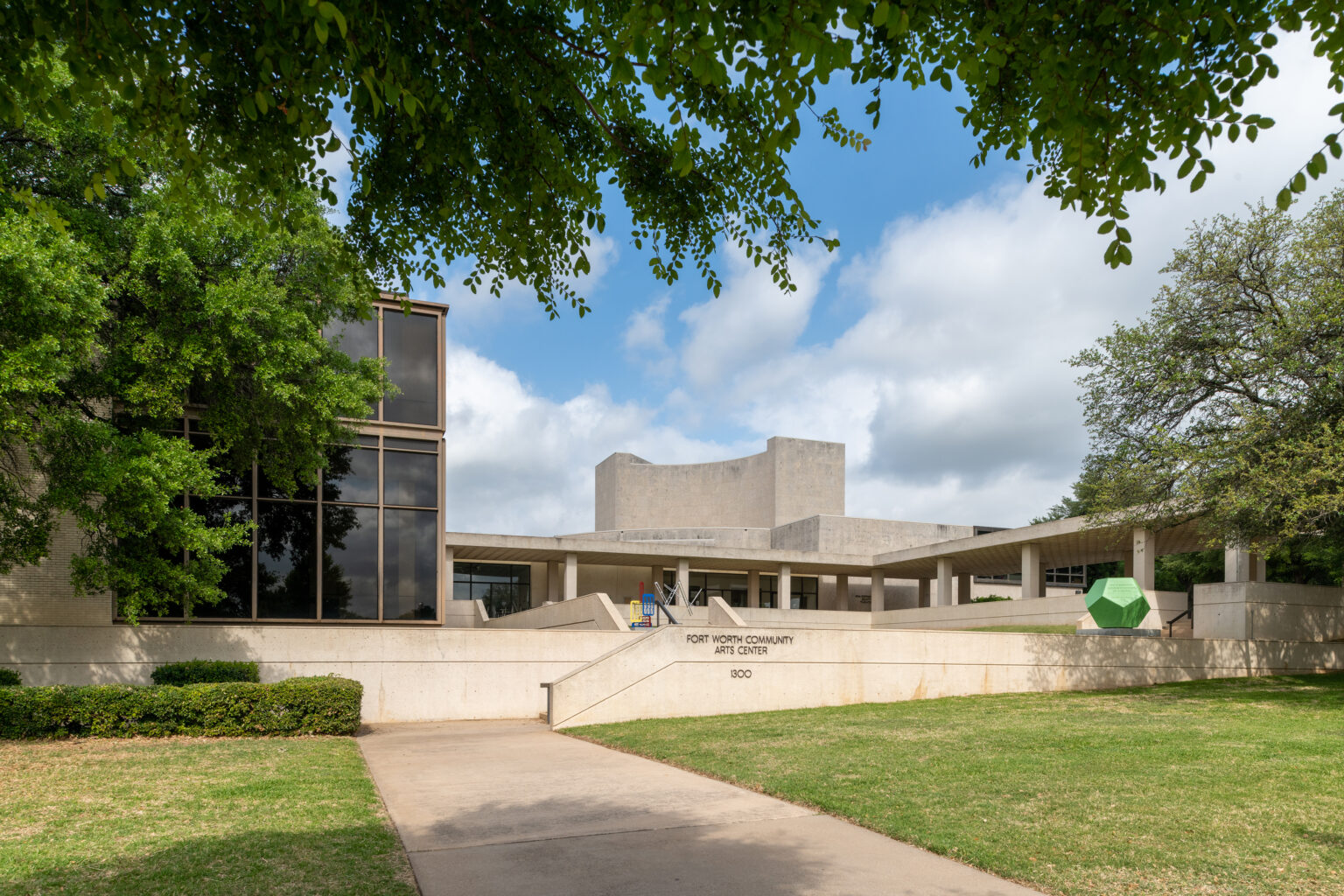
Fort Worth Community Arts Center
1300 Gendy St.
Originally built in 1954, the building has been added onto twice, once in 1966 and again in 1974. It has housed the Fort Worth Art Association, the Modern Art Museum, a museum, an art school, and the Scott Theater. Deferred maintenance totaling $26 million impacts the building, according to HFW information.
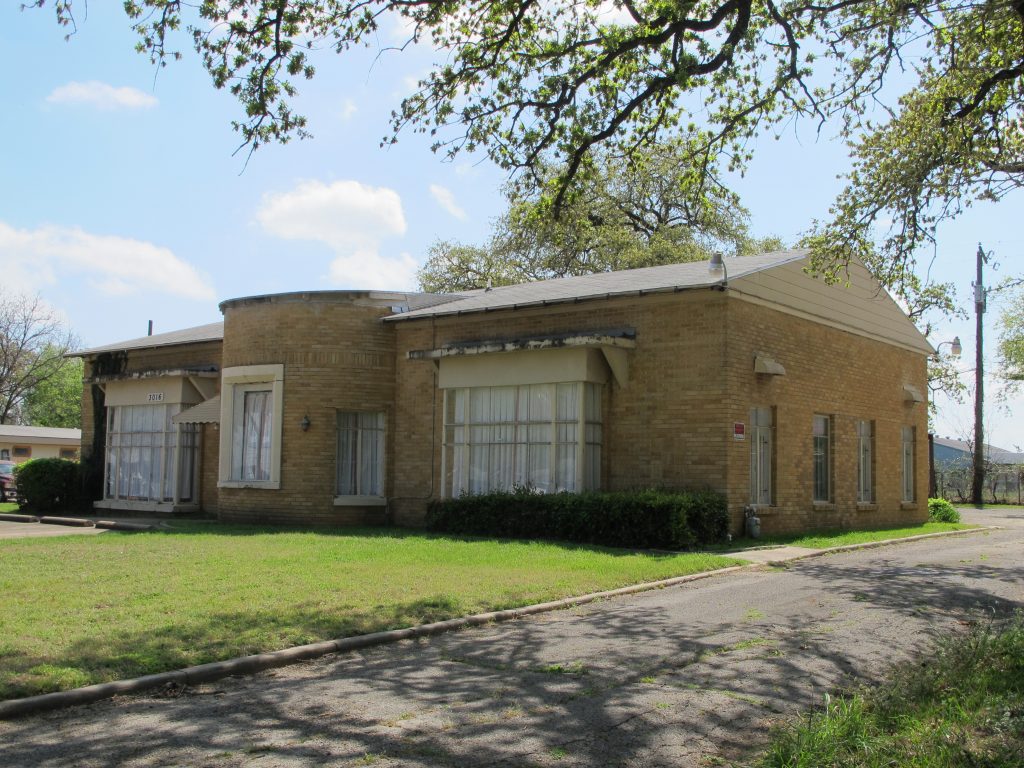
Grand High Court of Heroines of Jericho
3016 E. 4 St.
The Grand High Court of Heroines of Jericho, an African American women’s organization, began just 20 years after 1865’s Emancipation Proclamation. This building was listed as endangered in 2017.
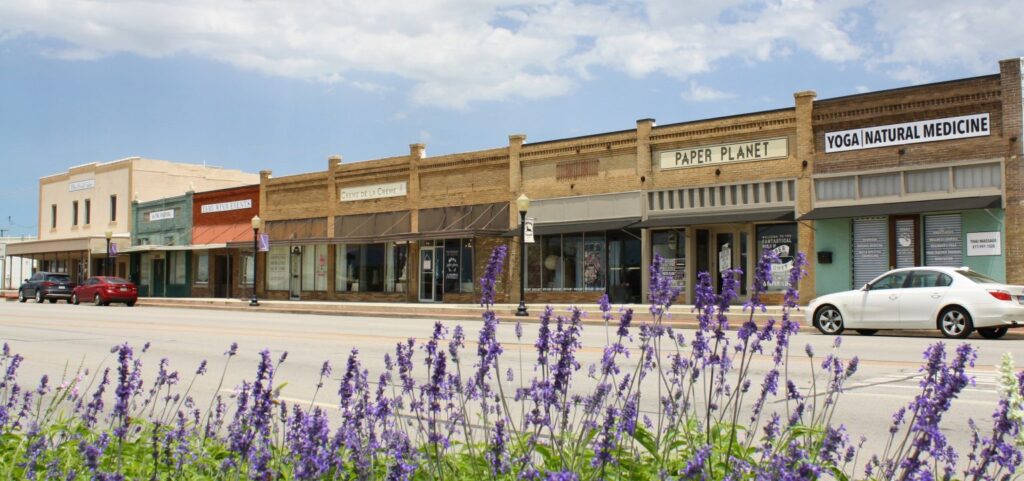
Handley Avenue Historic Strip
6511 – 6515 E. Lancaster Ave.
The planned expansion of Lancaster Avenue threatens this area, built between 1910 and 1916. The five brick storefronts, designed and built by George Steven Carmack, could be impacted by TxDOT’s addition of two lanes.
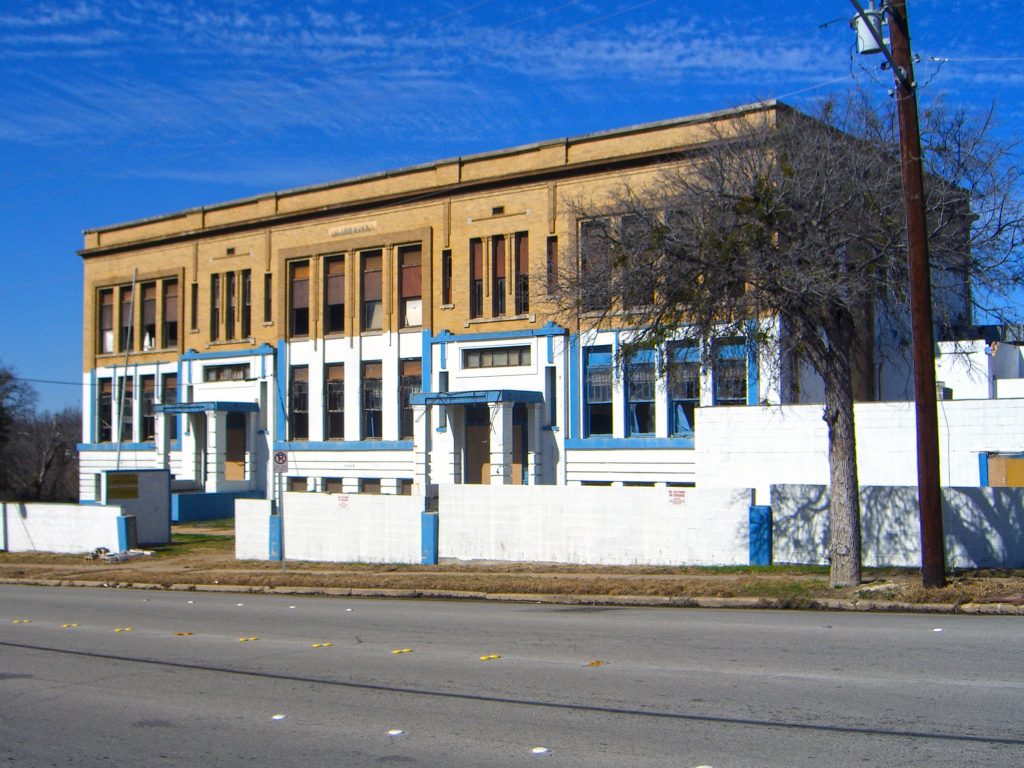
R. Vickery School
2005 E. Vickery Blvd.
The two-story building, built in 1910 by real estate developer Richard Vickery, remains vacant today. Beta Tau Lamba Fraternity has created a new-use plan for it to become the home to its Alpha Academy, a male mentorship program for students in fifth through 12th grades.
U.S. National Helium Production Plant #1
4400 Blue Mound Road
This plant, built in 1918, was the world’s first facility to remove helium from natural gas for commercial use. It has been used as a government office, but now is privately owned. According to HFW, the building would qualify for the National Register of Historic Places.
Positive Results for Historic Preservation
The Most Endangered List has proven results, and HFW’s leadership was quick to point out one recent victory. Tracy said HFW recognized the Cook Children’s Memorial Hospital at 1212 Lancaster Avenue as a successful turnaround from its 2023 list. After being cited last year, HFW learned it was recently placed on the National Register of Historic Places.
“The building is owned by an LLC, and we cannot tell who the owner is, but it is good news,” Tracy said in a written statement.
Sometimes a new owner emerges, and Tracy points to what happened with the Ridglea Theater on Camp Bowie Boulevard as an example. HFW prevented the demolition of the 1950 building except the tower and lobby, allowing a new owner to restore the theater instead.
Another successful outcome Tracy credits HFW with is establishing the Fort Worth Stockyards as a local historic district. The historic preservation group funded a survey that resulted in the historic designation for an area built between 1900 and 1924 which spans blocks. The district remains a bustling hub for restaurants, shops, and hotels.
Additionally, Tracy said HFW includes links to grants and restoration tax credits with the list. Many endangered properties, she said, simply need funding to address the issues that are causing the endangerment.